
Introduction
Despite the lack of commonly agreed definition, the term ‘child labour’ typically entails “work that deprives children of their childhood, their potential, and their dignity and causes harm to a child’s physical and psychological wellbeing”.According to the International Labour Organization (ILO) and the United Nations International Children’s Emergency Fund (UNICEF), child labour is a global issue that continues to impact the lives of millions of children around the world. Based on 2020 data, approximately 160,000,000 children worldwide, comprising 63,000,000 girls and 97,000,000 boys, are involved in child labour. Out of this, roughly 79,000,000 are victims of hazardous work conditions, risking their health, security, and moral development.
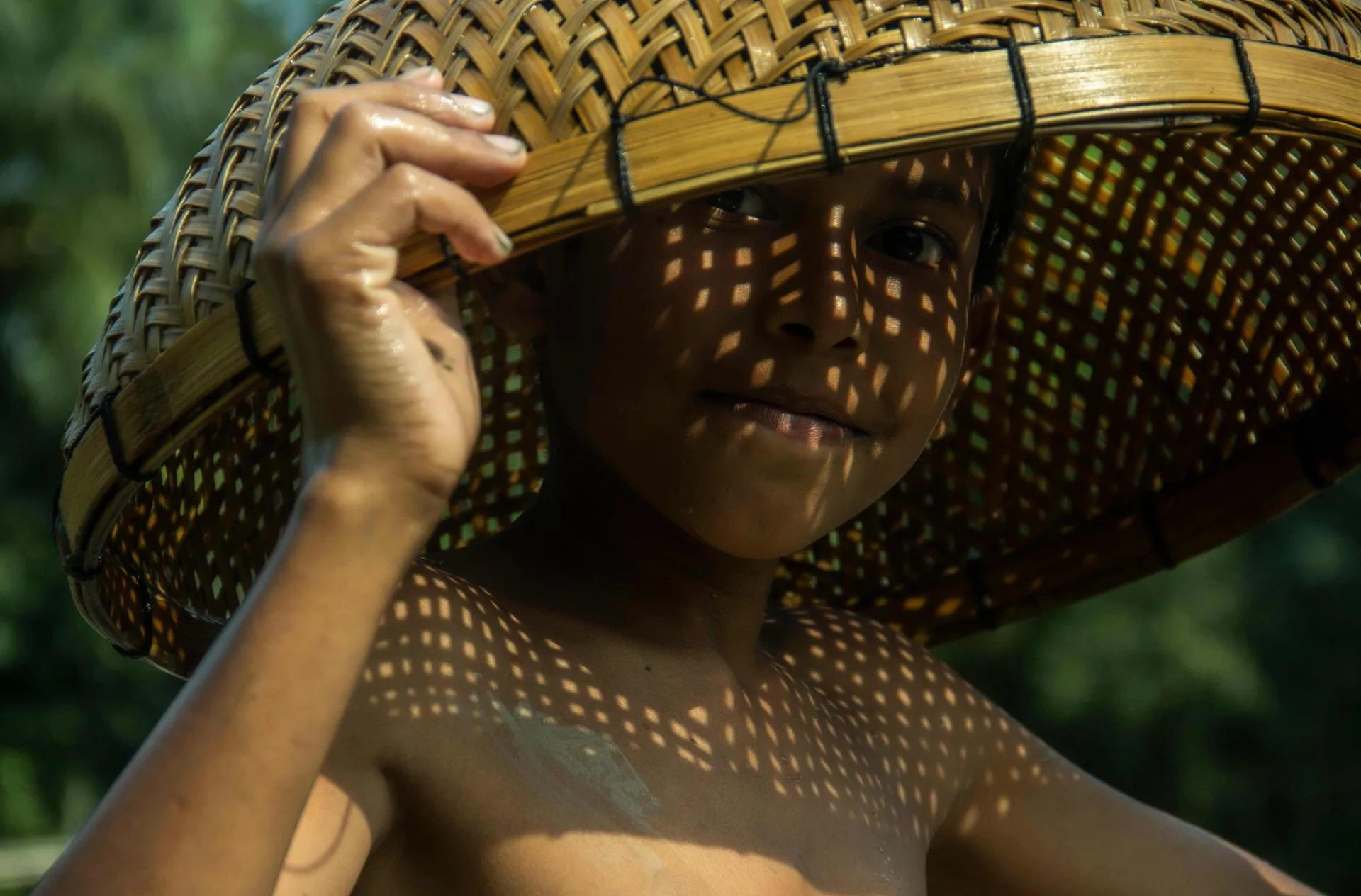
As noted by Hoque, in the region of South Asia, an estimated 21,800,000 children are engaged in employment, and child labour is a spreading phenomenon, particularly in less economically developed states. From the perspective of the People’s Republic of Bangladesh, child labour persists across the country. According to 2022 data from the Bangladesh Bureau of Statistics (BBS), a significant number of 1,776,097 children are engaged in child labour on a continuous basis in the South Asian nation.
In 2022, Bangladesh’s former State Minister of Labour and Employment, Begum Monnujan Sufian declared “Bangladesh’s goal to eliminate all forms of child labour by 2025”. The present paper aims to discover the efforts Bangladesh took in this regard through examining its endeavours at both the international and national sphere for the protection of children’s rights in connection to labour. Additionally, the document attempts to concisely shed light on two specific incidents that unfolded in Bangladesh, where the rights of children were threatened or violated in recent years.
Endeavours on the International Stage
Bangladesh ratified various international human rights treaties on the rights of children in a labour context. The earliest step taken in this regard was the ratification of the United Nations Convention on the Rights of the Child (UNCRC) on August 3rd, 1990, which is the cornerstone instrument of children’s freedoms and protections. Article 32 of the UNCRC emphasises the right of the child to be safeguarded from economic exploitation and from work that is potentially dangerous, hinders education, or detrimental to health or any form of development. Bangladesh also ratified ILO Convention No. 182 (C182) concerning the Worst Forms of Child Labour (1999) on March 12th, 2001. Article 1 of ILO C182 states the main purpose of the instrument, notably to ensure the prohibition and termination of child labour’s worst forms by taking urgent and effective actions. Furthermore, the most recent advancement of the South Asian nation in the sphere of children’s rights was the ratification of ILO Convention No. 138 (C138) concerning Minimum Age (1973) on March 22nd, 2022. Article 1 of ILO C138 details the primary objective, which is the elimination of child labour by setting the minimum age for work admission to a level that aligns with the full realisation of young persons’ physical and mental capacities through national policies. Additionally, Article 2(1) of ILO C138 specifies that upon ratification, Member States shall state in an attached declaration the minimum age for entry into employment within their territory. Bangladesh established the minimum age for admission to work at 14, which applies to a limited number of industries enlisted under Article 5(3) of ILO C138, inter alia, mining and quarrying, construction work, and manufacturing.
Domestic Measures to Safeguard Children
According to Al Imran, the Bangladesh Labour Act, 2006 (Labour Act), first enacted under the name Bangladesh Sram Ain, 2006, was published on October 11th, 2006, and subsequently amended in 2008, 2010 and 2013. It is the primary law governing the rights and duties of Bangladeshi employees and workers. The Preamble of the Labour Act states its main objectives, notably to revise and codify the regulations with respect to the employment of workers. This includes the relationship among employees and employers, setting of minimum wages, remuneration, compensation for workplace injuries, establishment of trade unions, resolution of labour disputes, health, safety, and the overall well-being of workers.
In the context of children, on the one hand, Chapter III, Section 34(1) of the Labour Act prohibits children from being employed or permitted to work under any circumstances. On the other hand, Section 34(2) allows adolescents to be employed, provided that they have obtained a certificate of fitness issued by a registered medical practitioner, which is in custody of the employer, and a token indicating that certificate is carried by the employee at work. According to Chapter I, Section 2(8) of the Labour Act, the term ‘adolescent’ entails an individual who has reached the age of 14 but has not yet reached the age of 18. Section 40(1) states that adolescents can only work at machinery if they were thoroughly informed of the risks and adequately trained to operate it or under the supervision of a person with comprehensive understanding of the machine’s functioning. Moreover, Section 41 of the Labour Act prescribes the limits of adolescents’ working hours and Section 42 forbids the underground or underwater employment of adolescents.
Apart from the enactment of the Labour Act, Bangladesh introduced the National Child Labour Elimination Policy 2010. As reported by the BBS, the instrument highlights the Government of Bangladesh’s commitment to abolish child labour within a set timeframe and secure their rights to education and other areas of their development. This was followed by the adoption of the National Children Policy 2011, which sets out steps in order to reduce child labour under Section 9. This includes actions such as securing the education of children outside working hours, ensuring their safety from physical, mental or sexual assault, and raising awareness concerning the negative impacts of child labour in general. Furthermore, Bangladesh enacted a new legislation called the Children Act 2013, formally titled as Shishu Ain, 2013. According to the 2013 legal commentary of former Honourable Justice Muhammad Imman Ali, who was a justice at the Appellate Division of the Supreme Court of Bangladesh, the document was passed with the primary aim of giving effect to the previously ratified UNCRC, focusing on safeguarding the rights of children.
Statistics on Child Labour
According to Hoque, the actual number of child workers in Bangladesh is difficult to estimate. The most recent credible statistics to rely on are provided in the Provisional Report of the National Child Labour Survey 2022 (NCLS 2022), published by the Bangladesh Bureau of Statistics, in collaboration with the ILO. Based on NCLS 2022 data, the total number of children between ages of five and 17 is 39,964,005. Out of this, the number of children working is 3,536,927, while 1,776,097 children are involved in child labour, and 1,068,212 children are engaged in hazardous child labour. The term ‘hazardous child labour’ stems from Article 3(d) of ILO C182, which refers to work that has the risk of harming the health, safety, or morals of children because of its inherent characteristics or the circumstances in which it is performed. The aforementioned data showcases that roughly one out of 23 children is subject to child labour, and approximately one in 37 falls victim to hazardous child labour in Bangladesh. Compared to 2013, when the total number of children in child labour was 1,698,894 and hazardous child labour was estimated at 1,280,195, a slight but positive decrease can be observed between the 2013 and 2022 statistics.
Furthermore, a clearly visible pattern emerges through analysing the separate economic areas in Bangladesh, notably broken down into urban and rural territories. Among the 39,964,005 children (30,349,052 rural; 9,614,953 urban) between the ages of five and 17, a substantial 2,725,400 children are economically active in rural areas, indicating roughly 6.82 percent of the total. In contrast, children in urban child labour make up only about 2.03 percent of the total, with a significantly lower number of 811,527 workers. This showcases that approximately nine percent of the children living in rural areas are involved in child labour while about eight percent from urban settings are engaged in it. According to Thévenon and Edmonds from the Organisation for Economic Co-operation and Development (OECD), child labour is simultaneously a consequence and a driver of persistent poverty. In Bangladesh, as noted in his End of mission statement, Olivier De Schutter, United Nations Special Rapporteur on extreme poverty and human rights, stated that by 2022 poverty has affected 20.5 percent of the rural inhabitants and 14.7 percent of Bangladeshis living in urban areas. Moreover, extreme poverty accounted for 6.5 percent among the rural population and 3.8 percent within the urban communities. Therefore, it comes as no surprise that child labour is more prevalent in the rural areas of Bangladesh, as these territories are more economically insecure compared to their urban counterparts.
Lastly, child labour can be analysed through the lens of gender. The NCLS 2022 reports that there are 2,734,044 boys and 802,883 girls in the context of working children. In terms of child labour, there are 1,374,154 male children and 401,943 female children involved in it. As for hazardous child labour, a figure of 895,195 boys and 173,017 girls is estimated. These data elucidate that male children in Bangladesh are disproportionately represented in all forms of work. This strongly aligns with global patterns, as 2020 data highlight that roughly 34,000,000 more boys are engaged in child labour than girls worldwide.
Violations of Children’s Labour Rights
There were multiple instances of child labour exploitation in Bangladesh throughout the years. The present paper covers two separate incidents, which both raised concerns regarding the upholding of children’s labour rights.
In July 2021, at minimum 17 children out of 52 workers died in a fire incident at the Hashem Foods Factory, on the outskirts of Dhaka, Bangladesh. According to Amnesty International, this was in part the consequence of the Labour Act allowing adolescents (children who are aged 14 or above) to engage in labour, thereby contravening the definition of a ‘child’ set out in the Children Act 2013 which implemented the UNCRC ratified by Bangladesh. Furthermore, Amnesty International claimed that the employment of children in the factory, where potential health and safety hazards were present, was also in violation of ILO C182 Article 3(d), which refers to work that has the risk of harming the health, safety, or morals of children because of its inherent characteristics or the circumstances in which it is performed.
A case study conducted by the Rights Lab at the University of Nottingham and GoodWeave International shed light on a 14 years old child’s story who has been working at a garment factory. According to her, she has been a victim of repeated verbal and physical abuse, along with her fellow workers. She stated that her employer often punishes her by hitting her on the back or slapping her on the head. Moreover, she is barred from taking breaks and has to work continuously during her usual shift of 15 hours. The testimony potentially violates several international and national children’s and labour rights frameworks. Although a well-detailed analysis is beyond the scope of this discussion, two specific breaches are presented here as examples. The lack of breaks and the immensely long shifts likely infringe Article 32 of the UNCRC, which emphasises the child’s right to be safeguarded from economic exploitation. Additionally, the aforementioned Article 3(d) of ILO C182, which ensures the safety of children at work, is also potentially violated, as the girl has fallen victim to physical and verbal abuse by her employer.
Conclusion
In conclusion, Bangladesh has made several notable efforts at both the international and national levels to advance in terms of the protection of children’s labour rights. As for the global endeavours, this includes, inter alia, the ratification of the UNCRC, the ILO C182, and the ILO C138, demonstrating the commitment of the country to international standards. In the context of national initiatives, Bangladesh enacted the cornerstone domestic instrument concerning labour rights, the Labour Act, which details the rights of children as well. It also implemented the National Child Labour Elimination Policy 2010 and the Children Act 2013, both of which are important steps aimed at contributing to the safeguarding of children. However, room for improvement still remains since the country has a high rate of children in the workforce, with 1,068,212 children engaged in hazardous child labour. This is further illustrated through several incidents where the rights of children were set aside through their exploitation, exposure to severe safety hazards, and subject to physical or verbal abuse.
Bibliography
Al Imran H, ‘Definition of Workers and Application of the Bangladesh Labour Act 2006: An Appraisal’ (2020) 9(1) E-Journal of International and Comparative Labour Studies.
Amnesty International, ’Bangladesh must stop violating labour rights and uphold corporate accountability’ (Amnesty International Public Statement, SA 13/7525/2023, 11 December 2023).
Bangladesh Bureau of Statistics, International Labour Organization, National Child Labour Survey 2022 (2023).
Bangladesh Labour Act 2006.
Bangladesh Legal Aid and Services Trust, Penal Reform International, The Children Act 2013: A Commentary by Justice Imman Ali (2013).
‘Bangladesh ratifies fundamental ILO Convention on child labour’ (International Labour Organization, 22 March 2022) <https://www.ilo.org/resource/news/bangladesh-ratifies-fundamental-ilo-convention-child-labour> accessed 15 September 2025.
Convention on the Rights of the Child (adopted 20 November 1989, entered into force 2 September 1990) UNGA Res 44/25.
De Schutter O, ‘End of mission statement: Visit to Bangladesh, 17-29 May 2023’ (Special Rapporteur on extreme poverty and human rights, 2023).
Edmonds E, Thévenon O, ‘Child labour: causes, consequences and policies to tackle it’ (2019) OECD Social, Employment and Migration Working Papers No. 235.
Hoque MM, ’A Critical Review of Bangladesh’s Child Labor Regulations and Policies’ (2024) 5 World Development Sustainability.
ILO Convention 138: Minimum Age Convention (adopted 26 June 1973, entered into force 19 June 1976).
ILO Convention 182: Worst Forms of Child Labour Convention (adopted 17 June 1999, entered into force 19 November 2000).
International Labour Organization, UNICEF, Child Labour: Global Estimates 2020, trends and the road forward (2021).
Kliuha A, Bosatta L, Schwarz K, ‘Modern slavery and child labour in Bangladesh’s garment sector: Documenting risks and informing solutions’ (University of Nottingham Research Lab, 2025).
Ministry of Labour and Employment, National Child Labour Elimination Policy 2010 (2010).
Ministry of Women and Children Affairs, National Children Policy 2011 (2011).
Ratifications for Bangladesh’ (International Labour Organization) <https://normlex.ilo.org/dyn/nrmlx_en/f?p=1000:11200:0::NO:11200:P11200_COUNTRY_ID:103500> accessed 15 September 2025.
‘Status of Treaties: Chapter 4: Human Rights’ (United Nations Treaty Collection) <https://treaties.un.org/Pages/ViewDetails.aspx?src=TREATY&mtdsg_no=IV-11&chapter=4&clang=_en> accessed 15 September 2025.