
Introduction
The accelerating global environmental crisis has forced legal systems worldwide to reconsider the anthropocentric foundations of law, in which nature is treated merely as property to be exploited. In response, an emerging legal paradigm, the recognition of nature itself as a legal person, has gained traction, particularly in jurisdictions with strong Indigenous legal traditions. New Zealand stands at the forefront of this movement, having granted legal personhood to natural entities such as the Whanganui River and Mount Taranaki (BBC, 2025; Resilience, 2025). As a pioneering example, New Zealand’s strategy illustrates the assimilation of Indigenous values into settler legal systems across the world.
These legal innovations represent a radical departure from conventional Western jurisprudence, merging Māori cosmological beliefs with statutory law. However, this development raises profound legal and philosophical questions: Can Western legal frameworks genuinely accommodate Indigenous worldviews? What are the implications of recognising mountains and rivers as legal persons, and does this truly shift power dynamics in favour of Indigenous governance and ecological protection?
This article examines New Zealand’s pioneering approach to the rights of nature, analysing how its legal system reconciles Indigenous rights with environmental jurisprudence. The country’s model is unique in that it does not merely impose legal protections from the top-down but instead embeds Māori customary law (tikanga) into statutory frameworks (Lightfoot, 2010; Joseph, Rakena, Jones, Sterling, & Rakena, 2019). The central argument posits that while New Zealand’s recognition of natural entities as legal persons is a groundbreaking step toward ecological justice, its effectiveness is contingent upon meaningful enforcement, genuine Indigenous authority, and the avoidance of tokenistic gestures. The discussion proceeds by first situating New Zealand’s legal revolution within broader international and domestic legal contexts before critically assessing its impacts and limitations.
International legal foundations of indigenous rights and the rights of nature
The rights of nature movement is not an isolated legal phenomenon but rather part of a growing global recognition that environmental degradation demands a fundamental thinking of legal personhood. Internationally, several key instruments have laid the groundwork for this shift. The United Nations Declaration on the Rights of Indigenous Peoples, for instance, explicitly acknowledges Indigenous peoples’ rights to self-determination and stewardship over their ancestral lands. This framework has been instrumental in pressuring states to incorporate Indigenous perspectives into environmental governance (UNDRIP, 2007). Similarly, the Convention on Biological Diversity emphasises the role of Indigenous knowledge in conservation, though its enforcement mechanisms remain weak (CBD, 1992). This gap highlights a recurring challenge: even when Indigenous ecological wisdom is formally acknowledged, without enforcement it often becomes just symbolic.
Beyond soft law, some states have constitutionalised the rights of nature. Ecuador’s 2008 Constitution was the first to explicitly recognise Mother Earth (Pachamama) as a legal person (Berros, 2015), while Bolivia’s 2010 Law of Mother Earth established legal mechanisms for nature’s protection (Villavicencio & Kotzé, 2018). However, these initiatives have faced criticism for their inconsistent implementation, often due to political resistance and economic pressures favouring extractive industries. A fundamental tension exists–a legal recognition of nature’s rights means little without the financial resources and political will to enforce it.
New Zealand’s approach differs in that it is deeply rooted in treaty-based negotiations with the Māori, particularly the 1840 Treaty of Waitangi, which obligates the Crown to protect Indigenous interests (Lightfoot, 2010; Joseph et al., 2019). According to this treaty, the Crown was granted full and complete sovereignty over New Zealand with the Māori to retain full possession of their Indigenous lands (Lightfoot, 2010). Unlike Ecuador or Bolivia, where the rights of nature were introduced through constitutional reforms, New Zealand’s advancements have emerged from settlements between the government and Māori tribes (iwi), resulting in previously negotiated legislation such as the 2017 Te Awa Tupua Act (Joseph et al., 2019). This distinction is pivotal: by grounding legal personhood in negotiated agreements, New Zealand’s model ensures Māori authority is embedded in enforcement mechanisms, offering a more sustainable alternative to top-down declarations. However, the long-term test will be whether the Crown genuinely shares power or merely co-opts Indigenous frameworks to legitimise existing governance structures.
Domestic Legal Innovations: From the Whanganui River to Mount Taranaki
New Zealand’s most significant contribution to the rights of nature movement is its recognition of specific natural entities as legal persons. The Whanganui River, known as Te Awa Tupua in Māori, became the first river in the world to be granted legal personhood in 2017 (Collins & Esterling, 2019; Resilience, 2025). This landmark legislation acknowledged the river as an “indivisible and living whole”, possessing “all the rights, powers, duties, and liabilities of a legal person” (Collins & Esterling, 2019). Two guardians (Te Pou Tupua) were appointed to represent its interests–one from the Crown and one from the Whanganui iwi (Collins & Esterling, 2019). This arrangement was not merely symbolic–it enabled the river to sue and be sued, creating an enforceable legal mechanism for its protection. The Whanganui River settlement represents a shift in environmental governance, proving that Western legal systems can adapt to recognise Indigenous relationships with nature. However, its true test will arrive when the river’s rights come into conflict with major economic interests, challenging New Zealand to prioritise ecological protection over development.
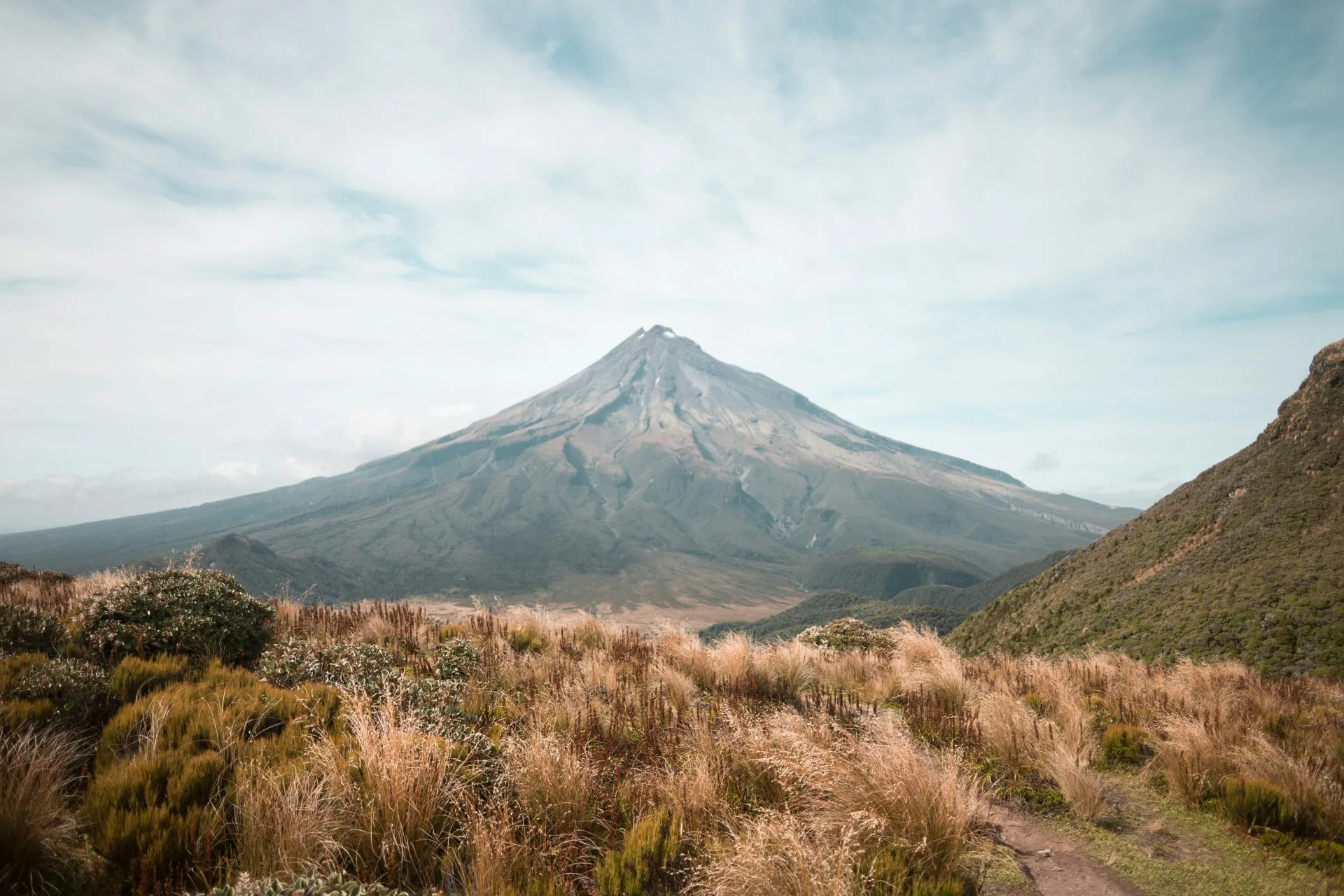
Building on this precedent, Mount Taranaki (Taranaki Maunga) was granted legal personhood in early 2025 in a landmark decision (BBC, 2025; Resilience, 2025), marking one of the most recent advancements in environmental jurisprudence. For the local Māori iwi, the mountain is not an inanimate object but an ancestor (tupuna), embodying spiritual and cultural significance (BBC, 2025; CNN, 2025). The agreement established a co-governance model, ensuring Māori participation in decision-making processes affecting the mountain. As a result, the mountain’s new legal protections aim to safeguard its natural environment. These rights will prevent unwanted development, revive cultural practices, and support ecosystem conservation while maintaining public visitation rights (CNN, 2025). Mount Taranaki’s recognition demonstrates how legal personhood can protect both ecological and cultural values, but its recent designation means the practical challenges of implementation–particularly in balancing conservation with public access–remain untested.
These legal developments reflect a deliberate effort to integrate Maori cosmology–particularly the concept of whakapapa (genealogical interconnectedness between humans and nature)–into statutory law (Joseph et al., 2019). Unlike conventional environmental regulations that treat nature as a resource, New Zealand’s approach acknowledges its intrinsic value. However, this fusion of Indigenous and Western legal concepts is not without tension. While Māori law views nature as kin, Western legal systems prioritise property rights and economic interests (Lightfoot, 2010). Bridging this divide requires more than recognition of legal personhood–it demands a fundamental restructuring of legal and political power.
Impacts, Challenges, and Criticisms of Legal Personhood for Nature
New Zealand’s recognition of natural entities as legal persons has undeniably reshaped environmental governance, but its implementation reveals both transformative potential and systemic limitations. One of the most significant impacts is the strengthening of Maori guardianship (kaitiakitanga) over ancestral lands. The 2017 Te Awa Tupua Act, which granted the Whanganui River legal personhood, established a co-governance model with two Te Pou Tupua guardians, which ensures Māori participation in decisions affecting the river and enables them to legally challenge threats like agricultural pollution (Collins & Esterling, 2019). While this marks a radical shift from top-down environmental management, its effectiveness hinges on whether Indigenous authority can withstand bureaucratic and corporate resistance.
Legal personhood has also set precedents for ecological litigation. The recognition of Whanganui River’s legal personhood in 2017 brought New Zealand’s longest-running court case to a closure (BBC, 2020). Subsequently, other states have followed suit in an effort to safeguard their own environment, such as India and Bangladesh. The Ganges and Yamuna rivers in India as well as rivers in Bangladesh, were granted legal personhood, although in India, the decision was later revoked (BBC, 2020). Similarly, the Mount Taranaki’s legal personhood designation in 2025 constitutes compensation for the immeasurable harms caused by the breaches of the 1840 Treaty through the confiscation of the mountain and more than a million acres of land from Māori in the 1860s (BBC, 2025).
Nevertheless, the framework faces significant challenges, particularly in enforcement. Despite its legal status, the Whanganui River continues to suffer from agricultural runoff, revealing a gap between legal personhood recognition and on-the-ground protection (Lurgio, 2019). Additionally, a deeper critique lies in the persistence of colonial power structures. While Māori perspectives are now embedded in law, ultimate decision-making often remains with the Crown, which can override Indigenous guardians in cases deemed to be of “national interest”, such as infrastructure projects (Morris & Ruru, 2010). This creates a contradiction: Indigenous worldviews are honoured in principle but marginalised in practice. Legal battles also favour corporations with financial resources, leaving Māori communities at a disadvantage in protracted court disputes (Morris & Ruru, 2010). This illustrates a broader dilemma: Can capitalist economies truly accommodate the rights of nature, or do they merely commodify Indigenous frameworks to maintain business-as-usual?
Critics, particularly Indigenous scholars, argue that legal personhood risks becoming a tokenistic concession rather than a step toward true sovereignty. While the Whanganui River can now sue, Māori still lack ownership of most of its catchment area, highlighting the disconnect between legal personhood recognition and land restitution (Morris & Ruru, 2010). This further raises the question whether Western law can ever fully embrace Māori customary law, which views nature as kin rather than a juridical entity (Joseph et. al., 2019).
Conclusion: A Revolutionary Yet Imperfect Model
New Zealand’s legal revolution challenges anthropocentric jurisprudence, offering a blueprint for reconciling Indigenous rights with environmental protection. Its greatest strength lies in its foundation in negotiated agreements, which center Māori governance rather than treating it as an advisory afterthought. However, the framework’s limitations–enforcement gaps, persistent colonial power imbalances, and economic conflicts–reveal the difficulty of transforming legal theory into tangible ecological and cultural justice.
For legal personhood to fulfil its promise, New Zealand must address these structural barriers, potentially through Indigenous-led enforcement agencies, stiffer penalties for polluters, and the transfer of full governance authority to iwi. The broader lesson for the global rights of the natural environment is clear: legal innovation must be accompanied by systemic economic and political change. If mountains and rivers are to be recognised as persons, societies must move beyond the commodification toward kinship–a shift requiring not just amendment or enactment of laws, but raising awareness of humanity’s relationship with the natural world.
Bibliography
BBC News. (2020, March 20). The New Zealand river that became a legal person. https://www.bbc.com/travel/article/20200319-the-new-zealand-river-that-became-a-legal-person [accessed June 9, 2025]
BBC News. (2025, January 30). New Zealand’s Mount Taranaki gains legal personhood. https://www.bbc.com/news/articles/czep8gg5lx4o [accessed June 9, 2025]Berros, M. V. (2015). The Constitution of the
Republic of Ecuador: Pachamama has rights. Arcadia, 11. Rachel Carson Center for Environment and Society. https://doi.org/10.5282/rcc/7131
Collins, T., & Esterling, S. (2019). Fluid personality: Indigenous rights and the Te Awa Tupua (Whanganui River Claims Settlement) Act 2017 in Aotearoa New Zealand. Melbourne Journal of International Law, 20(1), 197-220.
Joseph, R., Rakena, M., Jones, M. T. K., Sterling, R., & Rakena, C. (2019). The Treaty, tikanga Māori, ecosystem-based management, mainstream law and power sharing for environmental integrity in Aotearoa New Zealand: Possible ways forward Waikato, Print, University of Waikato.
Lightfoot, S. R. (2010). Emerging international indigenous rights norms and “over-compliance” in New Zealand and Canada. Political Science, 62(1), 84-104.
Lurgio, J. (2019, November 29). Saving the Whanganui: Can personhood rescue a river? The Guardian. https://www.theguardian.com/world/2019/nov/30/saving-the-whanganui-can-personhood-rescue-a-river [accessed June 9, 2025]
Morris, J. D. K., & Ruru, J. (2010). Giving Voice to Rivers: Legal Personality as a Vehicle for Recognising Indigenous Peoples’ Relationship to Water? Australian Indigenous Law Review, 14(2), 49–62.
Resilience.org. (2025, June 2). How the rights of nature movement is reshaping law and culture. https://www.resilience.org/stories/2025-06-02/how-the-rights-of-nature-movement-is-reshaping-law-and-culture/ [accessed June 9, 2025]
United Nations General Assembly. (2007). United Nations Declaration on the Rights of Indigenous Peoples (Resolution A/RES/61/295). https://www.un.org/development/desa/indigenouspeoples/declaration-on-the-rights-of-indigenous-peoples.html [accessed June 10, 2025]
United Nations Environment Programme. (1992). Convention on Biological Diversity. https://treaties.un.org/pages/ViewDetails.aspx?src=TREATY&mtdsg_no=XXVII-8&chapter=27&clang=_en [accessed June 10, 2025]
Villavicencio, P. Calzadilla, & Kotzé, L. J. (2018). Living in harmony with nature? A critical appraisal of the rights of Mother Earth in Bolivia. Transnational Environmental Law, 7(3), 397-424.