Reports
The Plight of the Rohingya People in Myanmar – A Human Rights and Humanitarian Crisis
- Alexandra Posta
- 6 April 2024
In the heart of Southeast Asia lies a tragic tale that has gripped the world’s attention – the relentless suffering of the Rohingya people in Myanmar. Their story epitomises one of the most pressing and complex human rights and humanitarian crises of our time. For decades, the Rohingya minority has faced systemic discrimination, violence, and displacement within their homeland, driving them to flee as refugees to neighbouring countries, including India and Bangladesh. The Rohingyaare a predominantly Muslim ethnic group residing in the Rakhine State of western Myanmar. Denying them citizenship and basic human rights, the Myanmar government has effectively rendered the Rohingya stateless, leaving them vulnerable to a range of abuses. This situation has escalated into a brutal cycle of violence, displacement, and human suffering that continues to unfold before the eyes of the international community.
Myanmar, a nation of diverse ethnic groups, has been grappling with internal conflicts for decades. A backdrop of historical tensions and unresolved conflicts have fueled a state-sanctioned campaign of violence against the Rohingya. The core issues faced by the Rohingya people are deeply rooted in discrimination, prejudice, and political complexities. They have been subjected to an alarming cycle of systemic oppression: systematic denial of citizenship, severe restrictions on movement, pervasive discrimination and prejudice, arbitrary arrests and detentions, forced labour and exploitation, brutal violence and extrajudicial killings, sexual and gender-based violence, and the deliberate destruction of their property. During recent times, three major waves of violence unleashed against the Rohingya can be identified: 2012,2016, and 2017. One of the most notorious chapters of this crisis unfolded in August 2017, when Myanmar’s military launched a brutal crackdown on the Rohingya population. These horrifying events forced hundreds and thousands of Rohingya to flee for their lives, crossing treacherous borders into neighbouring countries in search of safety and refuge.
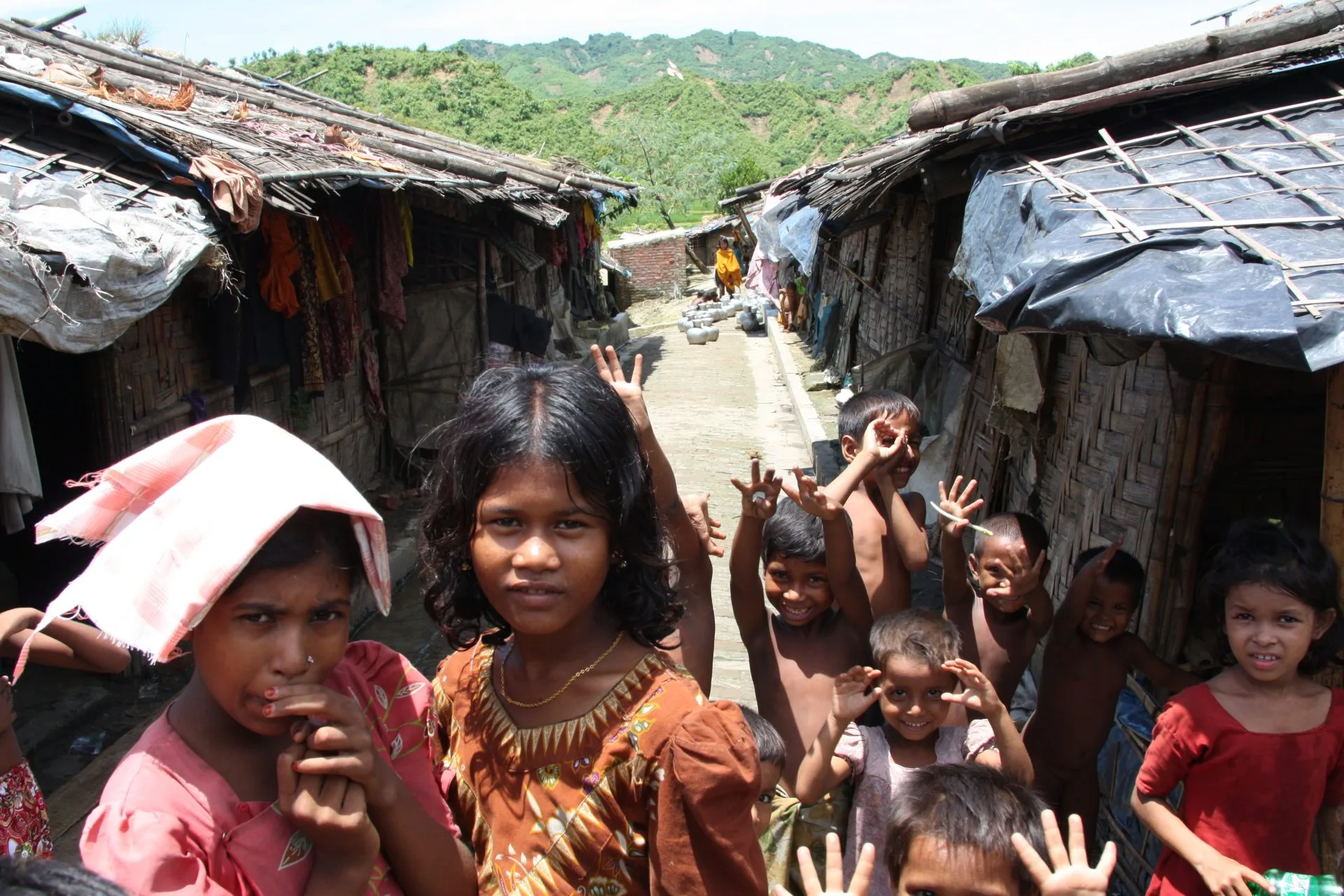
Bangladesh and India have been the primary destinations for Rohingya refugees escaping Myanmar’s violence. The Cox’s Bazar district in Bangladesh, home to the world’s largest refugee camp, Kutupalong, has become a symbol of the desperation and endurance of the Rohingya people. In India, Rohingya refugees face an uncertain future, often residing in informal settlements and facing the risk of deportation due to the lack of legal recognition and protection. As refugees, the Rohingya confront further adversities, including limited legal protection, inadequate living conditions, heightened risks of exploitation and trafficking, xenophobia, psychological trauma, family separation, lack of documentation, and the fear of forced repatriation to Myanmar, compounding their dire situation.
These systemic abuses have created an environment where the Rohingya are subjected to severe human rights violations. The international community has reacted with a mixture of condemnation, humanitarian aid, and diplomatic efforts to address the Rohingya crisis. However, challenges persist as key players struggle to find lasting solutions that uphold the rights and dignity of this persecuted minority. Human rights organisations, non-governmental organisations (NGOs), international organizations and activists have rallied together to shed light on the crisis, advocate for the Rohingya’s rights, and demand accountability for the atrocities committed against them.
This report sheds light on the harrowing issues faced by the Rohingya community, exploring the deeply rooted factors contributing to their plight, the atrocities inflicted upon them, and the desperate journeys they undertake in search of safety. As this report delves into the multifaceted issues faced by the Rohingya people, it offers a comprehensive understanding of the human rights violations and humanitarian challenges that have plagued their lives for generations. By examining the root causes, historical context, and current realities of this crisis, we can collectively strive to foster empathy, raise awareness, and promote actions that uphold the dignity and rights of the Rohingya people. Only through concerted global effort can we hope to bring an end to their suffering and pave the way toward a more just and compassionate world.
Myanmar, a nation of diverse ethnic groups, has been grappling with internal conflicts for decades. A backdrop of historical tensions and unresolved conflicts have fueled a state-sanctioned campaign of violence against the Rohingya. The core issues faced by the Rohingya people are deeply rooted in discrimination, prejudice, and political complexities. They have been subjected to an alarming cycle of systemic oppression: systematic denial of citizenship, severe restrictions on movement, pervasive discrimination and prejudice, arbitrary arrests and detentions, forced labour and exploitation, brutal violence and extrajudicial killings, sexual and gender-based violence, and the deliberate destruction of their property. During recent times, three major waves of violence unleashed against the Rohingya can be identified: 2012,2016, and 2017. One of the most notorious chapters of this crisis unfolded in August 2017, when Myanmar’s military launched a brutal crackdown on the Rohingya population. These horrifying events forced hundreds and thousands of Rohingya to flee for their lives, crossing treacherous borders into neighbouring countries in search of safety and refuge.
Bangladesh and India have been the primary destinations for Rohingya refugees escaping Myanmar’s violence. The Cox’s Bazar district in Bangladesh, home to the world’s largest refugee camp, Kutupalong, has become a symbol of the desperation and endurance of the Rohingya people. In India, Rohingya refugees face an uncertain future, often residing in informal settlements and facing the risk of deportation due to the lack of legal recognition and protection. As refugees, the Rohingya confront further adversities, including limited legal protection, inadequate living conditions, heightened risks of exploitation and trafficking, xenophobia, psychological trauma, family separation, lack of documentation, and the fear of forced repatriation to Myanmar, compounding their dire situation.
These systemic abuses have created an environment where the Rohingya are subjected to severe human rights violations. The international community has reacted with a mixture of condemnation, humanitarian aid, and diplomatic efforts to address the Rohingya crisis. However, challenges persist as key players struggle to find lasting solutions that uphold the rights and dignity of this persecuted minority. Human rights organisations, non-governmental organisations (NGOs), international organizations and activists have rallied together to shed light on the crisis, advocate for the Rohingya’s rights, and demand accountability for the atrocities committed against them.
This report sheds light on the harrowing issues faced by the Rohingya community, exploring the deeply rooted factors contributing to their plight, the atrocities inflicted upon them, and the desperate journeys they undertake in search of safety. As this report delves into the multifaceted issues faced by the Rohingya people, it offers a comprehensive understanding of the human rights violations and humanitarian challenges that have plagued their lives for generations. By examining the root causes, historical context, and current realities of this crisis, we can collectively strive to foster empathy, raise awareness, and promote actions that uphold the dignity and rights of the Rohingya people. Only through concerted global effort can we hope to bring an end to their suffering and pave the way toward a more just and compassionate world.
✨ AI summary
In the heart of Southeast Asia lies a tragic tale that has gripped the world’s attention – the relentless suffering of the Rohingya people in Myanmar. Their story epitomises one of the most pressing and complex human rights and humanitarian crises of our time. For decades, the Rohingya minority has faced systemic discrimination, violence, and displacement within their homeland, driving them to flee as refugees to neighbouring countries, including India and Bangladesh. The Rohingyaare a predominantly Muslim ethnic group residing in the Rakhine State of western Myanmar. Denying them citizenship and basic human rights, the Myanmar government has effectively rendered the Rohingya stateless, leaving them vulnerable to a range of abuses. This situation has escalated into a brutal cycle of violence, displacement, and human suffering that continues to unfold before the eyes of the international community.
Myanmar, a nation of diverse ethnic groups, has been grappling with internal conflicts for decades. A backdrop of historical tensions and unresolved conflicts have fueled a state-sanctioned campaign of violence against the Rohingya. The core issues faced by the Rohingya people are deeply rooted in discrimination, prejudice, and political complexities. They have been subjected to an alarming cycle of systemic oppression: systematic denial of citizenship, severe restrictions on movement, pervasive discrimination and prejudice, arbitrary arrests and detentions, forced labour and exploitation, brutal violence and extrajudicial killings, sexual and gender-based violence, and the deliberate destruction of their property. During recent times, three major waves of violence unleashed against the Rohingya can be identified: 2012,2016, and 2017. One of the most notorious chapters of this crisis unfolded in August 2017, when Myanmar’s military launched a brutal crackdown on the Rohingya population. These horrifying events forced hundreds and thousands of Rohingya to flee for their lives, crossing treacherous borders into neighbouring countries in search of safety and refuge.
Bangladesh and India have been the primary destinations for Rohingya refugees escaping Myanmar’s violence. The Cox’s Bazar district in Bangladesh, home to the world’s largest refugee camp, Kutupalong, has become a symbol of the desperation and endurance of the Rohingya people. In India, Rohingya refugees face an uncertain future, often residing in informal settlements and facing the risk of deportation due to the lack of legal recognition and protection. As refugees, the Rohingya confront further adversities, including limited legal protection, inadequate living conditions, heightened risks of exploitation and trafficking, xenophobia, psychological trauma, family separation, lack of documentation, and the fear of forced repatriation to Myanmar, compounding their dire situation.
These systemic abuses have created an environment where the Rohingya are subjected to severe human rights violations. The international community has reacted with a mixture of condemnation, humanitarian aid, and diplomatic efforts to address the Rohingya crisis. However, challenges persist as key players struggle to find lasting solutions that uphold the rights and dignity of this persecuted minority. Human rights organisations, non-governmental organisations (NGOs), international organizations and activists have rallied together to shed light on the crisis, advocate for the Rohingya’s rights, and demand accountability for the atrocities committed against them.
This report sheds light on the harrowing issues faced by the Rohingya community, exploring the deeply rooted factors contributing to their plight, the atrocities inflicted upon them, and the desperate journeys they undertake in search of safety. As this report delves into the multifaceted issues faced by the Rohingya people, it offers a comprehensive understanding of the human rights violations and humanitarian challenges that have plagued their lives for generations. By examining the root causes, historical context, and current realities of this crisis, we can collectively strive to foster empathy, raise awareness, and promote actions that uphold the dignity and rights of the Rohingya people. Only through concerted global effort can we hope to bring an end to their suffering and pave the way toward a more just and compassionate world.
Myanmar, a nation of diverse ethnic groups, has been grappling with internal conflicts for decades. A backdrop of historical tensions and unresolved conflicts have fueled a state-sanctioned campaign of violence against the Rohingya. The core issues faced by the Rohingya people are deeply rooted in discrimination, prejudice, and political complexities. They have been subjected to an alarming cycle of systemic oppression: systematic denial of citizenship, severe restrictions on movement, pervasive discrimination and prejudice, arbitrary arrests and detentions, forced labour and exploitation, brutal violence and extrajudicial killings, sexual and gender-based violence, and the deliberate destruction of their property. During recent times, three major waves of violence unleashed against the Rohingya can be identified: 2012,2016, and 2017. One of the most notorious chapters of this crisis unfolded in August 2017, when Myanmar’s military launched a brutal crackdown on the Rohingya population. These horrifying events forced hundreds and thousands of Rohingya to flee for their lives, crossing treacherous borders into neighbouring countries in search of safety and refuge.
Bangladesh and India have been the primary destinations for Rohingya refugees escaping Myanmar’s violence. The Cox’s Bazar district in Bangladesh, home to the world’s largest refugee camp, Kutupalong, has become a symbol of the desperation and endurance of the Rohingya people. In India, Rohingya refugees face an uncertain future, often residing in informal settlements and facing the risk of deportation due to the lack of legal recognition and protection. As refugees, the Rohingya confront further adversities, including limited legal protection, inadequate living conditions, heightened risks of exploitation and trafficking, xenophobia, psychological trauma, family separation, lack of documentation, and the fear of forced repatriation to Myanmar, compounding their dire situation.
These systemic abuses have created an environment where the Rohingya are subjected to severe human rights violations. The international community has reacted with a mixture of condemnation, humanitarian aid, and diplomatic efforts to address the Rohingya crisis. However, challenges persist as key players struggle to find lasting solutions that uphold the rights and dignity of this persecuted minority. Human rights organisations, non-governmental organisations (NGOs), international organizations and activists have rallied together to shed light on the crisis, advocate for the Rohingya’s rights, and demand accountability for the atrocities committed against them.
This report sheds light on the harrowing issues faced by the Rohingya community, exploring the deeply rooted factors contributing to their plight, the atrocities inflicted upon them, and the desperate journeys they undertake in search of safety. As this report delves into the multifaceted issues faced by the Rohingya people, it offers a comprehensive understanding of the human rights violations and humanitarian challenges that have plagued their lives for generations. By examining the root causes, historical context, and current realities of this crisis, we can collectively strive to foster empathy, raise awareness, and promote actions that uphold the dignity and rights of the Rohingya people. Only through concerted global effort can we hope to bring an end to their suffering and pave the way toward a more just and compassionate world.
Share this report
Facebook
X
LinkedIn
WhatsApp