
The European Commission organised a Civil Society Dialogue on 8 June 2026 to discuss key developments concerning the revised Generalised Scheme of Preferences (GSP) Regulation, which is expected to enter into force on 1 January 2027. The dialogue brought together stakeholders from across civil society to exchange views on the proposed framework, highlighting both areas of support and concern. The discussion underscored the importance of stakeholder engagement and the role of civil society input in informing future developments within the GSP framework.
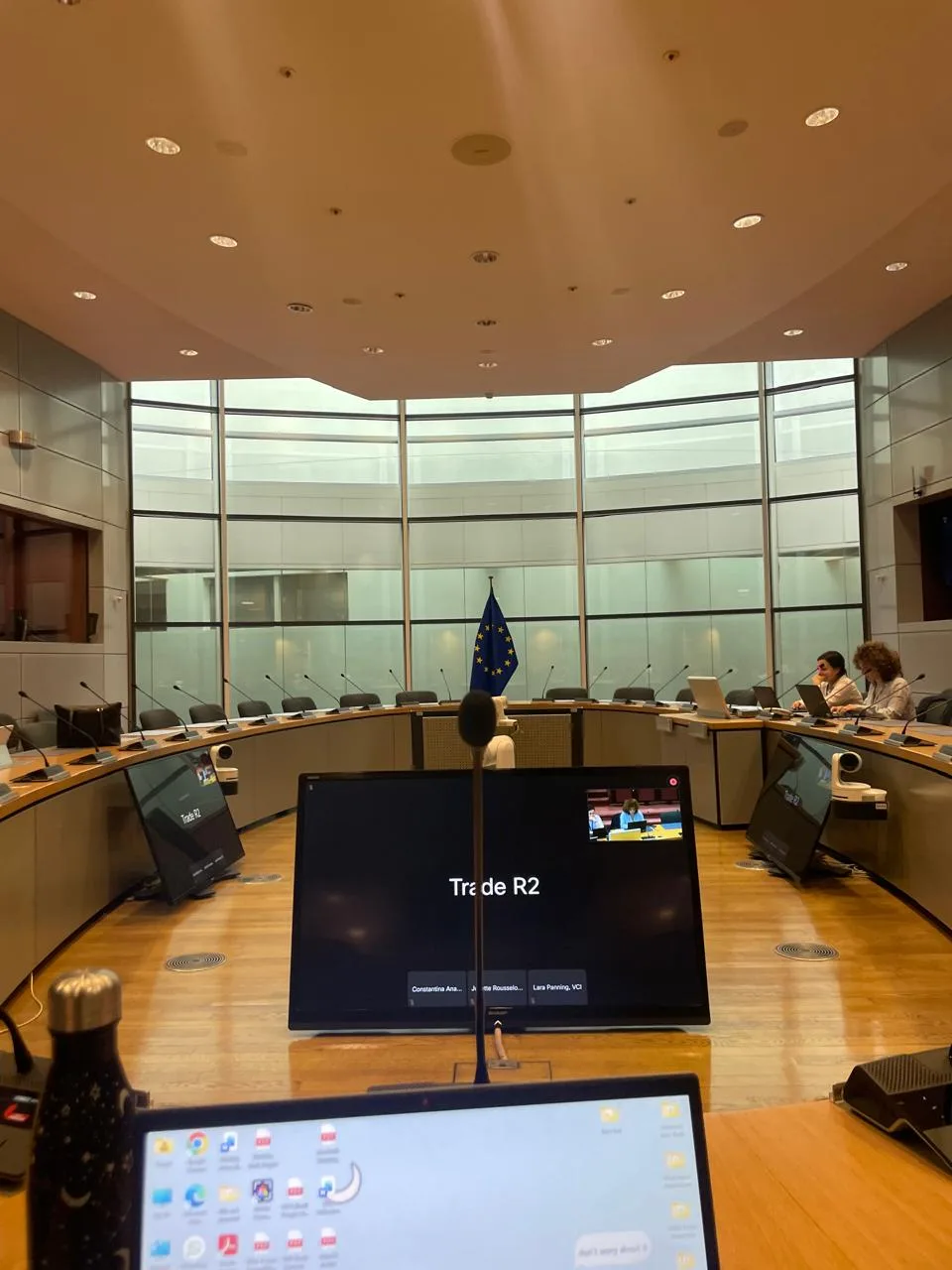
As preparations continue for the entry into force of the new Generalised Scheme of Preferences (GSP) Regulation on 1 January 2027, the European Commission held a Civil Society Dialogue (CSD) last week on 8 June 2026 to discuss key developments and exchange views with stakeholders.
Key Highlights:
- This year marks the 25th anniversary of the Everything But Arms (EBA) scheme, reflecting the European Union’s continued commitment to developing countries. Currently, 65 countries benefit from the GSP framework, including 8 beneficiaries under GSP+.
- While most provisions of the proposed regulation remain unchanged, the framework places greater emphasis on compliance with international conventions and strengthens the withdrawal procedure. It also introduces adjustments to GSP+ eligibility criteria, includes a readmission-related provision, and provides additional tools to address market disruptions, particularly in the agricultural sector. Nevertheless, the overall level of reform remains relatively limited.
- During the dialogue, the Commission indicated that the latest GSP Monitoring Report is expected to be published in July, 2026.
Jörg Wojahn, Head of Unit for Bilateral Relations in Trade and Sustainable Development and the Generalised Scheme of Preferences at the Directorate-General for Trade and Economic Security (DG TRADE), European Commission, chaired the meeting and outlined the key developments expected under the revised regulation. He emphasised that the European Commission’s approach is centred on continuity and gradual improvements rather than far-reaching reforms. Most of the detailed provisions are expected to be published in the forthcoming regulation on 22 June. The proposed framework seeks to streamline procedures where possible while maintaining a balanced and evidence-based approach.
The revised framework will also introduce a temporary withdrawal mechanism, including an urgency withdrawal procedure. In addition, the updated application and readmission procedures contain several new provisions that are expected to have practical implications for GSP+ beneficiaries that have not yet ratified all the required international conventions. Under the proposed framework, GSP+ applicants will be required to submit an action plan outlining how they intend to ratify and implement the relevant conventions. This requirement is expected to be formally codified in the updated regulation. A two-year transition period is foreseen for current GSP+ beneficiaries, during which they will have the opportunity to submit a new application under the revised framework. Throughout this transitional phase, beneficiaries will continue to enjoy the existing preferences and benefits provided under the current regulation. He further noted that applicants are familiar with the conditions and requirements of the reapplication procedure, helping to ensure a streamlined and efficient application process.
Several current GSP beneficiaries are also expected to transition to alternative trade arrangements over time. Indonesia, for instance, is anticipated to move towards the preferences and market access opportunities provided under its forthcoming Free Trade Agreement (FTA) with the European Union. Similarly, countries such as the Philippines, whose FTA negotiations are approaching conclusion, and India, whose agreement remains under the process of ratification, may increasingly rely on bilateral trade arrangements in the future, reducing their long-term dependence on the GSP framework. For some beneficiary countries, such as Bangladesh, broader discussions remain ongoing at the international level, including within the United Nations framework, which may influence their future position under the GSP scheme. On GSP monitoring, he highlighted that progress reports will continue to be published on a regular basis. The monitoring report covering the period 2023–2025 is expected to be published in June–July and will remain open to external input from stakeholders as part of the monitoring process.
The presentation was followed by a question-and-answer session during which participants raised concerns regarding the proposed readmission tool, with several stakeholders questioning its necessity and potential application. In contrast, the introduction of the Plan of Action for GSP+ applicants was broadly welcomed by civil society representatives as a positive step towards strengthening compliance with international conventions. Participants also raised concerns regarding the continued inclusion of certain beneficiary countries under the GSP+ scheme.
In particular, several speakers criticised Pakistan’s blasphemy laws and questioned the compatibility of such legislation with the human rights commitments underpinning GSP+ eligibility. More broadly, participants called for a stronger and more consistent focus on countries facing persistent human rights challenges, emphasising the importance of effective monitoring and enforcement mechanisms within the framework. The situation in Myanmar was also discussed during the exchange. Representatives of the European Commission reiterated that the European Union’s position remains unchanged. It was noted that the current approach is guided by the objective of ensuring that trade continues to benefit the Myanmar population while limiting support for the military authorities. Accordingly, the existing policy framework remains in place.
Lastly, as the revised GSP framework moves closer to adoption, the dialogue offered valuable insights into both the opportunities and challenges associated with its implementation. The exchange underscored the importance of maintaining an effective balance between trade preferences, sustainable development objectives, and compliance with international commitments.