
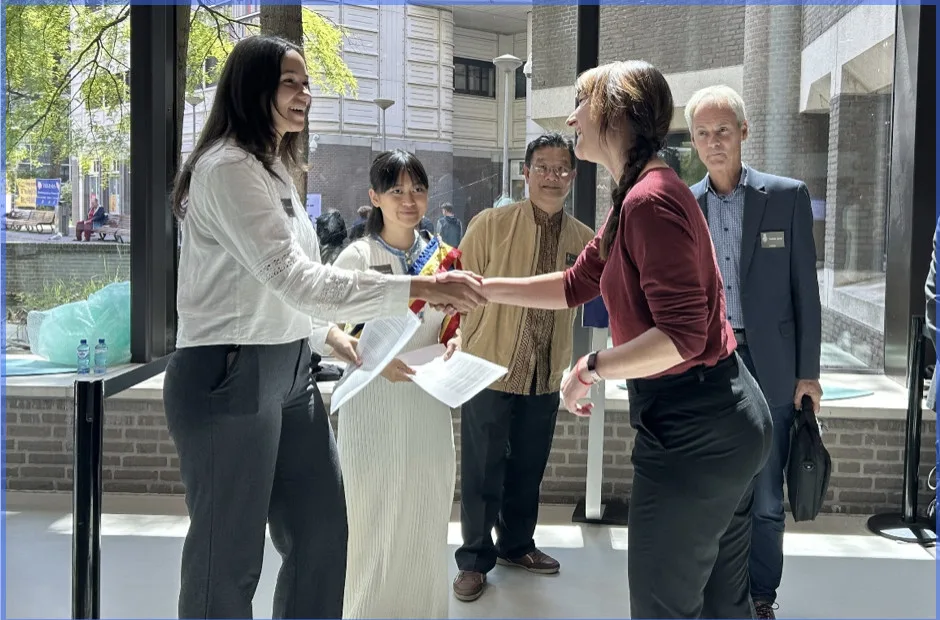
On June 16th, 2026, Global Human Rights Defence, alongside Khmer-Krom Foundation, delivered a statement to the Dutch Parliament to raise awareness about the impact of climate change on the Indigenous Khmer-Krom people residing in Vietnam’s Mekong Delta.
Indeed, the Netherlands and Vietnam have a long-standing strategic partnership on water management, agricultural transformation, and Mekong Delta climate resilience.
The Khmer-Krom are Indigenous to the Mekong Delta, known to them as Kampuchea-Krom. Their identity is rooted in ancestral land, the Khmer language, Theravada Buddhist temples, and community institutions. Vietnam classifies them as an ethnic minority rather than recognising them as Indigenous Peoples, which weakens their ability to demand Free, Prior, and Informed Consent (FPIC) in development and climate projects.
Key Highlights:
- The Mekong Delta is among the most climate-vulnerable regions globally. Rising sea levels, saltwater intrusion, land subsidence, drought, and coastal erosion are already destroying farmland, contaminating freshwater sources, and threatening the livelihoods of millions. These are not future risks; they are realities that communities are experiencing today.
- For the Khmer-Krom, climate change constitutes not only an environmental challenge but also a human rights concern. As crops fail and farmland succumbs to salinity and erosion, many families face debt, migration, and economic insecurity. Displacement from ancestral lands further endangers the preservation of language, cultural traditions, and spiritual connections rooted in Khmer-Krom Buddhist temples and community life.
- Despite being among the most affected, Khmer-Krom communities are largely excluded from decision-making processes concerning climate adaptation and development projects in the Mekong Delta. International climate investments and resilience programs must benefit those living on the frontlines of the crisis. Meaningful participation, transparency, and consultation of Khmer-Krom communities are essential to ensuring that climate action upholds human rights and includes all communities.
GHRD asked the Dutch Parliament to support a human rights-based approach to climate cooperation with Vietnam. This approach should ensure that climate and development initiatives foster meaningful community participation, transparency, and accountability, and that vulnerable Indigenous communities are fully considered in adaptation planning.
Climate resilience cannot be realised if the perspectives of affected communities are excluded from decision-making. Safeguarding the rights of Indigenous People is essential to effectively addressing the climate crisis.