
A public hearing at the European Parliament on 18 March 2026 shed light on mounting evidence that third-country nationals are being coerced, deceived, and trafficked into fighting in Russia’s war of aggression against Ukraine, raising urgent concerns over human trafficking, accountability, and international security.
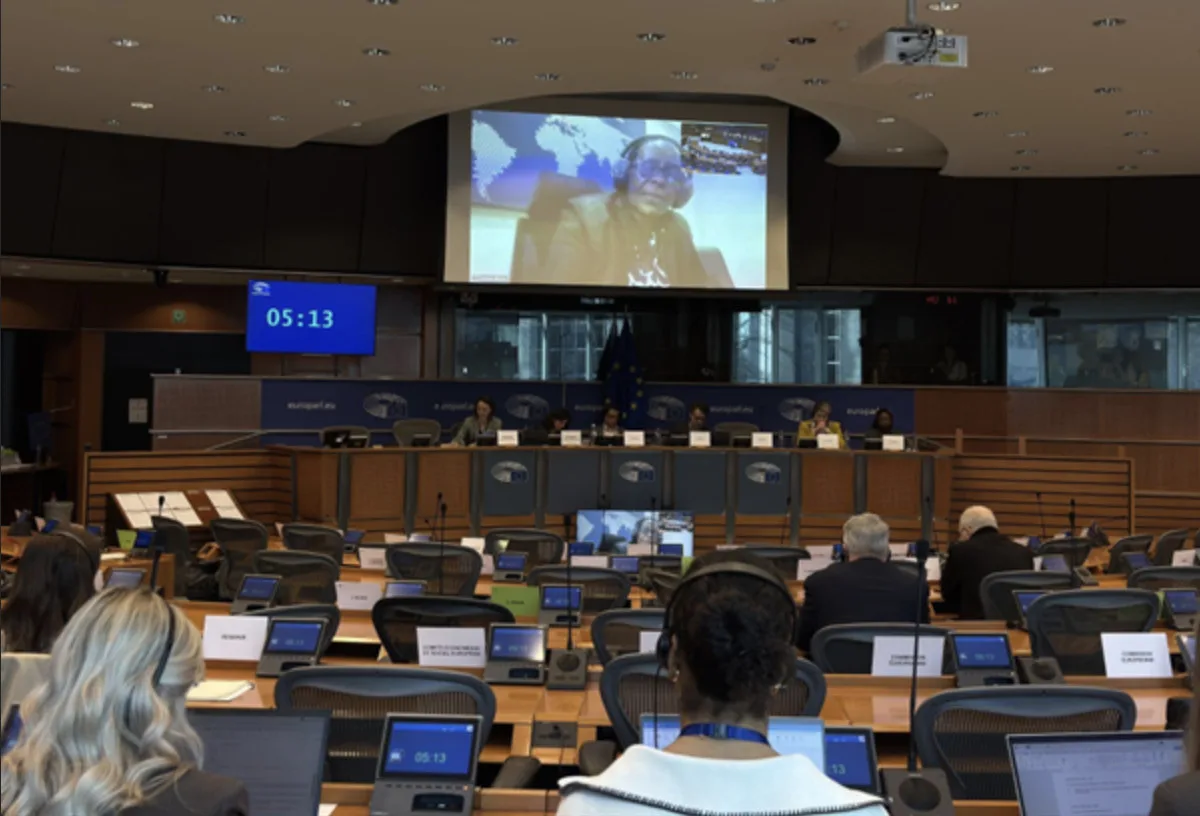
On 18 March 2026, the European Parliament’s Subcommittee on Human Rights (DROI), in association with the Delegation to the EU-Russia Parliamentary Cooperation Committee and the Delegation to the EU-Ukraine Parliamentary Association Committee, convened a public hearing on the forced recruitment of third-country nationals into Russia’s war of aggression against Ukraine. The hearing follows the adoption of a European Parliament resolution on 12 March 2026 addressing human trafficking and grave human rights violations linked to the recruitment of non-Russian nationals.
Chairperson Mounir Satouri emphasised the urgency of addressing this evolving dimension of the conflict, situating the discussion within a broader framework of human rights violations and international accountability.
Growing Evidence of Coercion, Deception, and Exploitation
Ville Niinistö, Chair of the Delegation to the EU-Russia Parliamentary Cooperation Committee, noted that the war has entered its fifth year, with increasing evidence that Moscow is resorting to extortion, coercion, and deceptive practices to sustain its military capacity. Migrants residing in Russia are reportedly pressured to enlist under threats of deportation or incentivised through promises of fast-tracked citizenship, reflecting what Niinistö described as the instrumentalisation of human beings as commodities of war.
Pekka Toveri, Chair of the Delegation to the EU-Ukraine Parliamentary Association Committee, highlighted Russia’s longstanding practice of exploiting vulnerable populations for military purposes. He pointed to growing casualty rates and diminishing recruitment capacity within Russia, contributing to the increasing reliance on third-country nationals.
Human Trafficking Framework and Legal Qualification
Maria Tomak, a Ukrainian human rights expert at Truth Hounds NGO, presented evidence indicating that many foreign recruits are victims of human trafficking, often deceived by fraudulent employment schemes. She emphasised that under the Palermo Protocol, consent obtained through deception is legally invalid, reinforcing the classification of such recruitment practices as trafficking.
Tomak further warned of potential long-term risks, including the movement of individuals previously involved in combat into the European Union as migrant workers, raising both human rights and security considerations.
Testimony of Victims and Affected Families
Bibiana Waithaka, a Kenyan mother, recounted the death of her son, who had been lured to Russia under false pretences of employment and subsequently forced into military service. Her testimony described coercion, inhumane conditions, and the absence of accountability following his death.
“My son died in a war that was not his,” she stated, calling for recognition, compensation, and justice for affected families. Her intervention highlighted the human cost of these recruitment practices and the lack of effective remedies for victims and their relatives.
Investigative Findings on Recruitment Networks
Kenyan journalist Rosemary Tollo presented findings from her investigations into recruitment networks targeting African nationals. She identified both semi-formal and informal recruitment channels, often exploiting economic vulnerability and high youth unemployment.
Contracts provided in Russian, limited training, and restricted access to wages further underscored the exploitative nature of these arrangements. Testimonies from survivors characterised these contracts not as employment opportunities, but as irreversible commitments to combat.
Scale and Methods of Recruitment
Andrij Jusov, spokesperson for the Directorate of Intelligence of the Ukrainian Ministry of Defence, estimated that over 27,000 foreign nationals are currently involved in Russia’s armed forces, with recruitment numbers rising sharply in recent years.
He identified bribery, promises of salary, and offers of citizenship as key recruitment mechanisms, alongside the enlistment of prisoners. Jusov emphasised the importance of international cooperation in preventing further exploitation and ensuring accountability.
EU and International Response
Members of the European Parliament and EU officials reiterated the need for coordinated action. Interventions highlighted the importance of awareness-raising in affected countries, dismantling recruitment networks, ensuring dignified repatriation of foreign combatants, and pursuing accountability at the international level.
Calls were also made to strengthen cooperation between the European Union and partner countries, particularly in Africa, to prevent further recruitment and protect vulnerable populations.
Conclusion
The hearing underscored a growing and deeply concerning pattern of human trafficking and exploitation linked to Russia’s war of aggression against Ukraine. It reinforced the need for a coordinated international response that prioritises prevention, victim protection, and accountability.
As evidence continues to emerge, the European Union and its partners face increasing pressure to address both the human rights implications and the broader security risks associated with the forced recruitment of third-country nationals.