
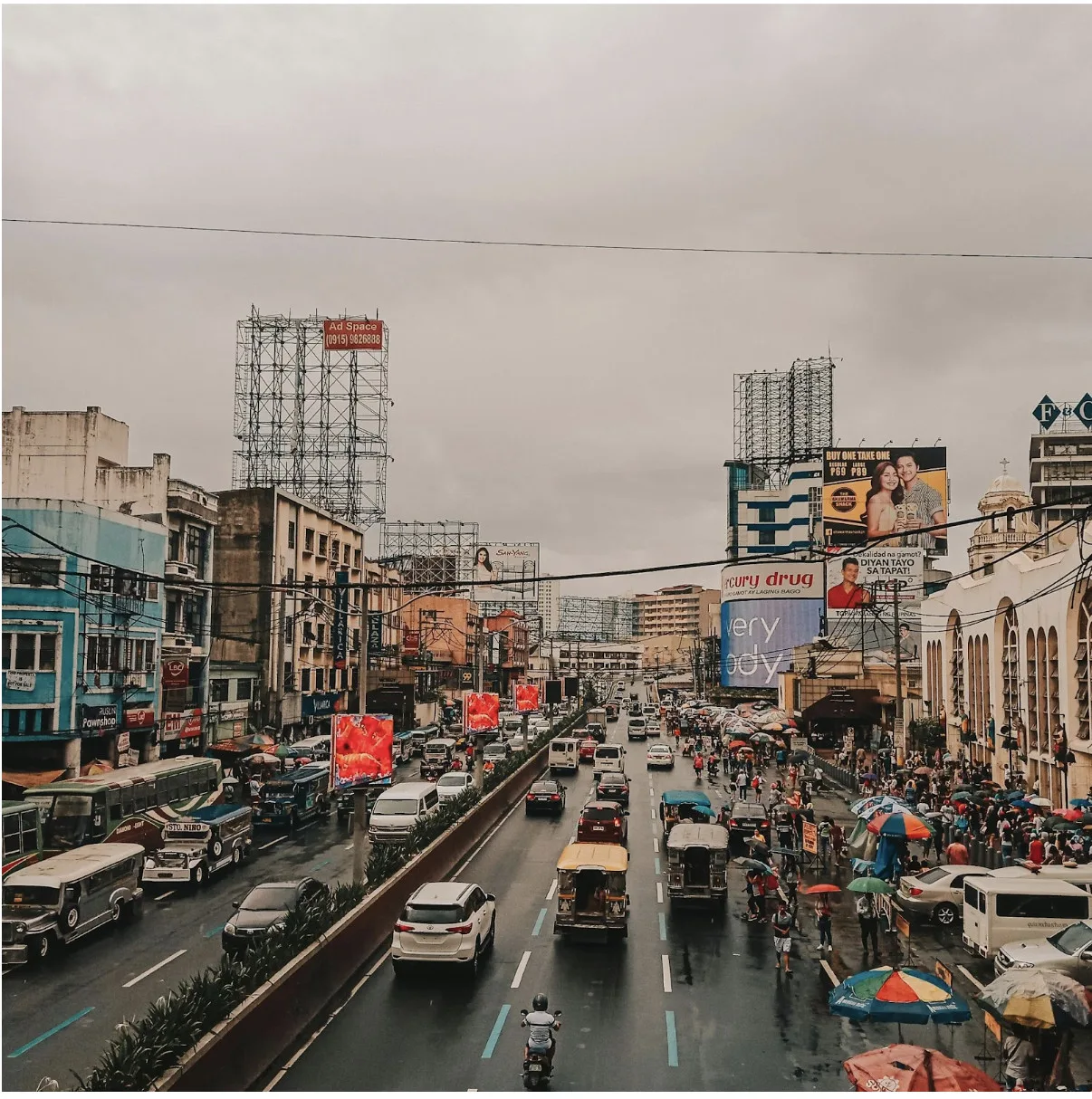
Overview of the Drug War
When the drug war was announced in 2016 under President Rodrigo Duterte, it was presented as a last-ditch effort against the drug problem in Philippines. The Duterte administration justified the campaign as a necessary means of upholding law and order. However, it has been heavily criticised as fostering a shoot-to-kill philosophy in police work and making extrajudicial killings (EJKs), creating an atmosphere of fear and impunity (Amnesty International, 2020). The official governmental statistics recognised over 6,000 people were killed in police operations. However, the independent estimates stood between 12,000 and 30,000 deaths, with numerous cases claimed to be unlawful killings by state and non-state agencies (Human Rights Watch, 2021).
Vigilante-type killings became rampant, and they were mostly carried out against people who lived in the poor side of the city, and often, there was little evidence used or due process. It is reported that malicious informants with a personal vendetta or a paid target falsely accused of victims (Al Jazeera, 2021). The international community, the United Nations High Commissioner for Human Rights, and other observers raised serious alarm about the abuse of due process and normalising the lethal use of force in policing (UN Human Rights Council, 2020).
Moreover, the militarised policy disproportionately targeted marginalised groups within society. Field research and surveys showed that most of the people murdered were minor drug abusers or dealers rather than major traffickers. These results raise concerns about the effectiveness and equity of the campaign. Further, there was no extensive rehabilitation and reintegration strategy; as such, there was no treatment of drug dependency as a health problem against the crime approach.
Improvements
Most notably, under President Ferdinand Marcos Jr.’s administration, there have been indicators of policy changes. Policymakers have already expressed their dedication to the anti-drug movement, but this commitment is no longer sacrificed in the form of adherence to the limits of the law (Office of the President, 2023). At the same time, there is a push for police reforms, which strive to shift their practices toward a less punitive approach, with law enforcement agencies prioritising community-based interventions and rehabilitation (Philippine Commission on Human Rights, 2024).
One notable development is the rejuvenation of the Philippine National Police’s Internal Affairs Service (IAS), which is now tasked with investigating officer misconduct. In 2023, IAS reported stricter sanctions against personnel involved in abuses during anti-drug campaigns, signalling a shift toward greater accountability (PNP IAS, 2023). At the international level, the United Nations Joint Programme (UNJP) on Human Rights, launched in 2021, has been providing technical assistance to strengthen monitoring, investigative capacity, and rights-based policing. These measures, while modest, have begun to counter entrenched impunity and create cautious openings for civil society and journalists (UNJP, 2023).
At the same time, the implementation of harm-reduction and treatment-based policies is growing. The Dangerous Drugs Board has started the reform of its policy frameworks to incorporate community-rehabilitation programmes and substance-use education, thereby transforming the idea of drug dependence as more of a health challenge than a criminal issue (DDB, 2023).
Continuing Concerns
The attempts to deal with the drug-related problems in the country have made measurable progress, but there are still some issues that are of great concern. Mass incarceration persists, especially in apparent instances of notable killings that were perpetrated under the Duterte regime, and the investigative work of the International Criminal Court (ICC) adamantly remains inconclusive (ICC, 2024). At the same time, domestic bodies tasked with prosecuting those found guilty have been strangely slow; internal investigations of past cases conducted by the Department of Justice have been limited in terms of substantive convictions, thus weakening the credibility of the justice system in the country (Rappler, 2023).
In tandem with these, legal changes involving the strengthening of oversight institutions and amendments to the Dangerous Drugs Act continue to be implemented; however, due to their slow pace of implementation and susceptibility to easy political manipulation, these processes are still a work in progress. This reform process is also accompanied by continued use of warrantless arrests as well as of “drug watch lists” that do not have any clear standards and due-process protections (Karapatan, 2023). The continued reports of harassment and surveillance of human rights defenders and journalists incline to the idea that a repressive culture continues to have a big grip on civic life.
The underlying causes of drug use and small-scale trade, structural poverty, low levels of access to education and employment – remain unaddressed. In the absence of specially designed social welfare-oriented policies, existing enforcement-based approaches will continue to be ineffective and unsustainable in the long term (Asian Development Bank, 2022).
Furthermore, the prison system remains highly overcrowded due to the mass arrests associated with drug-related cases, which add to the existing human-rights issues, further amplified. It takes years before many prisoners get trials, and conditions in the custodial facilities are far lower than international standards (CHR, 2024). These structural failures lead to the need to place the issue of drug-related crimes into the broader social, political, and economic context.
International Response and Accountability Mechanisms
The global community has adopted a central role in reporting on and reacting to the Philippines’ drug war. The UNHRC passed back-to-back resolutions in which it requested the Philippine government to comply with international mechanisms, primarily by providing access to investigators and providing comprehensive reports on the occurrence of extrajudicial killings (UNHRC, 2020). The UN and the Philippines have established the UN Joint Programme on Human Rights, also known as the UNJP, which aims to promote accountability, protect civic space, and enhance the collection of data on human rights violations (UNJP, 2023).
Simultaneously with these actions, the Jurisdiction Division of the International Criminal Court (ICC) officially launched an inquiry into the crimes against humanity that have allegedly been perpetrated under the rule of Duterte. Despite the Philippines’ withdrawal from the Rome Statute, the ICC continues to prosecute crimes committed during its membership (ICC, 2024). This investigation has been publicly conducted by the current administration, raising concerns about the administration’s commitment to seeking justice within the country (Human Rights Watch, 2024).
The human rights organisations persist in promoting the increased international pressure with the use of targeted sanctions against the perpetrators and the laws of universal jurisdiction in other countries that target those guilty of gross human rights violations. The Philippine case is a major experiment in the effectiveness of international mechanisms of accountability, particularly in the face of state resistance (ibid.).
Media and Civil Society Role
Civil society organisations (CSOs) and independent media organisations have been crucial in reporting atrocities, defending the victims, and advocating systemic reforms. Journalists working with Rappler, The Philippine Center of Investigative Journalism (PCJ), and ABS-CBN have been subjected to intimidation and legal persecution while reporting about the drug war. As Rappler was the brainchild of Maria Ressa, a Nobel Peace Prize winner, she became an international symbol of the freedom of the press during oppression by government forces (Ressa, 2021).
Various CSOs, including Karapatan, Amnesty International Philippines, and FLAG (Free Legal Assistance Group), have been offering legal support, conducting fact-finding missions, and reporting on human rights abuses. Their prolonged advocacy has led to their increased publicity and ensured that the voices of victims are not forgotten in the national scene (Karapatan, 2023).
Despite these contributions, CSOs face significant limitations. Under the administration of Duterte, one of the tactics of intimidation is the use of red-tagging, which basically means branding activists as communists or terrorists. Even though the situation has changed under the recent government, CSOs still report being tracked, denied access to victims and information, as well as excessive restrictions on organisational independence (CHR, 2024). Nonetheless, independent media and civil society continue to operate as watchdogs in the Philippines, despite these challenges, taking a stand against impunity and strengthening democracy.
Conclusion
The legacy of the Duterte-era drug war continues to weigh heavily on legal institutions, civil liberties, and public health. Recent reforms show a rhetorical shift toward the rule of law and greater engagement with international human rights systems. However, accountability gaps, weak procedural justice, and other structural challenges remain unresolved. A genuinely rights-based drug policy requires due process, health-focused rehabilitation, victim-centred support, and socio-economic inclusion. Without addressing addiction as a health issue, policies risk reverting to punitive approaches that cause more harm than good. At this juncture, the Philippines must choose between incremental adjustments and deeper reforms that can break cycles of impunity and structural violence.
Bibliography
Al Jazeera. (2021). Philippines: Thousands of dead in Duterte’s war on drugs, accessed 8th August 2025. https://www.aljazeera.com.
Amnesty International. (2020). They just kill: Ongoing extrajudicial executions and other violations in the Philippines’ “war on drugs”, accessed 8th August 2025. https://www.amnesty.org.
Asian Development Bank. (2022). Inclusive approaches to drug policy in Asia, accessed 8th August 2025. https://www.adb.org.
CHR. (2024). Annual Report on Human Rights and the Philippine Drug War, accessed 8th August 2025.
Dangerous Drugs Board (DDB). (2023). Community-based drug rehabilitation frameworks, accessed 8th August 2025. https://www.ddb.gov.ph.
Human Rights Watch. (2021). “Our Happy Family Is Gone”: Impact of the “War on Drugs” on Children in the Philippines, accessed 10th August 2025. https://www.hrw.org.
International Criminal Court (ICC). (2024). Investigation into the Situation in the Philippines, accessed 10th August 2025. https://www.icc-cpi.int.
Karapatan. (2023). Continuing repression and human rights violations in the Philippines, accessed 8th August 2025. https://www.karapatan.org.
Office of the President. (2023). Press Release: Marcos vows humane drug campaign, accessed 10th August 2025. https://www.pco.gov.ph.
Philippine Commission on Human Rights. (2024). Status Report on Human Rights Violations Related to Anti-Drug Campaign, accessed 10th August 2025.
PNP Internal Affairs Service (IAS). (2023). Annual Disciplinary Report, accessed 9th August 2025.
Rappler. (2023). Justice still elusive for drug war victims, accessed 9th August 2025.
Reyes, D. (2019). Urban poor and the war on drugs in the Philippines: A qualitative study. Asian Journal of Criminology, 14(3), 275–293, accessed 10th August 2025.
UN Human Rights Council. (2020). Situation of human rights in the Philippines: Report of the High Commissioner, accessed 11th August 2025. https://www.ohchr.org.
UN Human Rights Office. (2023). Updates on accountability in the Philippines, accessed 10th August 2025. https://www.ohchr.org.
UN Joint Programme (UNJP). (2023). Progress report on technical cooperation with the Philippines, accessed 10th August 2025. https://www.un.org.