
Reports
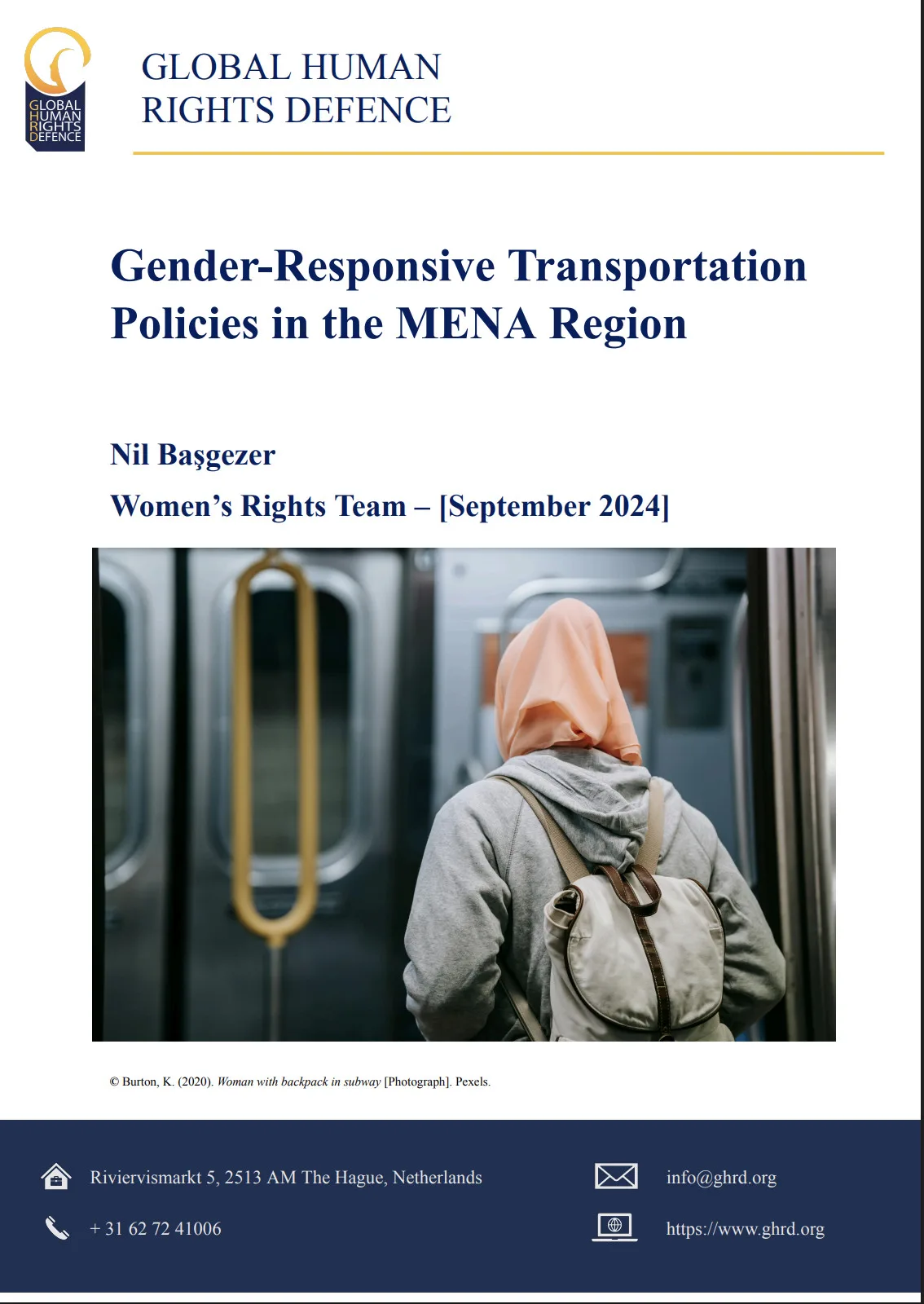
Gender-Responsive Transportation Policies in the MENA Region
- GHRD Team
- 8 September 2024
Infrastructure is a cornerstone for national progress, driving economic growth, improving societal well-being, and supporting sustainable development. It serves as the foundation for key policy goals like expanding access to employment, reducing poverty, addressing income disparities, minimising regional inequalities, and improving overall quality of life. However, a common misconception is that infrastructure development benefits all genders equally. This assumption overlooks the reality that men and women have distinct needs and use infrastructure differently due to their varying social roles, economic circumstances, and preferences (OECD, 2021).
In regions like the Middle East and North Africa (MENA), transportation planning often disregards these differences, leading to a lack of gender-sensitive infrastructure. Limited availability of sex-disaggregated data, combined with insufficient expertise on gender-related transportation issues, exacerbates this gap. Moreover, the voices shaping infrastructure policy and design are predominantly male, even when the outcomes significantly impact women (Clarke, 2012).
Reliable and accessible transportation is vital for connecting women and girls to education, jobs, and markets in both urban and rural areas. However, effective solutions must consider the diverse cultural, economic, and geographic contexts across the MENA region. By examining gender-responsive transport initiatives from other regions and adapting them to local contexts, MENA countries can create more inclusive infrastructure that empowers women and boosts their economic prospects.
Ensuring safety and comfort in public transportation is crucial for narrowing the global gender gap. This requires comprehensive approaches that include improved urban design, strengthened regulations, and capacity-building within the transport sector. Women’s safety must be prioritised through well-lit streets, thoughtfully designed waiting areas, and reliable transport personnel. Furthermore, involving women in every phase of transport planning and development ensures that their needs and perspectives are integrated, leading to transportation systems that benefit all users.
In regions like the Middle East and North Africa (MENA), transportation planning often disregards these differences, leading to a lack of gender-sensitive infrastructure. Limited availability of sex-disaggregated data, combined with insufficient expertise on gender-related transportation issues, exacerbates this gap. Moreover, the voices shaping infrastructure policy and design are predominantly male, even when the outcomes significantly impact women (Clarke, 2012).
Reliable and accessible transportation is vital for connecting women and girls to education, jobs, and markets in both urban and rural areas. However, effective solutions must consider the diverse cultural, economic, and geographic contexts across the MENA region. By examining gender-responsive transport initiatives from other regions and adapting them to local contexts, MENA countries can create more inclusive infrastructure that empowers women and boosts their economic prospects.
Ensuring safety and comfort in public transportation is crucial for narrowing the global gender gap. This requires comprehensive approaches that include improved urban design, strengthened regulations, and capacity-building within the transport sector. Women’s safety must be prioritised through well-lit streets, thoughtfully designed waiting areas, and reliable transport personnel. Furthermore, involving women in every phase of transport planning and development ensures that their needs and perspectives are integrated, leading to transportation systems that benefit all users.
✨ AI summary
Infrastructure is a cornerstone for national progress, driving economic growth, improving societal well-being, and supporting sustainable development. It serves as the foundation for key policy goals like expanding access to employment, reducing poverty, addressing income disparities, minimising regional inequalities, and improving overall quality of life. However, a common misconception is that infrastructure development benefits all genders equally. This assumption overlooks the reality that men and women have distinct needs and use infrastructure differently due to their varying social roles, economic circumstances, and preferences (OECD, 2021).
In regions like the Middle East and North Africa (MENA), transportation planning often disregards these differences, leading to a lack of gender-sensitive infrastructure. Limited availability of sex-disaggregated data, combined with insufficient expertise on gender-related transportation issues, exacerbates this gap. Moreover, the voices shaping infrastructure policy and design are predominantly male, even when the outcomes significantly impact women (Clarke, 2012).
Reliable and accessible transportation is vital for connecting women and girls to education, jobs, and markets in both urban and rural areas. However, effective solutions must consider the diverse cultural, economic, and geographic contexts across the MENA region. By examining gender-responsive transport initiatives from other regions and adapting them to local contexts, MENA countries can create more inclusive infrastructure that empowers women and boosts their economic prospects.
Ensuring safety and comfort in public transportation is crucial for narrowing the global gender gap. This requires comprehensive approaches that include improved urban design, strengthened regulations, and capacity-building within the transport sector. Women’s safety must be prioritised through well-lit streets, thoughtfully designed waiting areas, and reliable transport personnel. Furthermore, involving women in every phase of transport planning and development ensures that their needs and perspectives are integrated, leading to transportation systems that benefit all users.
In regions like the Middle East and North Africa (MENA), transportation planning often disregards these differences, leading to a lack of gender-sensitive infrastructure. Limited availability of sex-disaggregated data, combined with insufficient expertise on gender-related transportation issues, exacerbates this gap. Moreover, the voices shaping infrastructure policy and design are predominantly male, even when the outcomes significantly impact women (Clarke, 2012).
Reliable and accessible transportation is vital for connecting women and girls to education, jobs, and markets in both urban and rural areas. However, effective solutions must consider the diverse cultural, economic, and geographic contexts across the MENA region. By examining gender-responsive transport initiatives from other regions and adapting them to local contexts, MENA countries can create more inclusive infrastructure that empowers women and boosts their economic prospects.
Ensuring safety and comfort in public transportation is crucial for narrowing the global gender gap. This requires comprehensive approaches that include improved urban design, strengthened regulations, and capacity-building within the transport sector. Women’s safety must be prioritised through well-lit streets, thoughtfully designed waiting areas, and reliable transport personnel. Furthermore, involving women in every phase of transport planning and development ensures that their needs and perspectives are integrated, leading to transportation systems that benefit all users.
Share this report
Facebook
X
LinkedIn
WhatsApp