
Reports
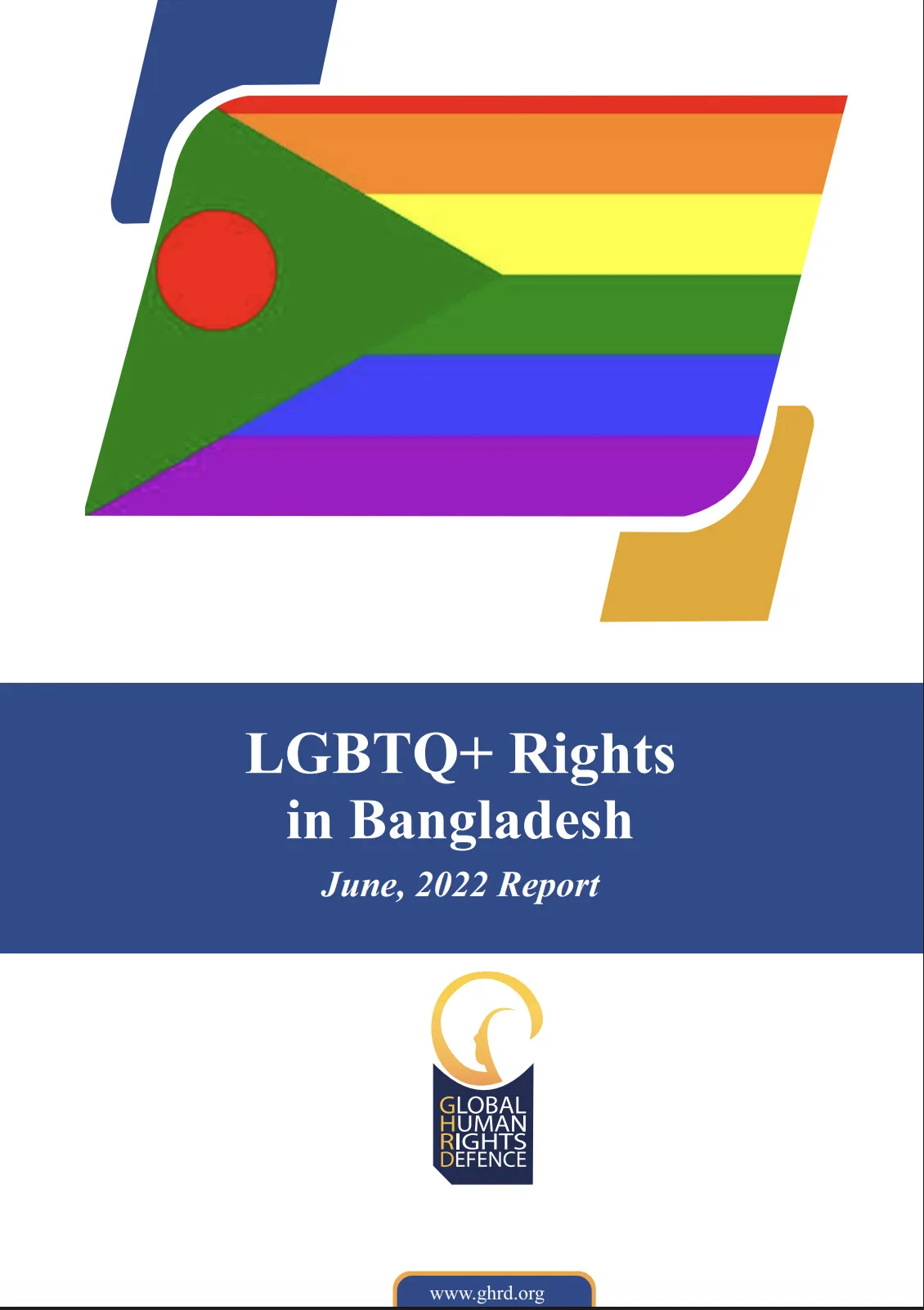
LGBTQ+ Rights in Bangladesh
- GHRD Team
- 25 July 2022
The LGBTQ+ community – standing for lesbian, gay, transsexual, bisexual and queer – represents all those individuals who do not fit within the heteronormative culture defined according to the rigid dichotomy between masculinity and femininity (Linde, 2015). These subjects have become marginalised worldwide and are deprived of their basic human rights on the ground of their sexual orientation and gender identity (HRW, n/a). This report will endeavour to present the current situation of the LGBTQ+ community in Bangladesh, characterised by a large spectrum of systemic injustices faced by the community on a daily
basis: from physical and sexual violence to low representation in the political and administrative bodies and from discrimination in employment policies to lack of access to medical services. As it will be briefly anticipated in a few lines and further surveyed in the following paragraphs of this report, this dismaying scenario has been mainly due to the rise of religious extremism characterising Bangladesh during the past few years. Such a renewed and reinvigorated wave of intolerance determined the denial and cancellation of progress up to this point, once again forcing the LGBTQ+ community back to the margins of the society.
Indeed, up to 2015, Bangladesh had started experiencing a short period of relative openness towards LGBTQ+ communities (Amundsen, 2018). Amongst the initial improvements, it is worth recalling the legal recognition of Hijras that occurred in 2013. Hijras is a South Asian gender identity falling outside the binary distinction between male and female and, as such, is recognised by Bangladesh as a separate gender which can be mentioned in official documents (GlobalVoices, 2013). Moreover, one further encouraging example of this trend took place in April 2014 when, in occasion of the celebrations of the first day of Bangladesh New Year, the Rainbow Rally was organised, a street parade where people belonging to the LGBTQ+ community had the coveted opportunity to freely express their sexual identity in public for the very first time in the history of the country (Roopbaan, 2017). Despite some contrary reactions stemming from the most conservative sides of Bangladesh, it was established that the event would also take place the following year (Roopbaan, 2017).
However, these advancements had a brief life. Islam acquired ever-growing momentum in the Bangladeshi public space since 2016, with religious-based principles becoming constitutive parts of the agenda of the largest political parties operating in the country (CMI, 2018). As a result, the position of the LGBTQ+ community started inevitably deteriorating. In 2016 for instance, amidst threats and pressures of a few extremist factions, the Government of Bangladesh urged to annul the celebration of the Rainbow Rally
1
June, 2022 Report
LGBTQ+ Rights
in Bangladesh
2
(Roopbaan, 2017). Furthermore, in that same year, Xulhaz Mannan, founder of Bangladesh’s first and only LGBTQ+-themed magazine “Roopbaan” and main promoter of the aforementioned Rainbow Rally, was killed with one friend of his by assailants presumably associated with al-Qaeda (CMI, 2018). In line with this tendency, the number of arrests on the ground of “carnal intercourse against the order of nature” has exponentially increased in recent years, shedding light on the plague of massive police harassment directed against LGBTQ+ individuals, rooted in the patriarchal and masculine mentality of the
law-enforcement bodies (CMI, 2018).
In light of the multifaceted traits of discrimination briefly introduced here, it appears clear how challenging and concerning the reality for LGBTQ+ people can be. The remainder of this report will analyse in more depth the legal, societal, political and religious elements giving rise to violence and discrimination towards such individuals, showing how the continuous interplay of all these different aspects culminates into grave violations of the fundamental human rights of this community.
basis: from physical and sexual violence to low representation in the political and administrative bodies and from discrimination in employment policies to lack of access to medical services. As it will be briefly anticipated in a few lines and further surveyed in the following paragraphs of this report, this dismaying scenario has been mainly due to the rise of religious extremism characterising Bangladesh during the past few years. Such a renewed and reinvigorated wave of intolerance determined the denial and cancellation of progress up to this point, once again forcing the LGBTQ+ community back to the margins of the society.
Indeed, up to 2015, Bangladesh had started experiencing a short period of relative openness towards LGBTQ+ communities (Amundsen, 2018). Amongst the initial improvements, it is worth recalling the legal recognition of Hijras that occurred in 2013. Hijras is a South Asian gender identity falling outside the binary distinction between male and female and, as such, is recognised by Bangladesh as a separate gender which can be mentioned in official documents (GlobalVoices, 2013). Moreover, one further encouraging example of this trend took place in April 2014 when, in occasion of the celebrations of the first day of Bangladesh New Year, the Rainbow Rally was organised, a street parade where people belonging to the LGBTQ+ community had the coveted opportunity to freely express their sexual identity in public for the very first time in the history of the country (Roopbaan, 2017). Despite some contrary reactions stemming from the most conservative sides of Bangladesh, it was established that the event would also take place the following year (Roopbaan, 2017).
However, these advancements had a brief life. Islam acquired ever-growing momentum in the Bangladeshi public space since 2016, with religious-based principles becoming constitutive parts of the agenda of the largest political parties operating in the country (CMI, 2018). As a result, the position of the LGBTQ+ community started inevitably deteriorating. In 2016 for instance, amidst threats and pressures of a few extremist factions, the Government of Bangladesh urged to annul the celebration of the Rainbow Rally
1
June, 2022 Report
LGBTQ+ Rights
in Bangladesh
2
(Roopbaan, 2017). Furthermore, in that same year, Xulhaz Mannan, founder of Bangladesh’s first and only LGBTQ+-themed magazine “Roopbaan” and main promoter of the aforementioned Rainbow Rally, was killed with one friend of his by assailants presumably associated with al-Qaeda (CMI, 2018). In line with this tendency, the number of arrests on the ground of “carnal intercourse against the order of nature” has exponentially increased in recent years, shedding light on the plague of massive police harassment directed against LGBTQ+ individuals, rooted in the patriarchal and masculine mentality of the
law-enforcement bodies (CMI, 2018).
In light of the multifaceted traits of discrimination briefly introduced here, it appears clear how challenging and concerning the reality for LGBTQ+ people can be. The remainder of this report will analyse in more depth the legal, societal, political and religious elements giving rise to violence and discrimination towards such individuals, showing how the continuous interplay of all these different aspects culminates into grave violations of the fundamental human rights of this community.
✨ AI summary
The LGBTQ+ community – standing for lesbian, gay, transsexual, bisexual and queer – represents all those individuals who do not fit within the heteronormative culture defined according to the rigid dichotomy between masculinity and femininity (Linde, 2015). These subjects have become marginalised worldwide and are deprived of their basic human rights on the ground of their sexual orientation and gender identity (HRW, n/a). This report will endeavour to present the current situation of the LGBTQ+ community in Bangladesh, characterised by a large spectrum of systemic injustices faced by the community on a daily
basis: from physical and sexual violence to low representation in the political and administrative bodies and from discrimination in employment policies to lack of access to medical services. As it will be briefly anticipated in a few lines and further surveyed in the following paragraphs of this report, this dismaying scenario has been mainly due to the rise of religious extremism characterising Bangladesh during the past few years. Such a renewed and reinvigorated wave of intolerance determined the denial and cancellation of progress up to this point, once again forcing the LGBTQ+ community back to the margins of the society.
Indeed, up to 2015, Bangladesh had started experiencing a short period of relative openness towards LGBTQ+ communities (Amundsen, 2018). Amongst the initial improvements, it is worth recalling the legal recognition of Hijras that occurred in 2013. Hijras is a South Asian gender identity falling outside the binary distinction between male and female and, as such, is recognised by Bangladesh as a separate gender which can be mentioned in official documents (GlobalVoices, 2013). Moreover, one further encouraging example of this trend took place in April 2014 when, in occasion of the celebrations of the first day of Bangladesh New Year, the Rainbow Rally was organised, a street parade where people belonging to the LGBTQ+ community had the coveted opportunity to freely express their sexual identity in public for the very first time in the history of the country (Roopbaan, 2017). Despite some contrary reactions stemming from the most conservative sides of Bangladesh, it was established that the event would also take place the following year (Roopbaan, 2017).
However, these advancements had a brief life. Islam acquired ever-growing momentum in the Bangladeshi public space since 2016, with religious-based principles becoming constitutive parts of the agenda of the largest political parties operating in the country (CMI, 2018). As a result, the position of the LGBTQ+ community started inevitably deteriorating. In 2016 for instance, amidst threats and pressures of a few extremist factions, the Government of Bangladesh urged to annul the celebration of the Rainbow Rally
1
June, 2022 Report
LGBTQ+ Rights
in Bangladesh
2
(Roopbaan, 2017). Furthermore, in that same year, Xulhaz Mannan, founder of Bangladesh’s first and only LGBTQ+-themed magazine “Roopbaan” and main promoter of the aforementioned Rainbow Rally, was killed with one friend of his by assailants presumably associated with al-Qaeda (CMI, 2018). In line with this tendency, the number of arrests on the ground of “carnal intercourse against the order of nature” has exponentially increased in recent years, shedding light on the plague of massive police harassment directed against LGBTQ+ individuals, rooted in the patriarchal and masculine mentality of the
law-enforcement bodies (CMI, 2018).
In light of the multifaceted traits of discrimination briefly introduced here, it appears clear how challenging and concerning the reality for LGBTQ+ people can be. The remainder of this report will analyse in more depth the legal, societal, political and religious elements giving rise to violence and discrimination towards such individuals, showing how the continuous interplay of all these different aspects culminates into grave violations of the fundamental human rights of this community.
basis: from physical and sexual violence to low representation in the political and administrative bodies and from discrimination in employment policies to lack of access to medical services. As it will be briefly anticipated in a few lines and further surveyed in the following paragraphs of this report, this dismaying scenario has been mainly due to the rise of religious extremism characterising Bangladesh during the past few years. Such a renewed and reinvigorated wave of intolerance determined the denial and cancellation of progress up to this point, once again forcing the LGBTQ+ community back to the margins of the society.
Indeed, up to 2015, Bangladesh had started experiencing a short period of relative openness towards LGBTQ+ communities (Amundsen, 2018). Amongst the initial improvements, it is worth recalling the legal recognition of Hijras that occurred in 2013. Hijras is a South Asian gender identity falling outside the binary distinction between male and female and, as such, is recognised by Bangladesh as a separate gender which can be mentioned in official documents (GlobalVoices, 2013). Moreover, one further encouraging example of this trend took place in April 2014 when, in occasion of the celebrations of the first day of Bangladesh New Year, the Rainbow Rally was organised, a street parade where people belonging to the LGBTQ+ community had the coveted opportunity to freely express their sexual identity in public for the very first time in the history of the country (Roopbaan, 2017). Despite some contrary reactions stemming from the most conservative sides of Bangladesh, it was established that the event would also take place the following year (Roopbaan, 2017).
However, these advancements had a brief life. Islam acquired ever-growing momentum in the Bangladeshi public space since 2016, with religious-based principles becoming constitutive parts of the agenda of the largest political parties operating in the country (CMI, 2018). As a result, the position of the LGBTQ+ community started inevitably deteriorating. In 2016 for instance, amidst threats and pressures of a few extremist factions, the Government of Bangladesh urged to annul the celebration of the Rainbow Rally
1
June, 2022 Report
LGBTQ+ Rights
in Bangladesh
2
(Roopbaan, 2017). Furthermore, in that same year, Xulhaz Mannan, founder of Bangladesh’s first and only LGBTQ+-themed magazine “Roopbaan” and main promoter of the aforementioned Rainbow Rally, was killed with one friend of his by assailants presumably associated with al-Qaeda (CMI, 2018). In line with this tendency, the number of arrests on the ground of “carnal intercourse against the order of nature” has exponentially increased in recent years, shedding light on the plague of massive police harassment directed against LGBTQ+ individuals, rooted in the patriarchal and masculine mentality of the
law-enforcement bodies (CMI, 2018).
In light of the multifaceted traits of discrimination briefly introduced here, it appears clear how challenging and concerning the reality for LGBTQ+ people can be. The remainder of this report will analyse in more depth the legal, societal, political and religious elements giving rise to violence and discrimination towards such individuals, showing how the continuous interplay of all these different aspects culminates into grave violations of the fundamental human rights of this community.
Share this report
Facebook
X
LinkedIn
WhatsApp