
Reports
“Monthly report May: The European Framework on Migration, Asylum and Refugee Status”
- Europe Team
- 4 October 2022
Mediterranean (European Commission, 2015). Following the European Agenda, the European Commission issued a Communication to promote a reform of the common European asylum framework, intending to develop a more fair system that will offer systematic, secure, and sustainable pathways to Europe for non-EU nationals needing protection (European Commission, 2016). In 2017, the European Parliament proposed a reform on the Dublin III regulation, which determines the European member country responsible for processing requests for international protection (European Parliament, 2020a).
Since the reform of the common asylum policy was at a standstill, in September 2020, the European Commission proposed a New Pact on Migration and Asylum, laying out speed-up processes throughout the EU’s asylum and migration network, incorporating a review of the Dublin regulation and providing new alternatives for how Member States can show solidarity and support (European Parliament, 2020a).
In 2020, numerous unpredicted developments and challenges emerged in migration and asylum. Through the closure of borders and travel restrictions, the global Covid-19 pandemic brought the movement of persons and daily routines to a virtual standstill. Consequently, the EU and its Member States rapidly established emergency measures to maintain and support the functioning of their asylum and migration systems as much as possible (European Migration Network, 2021). In the first ten months of 2020, the asylum applications in the EU were only 390,000, 33 percent less compared to the same period of the previous year. While between 2015 and 2016, more than 2.3 million illegal crossings were reported, this figure dropped to 114,300 in January to November 2020 (European Parliament, 2021). The year 2020 also saw the disastrous fire in the Moria refugee camp in Lesbos, Greece, placing the topic of refugee reception in the EU in the spotlight again. Also, 2020 was the year of the formal withdrawal of the United Kingdom from the EU, with wide-reaching implications in the migration domain. Indeed, several domestic
developments, particularly in the field of legal migration, have been motivated by the United Kingdom’s change of status in the European Union’s context (European Migration Network, 2021).
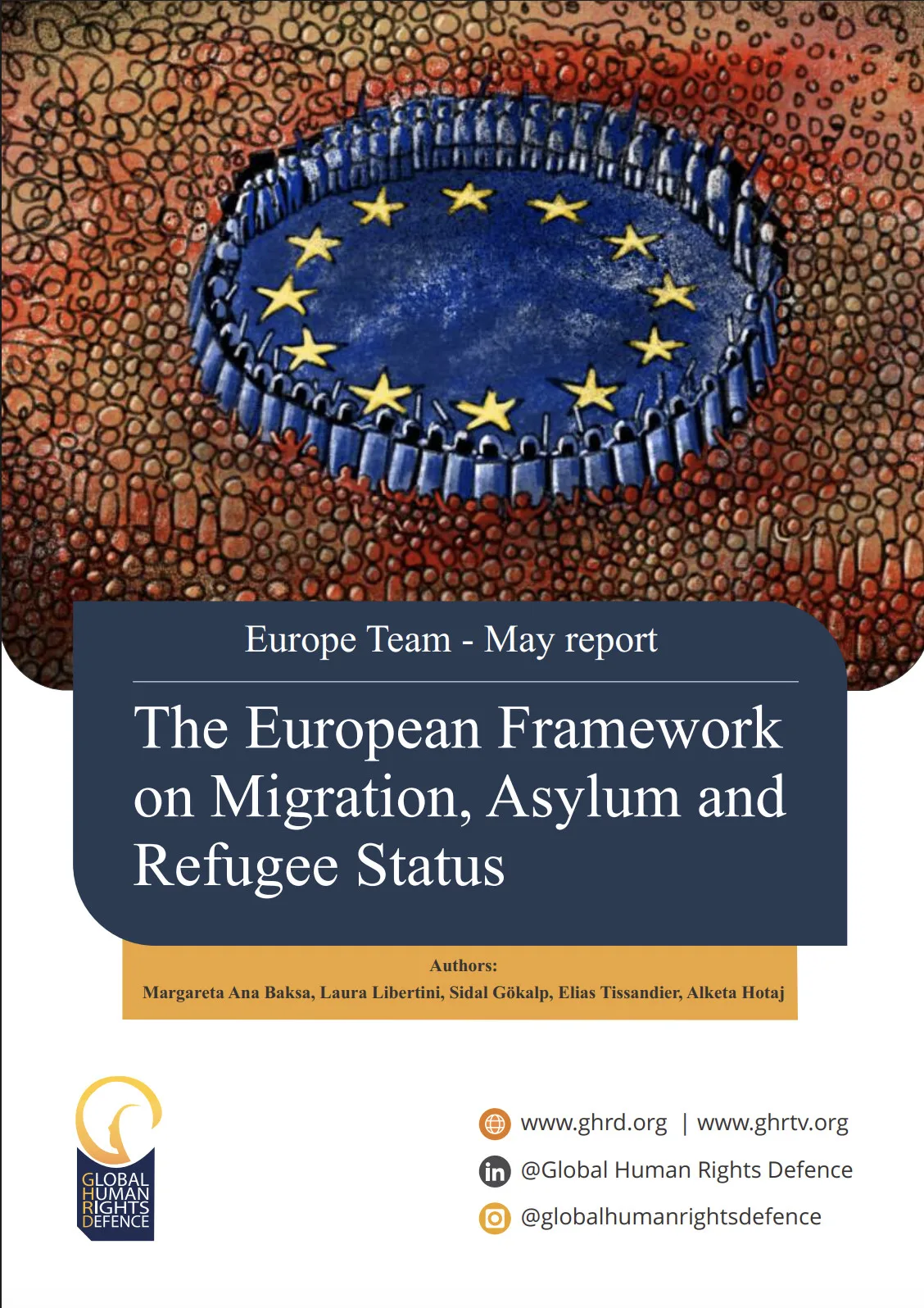
This report will introduce the European Union framework on asylum and refugee status, focusing on the Common European Asylum System (CEAS) and the European Convention on Human Rights (ECHR).
Afterwards, a section will be dedicated to the current crisis of the European Agency for the Border and Coast Guard (Frontex), concerning the allegations over the role of Frontex in human rights violations that have emerged in the last years. The last section of the report will focus on the EU’s practices of externalisation of migrants, with a specific focus on the EU-Turkey Deal; a direct consequence of the 2015 Refugee Crisis, and the Memorandum of Understanding Between Libya and Italy.
Since the reform of the common asylum policy was at a standstill, in September 2020, the European Commission proposed a New Pact on Migration and Asylum, laying out speed-up processes throughout the EU’s asylum and migration network, incorporating a review of the Dublin regulation and providing new alternatives for how Member States can show solidarity and support (European Parliament, 2020a).
In 2020, numerous unpredicted developments and challenges emerged in migration and asylum. Through the closure of borders and travel restrictions, the global Covid-19 pandemic brought the movement of persons and daily routines to a virtual standstill. Consequently, the EU and its Member States rapidly established emergency measures to maintain and support the functioning of their asylum and migration systems as much as possible (European Migration Network, 2021). In the first ten months of 2020, the asylum applications in the EU were only 390,000, 33 percent less compared to the same period of the previous year. While between 2015 and 2016, more than 2.3 million illegal crossings were reported, this figure dropped to 114,300 in January to November 2020 (European Parliament, 2021). The year 2020 also saw the disastrous fire in the Moria refugee camp in Lesbos, Greece, placing the topic of refugee reception in the EU in the spotlight again. Also, 2020 was the year of the formal withdrawal of the United Kingdom from the EU, with wide-reaching implications in the migration domain. Indeed, several domestic
developments, particularly in the field of legal migration, have been motivated by the United Kingdom’s change of status in the European Union’s context (European Migration Network, 2021).
This report will introduce the European Union framework on asylum and refugee status, focusing on the Common European Asylum System (CEAS) and the European Convention on Human Rights (ECHR).
Afterwards, a section will be dedicated to the current crisis of the European Agency for the Border and Coast Guard (Frontex), concerning the allegations over the role of Frontex in human rights violations that have emerged in the last years. The last section of the report will focus on the EU’s practices of externalisation of migrants, with a specific focus on the EU-Turkey Deal; a direct consequence of the 2015 Refugee Crisis, and the Memorandum of Understanding Between Libya and Italy.
✨ AI summary
Mediterranean (European Commission, 2015). Following the European Agenda, the European Commission issued a Communication to promote a reform of the common European asylum framework, intending to develop a more fair system that will offer systematic, secure, and sustainable pathways to Europe for non-EU nationals needing protection (European Commission, 2016). In 2017, the European Parliament proposed a reform on the Dublin III regulation, which determines the European member country responsible for processing requests for international protection (European Parliament, 2020a).
Since the reform of the common asylum policy was at a standstill, in September 2020, the European Commission proposed a New Pact on Migration and Asylum, laying out speed-up processes throughout the EU’s asylum and migration network, incorporating a review of the Dublin regulation and providing new alternatives for how Member States can show solidarity and support (European Parliament, 2020a).
In 2020, numerous unpredicted developments and challenges emerged in migration and asylum. Through the closure of borders and travel restrictions, the global Covid-19 pandemic brought the movement of persons and daily routines to a virtual standstill. Consequently, the EU and its Member States rapidly established emergency measures to maintain and support the functioning of their asylum and migration systems as much as possible (European Migration Network, 2021). In the first ten months of 2020, the asylum applications in the EU were only 390,000, 33 percent less compared to the same period of the previous year. While between 2015 and 2016, more than 2.3 million illegal crossings were reported, this figure dropped to 114,300 in January to November 2020 (European Parliament, 2021). The year 2020 also saw the disastrous fire in the Moria refugee camp in Lesbos, Greece, placing the topic of refugee reception in the EU in the spotlight again. Also, 2020 was the year of the formal withdrawal of the United Kingdom from the EU, with wide-reaching implications in the migration domain. Indeed, several domestic
developments, particularly in the field of legal migration, have been motivated by the United Kingdom’s change of status in the European Union’s context (European Migration Network, 2021).
This report will introduce the European Union framework on asylum and refugee status, focusing on the Common European Asylum System (CEAS) and the European Convention on Human Rights (ECHR).
Afterwards, a section will be dedicated to the current crisis of the European Agency for the Border and Coast Guard (Frontex), concerning the allegations over the role of Frontex in human rights violations that have emerged in the last years. The last section of the report will focus on the EU’s practices of externalisation of migrants, with a specific focus on the EU-Turkey Deal; a direct consequence of the 2015 Refugee Crisis, and the Memorandum of Understanding Between Libya and Italy.
Since the reform of the common asylum policy was at a standstill, in September 2020, the European Commission proposed a New Pact on Migration and Asylum, laying out speed-up processes throughout the EU’s asylum and migration network, incorporating a review of the Dublin regulation and providing new alternatives for how Member States can show solidarity and support (European Parliament, 2020a).
In 2020, numerous unpredicted developments and challenges emerged in migration and asylum. Through the closure of borders and travel restrictions, the global Covid-19 pandemic brought the movement of persons and daily routines to a virtual standstill. Consequently, the EU and its Member States rapidly established emergency measures to maintain and support the functioning of their asylum and migration systems as much as possible (European Migration Network, 2021). In the first ten months of 2020, the asylum applications in the EU were only 390,000, 33 percent less compared to the same period of the previous year. While between 2015 and 2016, more than 2.3 million illegal crossings were reported, this figure dropped to 114,300 in January to November 2020 (European Parliament, 2021). The year 2020 also saw the disastrous fire in the Moria refugee camp in Lesbos, Greece, placing the topic of refugee reception in the EU in the spotlight again. Also, 2020 was the year of the formal withdrawal of the United Kingdom from the EU, with wide-reaching implications in the migration domain. Indeed, several domestic
developments, particularly in the field of legal migration, have been motivated by the United Kingdom’s change of status in the European Union’s context (European Migration Network, 2021).
This report will introduce the European Union framework on asylum and refugee status, focusing on the Common European Asylum System (CEAS) and the European Convention on Human Rights (ECHR).
Afterwards, a section will be dedicated to the current crisis of the European Agency for the Border and Coast Guard (Frontex), concerning the allegations over the role of Frontex in human rights violations that have emerged in the last years. The last section of the report will focus on the EU’s practices of externalisation of migrants, with a specific focus on the EU-Turkey Deal; a direct consequence of the 2015 Refugee Crisis, and the Memorandum of Understanding Between Libya and Italy.
Share this report
Facebook
X
LinkedIn
WhatsApp