Reports
The Consequences of Statelessness in the Case of Isreal and Palestine
- Asia Team
- 8 February 2025
Statelessness is, at its heart, the condition of individuals who have no legal recognition or protection from any country. Without formal citizenship, they often find themselves unable to access vital services like proper healthcare and schooling and barred from lawful employment or the freedom to travel. Globally, around 4.4 million people are believed to experience statelessness, although the actual figure could be higher due to data shortfalls. It helps to remember that these individuals differ from refugees, who retain a home nation but flee due to threats or persecution. Meanwhile, treaties such as the 1961 Convention on the Reduction of Statelessness aim to prevent and resolve the issue, but inconsistent enforcement leaves many without recourse.
The effect of being without a nationality takes its heaviest toll on the practicalities of daily life. Documents like birth certificates and passports are out of reach, making people vulnerable to exploitation. Even enrolling a child in school or renting a home can become a daunting task. On a deeper level, not being recognised as a citizen undermines a person’s sense of identity, affecting their ability to participate in society and cultivate a sense of belonging. At the same time, the presence of large stateless groups can add pressure to regional dynamics, spurring global bodies to label it both a humanitarian crisis and a significant human rights concern.
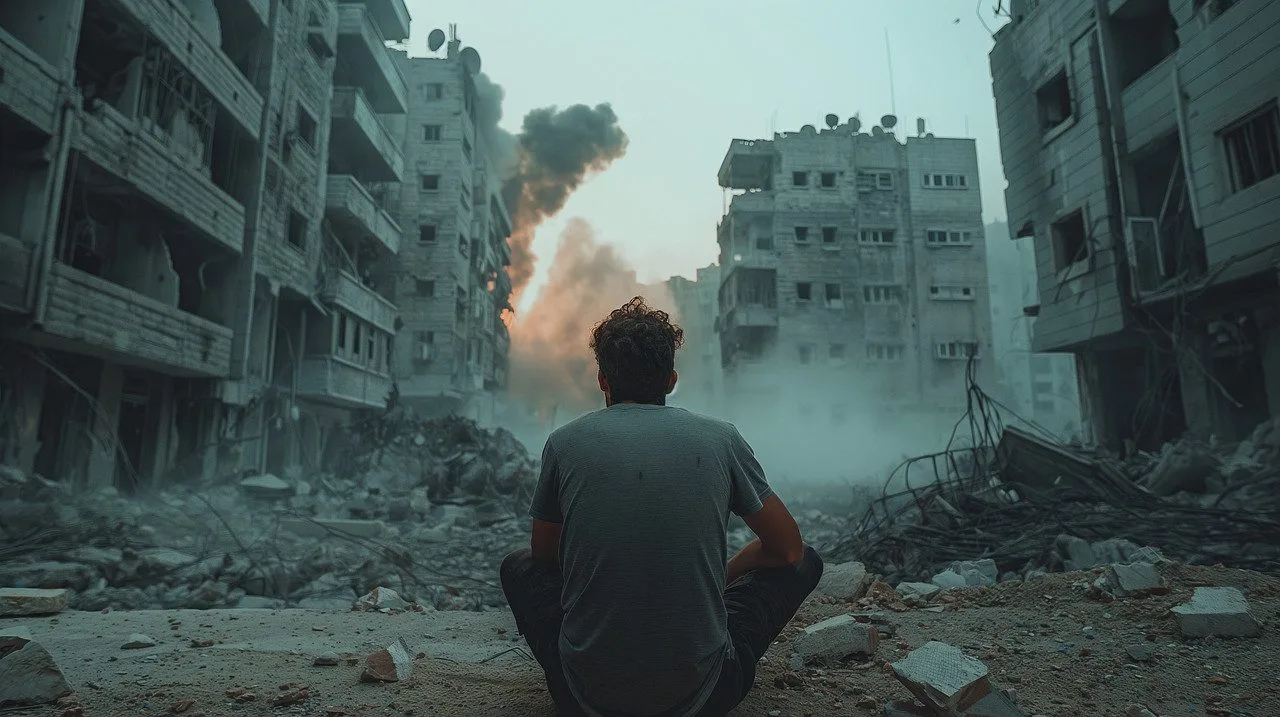
One of the clearest examples is found in the context of Israel and Palestine. Years of political conflict and territorial disputes have left vast numbers of Palestinians without formal citizenship, whether in Palestinian territories or neighbouring countries. Although the United Nations Relief and Works Agency for Palestine Refugees in the Near East (UNRWA) provides vital support, in the absence of a durable political solution, many remain trapped in a cycle of statelessness. Additionally, ongoing debates over Palestinian statehood, alongside broader questions about Israeli governance, further complicate these challenges. Grasping the multitude of political, social, and legal factors at play is crucial in devising meaningful, rights-based solutions. The following analysis explores how this reality unfolds across Israel and Palestine, illuminating personal accounts and the broader international implications of statelessness.
The effect of being without a nationality takes its heaviest toll on the practicalities of daily life. Documents like birth certificates and passports are out of reach, making people vulnerable to exploitation. Even enrolling a child in school or renting a home can become a daunting task. On a deeper level, not being recognised as a citizen undermines a person’s sense of identity, affecting their ability to participate in society and cultivate a sense of belonging. At the same time, the presence of large stateless groups can add pressure to regional dynamics, spurring global bodies to label it both a humanitarian crisis and a significant human rights concern.
One of the clearest examples is found in the context of Israel and Palestine. Years of political conflict and territorial disputes have left vast numbers of Palestinians without formal citizenship, whether in Palestinian territories or neighbouring countries. Although the United Nations Relief and Works Agency for Palestine Refugees in the Near East (UNRWA) provides vital support, in the absence of a durable political solution, many remain trapped in a cycle of statelessness. Additionally, ongoing debates over Palestinian statehood, alongside broader questions about Israeli governance, further complicate these challenges. Grasping the multitude of political, social, and legal factors at play is crucial in devising meaningful, rights-based solutions. The following analysis explores how this reality unfolds across Israel and Palestine, illuminating personal accounts and the broader international implications of statelessness.
✨ AI summary
Statelessness is, at its heart, the condition of individuals who have no legal recognition or protection from any country. Without formal citizenship, they often find themselves unable to access vital services like proper healthcare and schooling and barred from lawful employment or the freedom to travel. Globally, around 4.4 million people are believed to experience statelessness, although the actual figure could be higher due to data shortfalls. It helps to remember that these individuals differ from refugees, who retain a home nation but flee due to threats or persecution. Meanwhile, treaties such as the 1961 Convention on the Reduction of Statelessness aim to prevent and resolve the issue, but inconsistent enforcement leaves many without recourse.
The effect of being without a nationality takes its heaviest toll on the practicalities of daily life. Documents like birth certificates and passports are out of reach, making people vulnerable to exploitation. Even enrolling a child in school or renting a home can become a daunting task. On a deeper level, not being recognised as a citizen undermines a person’s sense of identity, affecting their ability to participate in society and cultivate a sense of belonging. At the same time, the presence of large stateless groups can add pressure to regional dynamics, spurring global bodies to label it both a humanitarian crisis and a significant human rights concern.
One of the clearest examples is found in the context of Israel and Palestine. Years of political conflict and territorial disputes have left vast numbers of Palestinians without formal citizenship, whether in Palestinian territories or neighbouring countries. Although the United Nations Relief and Works Agency for Palestine Refugees in the Near East (UNRWA) provides vital support, in the absence of a durable political solution, many remain trapped in a cycle of statelessness. Additionally, ongoing debates over Palestinian statehood, alongside broader questions about Israeli governance, further complicate these challenges. Grasping the multitude of political, social, and legal factors at play is crucial in devising meaningful, rights-based solutions. The following analysis explores how this reality unfolds across Israel and Palestine, illuminating personal accounts and the broader international implications of statelessness.
The effect of being without a nationality takes its heaviest toll on the practicalities of daily life. Documents like birth certificates and passports are out of reach, making people vulnerable to exploitation. Even enrolling a child in school or renting a home can become a daunting task. On a deeper level, not being recognised as a citizen undermines a person’s sense of identity, affecting their ability to participate in society and cultivate a sense of belonging. At the same time, the presence of large stateless groups can add pressure to regional dynamics, spurring global bodies to label it both a humanitarian crisis and a significant human rights concern.
One of the clearest examples is found in the context of Israel and Palestine. Years of political conflict and territorial disputes have left vast numbers of Palestinians without formal citizenship, whether in Palestinian territories or neighbouring countries. Although the United Nations Relief and Works Agency for Palestine Refugees in the Near East (UNRWA) provides vital support, in the absence of a durable political solution, many remain trapped in a cycle of statelessness. Additionally, ongoing debates over Palestinian statehood, alongside broader questions about Israeli governance, further complicate these challenges. Grasping the multitude of political, social, and legal factors at play is crucial in devising meaningful, rights-based solutions. The following analysis explores how this reality unfolds across Israel and Palestine, illuminating personal accounts and the broader international implications of statelessness.
Share this report
Facebook
X
LinkedIn
WhatsApp