Reports
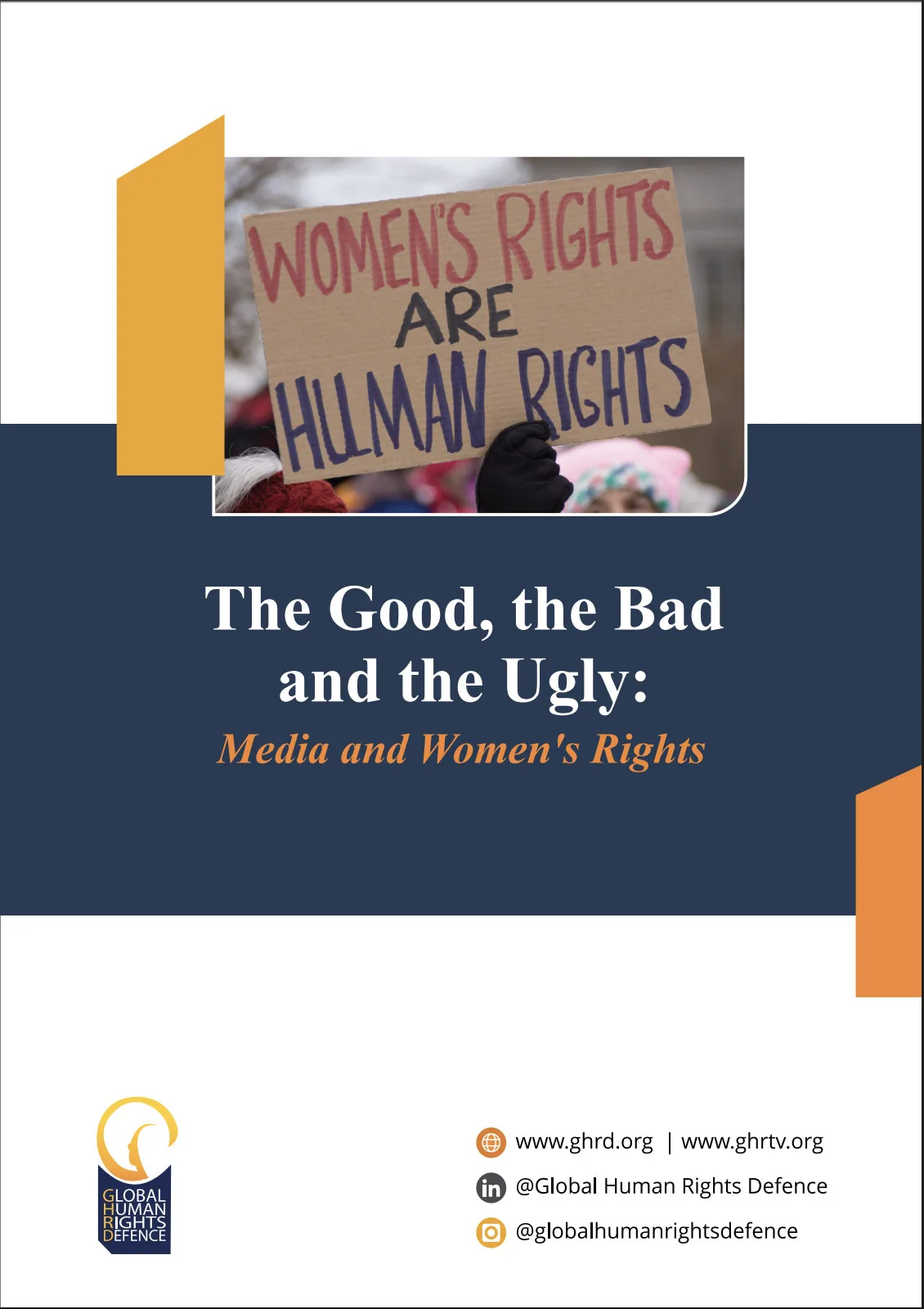
The Good, The Bad and The Ugly: Media and Women’s Rights
- Women's Rights Team
- 7 October 2023
As technology has advanced greatly in the past century, the scope of media has expanded as well. Media encompasses various components of mass communication in society, from its beginnings in print media and publishing, to photography, broadcasting, news media, digital media, and more. As such, the media has and continues to play a significant role in shaping societal perceptions. It is commonly referred to as the fourth estate or power due to its explicit and implicit role in framing political issues and discussions. Alongside the evolution of media, various socio-political movements have also taken place, such as the women’s rights and feminist movements. Though the two movements are at times very interconnected and used interchangeably, it is important to distinguish between the two; while the women’s rights movement revolves around the legal and institutional aspect focusing on rights, feminism is the broader movement that includes women’s rights but goes further to examine ideologies such as sexism, patriarchy, oppression, and gender.
The women’s rights movement and ideologies have taken form in various media, such as newspaper, literature, radio, television, social media, film, and so on. Undoubtedly, the media has played a significant role in the success of women’s rights and the distribution of its ideas; the first wave of feminism in the 19th and 20th century focused on women’s suffrage and the right to vote and was primarily spread through newspapers and other printed media such as pamphlets and bulletins. Though
newspaper readership has declined, they played an important role in circulating feminist ideas and women’s rights issues in Western society. American writer and activist Betty Friedan’s 1963 book, The Feminine Mystique, was integral to the second-wave movement due to its discussion of the unhappiness of typically white, middle-class women who struggled with their limited gender roles and isolation due to the suburban nuclear family. The third wave of feminism relies heavily on social media to spread its goals and ideas. In the words of the Council of Europe:
Never before in history have the media played such a major role in the socialisation of human beings and become such an integral and constant part of people’s everyday lives. The media have the power to transmit messages and images of the world. They are not simply mirrors of the world; they are active shapers of perceptions and ideas. Over the past 20 years, the media have become powerful and central actors in constructing and making sense of local and global social affairs. As institutions, they shape cultural and social attitudes, impact on politics and public policy, and even influence journalism. (Council of Europe, 2013).
As such, this report aims to highlight the effects of media, as well as social media, on women’s rights in the present day.
The women’s rights movement and ideologies have taken form in various media, such as newspaper, literature, radio, television, social media, film, and so on. Undoubtedly, the media has played a significant role in the success of women’s rights and the distribution of its ideas; the first wave of feminism in the 19th and 20th century focused on women’s suffrage and the right to vote and was primarily spread through newspapers and other printed media such as pamphlets and bulletins. Though
newspaper readership has declined, they played an important role in circulating feminist ideas and women’s rights issues in Western society. American writer and activist Betty Friedan’s 1963 book, The Feminine Mystique, was integral to the second-wave movement due to its discussion of the unhappiness of typically white, middle-class women who struggled with their limited gender roles and isolation due to the suburban nuclear family. The third wave of feminism relies heavily on social media to spread its goals and ideas. In the words of the Council of Europe:
Never before in history have the media played such a major role in the socialisation of human beings and become such an integral and constant part of people’s everyday lives. The media have the power to transmit messages and images of the world. They are not simply mirrors of the world; they are active shapers of perceptions and ideas. Over the past 20 years, the media have become powerful and central actors in constructing and making sense of local and global social affairs. As institutions, they shape cultural and social attitudes, impact on politics and public policy, and even influence journalism. (Council of Europe, 2013).
As such, this report aims to highlight the effects of media, as well as social media, on women’s rights in the present day.
✨ AI summary
As technology has advanced greatly in the past century, the scope of media has expanded as well. Media encompasses various components of mass communication in society, from its beginnings in print media and publishing, to photography, broadcasting, news media, digital media, and more. As such, the media has and continues to play a significant role in shaping societal perceptions. It is commonly referred to as the fourth estate or power due to its explicit and implicit role in framing political issues and discussions. Alongside the evolution of media, various socio-political movements have also taken place, such as the women’s rights and feminist movements. Though the two movements are at times very interconnected and used interchangeably, it is important to distinguish between the two; while the women’s rights movement revolves around the legal and institutional aspect focusing on rights, feminism is the broader movement that includes women’s rights but goes further to examine ideologies such as sexism, patriarchy, oppression, and gender.
The women’s rights movement and ideologies have taken form in various media, such as newspaper, literature, radio, television, social media, film, and so on. Undoubtedly, the media has played a significant role in the success of women’s rights and the distribution of its ideas; the first wave of feminism in the 19th and 20th century focused on women’s suffrage and the right to vote and was primarily spread through newspapers and other printed media such as pamphlets and bulletins. Though
newspaper readership has declined, they played an important role in circulating feminist ideas and women’s rights issues in Western society. American writer and activist Betty Friedan’s 1963 book, The Feminine Mystique, was integral to the second-wave movement due to its discussion of the unhappiness of typically white, middle-class women who struggled with their limited gender roles and isolation due to the suburban nuclear family. The third wave of feminism relies heavily on social media to spread its goals and ideas. In the words of the Council of Europe:
Never before in history have the media played such a major role in the socialisation of human beings and become such an integral and constant part of people’s everyday lives. The media have the power to transmit messages and images of the world. They are not simply mirrors of the world; they are active shapers of perceptions and ideas. Over the past 20 years, the media have become powerful and central actors in constructing and making sense of local and global social affairs. As institutions, they shape cultural and social attitudes, impact on politics and public policy, and even influence journalism. (Council of Europe, 2013).
As such, this report aims to highlight the effects of media, as well as social media, on women’s rights in the present day.
The women’s rights movement and ideologies have taken form in various media, such as newspaper, literature, radio, television, social media, film, and so on. Undoubtedly, the media has played a significant role in the success of women’s rights and the distribution of its ideas; the first wave of feminism in the 19th and 20th century focused on women’s suffrage and the right to vote and was primarily spread through newspapers and other printed media such as pamphlets and bulletins. Though
newspaper readership has declined, they played an important role in circulating feminist ideas and women’s rights issues in Western society. American writer and activist Betty Friedan’s 1963 book, The Feminine Mystique, was integral to the second-wave movement due to its discussion of the unhappiness of typically white, middle-class women who struggled with their limited gender roles and isolation due to the suburban nuclear family. The third wave of feminism relies heavily on social media to spread its goals and ideas. In the words of the Council of Europe:
Never before in history have the media played such a major role in the socialisation of human beings and become such an integral and constant part of people’s everyday lives. The media have the power to transmit messages and images of the world. They are not simply mirrors of the world; they are active shapers of perceptions and ideas. Over the past 20 years, the media have become powerful and central actors in constructing and making sense of local and global social affairs. As institutions, they shape cultural and social attitudes, impact on politics and public policy, and even influence journalism. (Council of Europe, 2013).
As such, this report aims to highlight the effects of media, as well as social media, on women’s rights in the present day.
Share this report
Facebook
X
LinkedIn
WhatsApp