
Introduction
Witchcraft is a system of beliefs that exists around the world, but its societal perception in Africa is unique. In the Democratic Republic of the Congo (DRC), witchcraft predominantly affects children accused of Kindoki (Save the Children UK, 2005). While these beliefs are rooted in cultural and social traditions, accusing children of being witches also leads to severe consequences. In an environment where children already face heightened violence, witchcraft accusations have often justified the mistreatment, mutilation, and even killing of children, all in the name of protecting others from evil spirits (UNICEF Liberia, 2023).
The Convention on the Rights of the Child (CRC) seeks to protect all children from violence and enshrines the minimum standard of rights and obligations on states. Abuse and violence linked to faith and belief against those branded as witches or possessed are often under-reported. While the DRC has criminalised the act of accusing a child of witchcraft, its weak enforcement exacerbates the human rights violations against these children.
This article aims to explore Kindoki in the DRC and examine the human rights violations it incurs.
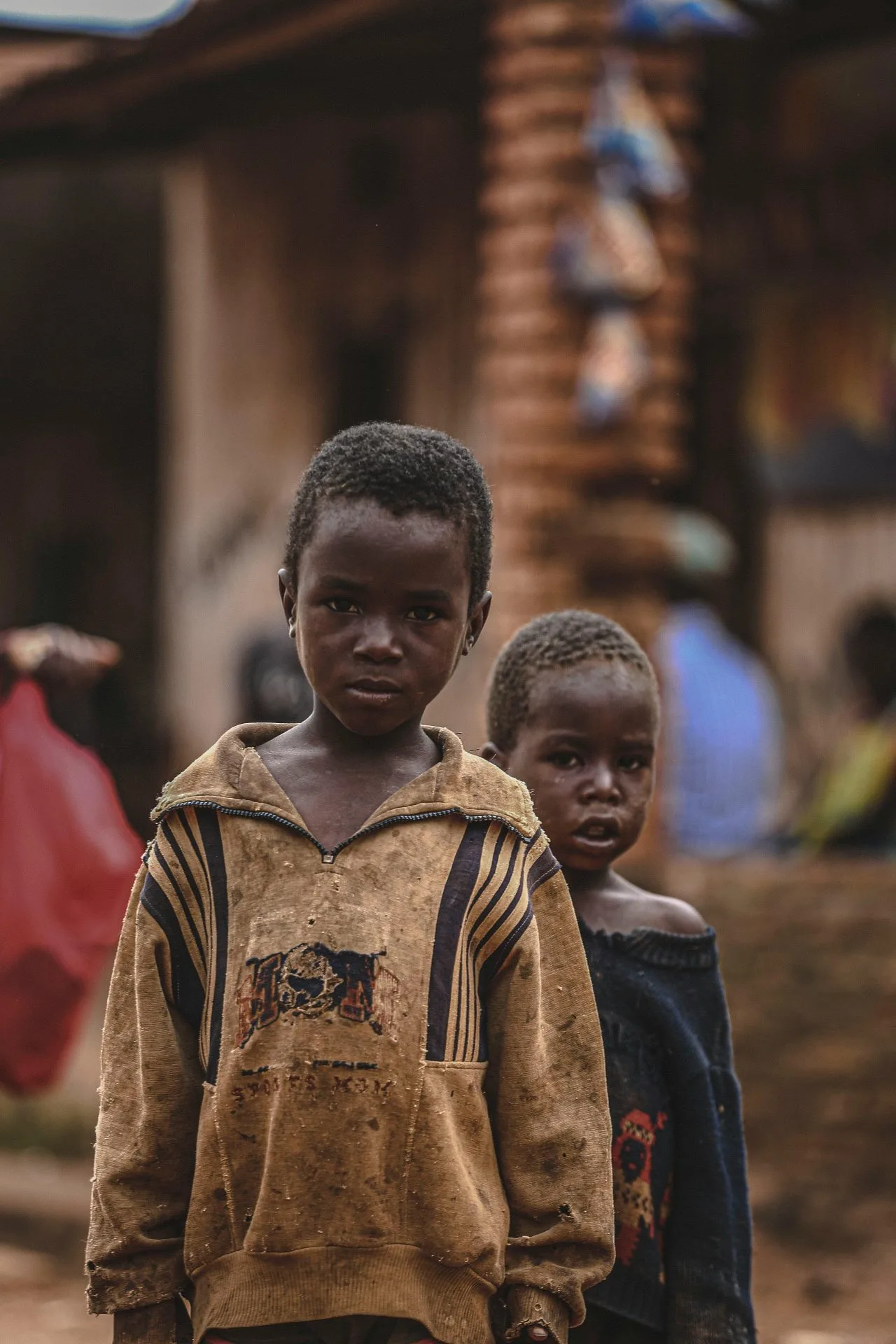
Kindoki, Witchcraft, and Evil Spirits
Witchcraft plays a complex role in African societies and social realities. While spiritual explanations for misfortune have long existed, the modern concept of witchcraft has been influenced by colonial and missionary narratives (Cimpric, 2010). This has reshaped and intensified fears around evil forces. Nowadays, harmful practices emanating from accusations of witchcraft and ritual attacks (HPAWR) are widely recognised as contributing to serious human rights violations that disproportionately affect those already marginalised (The Pan African Parliament, 2021).
The belief in evil spirits is often reinforced by structural challenges such as poverty, political instability, and economic crises (Amsellem, 2023). In the context where access to education and healthcare remains limited, supernatural explanations have become a way of interpreting hardship and uncertainty (Ballet, Dumbi and Lallau, 2009). Hence, misfortune is frequently attributed to invisible forces believed to influence the visible world. Historical factors have further intensified these beliefs since the 1990s. For instance, the prominent rise in the use of child soldiers during conflicts have disrupted family structures and social norms.
While accusations of witchcraft used to be aimed at elderly women, the shift towards children can be found in societal and religious reasons. Internal armed conflicts have also resulted in weakened family systems and volatilities, making children vulnerable to abuse as scapegoats (Cimpric, 2010). The families’ inability to meet basic needs of children has further enhanced the accusation of children as witches, in order to cast them away and relieve financial strain on families (Cimpric, 2010). As such, witchcraft accusations in the DRC are directed towards children because of family breakdown, poverty, and urbanisation. The reintegration of these children into communities, combined with a change in economic roles and the rise of unregulated evangelical movements, has contributed to the normalisation of violence against children (OFPRA, 2015).
As a result, children in the DRC are particularly vulnerable to the accusation of Kindoki. They are labelled as sources of misfortune or the embodiment of evil by family members or religious figures, seeking to explain personal or collective suffering (Amsellem, 2023). Children, often those with illness, disabilities, or behavioural differences, are especially at risk of becoming scapegoats. From this understanding, accusations of witchcraft serve to legitimise harmful actions, allowing individuals to rationalise abuse (Behringer, 2004).
The contemporary understanding of witchcraft in the DRC is best understood as an intersection of traditional African beliefs and specific interpretations of Christianity. Following the country’s transition to a secular state in 2006, the rapid growth of independent churches occurred with limited state oversight. In this context, self-appointed pastors have been able to exploit widespread fear and limited education to reinforce beliefs of Kindoki (Amsellem, 2023). Behaviours or conditions, such as bedwetting, albinism, epilepsy, are now interpreted as signs of possession by evil spirits. According to a report by Save the Children (2005), some of the signs of Kindoki include strange appearances, and aggressive, untidy and incomprehensible solitary characters.
With the belief in Kindoki also comes the intensified feeling of fear. It is often thought that the transmission of Kindoki may be acquired by birth or passed on from other family members (Save the Children UK, 2005). Moreover, the perception that witchcraft causes harm, spreads illness, and bad luck, fuels support for practices intended to cure or remove evil spirits. These practices frequently take the form of exorcisms, which operate on the belief that suffering is necessary for purification. As a result, acts such as beatings, burning, cutting and torture are normalised, posing severe risks to the physical and psychological state of the child.
In short, witchcraft serves as a collective explanation to fill senseless voids in the war-torn country. It is now entrenched and remains a big phenomenon in the DRC (Degorge, n.d.).
How are Children Affected?
Children accused of Kindoki in the DRC experience severe consequences. Notably, three groups of children are particularly vulnerable to Kindoki accusations: orphans, those with physical and mental impairments, and those with special health conditions (Cimpric, 2010).
One of the most direct consequences is physical violence. Accused children are often subject to harmful exorcism rituals intended to expel evil spirits. Churches and pastors play a significant role in legitimising these practices within rural communities by performing these services, reinforcing the belief that the child is possessed. Practices have been documented to include prolonged starvation, isolation, cutting, being chained, and living in subpar conditions (Cimpric, 2010).
In addition to physical harm, these children also suffer from significant psychological trauma. Being accused as witches brings along shame and fear, leading children to internalise these feelings and damage their self-worth (Skrdlik, 2022). The stigma attached to being accused of Kindoki results in social rejection, abandonment and exclusion from their community. Moreover, these children often either run away from their home to stop their suffering, or are rejected by their families. This in turn, results in children forced to live on the street to survive (Skrdlik, 2022). Children in this situation also become highly vulnerable to sexual violence and further abuse, or in extreme cases, infanticide.
Besides the trauma they suffer from, accusing children of witchcraft also results in the denial of their basic rights. While often already vulnerable with limited access to opportunities, the stigmatisation also means they are further shunned from education and healthcare (Cimpric, 2010). This issue is further compounded by the invisibility of the affected children, who often end up being grouped together with other street children and delinquents, allowing the practice of Kindoki and its associated abuse to persist.
What does the Law Say?
In theory, the legal framework in the DRC provides significant protection for children. The Congolese Constitution defines a child as persons under 18 years of age in Article 41. The DRC recognises the CRC and the significance of international treaties that promote the rights of a child. The CRC, importantly, stipulates four main principles: non-discrimination, the best interest of the child, the right to life, survival and development, and respect for the views of the child (Amsellem, 2023). Furthermore, Article 19 of the CRC requires states to protect children against violence, both physically and mentally. General Comment No. 13 of the CRC also specifies the right of a child to freedom from the accusation of witchcraft and other harmful religious practices.
At the national level, Law No. 09/001 was passed in 2009 on the protection of children, with Article 161 specifically mentioning the prohibition of the accusation of witchcraft. This law also expanded the protection of the child against abandonment, sexual abuse and exploitation. The current Penal Code of the DRC specifically outlines witchcraft in Article 78, where accusing someone of witchcraft constitutes an offence. This aimed to curb superstitious beliefs and committing violence against those accused. However, the concept of witchcraft and Kindoki is not recognised by the Congolese legal framework, despite the prohibition of others of accusing a person as a witch. The contradiction within the legal framework therefore brings ambiguity when enforcing and cannot effectively challenge the deeply rooted cultural phenomenon of Kindoki.
At the regional level, the African Charter on Human and Peoples’ Rights guarantees similar rights as those stipulated in international conventions. While it does not mention witchcraft directly, consequences of HPAWR should be understood as a limitation to the right to health, education, displacement and other essential rights outlined (Amsellem, 2023).
Despite relative comprehensive legislation attempting to limit violations and accusations of Kindoki, implementation remains weak. Accusations of Kindoki are widespread across the DRC, and are often socially accepted as legitimate explanations for misfortunes. As a result, violations against children frequently go unreported and unpunished. At the time of writing, the courts have not heard a single case of witchcraft accusations, highlighting the gap between the theoretical enforcement of the law and actual practice. While criminalisation is a necessary step, legal approaches should also focus on addressing the harmful practices and rituals that follow (Pan African Parliament, 2021).
Nevertheless, it should be noted that the National Court of Asylum (CNDA) has recognised children accused of witchcraft as a special social group, whose discriminatory treatment and stigmatisation could affect them severely (CNDA, 2025). This signals an important first step into the protection of children.
Why does Kindoki Persist?
Kindoki was identified as a new phenomenon in 2003, now 23 years later, it continues to be widespread across the DRC (Cimpric, 2010). While there has been some decline in visibility due to increased awareness and intervention efforts, Kindoki continues to persist because it fulfils important social and psychological functions (Malu-Malu, 2022). As such, the belief is deeply embedded in the everyday life of Congolese and is unlikely to disappear without addressing the broader conditions that sustain it.
The exploitation of belief systems by religious leaders is one of the main factors contributing to modern day Kindoki. While there has been an increase in education and demystifying beliefs, churches and self-proclaimed pastors continue to reinforce the idea of Kindoki. By fuelling such beliefs, pastors can charge families for exorcism services (Hutton, 2022). The financial incentive to sustain and spread the belief of Kindoki not only legitimises the accusations but transforms them into a source of income in a poverty-ridden community.
Poverty also plays a central role. Accusing a child of Kindoki can serve as a coping mechanism to explain economic hardship and reduce the number of dependents within a family. Empirically, economically stable neighbourhoods see significantly less witchcraft accusations, highlighting the link between material insecurity and the persistence of the belief (Malu-Malu, 2022). This suggests that the need to strengthen the social protection system nationally and improve the access to financial support can be crucial to the reduction of accusations and violations it brings. Simply put, children continue to be perceived as the main source of the families economic unfortunes, to combat poverty would be to combat witchcraft.
Moreover, another reason that contributed to the endurance of Kindoki is the transition to urban modernity. With traditional community structures weakening and social cohesion disrupting, Kindoki represents an invisible order that helps people make sense of the fragmented world they come across (Blanes, 2017). The reoccurring denominators that lead to Kindoki accusations also eventually results in children seeking refuge in the streets. Since 2006, over half of the estimates number of street children are believed to have been accused of witchcraft and separated from their families (Cimpric, 2010).
In the last few years, there has been a rise in children accused of Kindoki alongside the resurgence of the M23 (Agenzia Fides, 2025). While the conflict has seen a decrease in children living on the streets in fear of being forcibly recruited by armed groups, this also means that children are returning to families that have once tortured and violated them from witchcraft accusations (Kasong, 2026).
Ultimately, the persistence of Kindoki is a combination of economic hardship, social instability, and exploitation of a belief system. Without tackling these underlying causes, accusations of Kindoki are likely to continue to affect vulnerable children across the DRC.
Conclusion
The practice of Kindoki in the DRC highlights the tension between deeply rooted cultural/spiritual beliefs and the fundamental rights of a child. While the need of such beliefs as an explanation for misfortunes and uncertainties may seem reasonable, the consequences for children are unjustifiable. Accusing children of Kindoki exposes them to violence, exploitation and abandonment, stripping them of their dignity and denying their basic rights.
Addressing the issue of Kindoki therefore requires not only legal measures with effective enforcement, but also must place greater emphasis on education, raising awareness, and efforts to eradicate poverty. Ensuring the safety and dignity of children must remain paramount, hence regional and international attention must bring an end to these harmful practices.
Bibliography
Agenzia Fides. (2025). Les Enfants, Victimes Muettes de law Guerre: Temoignage de bukavu. https://www.fides.org/fr/news/76428-AFRIQUE_R_D_CONGO_Les_enfants_victimes_muettes_de_la_guerre_temoignage_de_Bukavu. Accessed April 2, 2026.
Amsellem, L. (2023). Accusations of Witchcraft Against Children in the Democratic Republic of Congo and the Law. McGill Centre for Human Rights and Legal Pluralism. Accessed March 30, 2026.
Behringer, W. (2004). Witches and Witch-Hunts: A Global History. Cambridge, Polity Press.
Blanes, R. (2017). The Ndoki Index: Sorcery, Economy, and Invisible Operations in the Angolan Urban Sphere. In: Rio, K., MacCarthy, M., Blanes, R. (eds) Pentecostalism and Witchcraft. Contemporary Anthropology of Religion. Palgrave Macmillan, Cham. https://doi.org/10.1007/978-3-319-56068-7_4. Accessed April 2, 2026.
Cimpric, A. (2010). Children Accused of Witchcraft: An anthropological study of contemporary practices in Africa, Dakar, UNICEF WCARO. Accessed April 1, 2026.
CNDA. (2025). République démocratique du Congo : La CNDA juge qu’en RDC, les femmes ne constituent pas un groupe social, à la différence des enfants accusés de sorcellerie deve. https://www.cnda.fr/decisions-de-justice/dernieres-decisions/republique-democratique-du-congo-la-cnda-juge-qu-en-rdc-les-femmes-ne-constituent-pas-un-groupe-social-a-la-difference-des-enfants-accuses-de-s. Accessed April 2, 2026.
Degorge, V. (n.d.). Les Enfants Dits “Sorciers” dans Les Rues Congolaises. Olivier Douville. https://www.olivierdouvile.com/articles/les-enfants-dits-sorciers-dans-les-rues-congolaises. Access April 1, 2026.
Hutton, M. (2022). RDC: comment expliquer l’essor du phénomène des “enfants sorciers?” TV5 Monde Info. https://information.tv5monde.com/afrique/rdc-comment-expliquer-lessor-du-phenomene-des-enfants-sorciers-492624. Accessed March 30, 2026.
Ballet, Dumbi and Lallau. (2009). “Enfants sorciers à Kinshasa (RD Congo) et développement des Églises du Réveil”. Mondes en Développement 47.
Kasong, C. (2026). Enfants des rues Bukavu : 13 000 mineurs livrés à eux-mêmes entre pauvreté et sorcellerie. https://www.congoquotidien.com/2026/02/25/enquete-enfants-rues-bukavu-sud-kivu-2/. Accessed April 2, 2026.
Malu-Malu, A. (2022). RDC – Enfants-Sorciers: En Finir Avec Leur Calvaire. Jeune Afrique. https://www.jeuneafrique.com/1357944/societe/rdc-enfants-sorciers-en-finir-avec-leur-calvaire/. Accessed April 1, 2026.
OFPRA. (2015). République du Congo: violences contre des personnes accusées de sorcellerie et les pratiques de désenvoutement des Eglises chrétiennes. https://www.refworld.org/reference/countryrep/fraofpra/2015/111875. Access March 30, 2026.
Save the Children UK (2005). The invention of Child Witches. Social Cleansing, Religious Commerce and the Difficulties of Being a Parent in an Urban Culture. https://resourcecentre.savethechildren.net/document/invention-child-witches-social-cleansing-religious-commerce-and-difficulties-being-parent. Accessed March 29, 2026.
Skrdlik, J. (2022). Africa: Witchcraft Accusations Against Children Still Prevalent. OCCRP. https://www.occrp.org/en/news/africa-witchcraft-accusations-against-children-still-prevalent. Accessed April 1, 2026.
The Pan African Parliament, Accusations of witchcraft and ritual attacks: Towards eliminating harmful practices and Other human rights violations, Report and preliminary guidelines for Parliamentarians (2021).
UNICEF Liberia (2023). UNICEF and Partners Bring Hope to Children Accused of ‘Witchcraft’ in Liberia. https://www.unicef.org/liberia/stories/unicef-and-partners-bring-hope-children-accused-witchcraft-liberia. Accessed March 29, 2026.