
Reports
- GHRD Team
- 17 March 2022
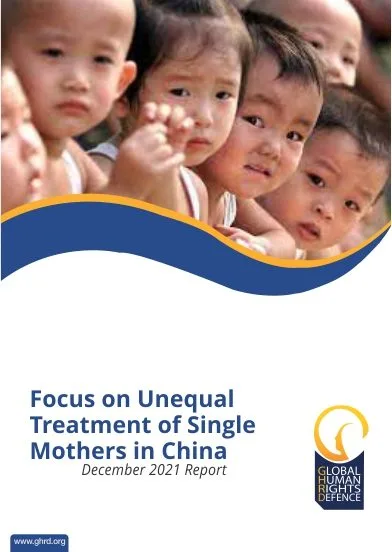
Single mothers in China face unequal treatment despite recent efforts to encourage population growth. Although childbirth outside marriage is not explicitly illegal, unmarried mothers are often denied maternity benefits, childcare support, and access to public services. This report highlights how existing regulations and social norms continue to disadvantage single mothers through case studies, legal analysis, and policy review, underscoring the need for reform to ensure equal rights regardless of marital status.
- Europe Team
- 17 March 2022
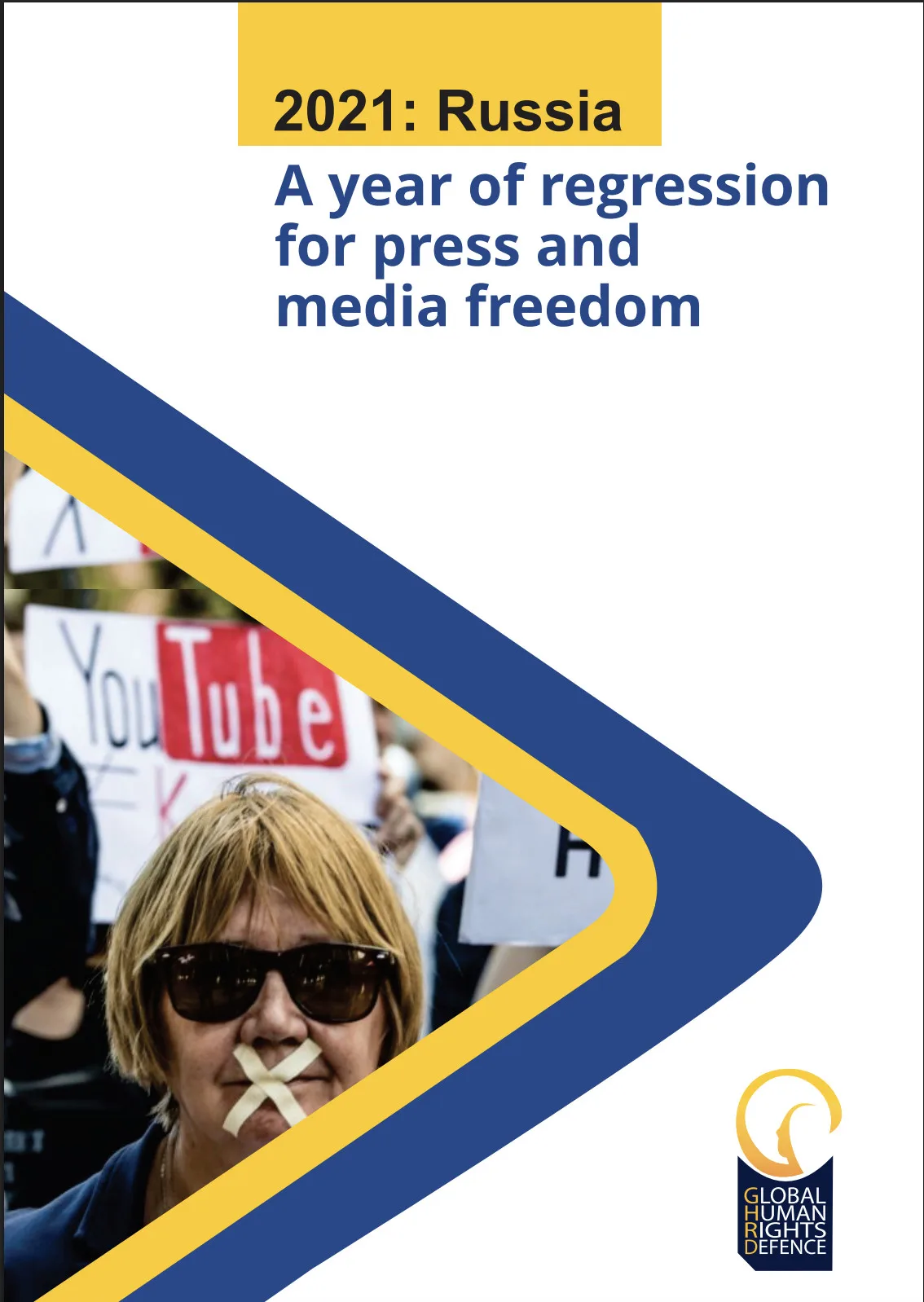
In 2021, press and media freedom in Russia experienced a sharp decline due to increased state control and repression. The government used restrictive laws, censorship, and intimidation to silence independent journalists and media outlets. Online platforms were heavily regulated, and foreign journalists were expelled, further limiting free expression and public access to unbiased information.
- Europe Team
- 1 February 2022
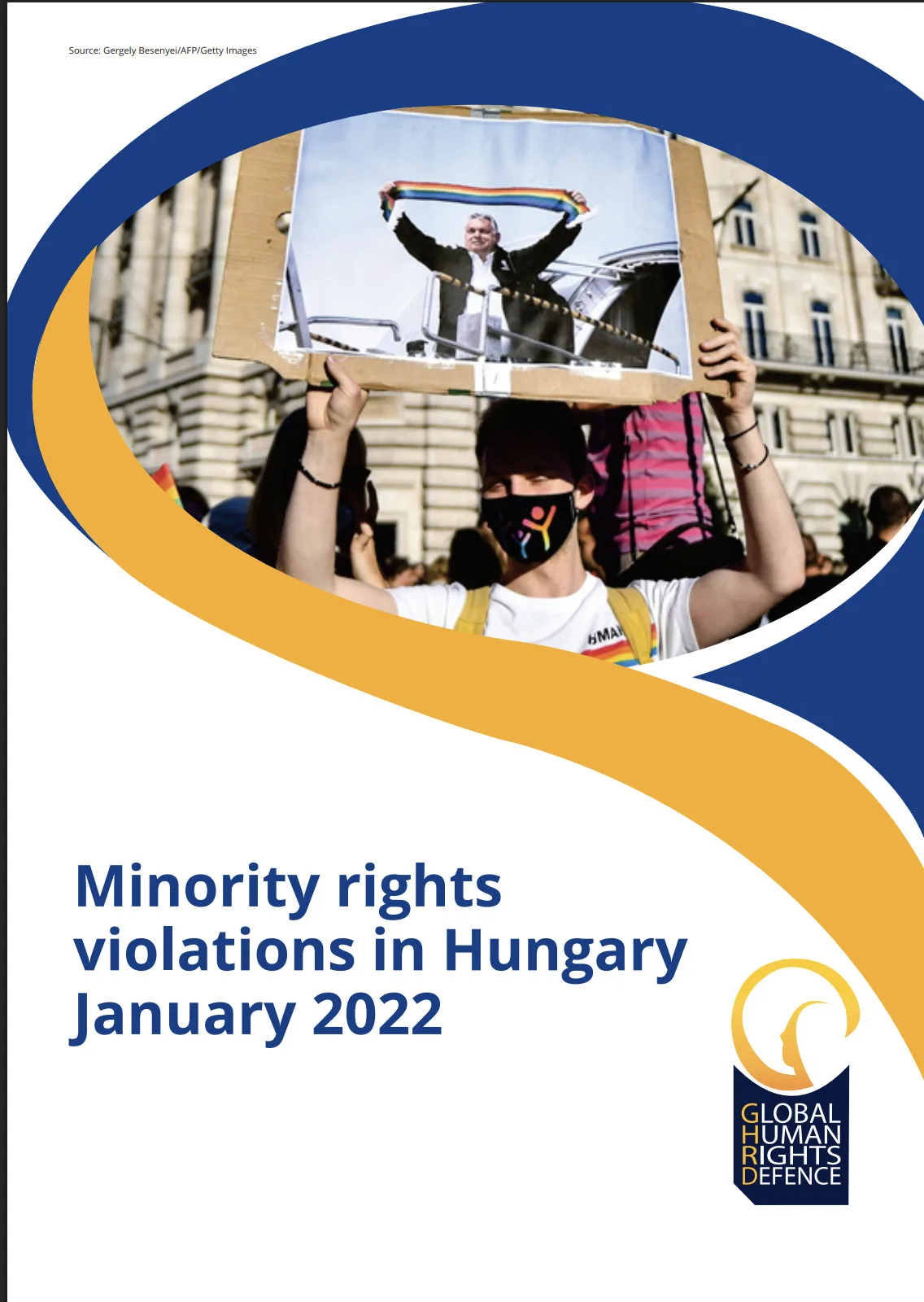
The report highlights the systematic erosion of minority rights in Hungary under the government of Prime Minister Viktor Orbán. It focuses on two key areas: discriminatory legislation targeting the LGBT+ community and restrictive policies against migrants and asylum seekers. Since 2010, constitutional amendments and new laws have limited freedom of expression, criminalised support for asylum seekers, and promoted exclusionary narratives under the guise of protecting national and family values. These measures have repeatedly been condemned by the European Union, the Council of Europe, and the Court of Justice of the European Union for violating fundamental rights and democratic principles. Despite legal rulings and international pressure, Hungary has shown little willingness to reverse these policies, raising serious concerns about the rule of law and the future of minority protection in the country
- GHRD Team
- 5 January 2022
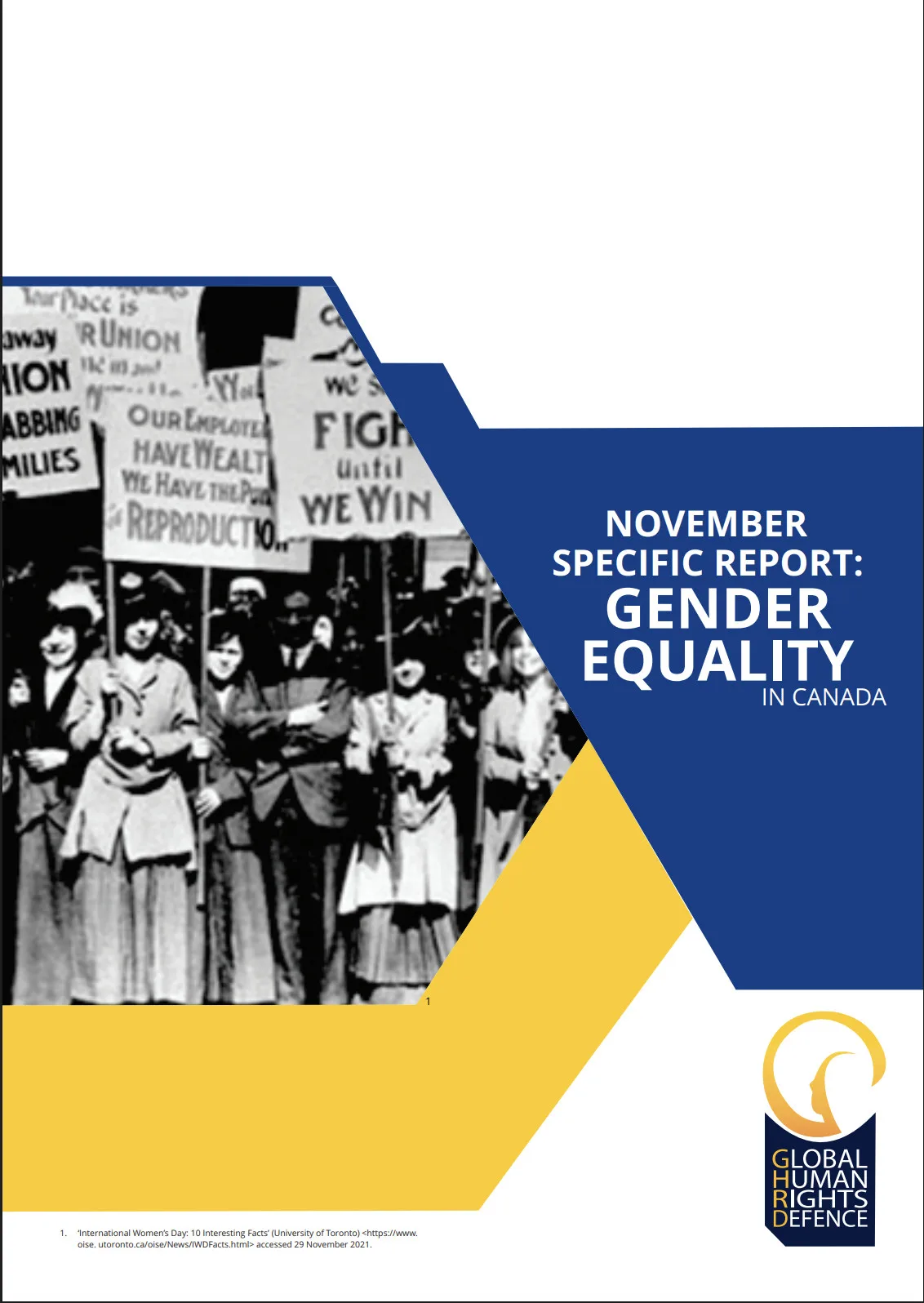
The concept of gender equality is regarded as a fundamental right in many nations today and is
considered by many to be an absolute necessity in order to create a peaceful, prosperous, and sustainable world. Accordingly, gender equality is defined as equal rights, responsibilities, and
opportunities for all genders and contains a wide spectrum of constituents such as but not limited to
the right to liberty and security, right to education and work, and the right to be not discriminated
- GHRD Team
- 5 January 2022
September 2021 marked a new era for women’s and other individuals with gestational capacity
reproductive rights in Latin America, particularly in Mexico. The Mexican Supreme Court, the highest
judicial authority in the country, issued two landmark rulings that further contribute to reproductive
justice, promoting and ensuring fundamental human rights in the Americas.
- GHRD Team
- 5 January 2022
Ciudad Juárez, Mexico is considered to be one of the most dangerous cities in the world. Drugs, cartels,
violence, and corruption are the main problems of this city in the Mexican state of Chihuahua (“Ciudad
Juarez Population 2021 (Demographics, Maps, Graphs)”, 2021). The drug trafficking business and
subsequent criminality cause daily hindrances to many Mexicans living in this city. However, the main
victims of crimes such as homicide, enforced disappearances and other serious offences that constitute
gender as a motive are, in fact, women. In 2009, an incident that took place in Ciudad Juárez became a
symbolic case through which the Inter-American Court of Human Rights
- GHRD Team
- 5 January 2022
Between September and December 2021, Mexico faced persistent human rights challenges across multiple sectors. Key developments included issues related to reproductive rights, migration, freedom of expression, and the protection of vulnerable and indigenous communities. This report reviews significant cases and policy responses during the period, highlighting ongoing gaps between legal commitments and effective human rights protection.