
Articles
- Alejandra Martínez Otero-Saavedra
- 18 May 2026
- Human Rights Violations, Indigenous Communities
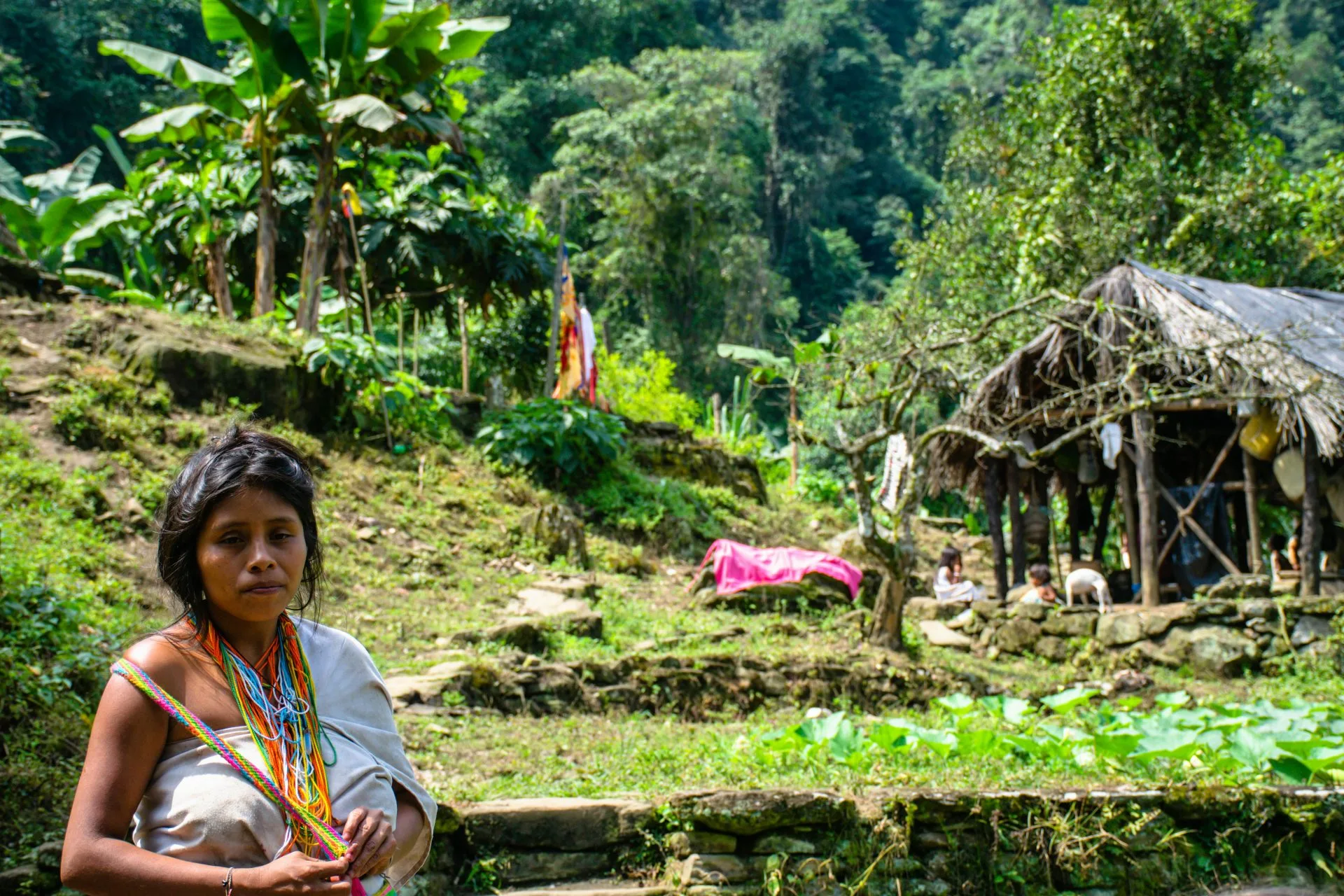
This article examines the worsening humanitarian situation faced by Indigenous peoples in Colombia amid escalating armed conflict and political instability. It highlights mass displacement, confinement, targeted killings of Indigenous leaders, forced recruitment of children, and the disproportionate impact of violence on Indigenous and Afro-descendant communities. The article also discusses the role of armed groups, extractive industries, and weak implementation of legal protections in perpetuating the crisis.

- Asia Team
- 17 May 2026
- Forced Labour, Labour Rights
This article examines labour rights in China, highlighting the gap between statutory protections and their implementation. It explores restrictions on independent trade unions, exploitation of migrant and technology-sector workers, allegations of forced labour in Xinjiang, and the challenges posed by state control over labour representation and civil society.
- Asia Team
- 15 May 2026
- Freedom of Assembly, Pakistan, Women's Rights
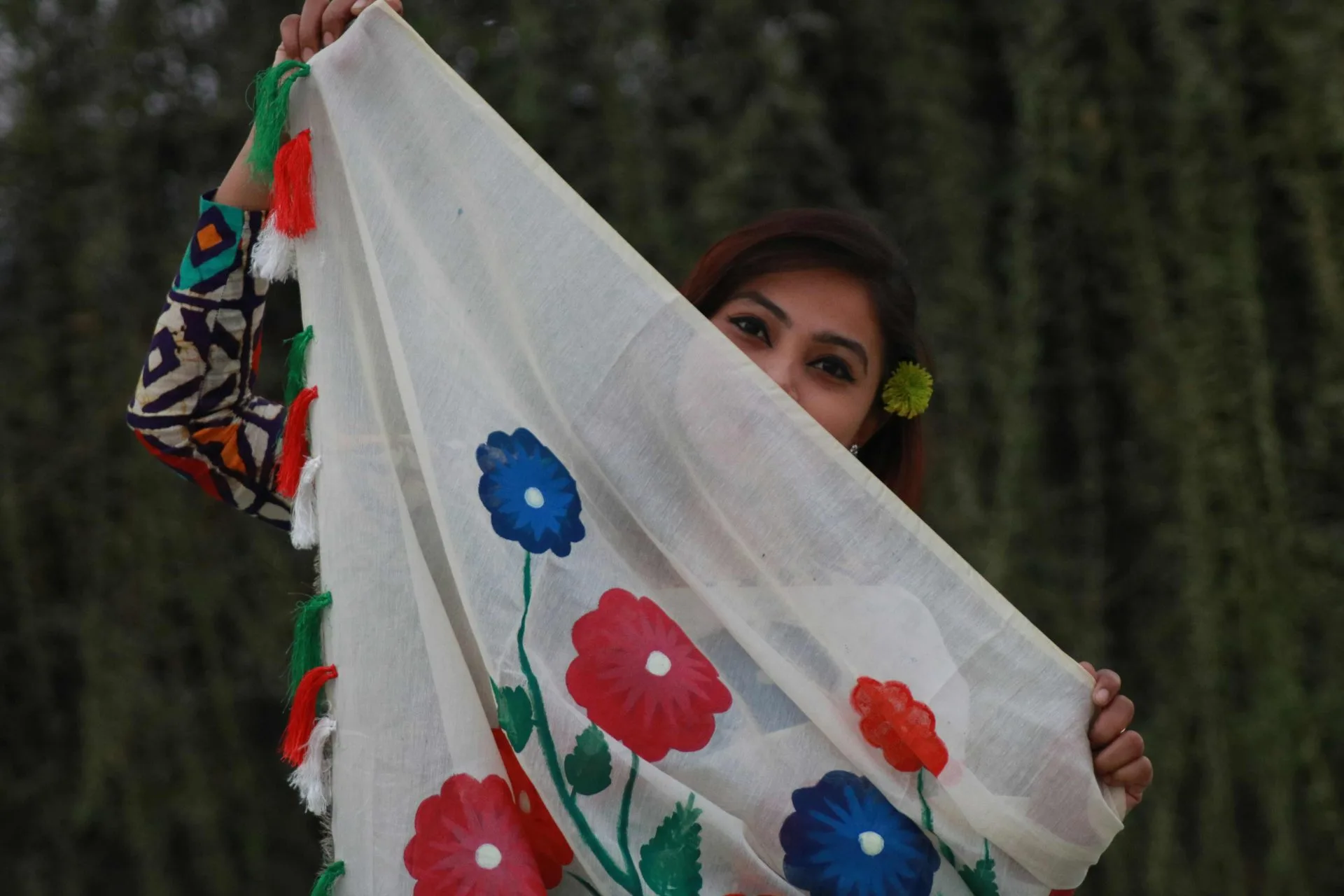
This article examines the arrest and detention of women participating in the 2026 Aurat March in Islamabad, Pakistan, and analyses the events through the lens of international human rights law. It argues that the authorities’ use of preventive legal provisions to block peaceful demonstrations reflects a broader pattern of suppressing women-led activism, drawing parallels with previous crackdowns on protesters. The article highlights potential violations of the rights to peaceful assembly, freedom of expression, and legal representation under the International Covenant on Civil and Political Rights (ICCPR).
- GHRD Team
- 15 May 2026
- Human Rights, Refugee Rights, Statelessness
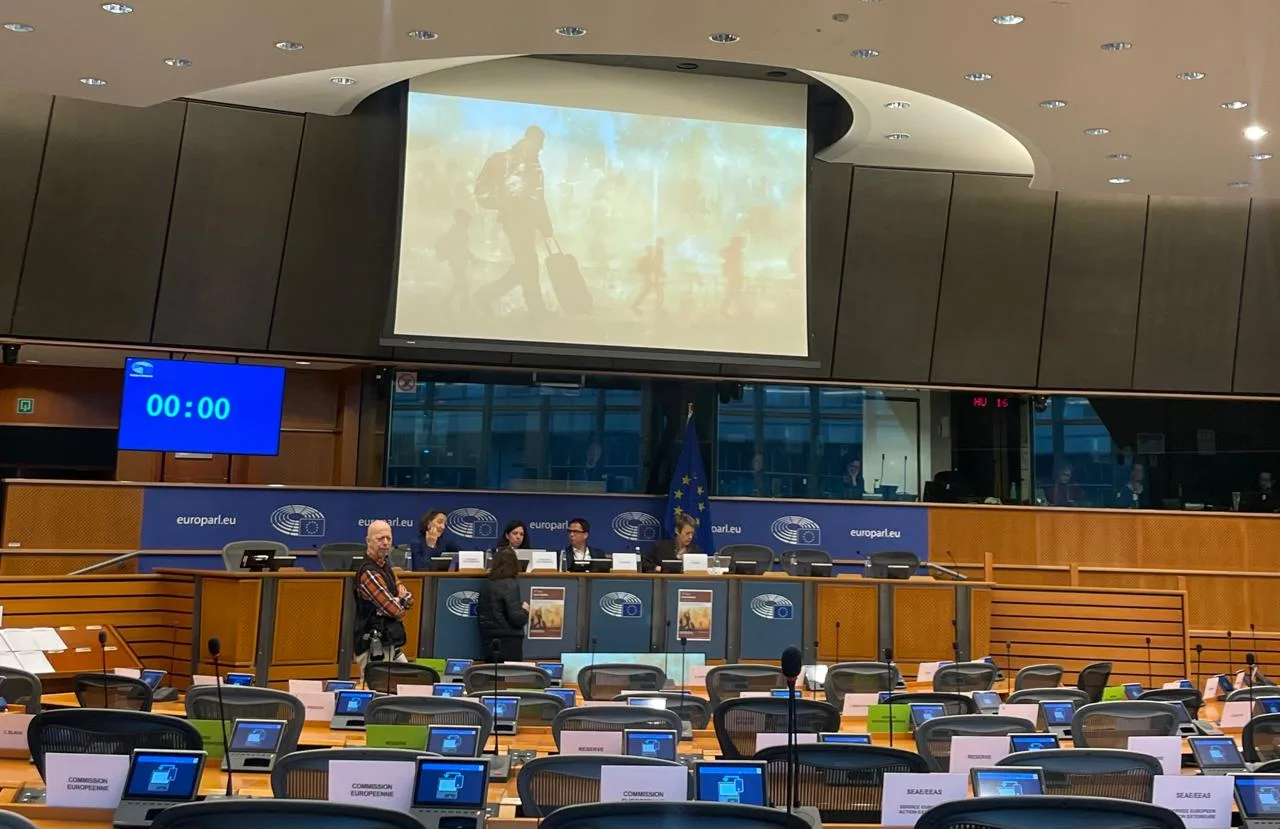
This article summarises a European Parliament exchange of views on statelessness, forced exile, and the deprivation of nationality as tools of repression. Speakers highlighted how authoritarian governments and discriminatory legal systems leave millions without nationality, restricting access to healthcare, education, documentation, and protection. Testimonies from Nicaragua and the Rohingya community illustrated the severe human consequences of forced displacement and denationalisation, while experts and civil society representatives called for stronger EU sanctions, more coherent foreign policy, improved asylum protections, and sustained international accountability efforts.
- GHRD Team
- 15 May 2026
- Human Rights, Kashmir, Terrorism
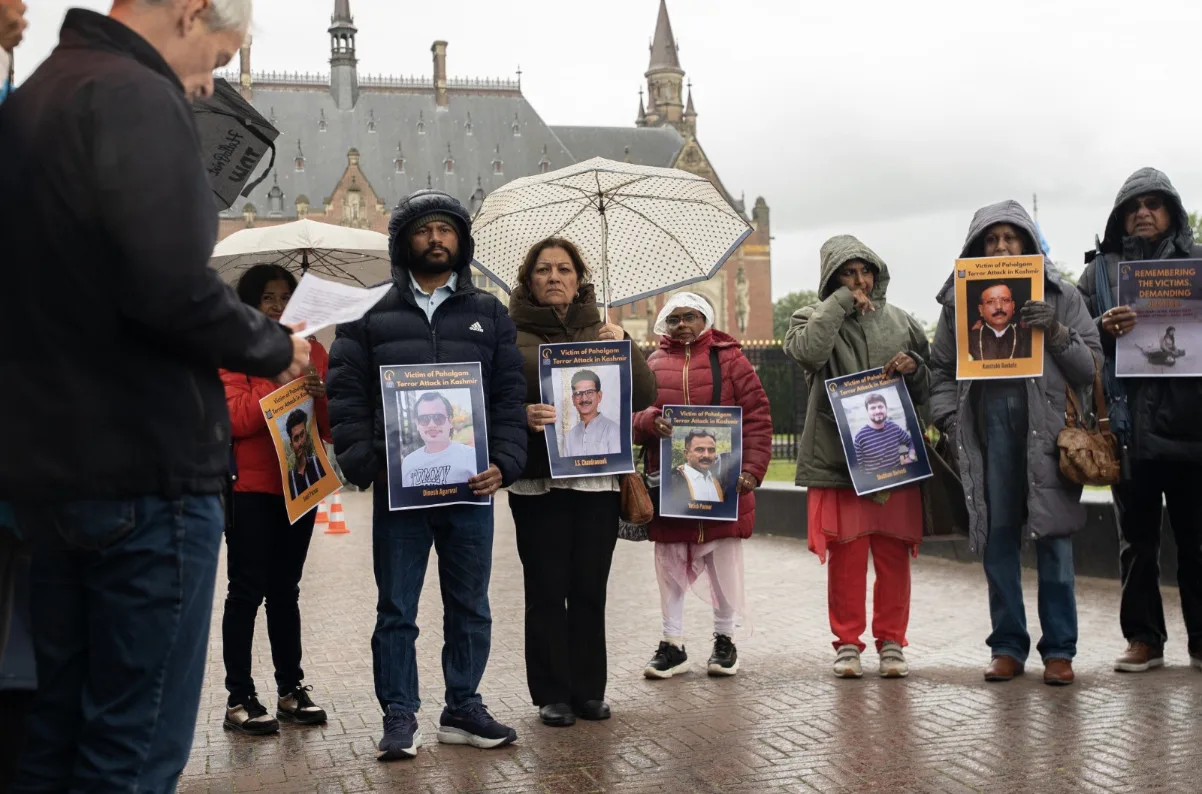
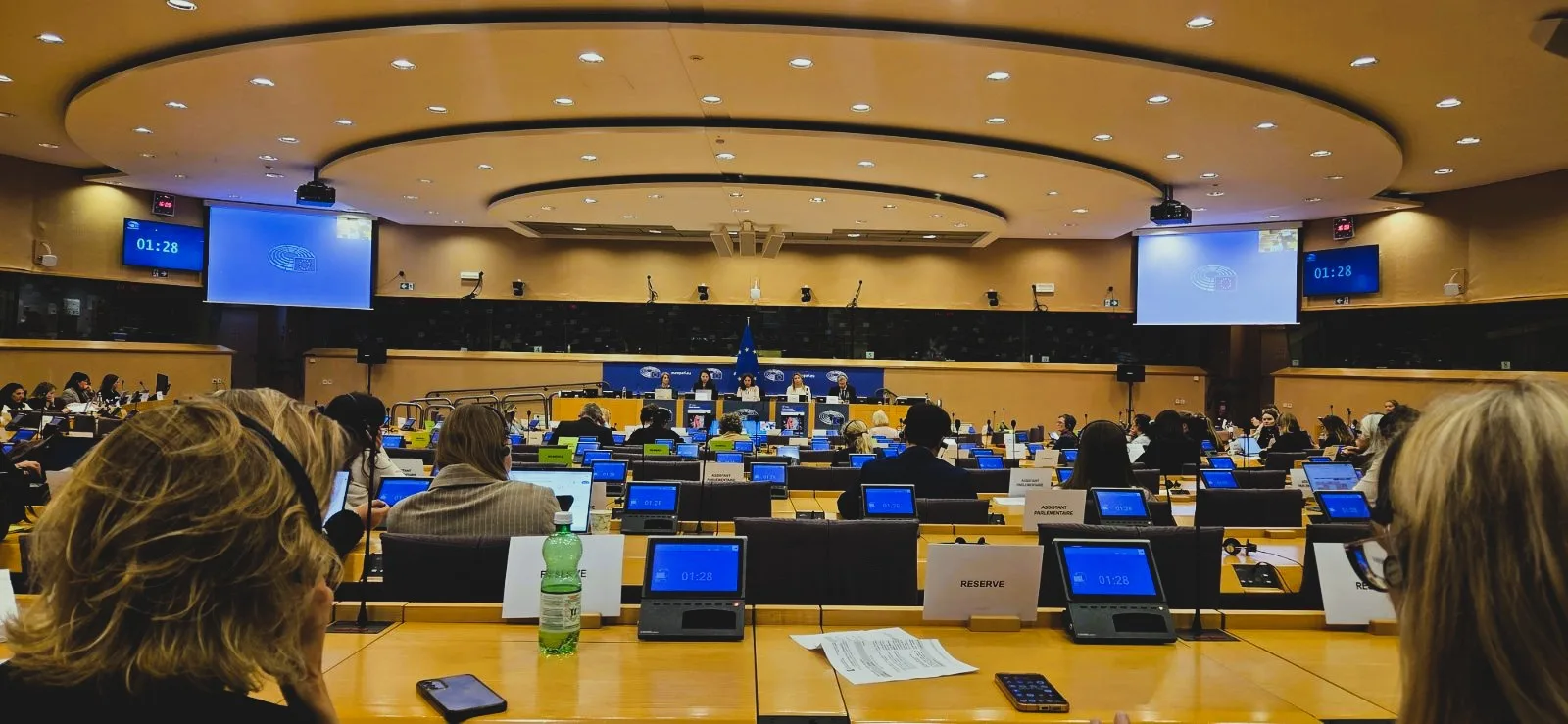
This press release highlights GHRD’s peaceful protest at the Peace Palace in The Hague marking the anniversary of the Pahalgam Kashmir attack. The event honoured the victims, condemned terrorism, and called for justice, accountability, minority protection, and stronger international cooperation to promote peace and security in Kashmir.
- GHRD Team
- 8 May 2026
- AI Regulation, Digital Rights, Gender Based Violence
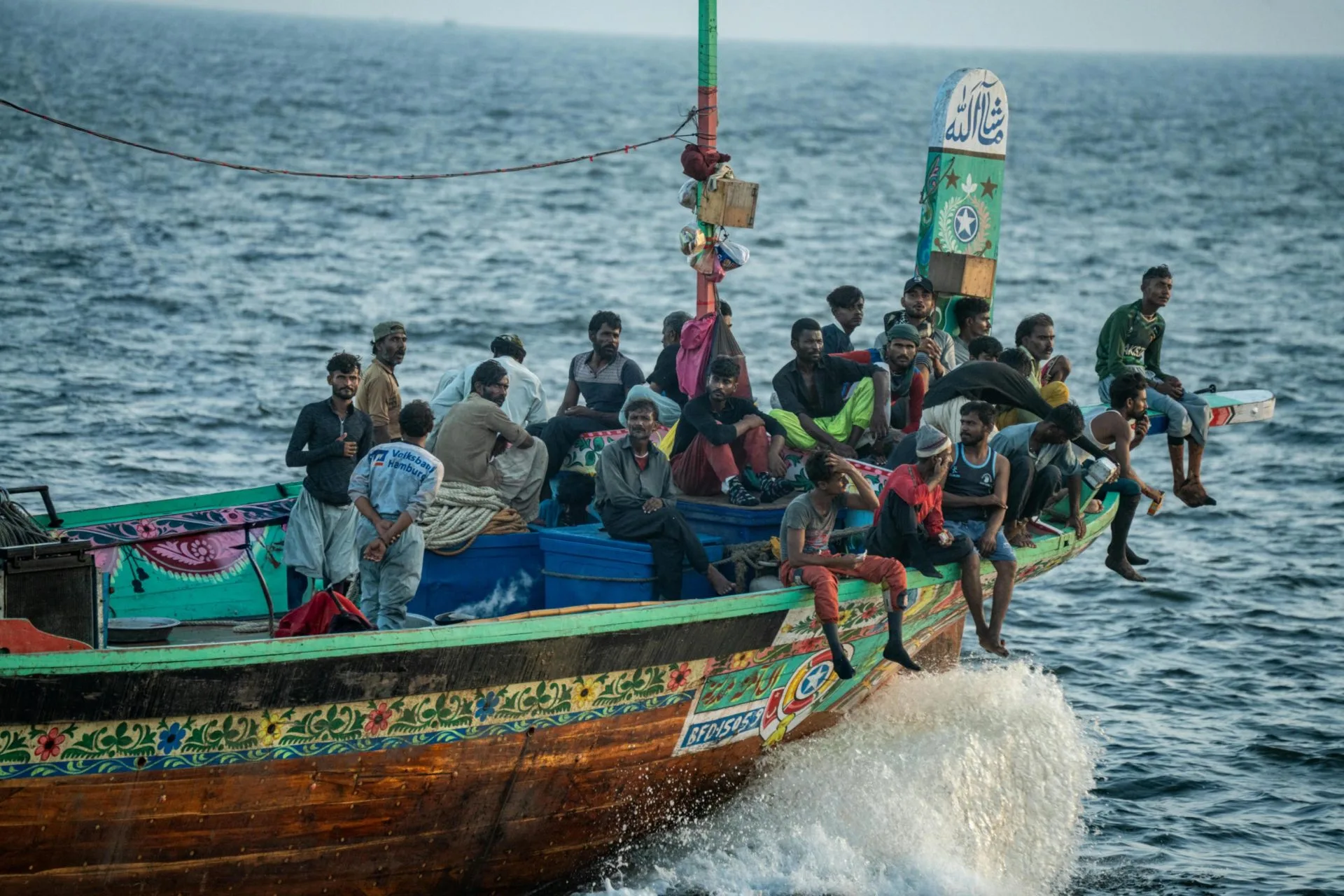
This article covers a European Parliament FEMM Committee hearing on the rise of AI-facilitated gender-based violence, particularly the spread of non-consensual deepfake pornography and “nudifier” applications. Experts, lawmakers, and civil society representatives warned that existing AI and digital platform laws are failing due to weak enforcement and profit-driven platform models. The hearing stressed the urgent need for stronger corporate accountability, EU-wide bans on exploitative AI tools, improved protection for women and children online, and a proactive approach that treats digital safety as a fundamental human rights and public health issue.
- GHRD Team
- 8 May 2026
- Asylum, Externalisation, Non-Refoulement
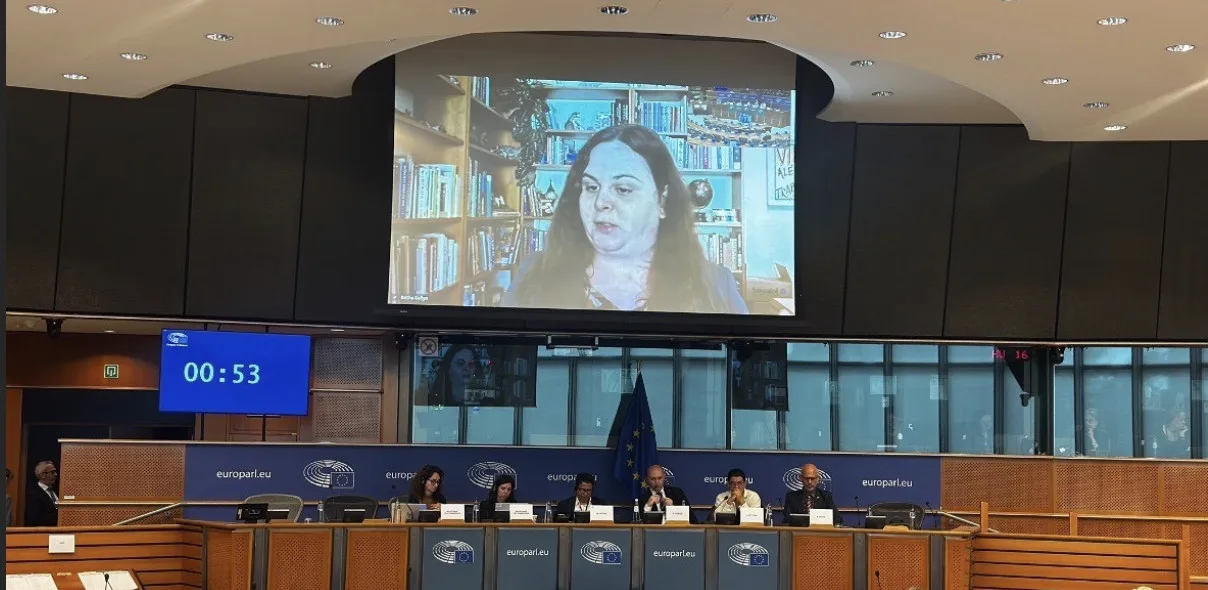
Australia’s offshore processing of asylum applications in the island state of Nauru has been subject to multilevel backlash from various actors in the international community over time. The externalised system raises relevant questions concerning the principle of non-refoulement, which the present article aims to address by providing comprehensive research on the concept.
- GHRD Team
- 7 May 2026
- Africa, Human Rights, LGBTIQ+ Rights
This article summarises a European Parliament DROI exchange of views on the escalating criminalisation, violence, and discrimination faced by LGBTIQ+ persons, particularly across Africa and among displaced queer communities. Speakers highlighted how anti-rights legislation increasingly targets identity, advocacy, healthcare, and public expression, while displaced LGBTIQ+ refugees face severe violence, exclusion, and humanitarian neglect. The discussion stressed the importance of sustained EU engagement, protection for human rights defenders, stronger asylum safeguards, and support for locally led initiatives grounded in universal human rights principles.

- GHRD Team
- 5 May 2026
- Enforced Disappearance, Human Rights, International Human Rights Law
Enforced disappearance remains a brutal tool of state terror despite robust international laws. This article explores the global legal frameworks designed to combat this crime and examines the tragic 2026 case of Sayed Mohamed Almosawi, whose torture and death in Bahraini custody expose the deadly reality of state-sponsored impunity.
- GHRD Team
- 5 May 2026
- Christian Minority, Discrimination, Religious Freedom
This article examines the discrimination and violence faced by Christians in Pakistan, highlighting patterns of physical attacks, assaults on churches and religious gatherings, misuse of blasphemy laws, forced conversions, educational exclusion, and occupational discrimination. It argues that these challenges reflect broader structural inequalities that continue to undermine the rights, security, and freedom of religion of Pakistan’s Christian minority.
- GHRD Team
- 3 May 2026
- Children, Conflict, Humanitarian Crisis
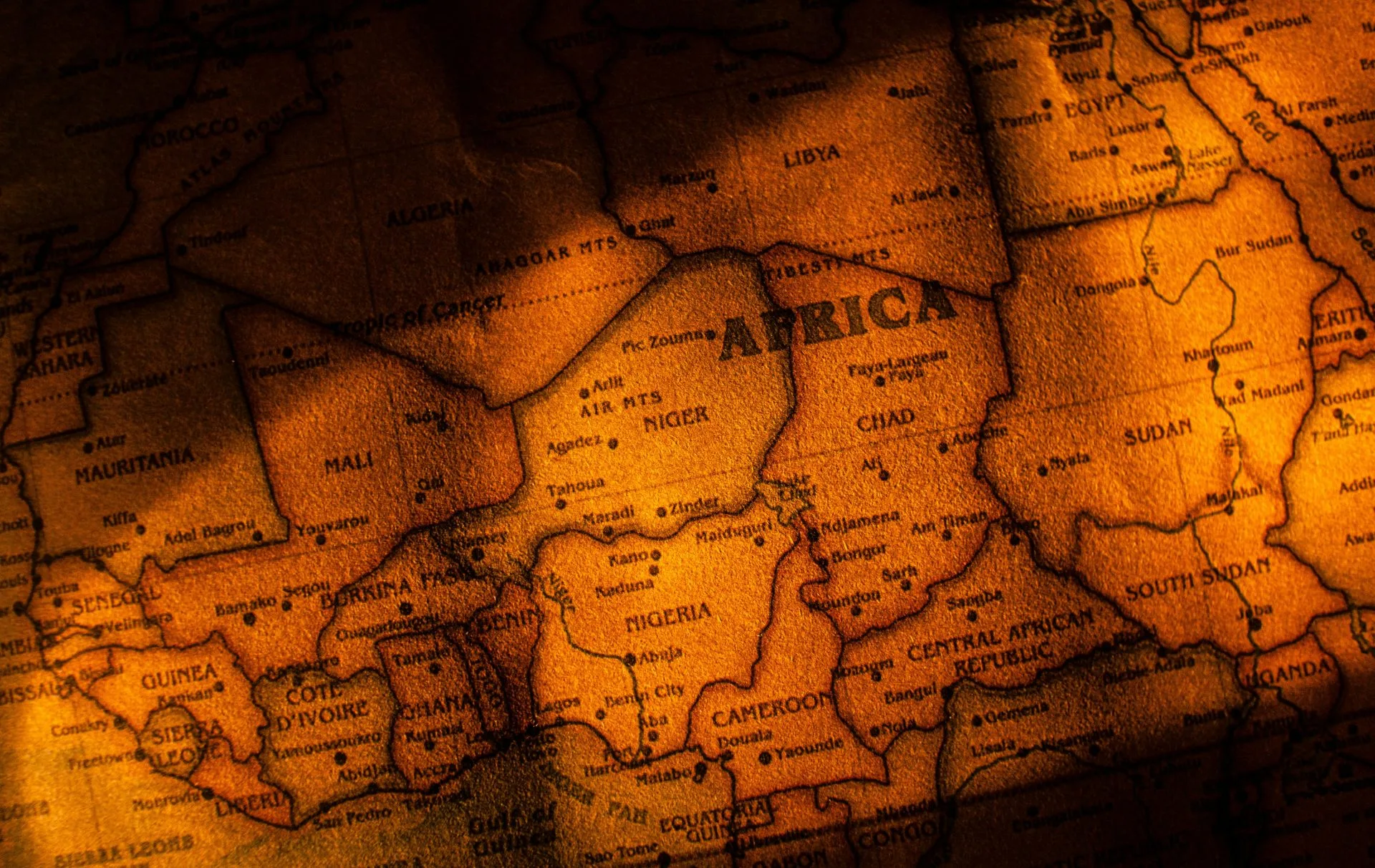
The Sahel is a geographically challenged area crossing multiple African states. Compounded with climate change, poverty, violence, and political instability, the region presents as one of the most unstable areas on the globe. While international commentary has been focused on terrorist and armed groups exercising control in Mali, Burkina Faso, and Niger, children have been bearing the brunt of the crises. This article examines the impact on children from different crises perspectives, including security and protection, health, and education.
- UN team
- 24 April 2026
- Occupation, Sahrawi Women, Self-determination
This article examines the central role of Sahrawi women in resisting Moroccan occupation and documenting human rights abuses in Western Sahara. It highlights how women activists face gendered violence, surveillance, and institutional harassment because of their leadership in the struggle for self-determination. The piece underscores that protecting Sahrawi women is essential to any meaningful path toward justice and decolonisation.
- GHRD Team
- 12 April 2026
- Decolonisation, Self-determination, Western Sahara
This article examines Western Sahara’s unresolved status as a non-self-governing territory and the Sahrawi people’s long-denied right to self-determination. It traces the historical background of Spanish withdrawal, Moroccan occupation, the failed UN referendum process, and the legal foundations supporting Sahrawi political choice. The piece argues that recent UN approaches risk weakening the right to self-determination by prioritising political feasibility over a genuine democratic outcome.

- Middle East & Africa Team
- 10 April 2026
- Armed Conflict, Deprivation of liberty, Protection of Civilians
Israel enforces a differentiated justice systems in Occupied Palestinian Territories for Israeli settlers and Palestinian nationals. Palestinian nationals are subject to deprivation of liberty grounded in criminal and security offences that can only be reviewed by Military Courts. While such distinction is, to a very limited extent, compatible with the Fourth Geneva Convention, the treatment and procedural safeguards that Israel provide to Palestinian detainees contravenes various obligations of Israel under such convention.
- GHRD Team
- 10 April 2026
- International Human Rights Law, Reparations, Yazidis
This article examines Iraq’s Yazidi Survivors Law and the gap between its legal promises and practical implementation for survivors of ISIL atrocities. It analyses how the criminal complaint requirement, the exclusion of children born of sexual violence, and the failure to establish rehabilitation services undermine Iraq’s obligations under international human rights law. The piece argues that these shortcomings deny Yazidi survivors effective reparations, protection, and long-term justice.
- GHRD Team
- 10 April 2026
- Ethnic Minority, Persecution, Religion
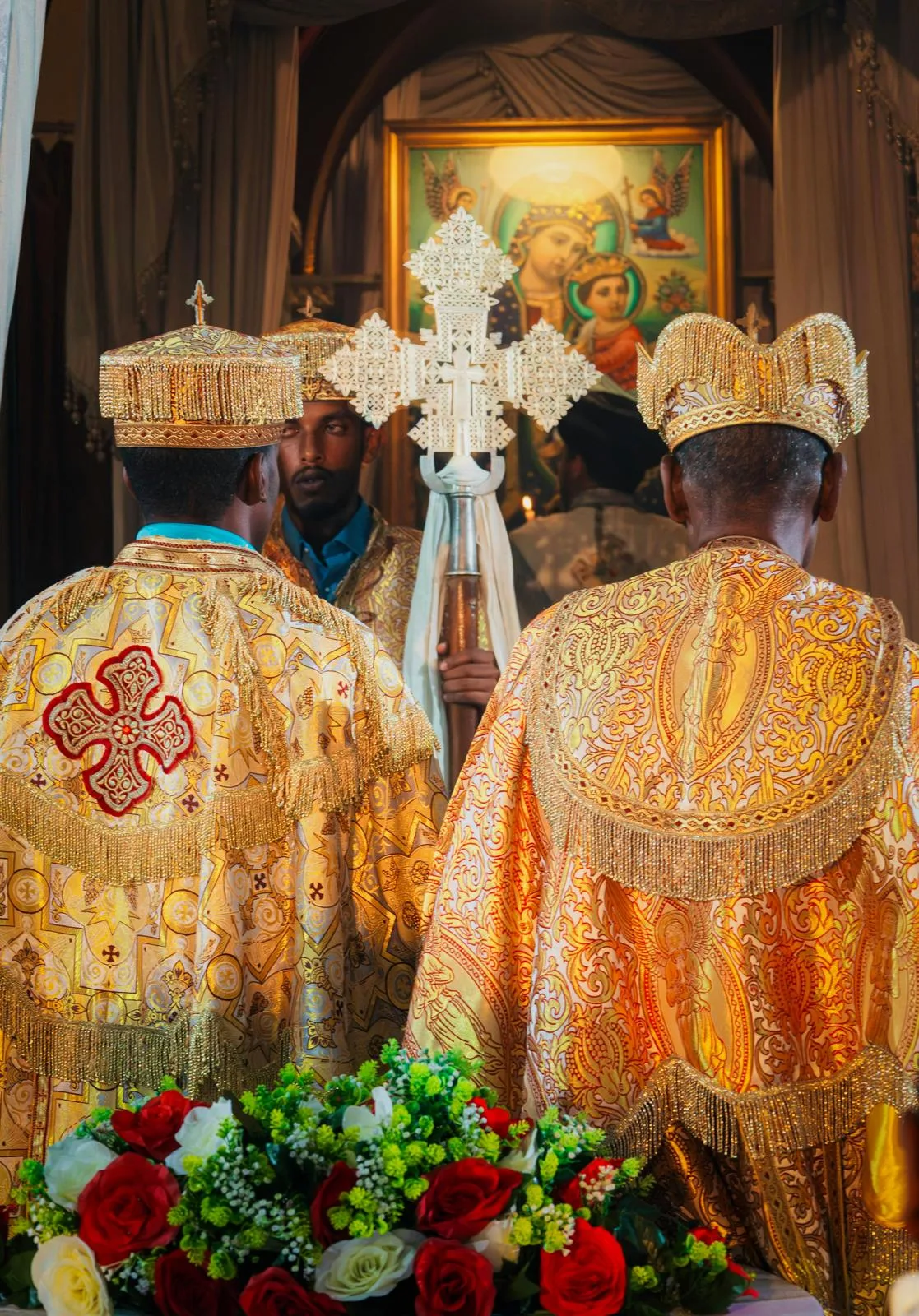
This article explores the escalating violence and institutional persecution faced by Amhara Orthodox Christians in Ethiopia within the broader context of ethnic federalism and political conflict. It examines how the Ethiopian Orthodox Tewahedo Church’s cultural and historical influence has increasingly been perceived as a political threat, contributing to targeted violence, displacement, arbitrary arrests, and attacks on religious institutions. The article further analyses whether these patterns of abuse may amount to crimes against humanity or genocide under international law.
- GHRD Team
- 5 April 2026
- Children's Rights, Kindoki, Witchcraft Accusations
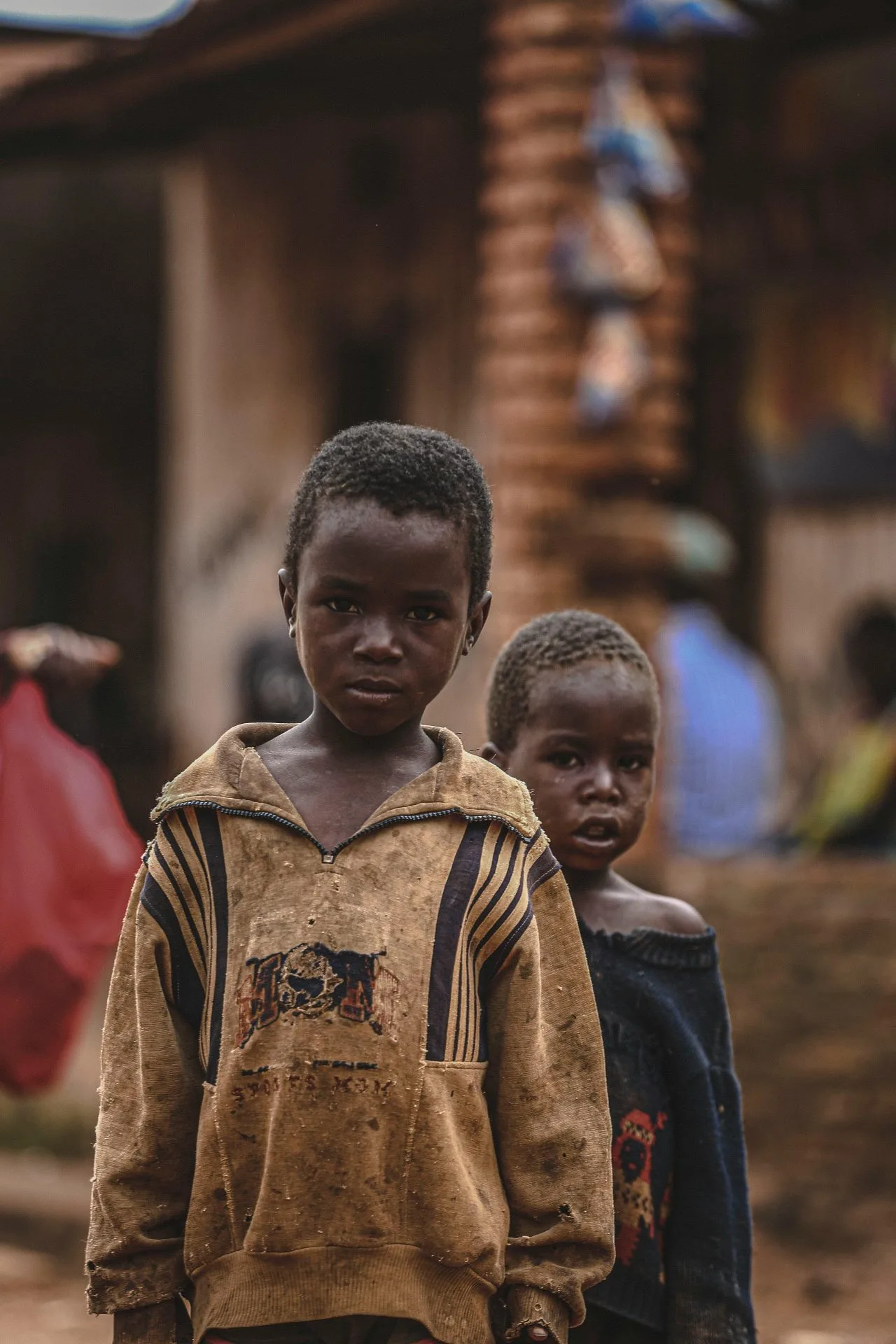
This article examines the phenomenon of Kindoki in the Democratic Republic of the Congo and its devastating impact on children accused of witchcraft. It explores how poverty, conflict, social instability, and unregulated religious practices contribute to violence, abuse, abandonment, and severe human rights violations against vulnerable children. The article also analyses the gaps between existing legal protections and weak enforcement mechanisms that allow these harmful practices to persist.

- GHRD Team
- 3 April 2026
- Displacement, Genocide, Yazidis
More than 11 years after ISIS launched a genocide against the Yazidi people of northern Iraq, the survivors are still waiting. Thousands remain missing. Hundreds of thousands remain displaced. Their homeland lies largely in ruins. And the international mechanisms built to deliver justice, protection, and reconstruction are being dismantled one by one, not because the work is done, but because the world has moved on. The Yazidis have not failed to recover; they have been failed.
- Chiara Innocenti
- 29 March 2026
- Attacks on Schools, Civilian Protection, International Humanitarian Law
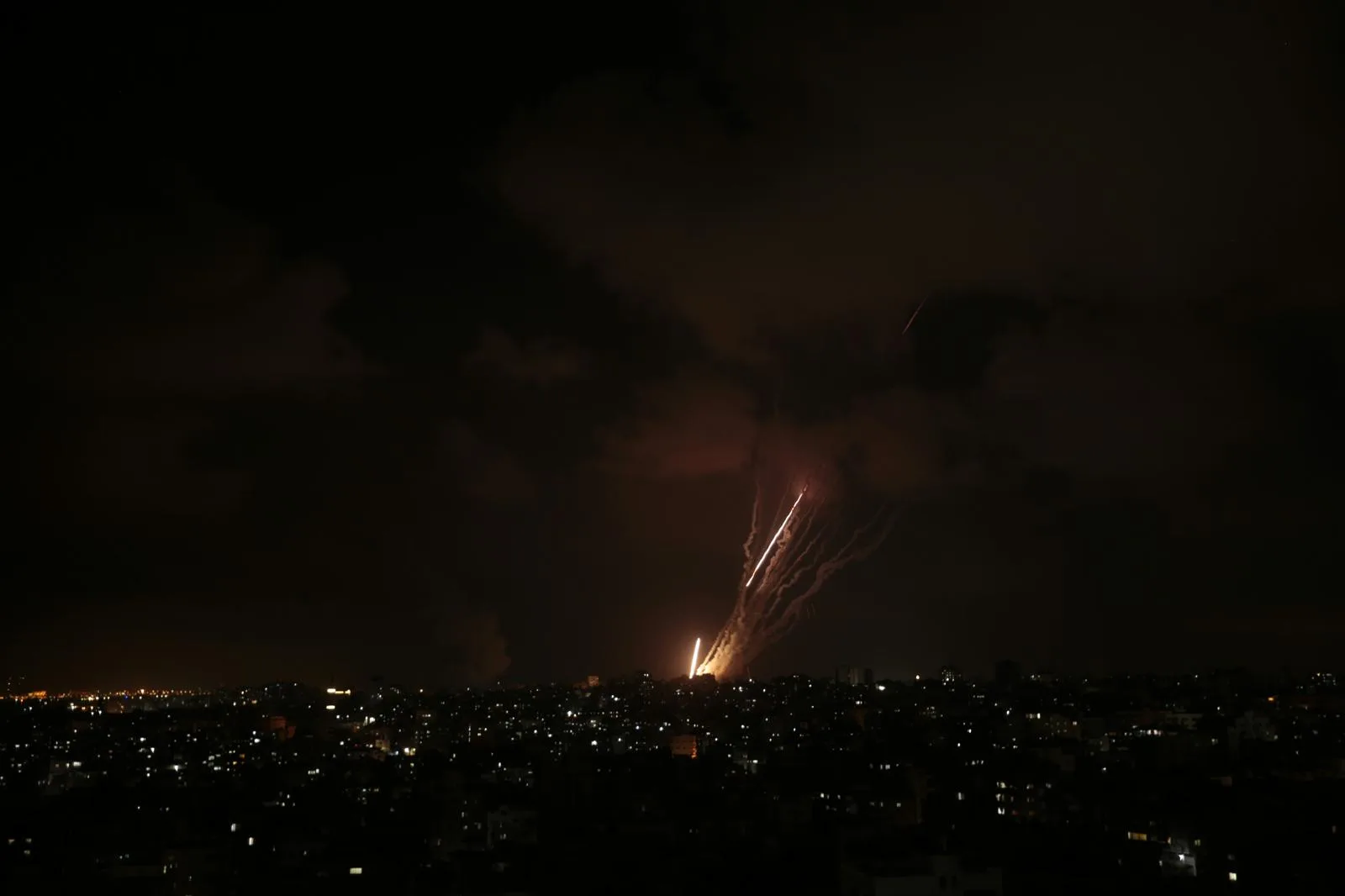
This article examines the targeting and militarisation of schools during armed conflict and the protections granted to educational facilities under International Humanitarian Law. It highlights how attacks on schools violate the principles of distinction, proportionality, and precaution, while exposing children to death, trauma, displacement, and loss of education. The piece argues that stronger accountability is urgently needed to ensure schools remain protected civilian spaces during war.
- Middle East & Africa Team
- 29 March 2026
- accountability and international justice, Conflict-related sexual violence, Weaponisation of gender-based harm
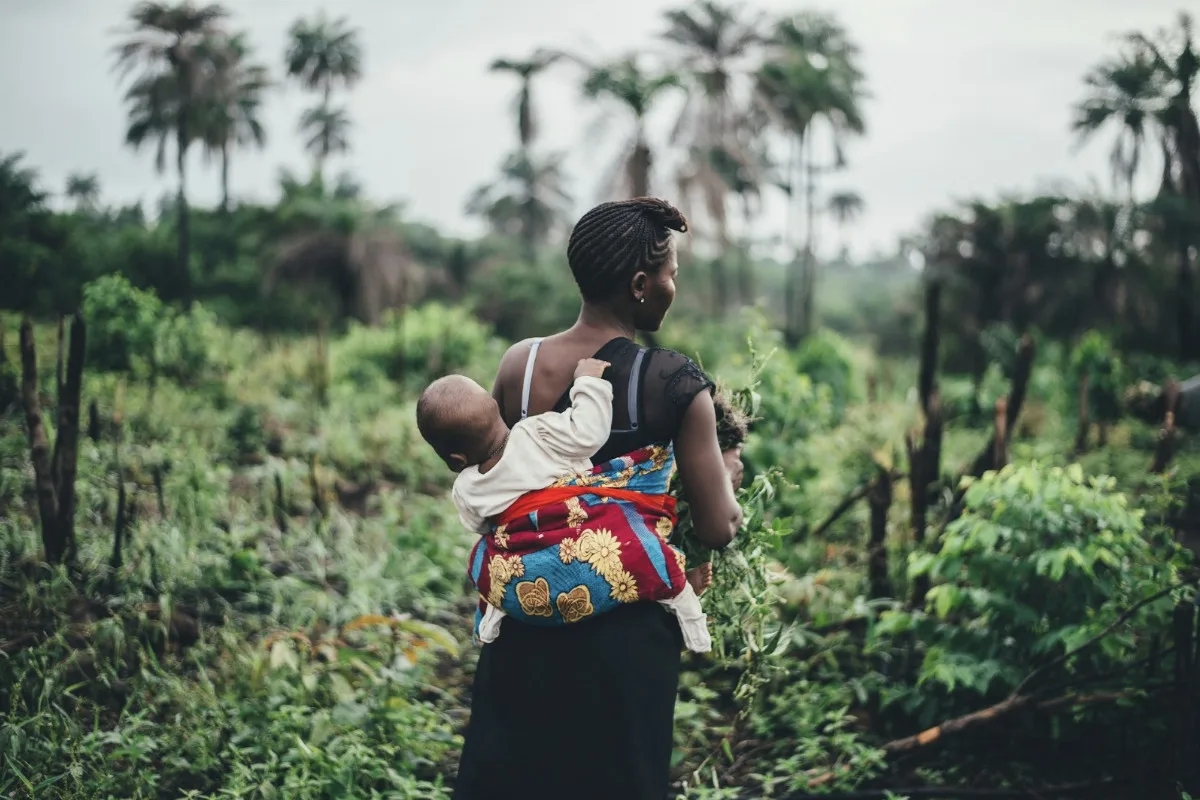
Across Africa’s conflict zones, sexual violence is not merely a by-product of war but a deliberate strategy used to terrorise, control, and destroy communities. From Sudan to the Democratic Republic of Congo and the Central African Republic, women and girls are systematically targeted, while international law has struggled to translate recognition of these crimes into meaningful accountability. This article examines how sexual violence has been weaponised in conflict, the evolution of its recognition in international law, and the persistent barriers that continue to deny survivors justice.
- GHRD Team
- 27 March 2026
- Ethnic Discrimination, Minority Rights, State Repression
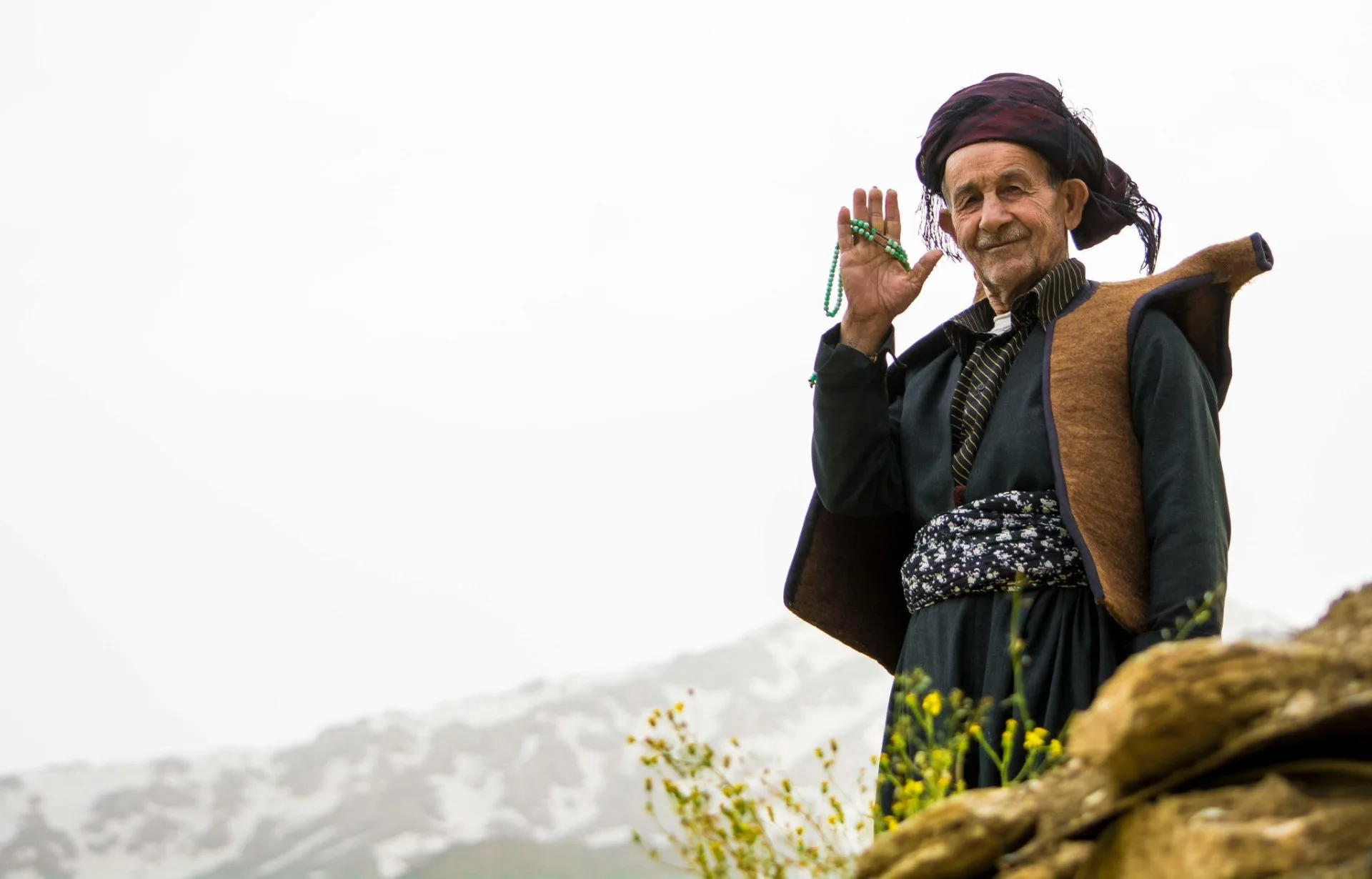
On June 25, 2025, the execution of Kurdish porter Edris Ali exposed a deeper pattern at the heart of Iran’s current crisis. As war with Israel and the United States escalates, longstanding structures of marginalisation are not paused but intensified, with ethnic and religious minorities facing most of the harm, seen both as internal threats and as groups that can be easily sacrificed.