
Articles
- UN team
- 27 March 2026
- Enforced Disappearances, Minority Rights, Self-determination
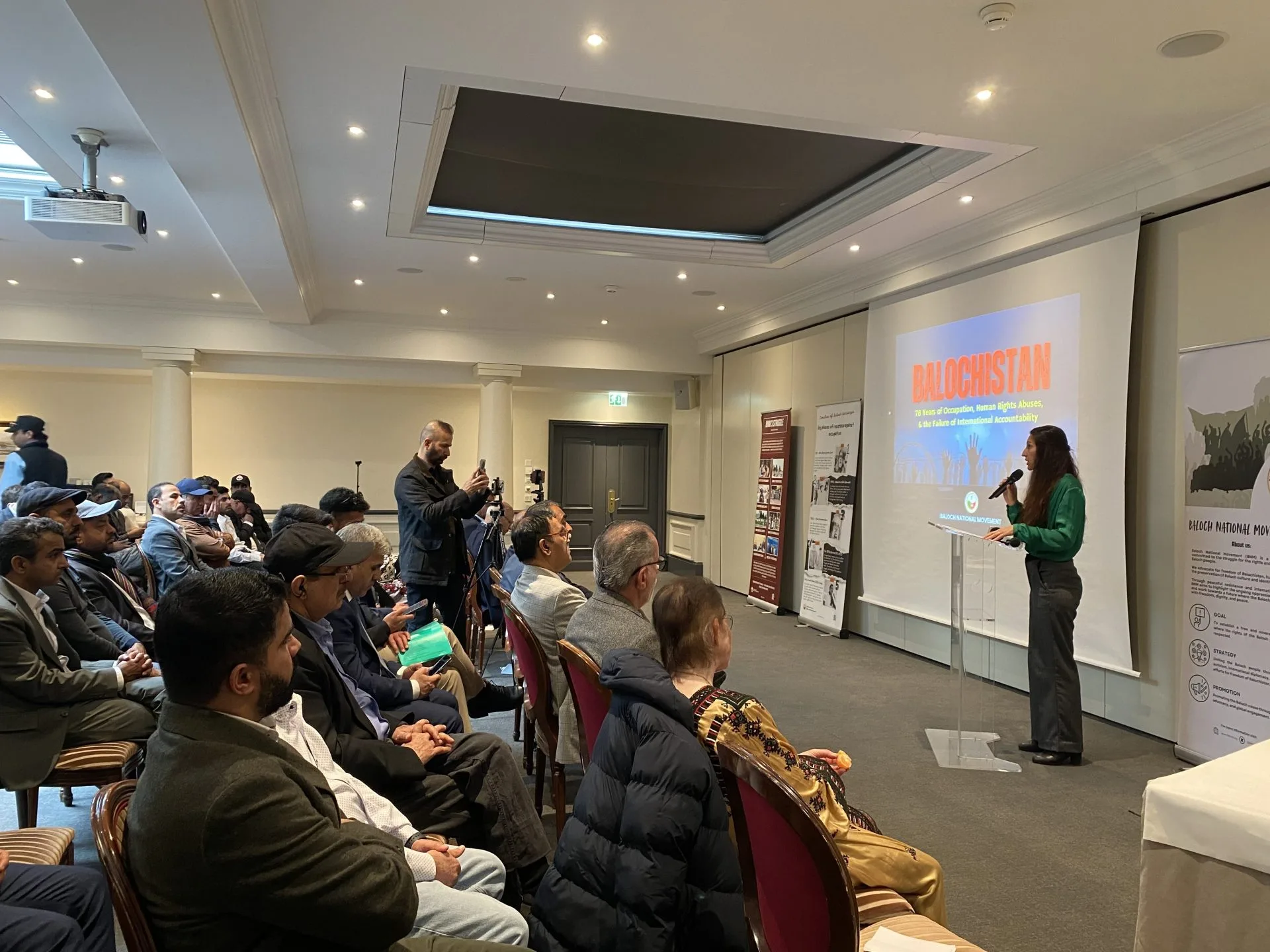
This press release highlights exhibitions at the United Nations drawing attention to human rights violations faced by Sindhi and Baloch communities in Pakistan. It underscores issues such as enforced disappearances, repression of journalists, and threats to cultural identity. The events also amplified calls for self-determination and greater international action to protect these communities.
- UN team
- 26 March 2026
- Enforced Disappearances, Minority Rights, Self-determination
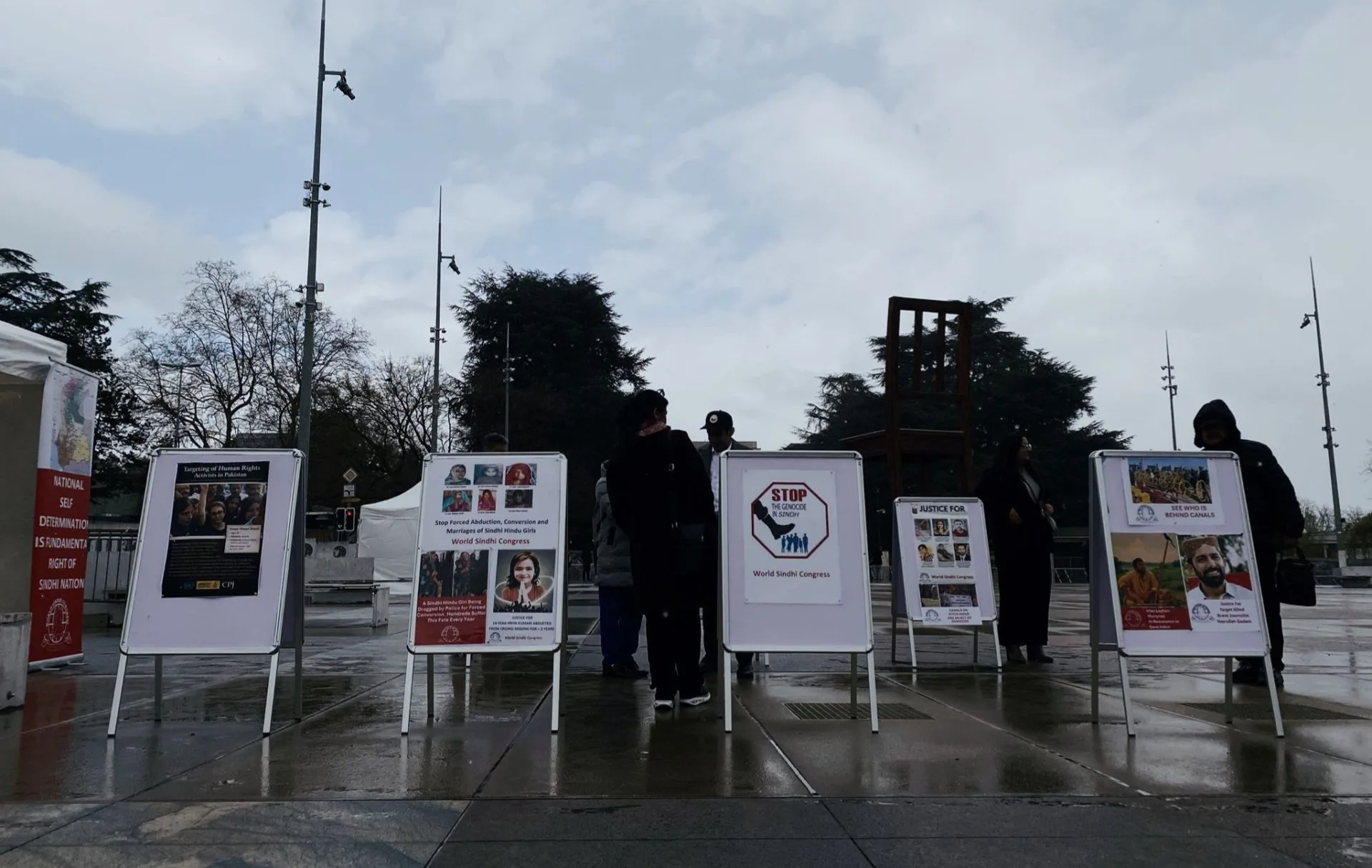
This press release highlights exhibitions at the United Nations drawing attention to human rights violations faced by Sindhi and Baloch communities in Pakistan. It underscores issues such as enforced disappearances, repression of journalists, and threats to cultural identity. The events also amplified calls for self-determination and greater international action to protect these communities.
- UN team
- 25 March 2026
- GSP+, Human Rights Abuses, Religious Minorities
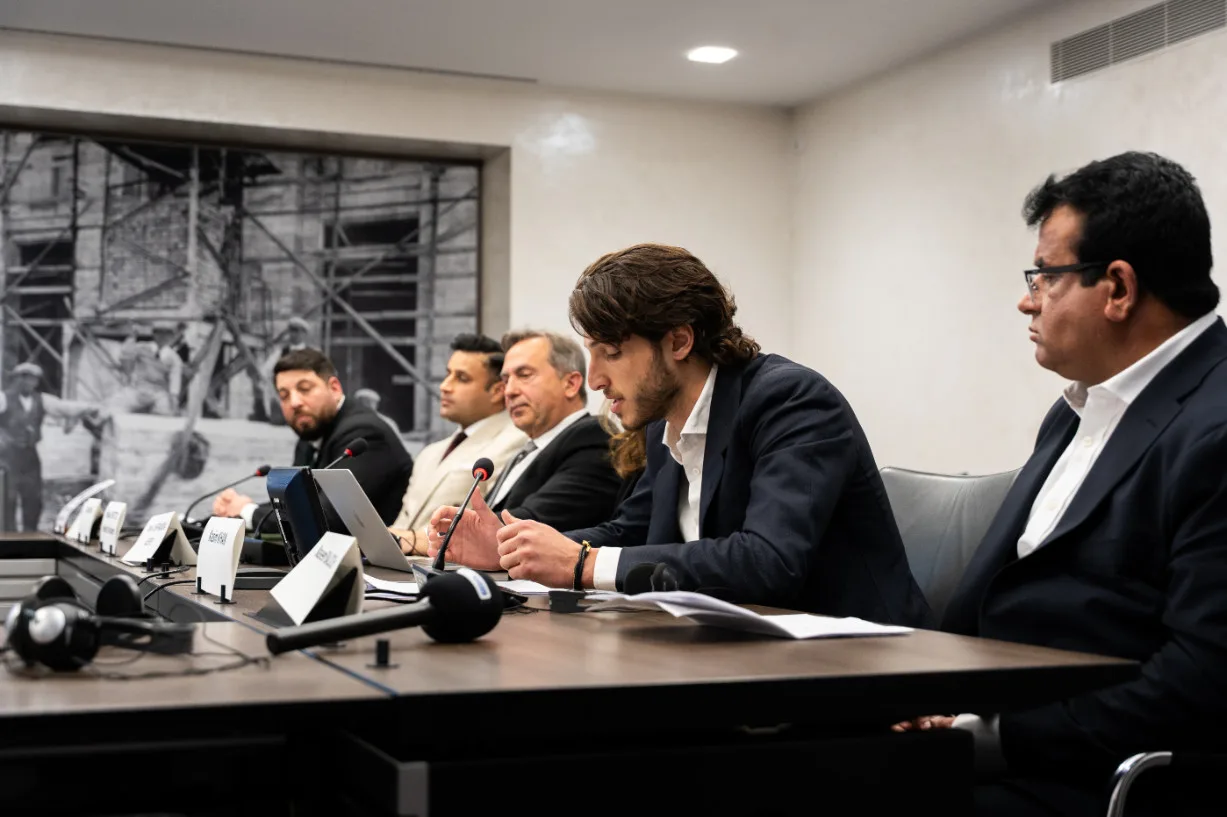
This press release highlights calls at the UN Human Rights Council to reconsider Pakistan’s GSP+ trade status due to ongoing human rights violations. Speakers raised concerns over misuse of blasphemy laws, political repression, and restrictions on media freedom. The discussion emphasised that trade privileges should be conditional on measurable improvements in human rights and accountability.
- GHRD Team
- 25 March 2026
- Enforced Disappearances, Forced Conversion, Minority Rights
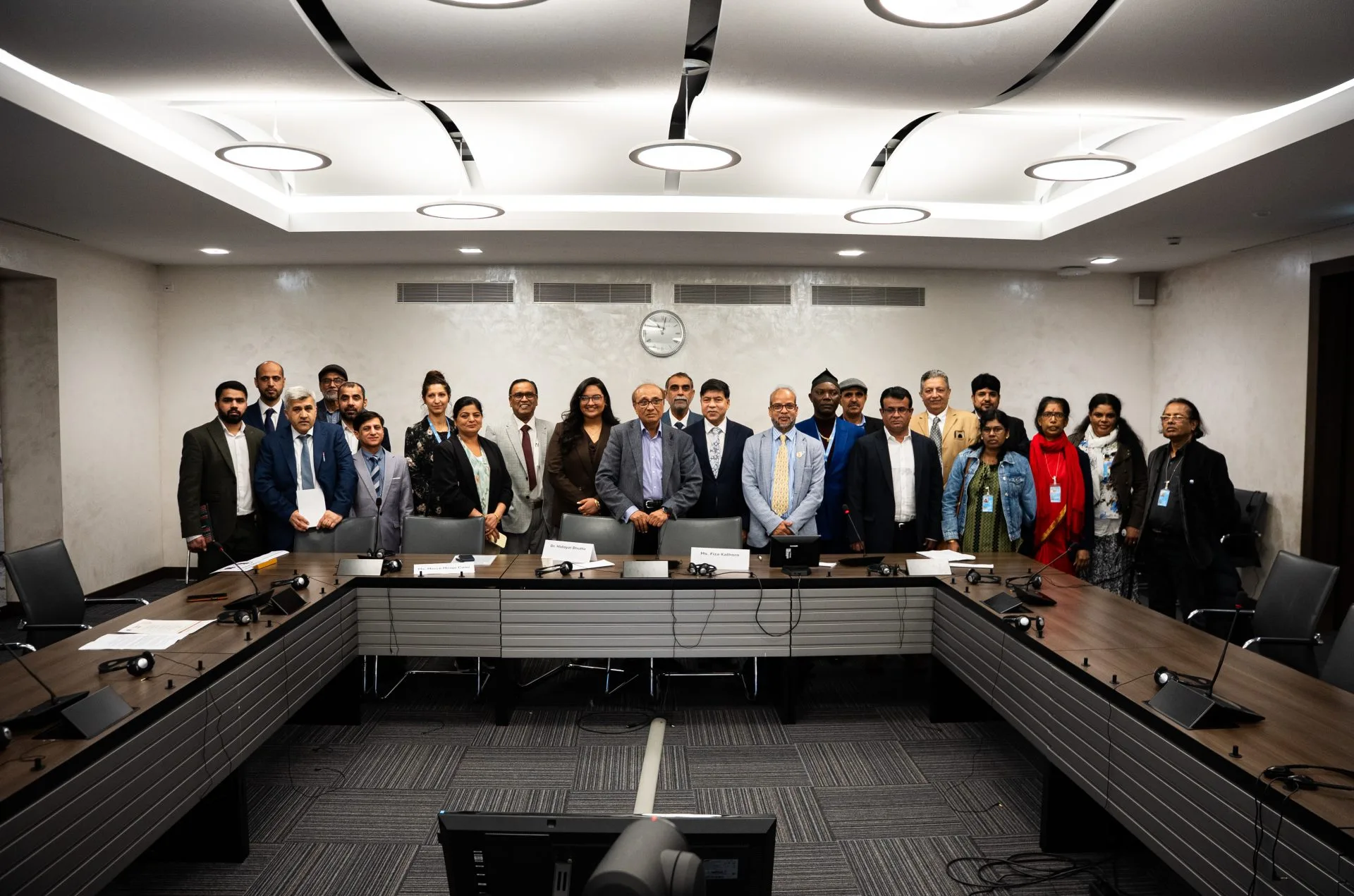
This press release highlights systemic human rights violations against Sindhi and Baloch communities in Pakistan, including forced conversions, economic marginalisation, and enforced disappearances. It underscores patterns of structural discrimination and political repression affecting religious and indigenous minorities. Speakers called for international accountability and stronger protection of minority rights and self-determination.
- GHRD Team
- 22 March 2026
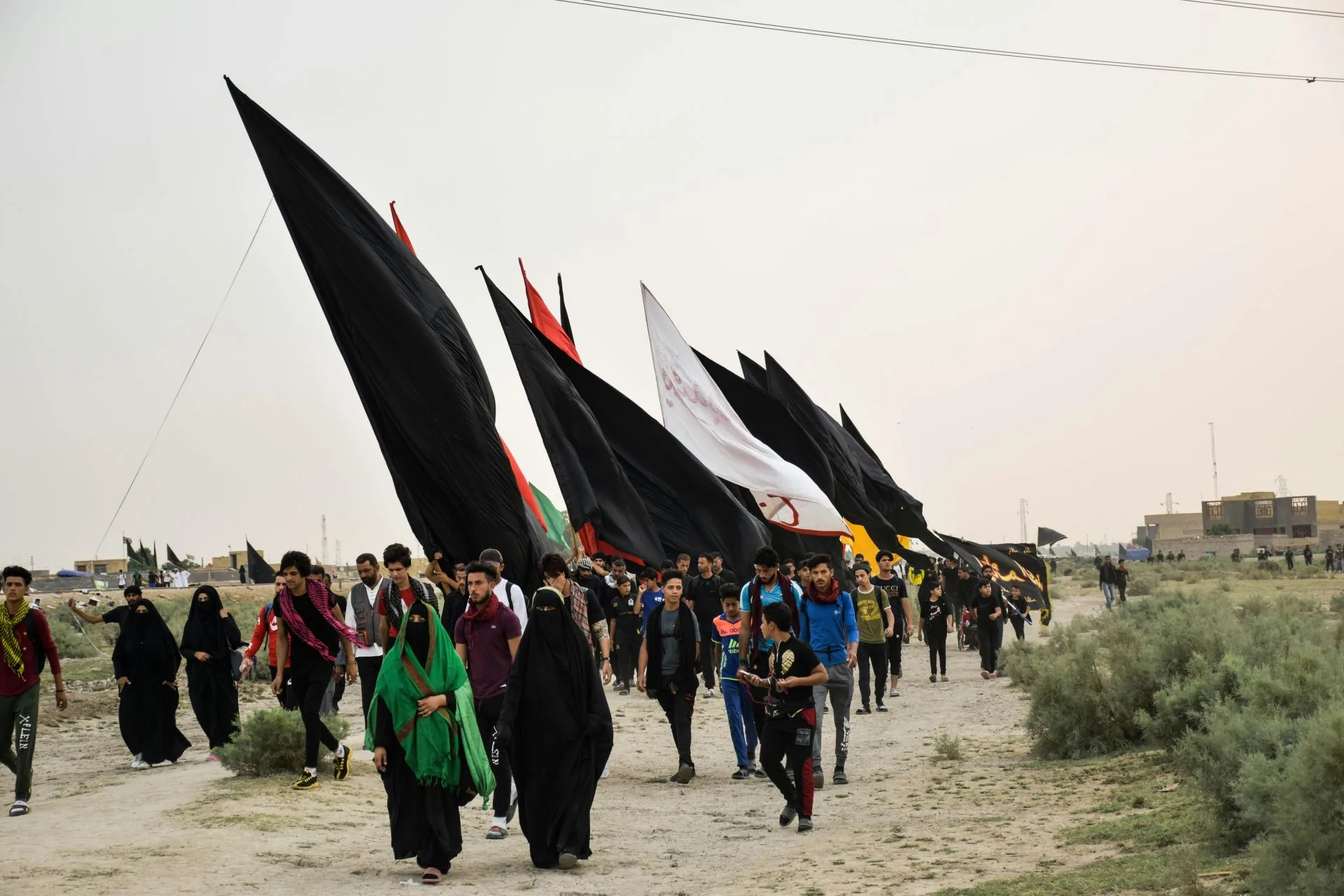
- Ethnic Discrimination, Minority Rights, State Repression
This article examines how Iran’s ethnic and religious minorities, especially Kurds, Baluchis, and Arabs, face intensified repression during times of war and political crisis. It highlights patterns of executions, arbitrary arrests, torture, and structural discrimination that deepen during conflict. The piece argues that external war has served as a pretext for expanding long-standing state violence against minority communities.
- GHRD Team
- 21 March 2026
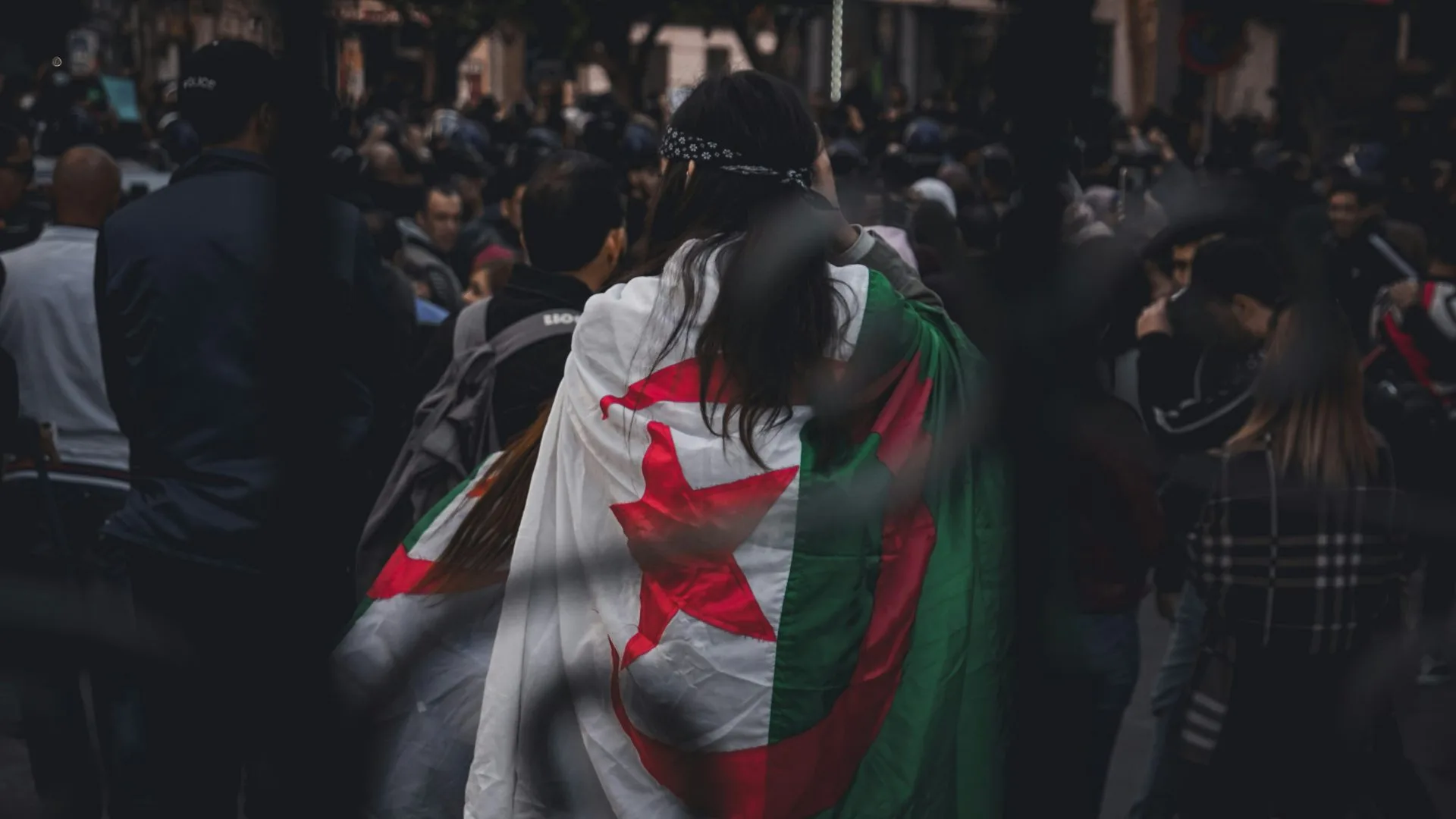
- Freedom of Religion, Religious Minorities
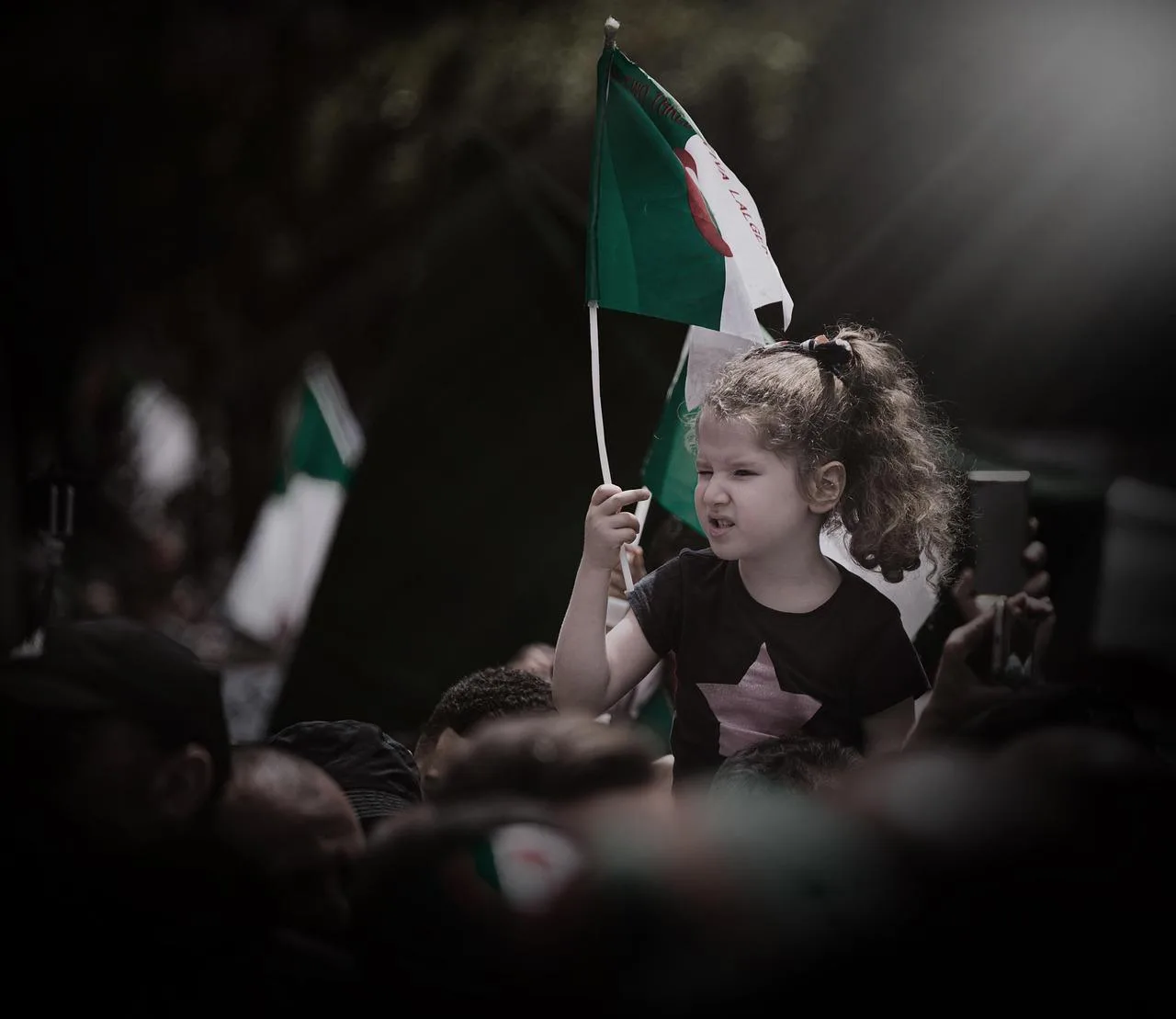
This article examines the increasing restrictions and persecution faced by religious minorities in Algeria, particularly Ahmadi Muslims and Kabylian Protestants. It highlights arbitrary prosecutions, church closures, surveillance, and legal barriers that prevent minority communities from freely practising their faith. The piece argues that Algeria’s current legal framework and enforcement practices fall short of its obligations under international human rights law.
- GHRD Team
- 19 March 2026
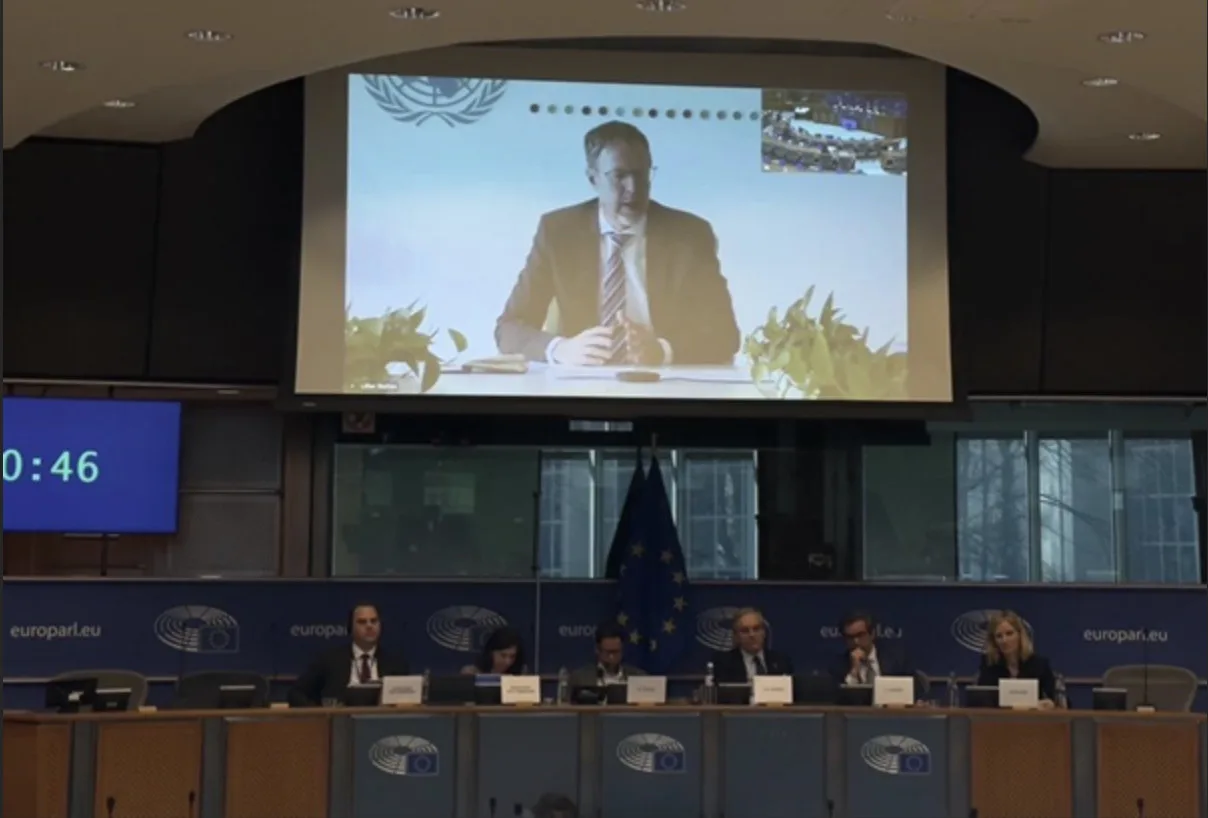
- Accountability, Bangladesh Elections, Rohingya Crisis
This press release highlights a European Parliament hearing on Bangladesh’s recent elections and ongoing efforts to ensure accountability for crimes against the Rohingya. While the elections signal a potential democratic shift, concerns remain around human rights violations, institutional reforms, and minority protections. The discussion also stressed the need for sustained international engagement on Rohingya justice and refugee protection.
- GHRD Team
- 18 March 2026
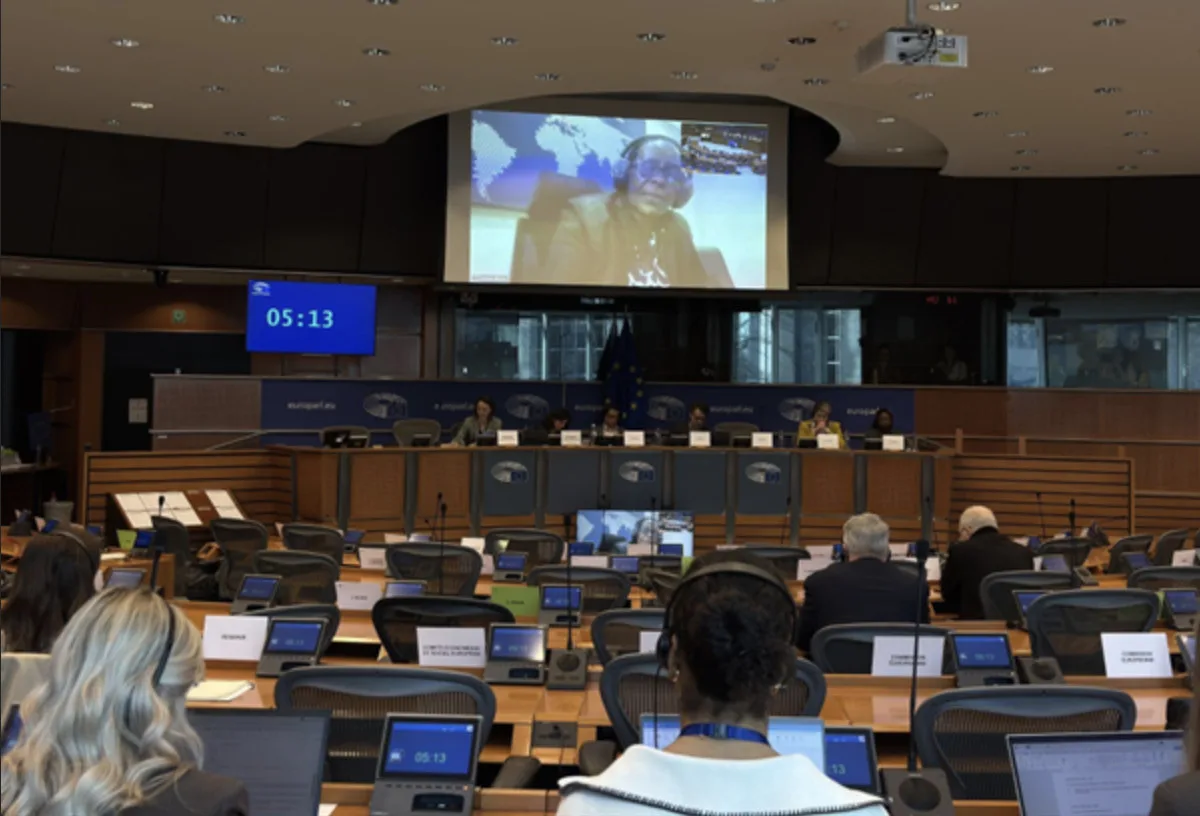
- Forced Recruitment, Human Trafficking, Russia-Ukraine War
This press release highlights a European Parliament hearing on the forced recruitment of third-country nationals into Russia’s war against Ukraine. It points to growing evidence of trafficking, coercion, and deception targeting vulnerable migrants through false job offers and exploitative recruitment networks. The hearing called for stronger international cooperation, victim protection, and accountability for those responsible.
- GHRD Team
- 15 March 2026
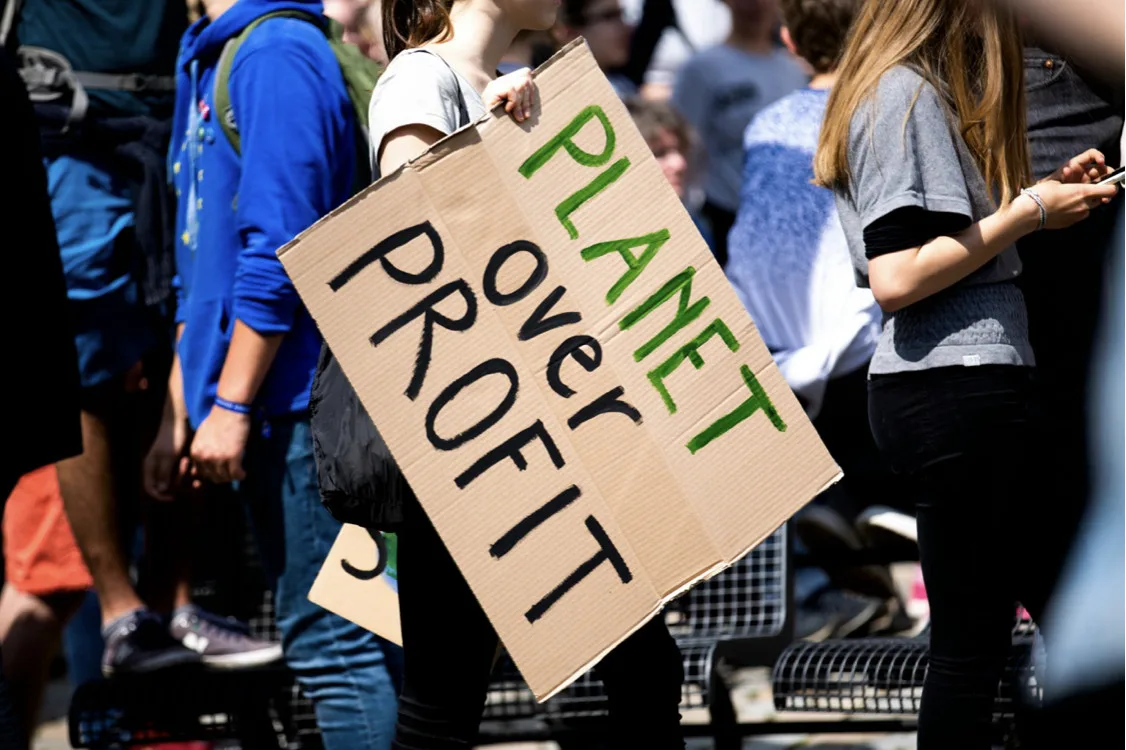
- Climate Rights, Indigenous Communities, Indigenous Rights
This article examines how “green colonialism” in Africa—through conservation projects, carbon markets, and renewable energy initiatives—has led to the displacement and marginalisation of Indigenous communities. Despite contributing minimally to climate change, Indigenous peoples face land dispossession, forced evictions, and loss of cultural identity as governments and external actors prioritise environmental and economic interests. The piece argues that existing legal frameworks fail to adequately protect Indigenous rights, allowing climate solutions to reproduce historical patterns of exploitation and inequality.
- GHRD Team
- 15 March 2026
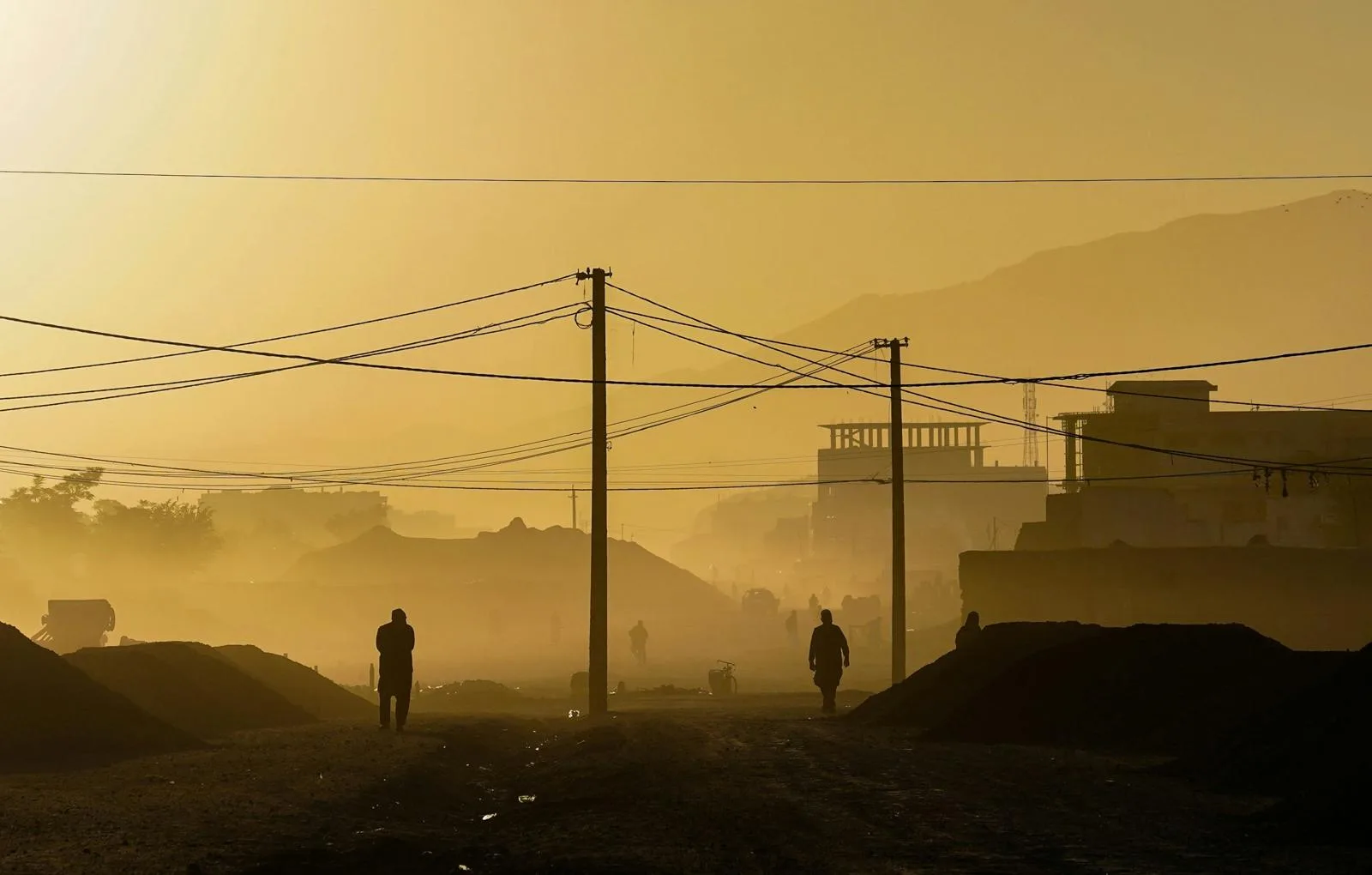
- Armed Conflict, War
This article examines the escalation of tensions between Afghanistan and Pakistan into what Pakistani officials described as an “open war” in February 2026. It explores the role of Tehrik-e-Taliban Pakistan (TTP), cross-border military operations, and competing claims of self-defence under international law, while also highlighting the worsening humanitarian crisis caused by displacement, food insecurity, and restrictions on refugees along the Afghanistan–Pakistan border.
- GHRD Team
- 15 March 2026
- Africa, Climate Justice, Indigenous Rights
This article examines how “green colonialism” in Africa—through conservation projects, carbon markets, and renewable energy initiatives—has led to the displacement and marginalisation of Indigenous communities. Despite contributing minimally to climate change, Indigenous peoples face land dispossession, forced evictions, and loss of cultural identity as governments and external actors prioritise environmental and economic interests. The piece argues that existing legal frameworks fail to adequately protect Indigenous rights, allowing climate solutions to reproduce historical patterns of exploitation and inequality.
- Middle East & Africa Team
- 13 March 2026
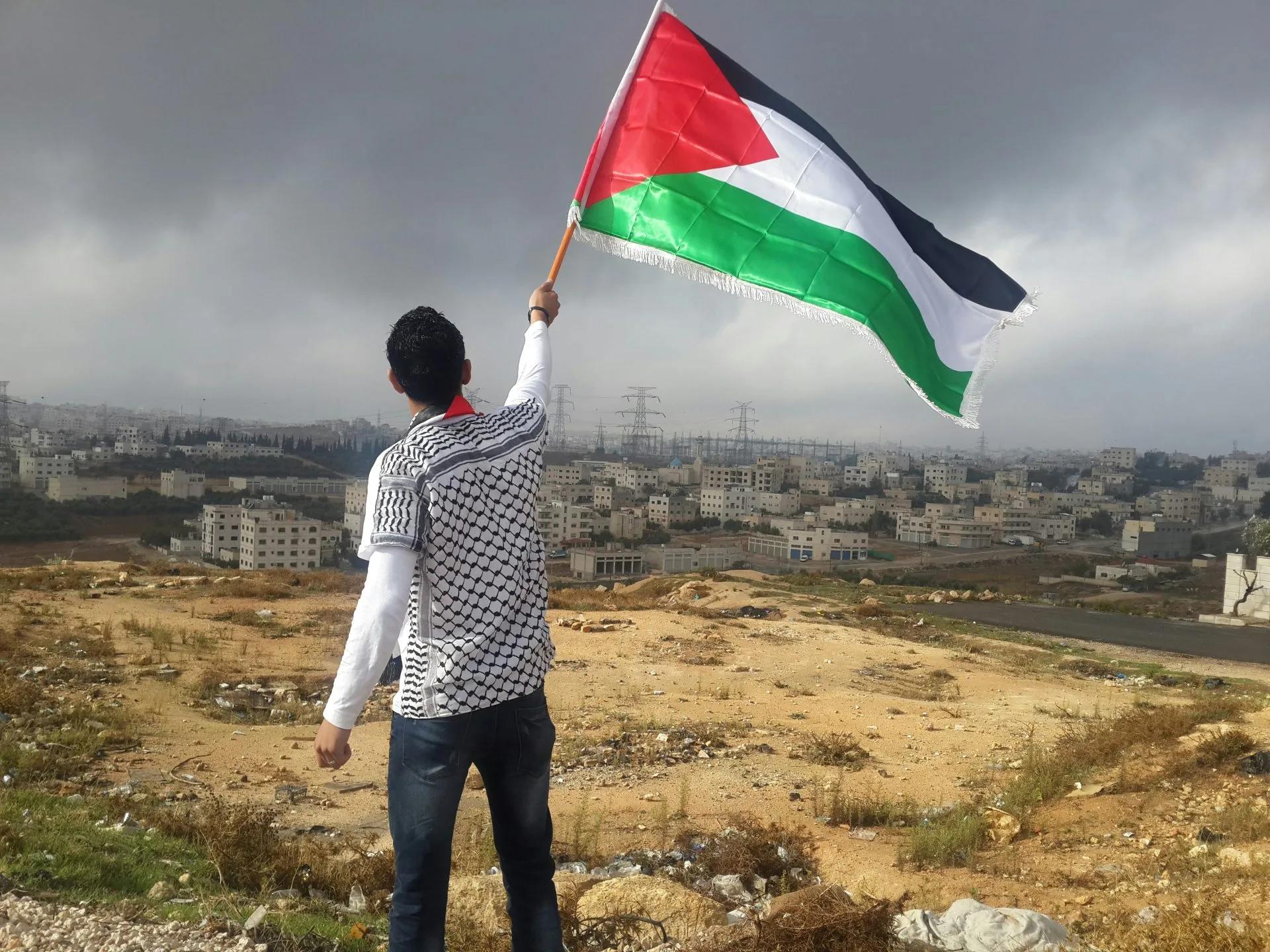
- Forced Displacement, Land Appropriation, Settler Violence
This article examines how settler violence in the occupied West Bank functions as a tool of dispossession and territorial consolidation. It argues that repeated attacks, lack of accountability, and state-backed infrastructure expansion are creating coercive conditions that force Palestinians from their land. The piece highlights how violence and governance together sustain ongoing displacement and settlement growth.
- GHRD Team
- 13 March 2026
- European Union (EU), Forced Displacement, Minority Rights
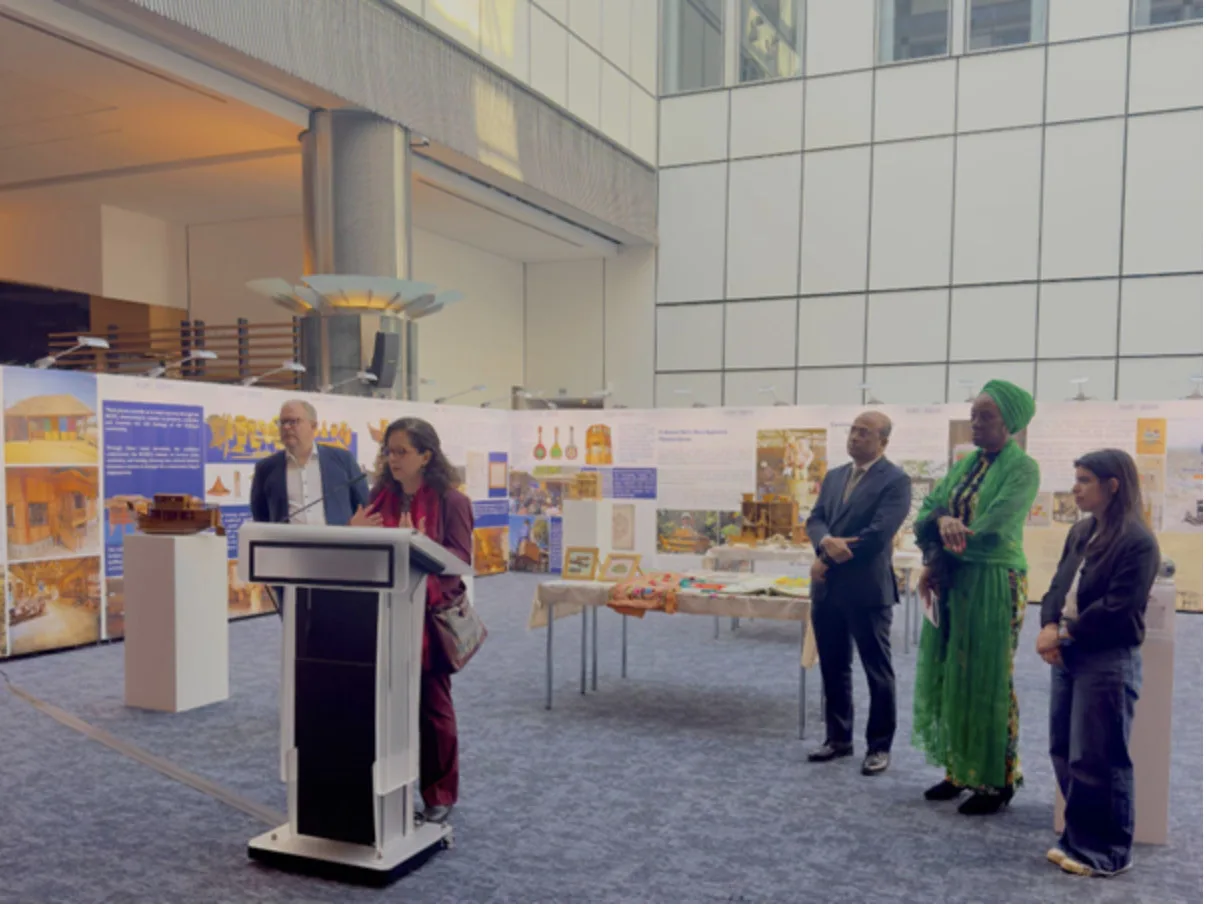
This press release highlights an exhibition at the European Parliament that brought attention to the Rohingya people’s cultural resilience amid genocide and prolonged displacement. It underscores how preserving heritage, memory, and identity remains vital for a community facing statelessness, exile, and ongoing humanitarian crisis. The exhibition also called for stronger international action, accountability, and safe, dignified repatriation.
- Alejandra Martínez Otero-Saavedra
- 11 March 2026
- Blasphemy Laws, Human Rights Council, Religious Minorities
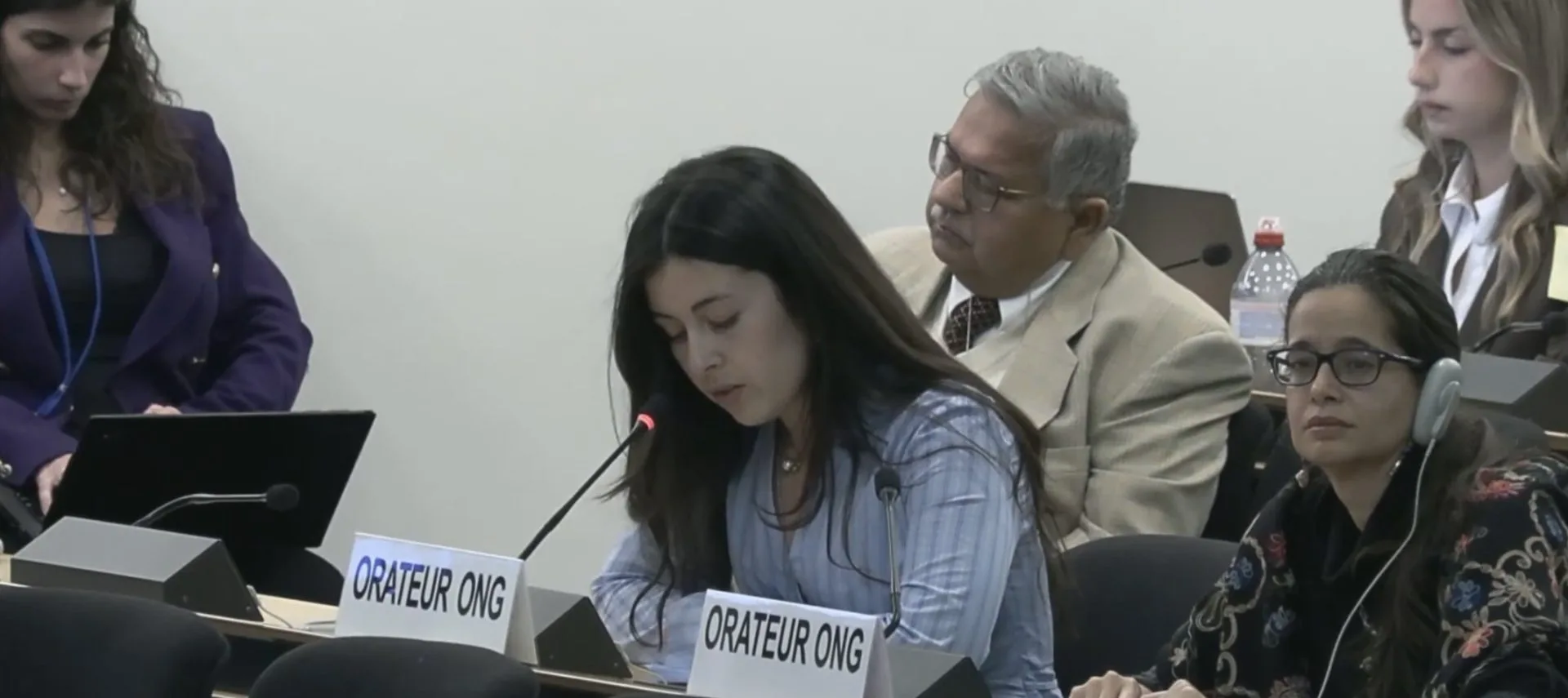
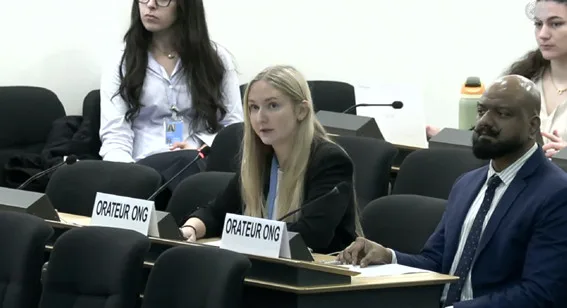
At the 61st session of the UN Human Rights Council, GHRD raised concern over the misuse of blasphemy laws in Pakistan and their impact on religious minorities. The statement highlighted arbitrary detention, mob violence, and forced displacement affecting communities such as Christians, Hindus, Ahmadis, and Shia Muslims. GHRD urged Pakistan to align its laws and practices with international human rights standards.
- UN team
- 10 March 2026
- Asia, Human Rights Violations, Minority Rights
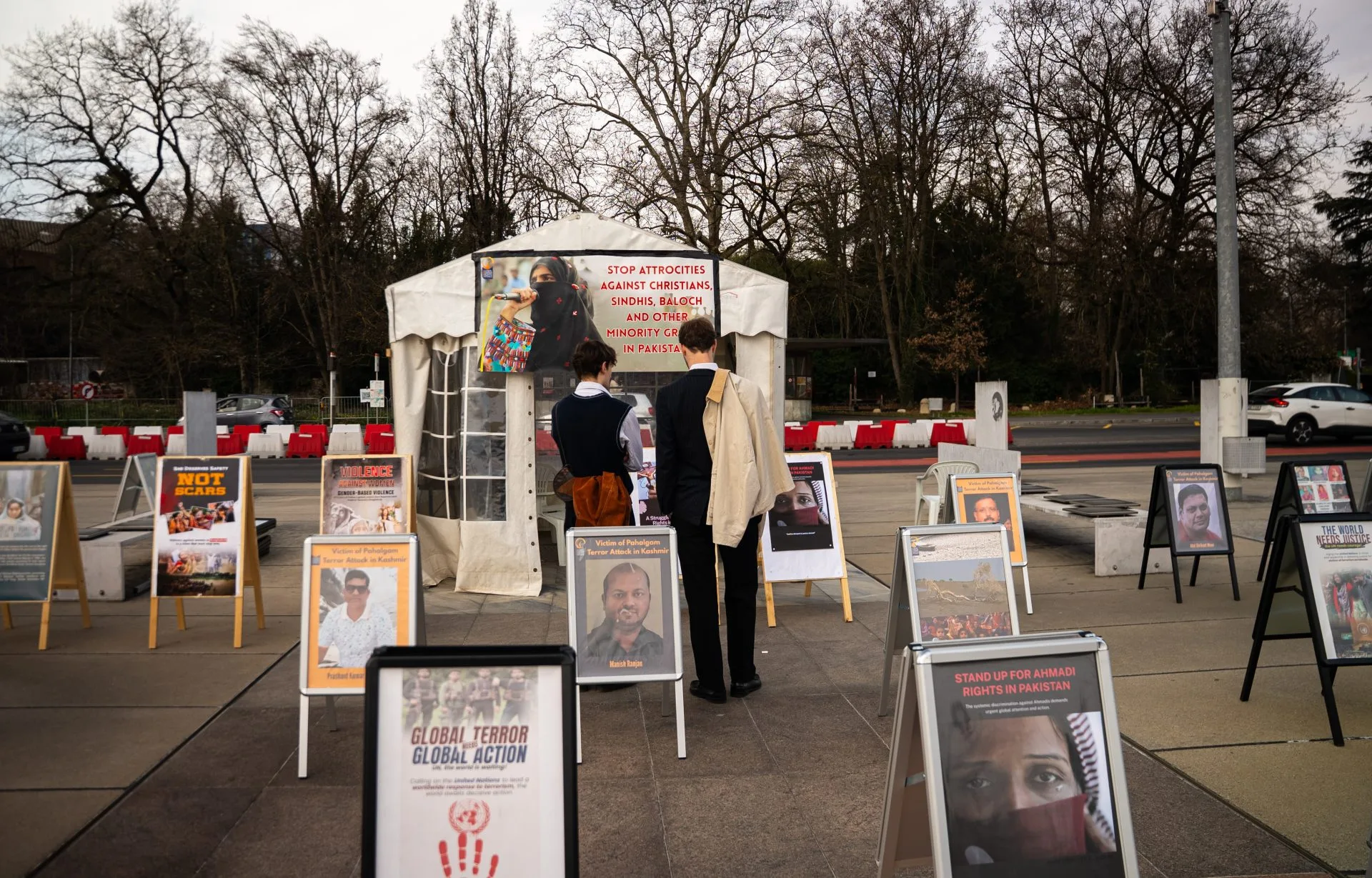
During the 61st session of the UN Human Rights Council in Geneva, GHRD is hosting a three-day exhibition highlighting human rights violations across Asia. The exhibition presents testimonies, visual documentation, and case studies on discrimination, repression, and violence faced by minority and vulnerable communities. It aims to encourage greater international attention, accountability, and protection of fundamental rights.
- GHRD Team
- 8 March 2026
- Human Rights, Migration
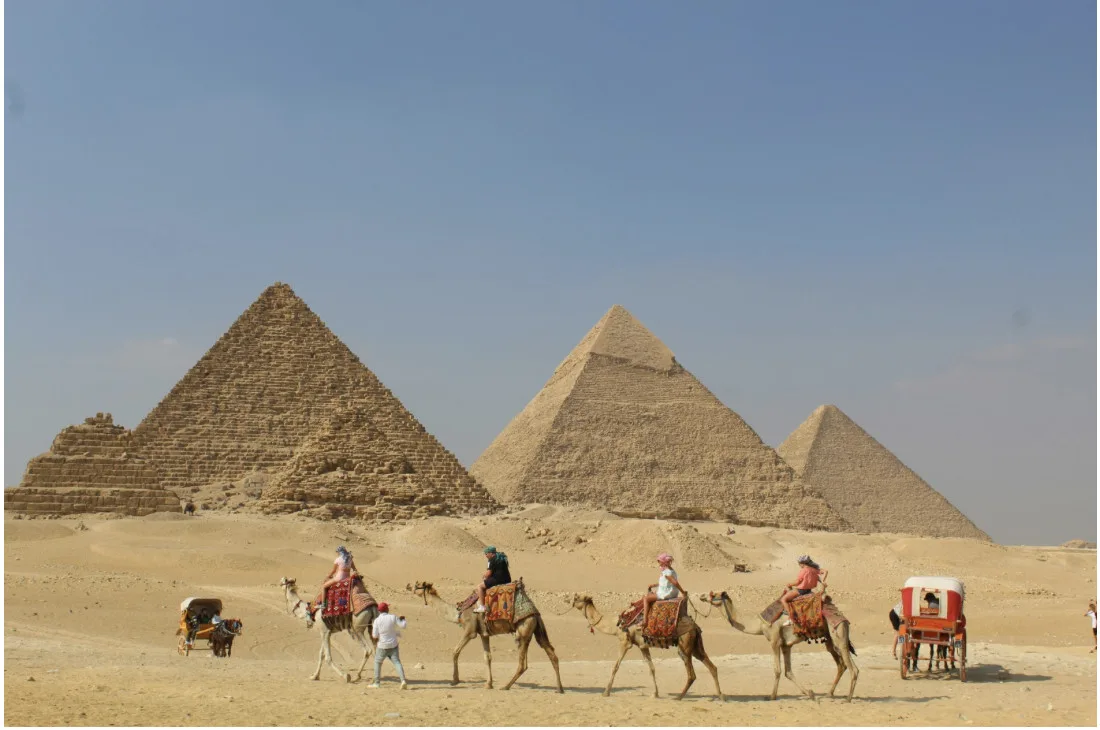
This article examines how Egypt’s new asylum framework is failing to protect refugees and asylum seekers from arbitrary detention and deportation. It highlights serious concerns over violations of non-refoulement, lack of due process, and the erosion of protections previously linked to UNHCR oversight. The piece argues that Egypt’s current approach undermines both international refugee law and basic human rights safeguards.
- UN team
- 2 March 2026
- Blasphemy Laws, Minority Rights, Religious Freedom
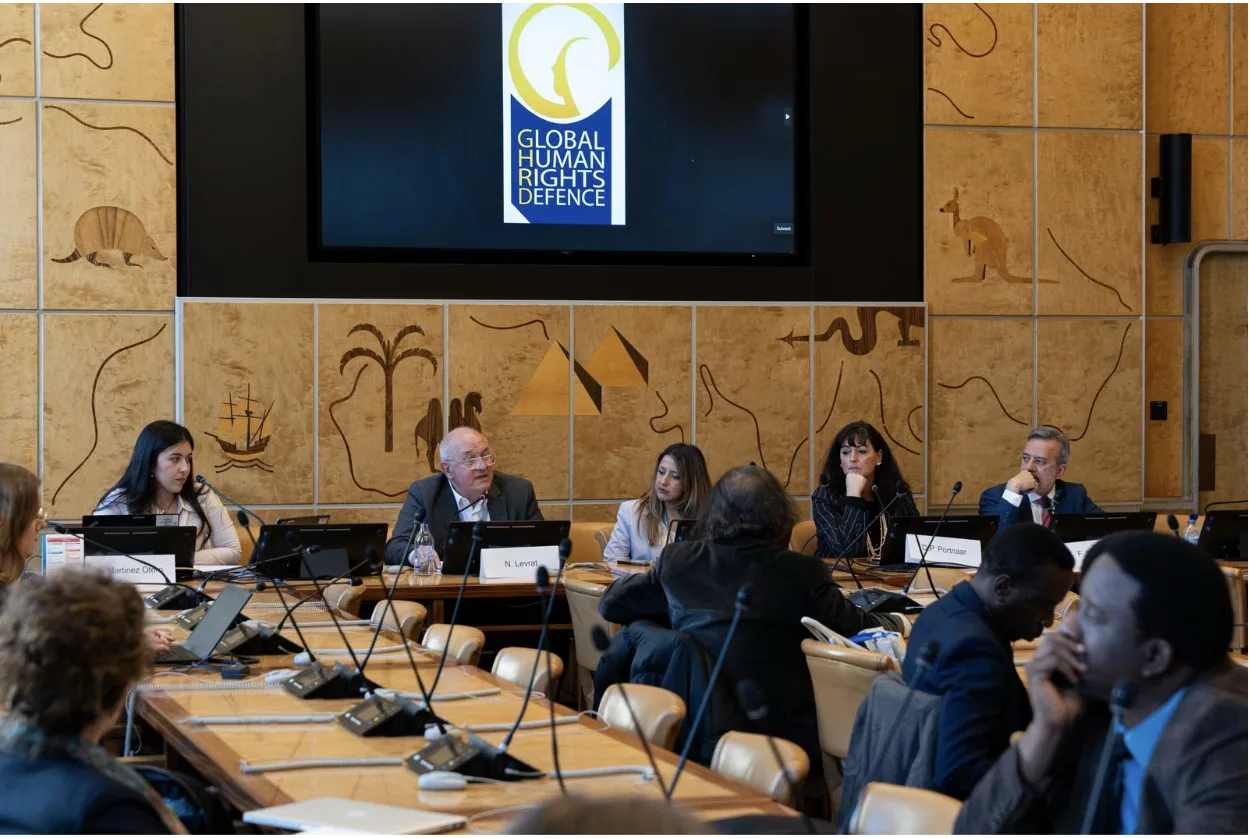
At the 61st Session of the UN Human Rights Council in Geneva, Global Human Rights Defence hosted a side event on the impact of blasphemy laws on minority communities in Asia. Speakers highlighted that such laws exist in around 100 countries and are often used to target minorities and dissenting voices. The discussion emphasized that blasphemy laws are incompatible with international human rights standards and called on states to reform or repeal them.

- GHRD Team
- 27 February 2026
- Hindus, Minority Rights, Religious Persecution
This article explores the ongoing persecution of Hindus in Bangladesh, highlighting recurring incidents of violence, including attacks on temples, homes, and individuals. It examines the gap between constitutional guarantees of secularism and the lived reality of discrimination faced by the Hindu minority. The piece argues that despite legal provisions for equality and religious freedom, systemic failures continue to expose Hindus to insecurity and targeted violence.
- Alejandra Martínez Otero-Saavedra
- 26 February 2026
- United Nations (UN), Women's Rights
GHRD addressed the human rights crisis in Afghanistan, highlighting institutionalized discrimination against women and girls, which has led to their exclusion from public life and essential services. The statement emphasized the compounded discrimination faced by women from ethnic and religious minorities and those in rural areas, along with severe justice barriers and a lack of judicial independence. GHRD urged the Human Rights Council to support accountability measures and enhance evidence-collection for gender-based persecution, reaffirming its commitment to advocate for Afghan women’s rights in international forums.
- GHRD Team
- 25 February 2026
- Occupation, Sahrawi Women, Self-determination
This article examines the central role of Sahrawi women in resisting Moroccan occupation and documenting human rights abuses in Western Sahara. It highlights how women activists face gendered violence, surveillance, and institutional harassment because of their leadership in the struggle for self-determination. The piece underscores that protecting Sahrawi women is essential to any meaningful path toward justice and decolonisation.

- Alejandra Martínez Otero-Saavedra
- 23 February 2026
- UNHRC 61, United Nations (UN), United Nations Geneva
Opening the 61st session of the Human Rights Council in Geneva, UN Secretary-General António Guterres warned that human rights are “under attack” worldwide, as High Commissioner Volker Türk cautioned against the erosion of international norms and called for renewed commitment to accountability, justice and the rule of law.