Monthly Research Reports

Report on Feminsim

Feminism is a concept that is highly misunderstood by the world. These misunderstandings range from a belief that feminism is the hatred of men or a movement to bring about matriarchy. These misunderstandings are not just limited to the social sphere. They are also prevalent in the political sphere with politicians across the world using anti-feminist rhetoric as part of their national campaigns. This research report briefly introduces the concept of feminism and goes on to address misconceptions of
feminism in general, as well as in specific countries around the world, especially when used in politicalrhetoric.

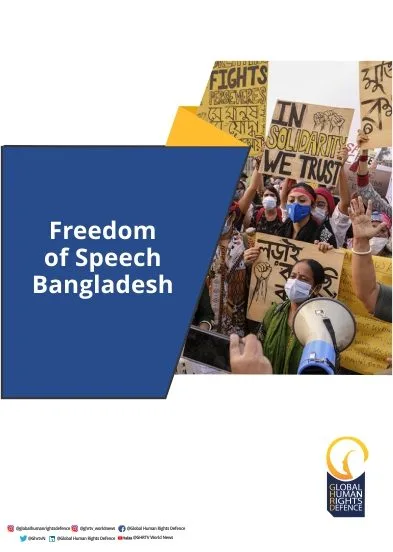
LGBTQ+ Rights in Bangladesh

The LGBTQ+ community – standing for lesbian, gay, transsexual, bisexual and queer – represents all those individuals who do not fit within the heteronormative culture defined according to the rigid dichotomy between masculinity and femininity (Linde, 2015). These subjects have become marginalised worldwide and are deprived of their basic human rights on the ground of their sexual orientation and gender identity (HRW, n/a). This report will endeavour to present the current situation of the LGBTQ+ community in Bangladesh, characterised by a large spectrum of systemic injustices faced by the community on a daily basis: from physical and sexual violence to low representation in the political and administrative bodies and from discrimination in employment policies to lack of access to medical services.

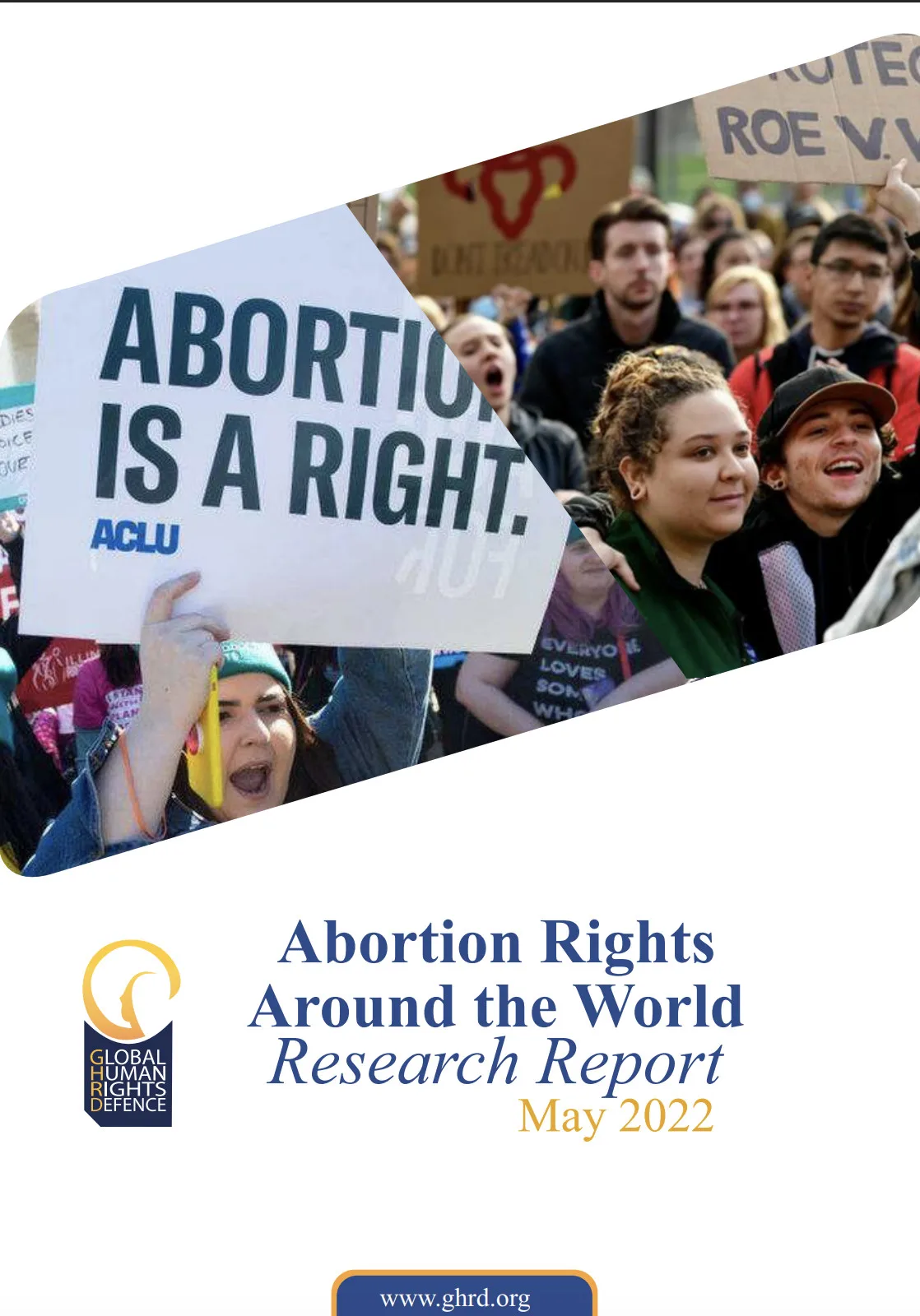
Abortion Rights Around the World

Abortion, or rather the termination of pregnancy, is and always has been a widely contentious issue worldwide. Abortion is an experience shared by millions of women around the globe and is an essential part in the discussion within Sexual and Reproductive Health (SRH) rights (Popinchalk et al., 2022). The preserving and protecting of SRH rights is discussed during numerous international conventions and protocols, which has pushed many countries to develop better national legislations. However, while some countries in Latin America are liberalising their abortion policies, countries like the United States are becoming more restrictive in the recent years.

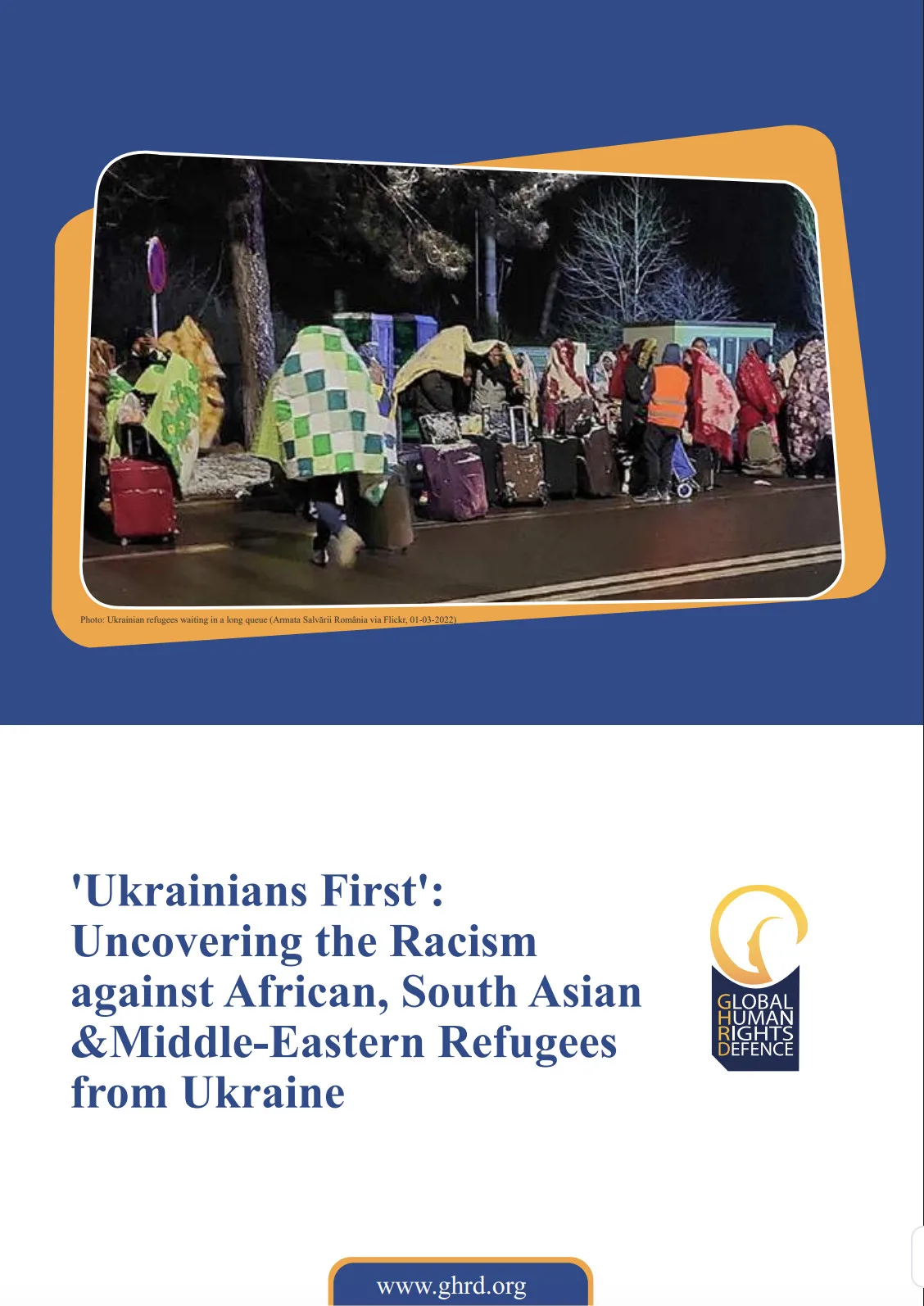
Ukrainians First: Uncovering the Racism against African, South Asian and Middle-Eastern Refugees in Ukraine.

The risks involved in fleeing armed conflict are amplified by discrimination and racism. Numerous reports have now brought to light the despicable treatment of nationals of Global-South countries as they attempted to flee Ukraine during the Russian invasion. African women were barred from trains as white women and children were given priority, Black and Asian refugees were violently pushed to the back of the queue by border guards, and shops in border towns were refusing to sell supplies to
refugees other than Ukrainian nationals. This experience of minorities as they fled from Ukraine has demonstrated a ‘pathology of racism’ (Bajaj & Stanford, 2022; Dovi, 2022).

Religious Repression | Bangladesh

Bangladesh, officially the People’s Republic of Bangladesh, is a country located in South Asia. With a population of over 163.1 million (DESA, 2019), Bangladesh is the eighth most populous country in the world (Visual Capitalist, 2020). Dhaka is the capital and the largest city of Bangladesh, as well as the economic, cultural, and political centre of the country. The political system of Bangladesh is a parliamentary democracy, with the Constitution providing the Parliament and the Prime Minister with substantial powers. Sheikh Hasina is the current Prime Minister after winning her third consecutive term. However, the country still faces accusations of constant irregularities in its electoral process.

“Their Body, Their Voices” – Listen to the stories of women to understand how important abortion rights are

The choice to get an abortion is a woman’s personal decision. Yet, abortion remains an issue that provokes moral outrage and political polarisation. Even with Roe v. Wade (1973), American women’s choice for abortion is only possible in the first trimester. Once a foetus is considered viable, the state can interfere and set limitations based on its beliefs in the second and final trimester. Therefore, despite Roe v. Wade guaranteeing women the right to choose, states like Arkansas (banning abortion after twelve weeks) or Texas (restricting the supply of abortions) take steps to restrict abortion.

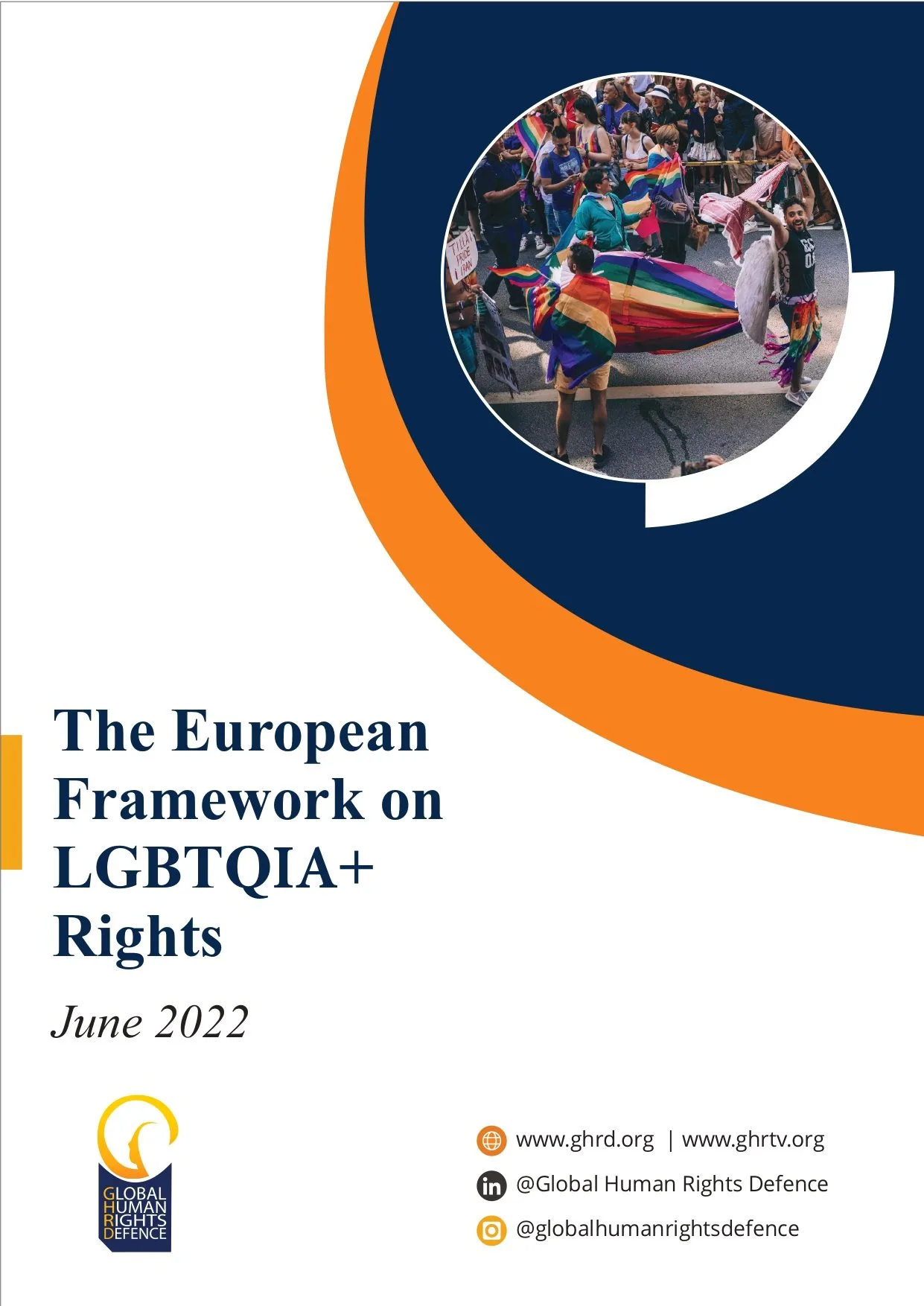
June report on LGBTQIA+ Righrs

The overall situation of the rights of the LGBTQIA+ community in the European framework is
characterised by numerous factors, often interacting with each other in multiple ways. According to
the 2022 annual review by ILGA-Europe, 2021 was marked by a serious rise in hate speech and
anti-LGBTQIA+ rhetoric by numerous political leaders, generating a wave of violent episodes and
attacks that are severely undermining LGBTQIA+ rights in Europe. This growing aversion towards
the LGBTQIA+ community also comes from the consequences of democratic erosion and political
turmoil in countries such as Azerbaijan, Belarus, Hungary, Kazakhstan and Turkey, which consequently
has led to LGBTQIA+ people being forced to flee from persecutions (ILGA-Europe, 2022). On the
other hand, national human rights institutions (NHRIs) and courthouses in many countries have been
working to protect and promote the rights of LGBTQIA+ communities. For instance, different countries
promulgated fines and prison sentences over hate speech and hate crime events (ILGA-Europe, 2022).

Lastly, the European Parliament adopted a Resolution in 2021 declaring the European Union an
“LGBTIQ Freedom Zone” and denouncing “all forms of violence or discrimination against persons on
the basis of their sex or sexual orientation” (European Parliament, 2021b). The Resolution came as a
direct response to the regressive behaviour of some countries against LGBTQIA+ rights, notably from
Hungary and Poland. More specifically, the Resolution represents a positive alternative to the “LGBT
free-zones” that have been emerging across Poland over the past two years. The European Parliament
resolution also refers to the worsening of conditions in Hungary. In November 2020, the Hungarian
municipality of Nagykáta implemented a resolution banning the dissemination and promotion of
LGBTQIA+ propaganda. A month later, the National Parliament adopted a series of constitutional
amendments that further restrain the rights of the LGBTQIA+ community, by not considering the
existence of transgender and non-binary persons and limiting the right to a family life (European
Parliament, 2021a) as the national parliament also passed a law allowing the adoption of children only
to only married couples, which basically excludes same-sex couples who are not allowed to marry in
Hungary (Euronews & AFP, 2020).

The present report explores the cases of Malta, Denmark, Belgium, and Norway, which are considered
to be amongst the top countries in Europe for the promotion and integration of LGBTQIA+ rights (in
their national framework). Later, in the second part of the report the examples of Italy, France, Spain
and Poland will be explored in further detail, through the examination of their national and legal
framework on LGTBQIA+ rights. This report aims to analyse the current European framework of
LGBTQIA+ rights, their state and implementation in EU and non-EU countries by sharing national
regulations, best practices, and experiences so that the inclusivity and equality of the LGBTQIA+
community is never taken for granted again. The cases here reported attempt to give an overall example
of how variegated the framework on the rights of the LGBTQIA+ is community in the European Union
and in its member and non-member states.

The Massive Incarceration Of Women In Brazil A Cycle Of Violence And Exclusion

The growing trend of female incarceration is present all over the world, with 740,000 women currently in prison, a 17 percent increase from 2010. According to the report Global Prison Trends issued by Penal Reform International in 2021, the rise is related to an incarceration policy characterised by laws that criminalise possession of small amounts of drugs and the punishment of women who commit offenses in the contexts of violence, poverty, or discrimination. The report demonstrates that gender inequality causes women to benefit less from acquittals or releases than men, even when they are considered low risk (GIFE, 2021; Penal Reform International & Thailand Institute of Justice, 2021).

Monthly Report Women’s Rights Team

March has a massive connection with women’s rights and gender equality in many countries. In countries like the U.S, March is used to celebrate female historical figures that are often overlooked or marginalised in society, history, and culture. March is an even more critical time as the month starts with celebrating International Women’s Day hosted on March 8.

6th GHRD International Film Festival: Human Trafficking Edition
Submission Deadline: 9th August 2026