Asia Team

Role and Legal Standards of NGO Evidence at the International Criminal Court

Non-Governmental Organisations (NGOs) have an important role in providing evidence to courts. However challenges remain in meeting the evidence admissibility criteria. Therefore, this report addresses the required legal standards of NGO evidence at the International Criminal Court (ICC), with thorough case examples of the NGOs’ role in providing evidence. Moreover, recommendations are provided to allow for a smoother cooperation and adequate evidence submission by NGOs to the ICC.

Front page report

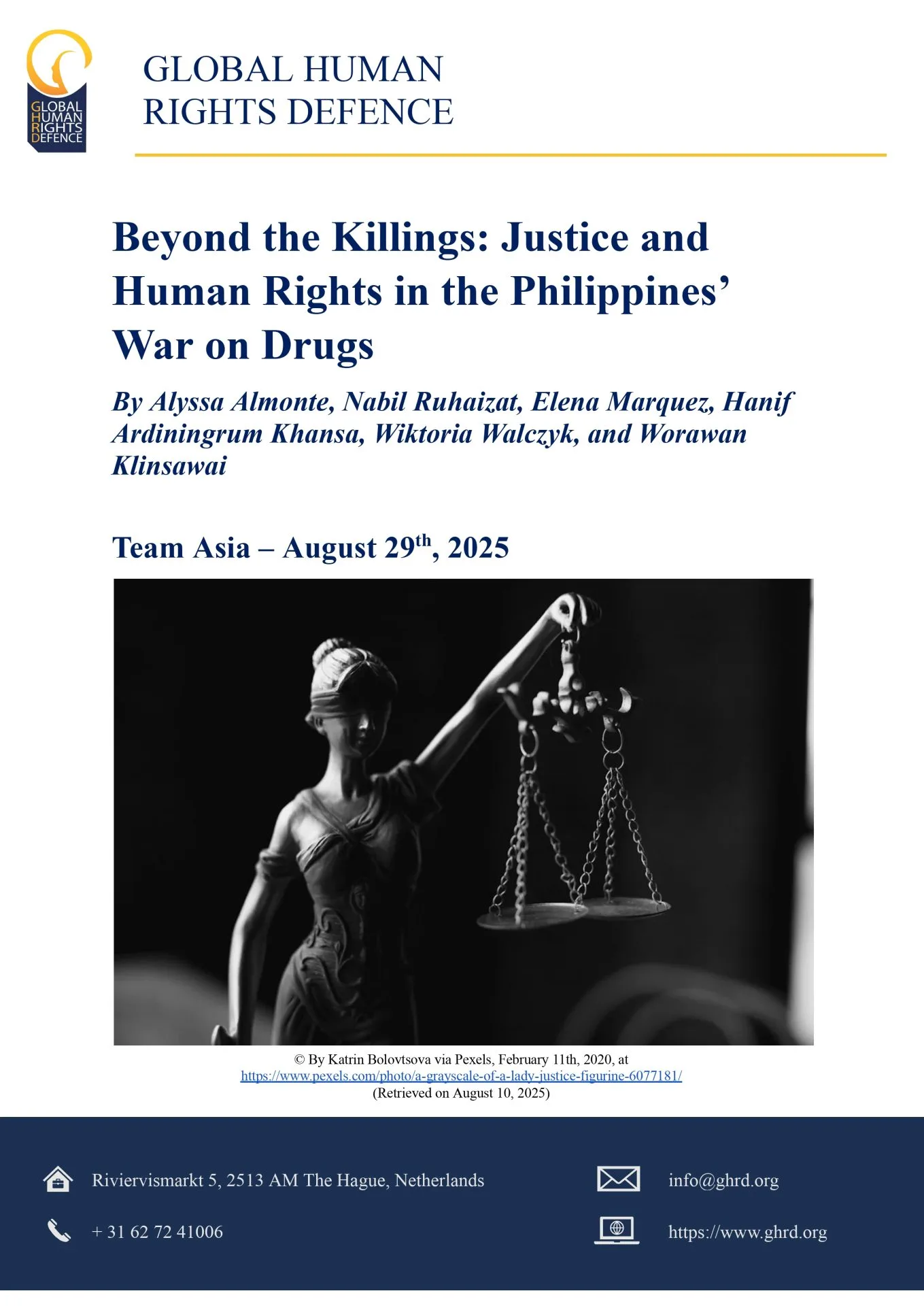
Beyond the Killings: Justice and Human Rights in the Philippines’ War on Drugs

This report examines the human rights implications surrounding the implementation and consequences of the ‘war on drugs’ of former Philippine President Rodrigo Duterte, the domestic and international response leading to his arrest in the International Criminal Court, and the continuing pursuit of justice and accountability for victims of the extrajudicial killings.

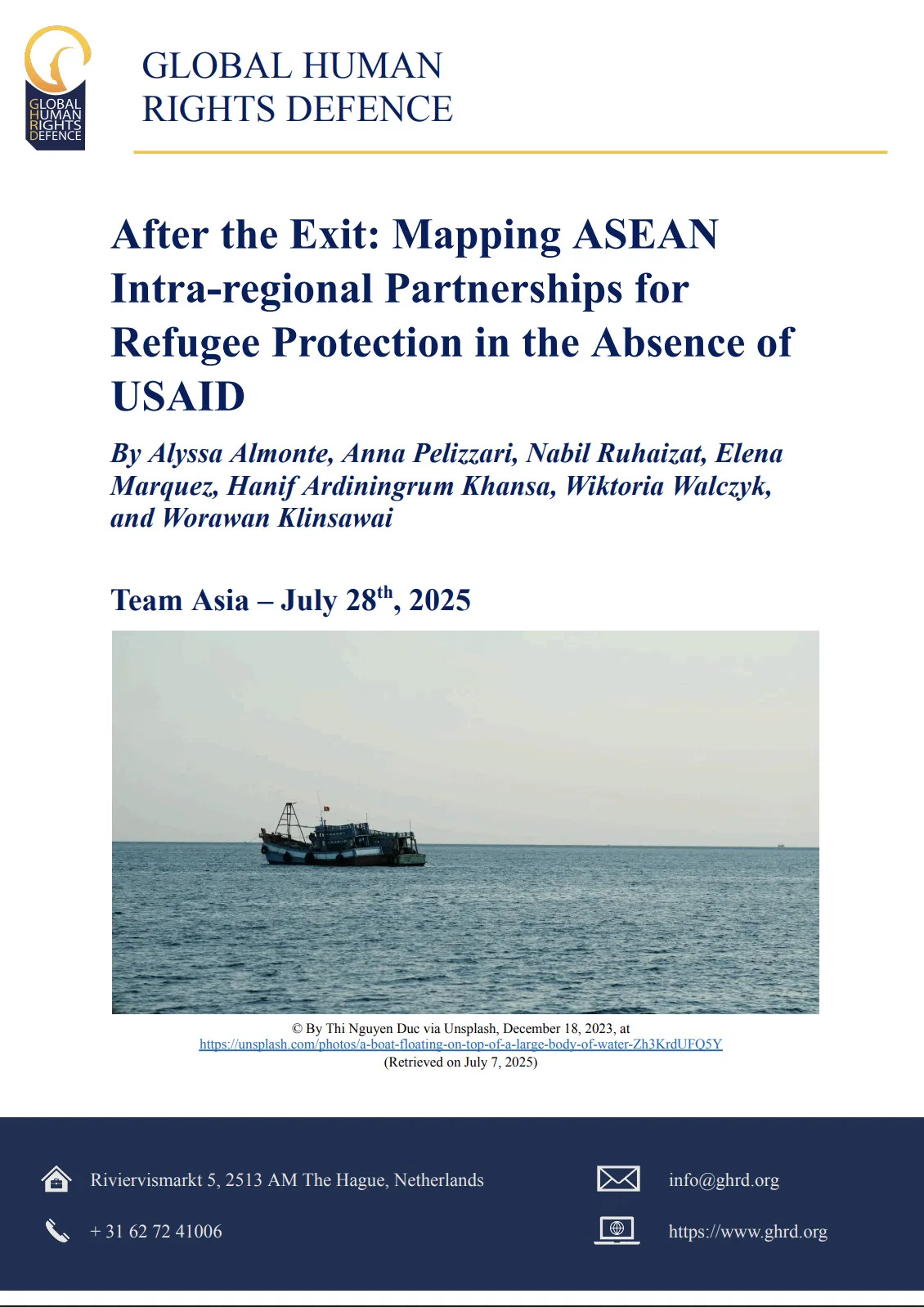
After the Exit: Mapping ASEAN Intra-regional Partnerships for Refugee Protection in the Absence of USAID

The United States Agency for International Development (USAID) has been a central driver of humanitarian and development assistance in Southeast Asia, including refugee protection in partnership with the Association of Southeast Asian Nations (ASEAN) Member States (Thailand Business News, 2025). Through initiatives such as the Partnership for Good Governance, Equitable, and Sustainable Development and Security (PROGRESS) and the Partnership for Regional Optimisation within the Political-Security and Socio-Cultural Communities (PROSPECT), USAID has supported anti-trafficking frameworks, capacity-building for legal aid, and direct service delivery in refugee camps (U.S. Mission to ASEAN, 2023). In 2025, however, the United States (U.S.) government altered its foreign aid approach and is poised to ‘close down’ USAID (BBC News, 2025).

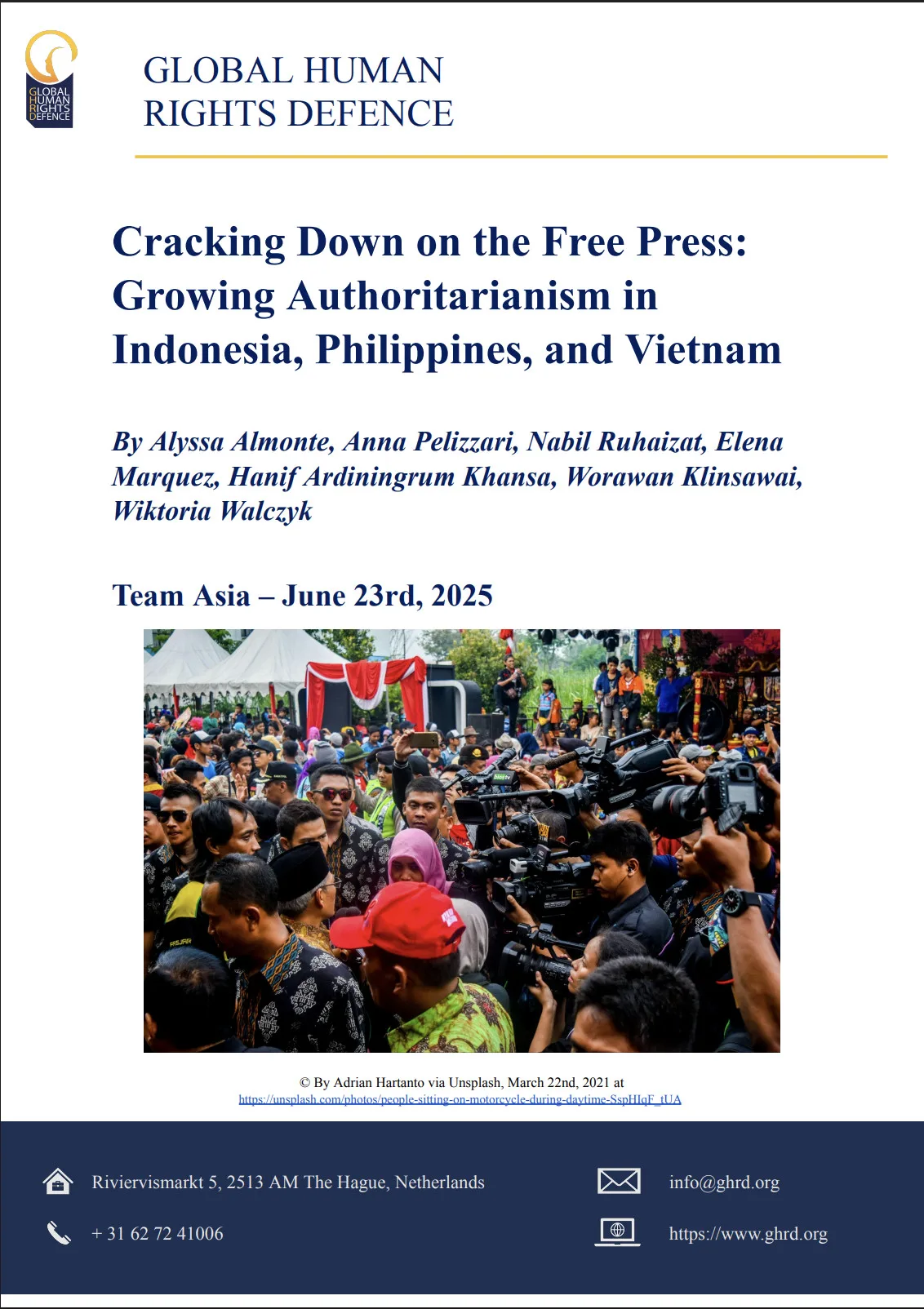
Cracking Down on the Free Press: Growing Authoritarianism in Indonesia, Philippines, and Vietnam

Cracking Down on the Free Press: Growing Authoritarianism in Indonesia, the Philippines, and Vietnam presents evidence of the shrinking boundaries of press freedom in three Southeast Asian nations. In Indonesia, where democratic institutions nominally remain intact, successive administrations have intensified legal intimidation of journalists. In the Philippines –once home to one of the region’s freest media landscapes – red-tagging and online harassment have been normalised through legal coercion. And in Vietnam, a single-party State, surveillance and a penal code are used to strictly control public discourse and suppress dissent. Despite their differing political systems, all three governments are actively working to restrict critical and constructive journalism. A clear and deliberate pattern has emerged: journalists are increasingly portrayed as adversaries, and public scrutiny is reframed as a threat to national security.

First page report sustainable development in Asia report

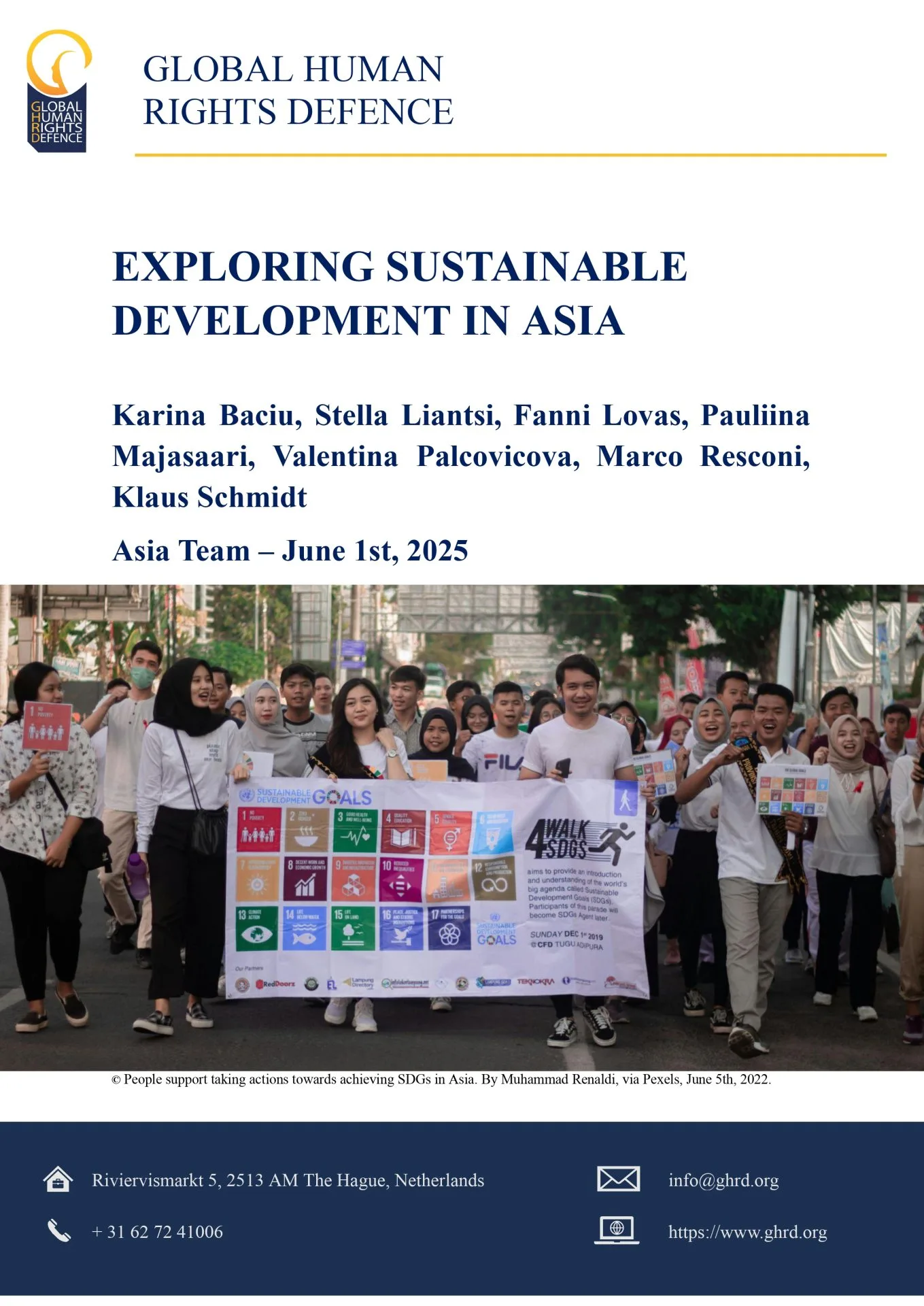
Exploring sustainable Development in Asia

Achieving sustainable development is a work in progress within the South and East Asia Region. Financial constraints, political instabilities, governance issues and developmental progress of nations affects the countries’ ability to effectively make changes towards the Sustainable Development Goals (SDGs) of the 2030 Agenda. Despite these challenges, achievements have been made on several SDGs, mainly regarding health, education, poverty eradication, climate action as well as peace, justice and strong institutions.

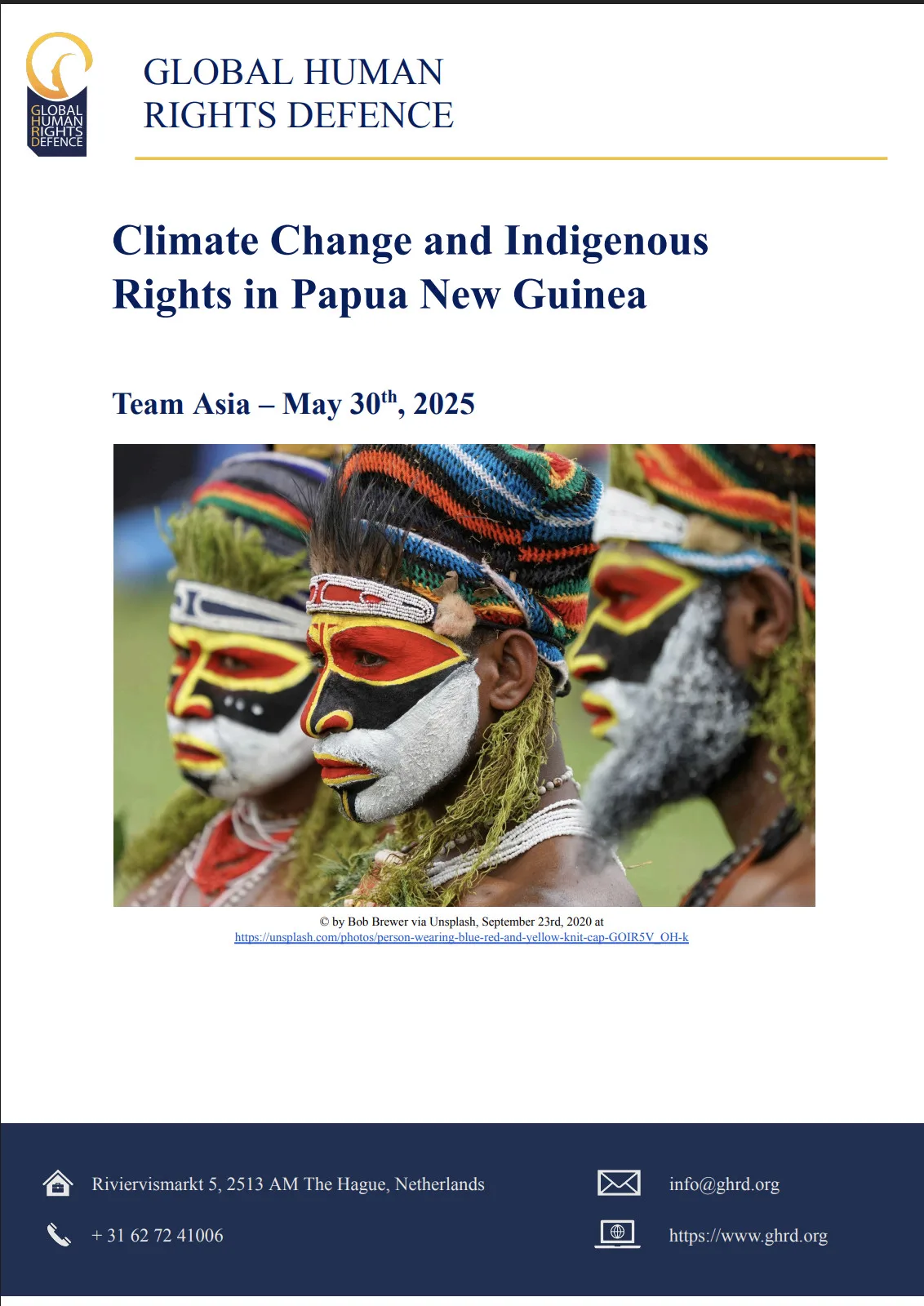
Climate Change and Indigenous Rights in Papua New Guinea

Climate change is one of the most pressing global challenges of the 21st century. Beyond an environmental crisis, it is also a complex socio-economic and political issue that deeply affects populations around the world in diverse and often unequal ways. Rising global temperatures, shifting weather patterns, and an increase in the frequency and intensity of natural disasters have profound consequences for human health, food security, access to water, and migration patterns (United Nations, n.d.; WHO, n.d.; Omolere, 2025). These changes are not just scientific phenomena; they also raise fundamental questions about the protection of human rights.

6th GHRD International Film Festival: Human Trafficking Edition
Submission Deadline: 9th August 2026