Women´s roles in the 1971 Bangaldesh Genocide
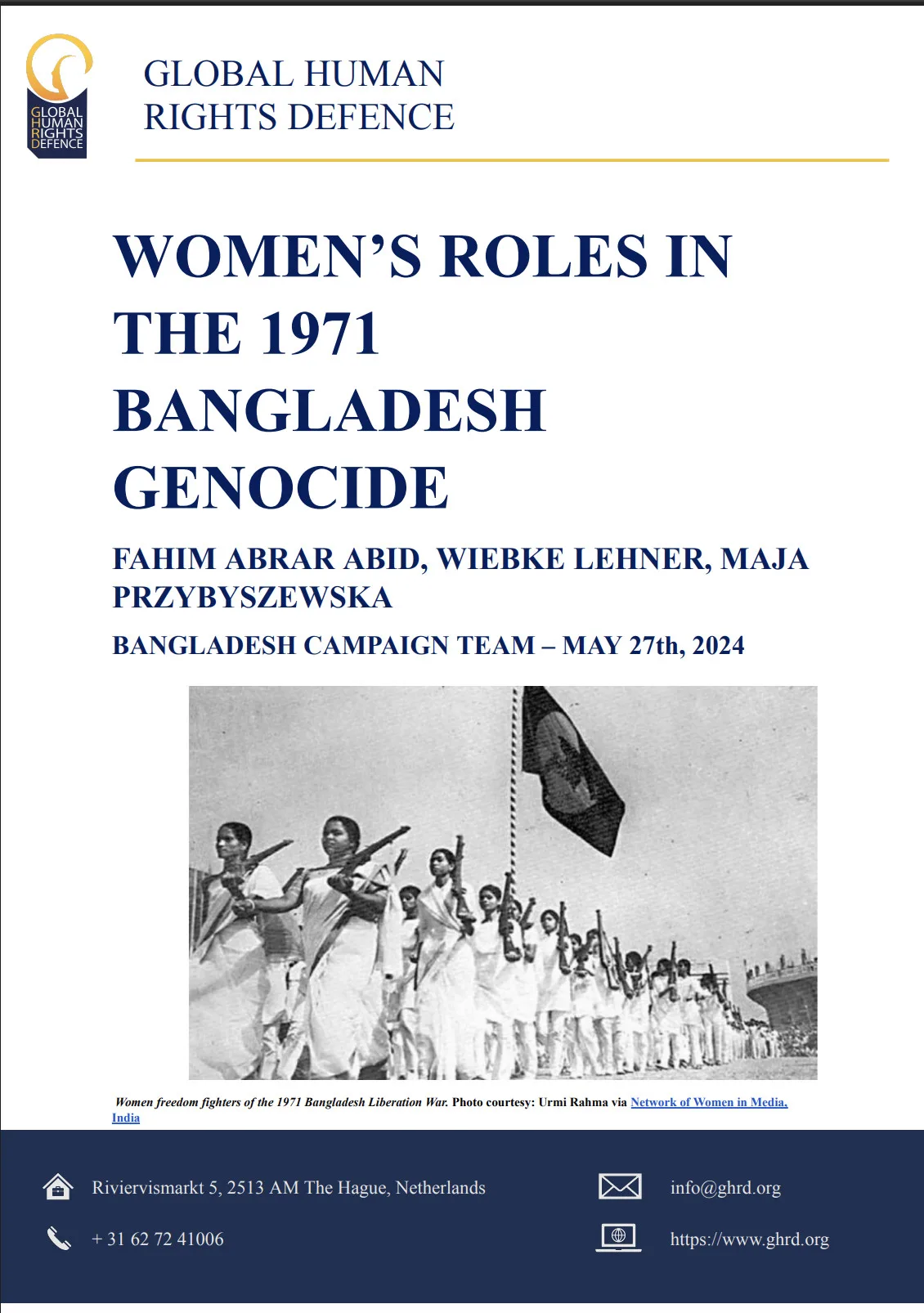
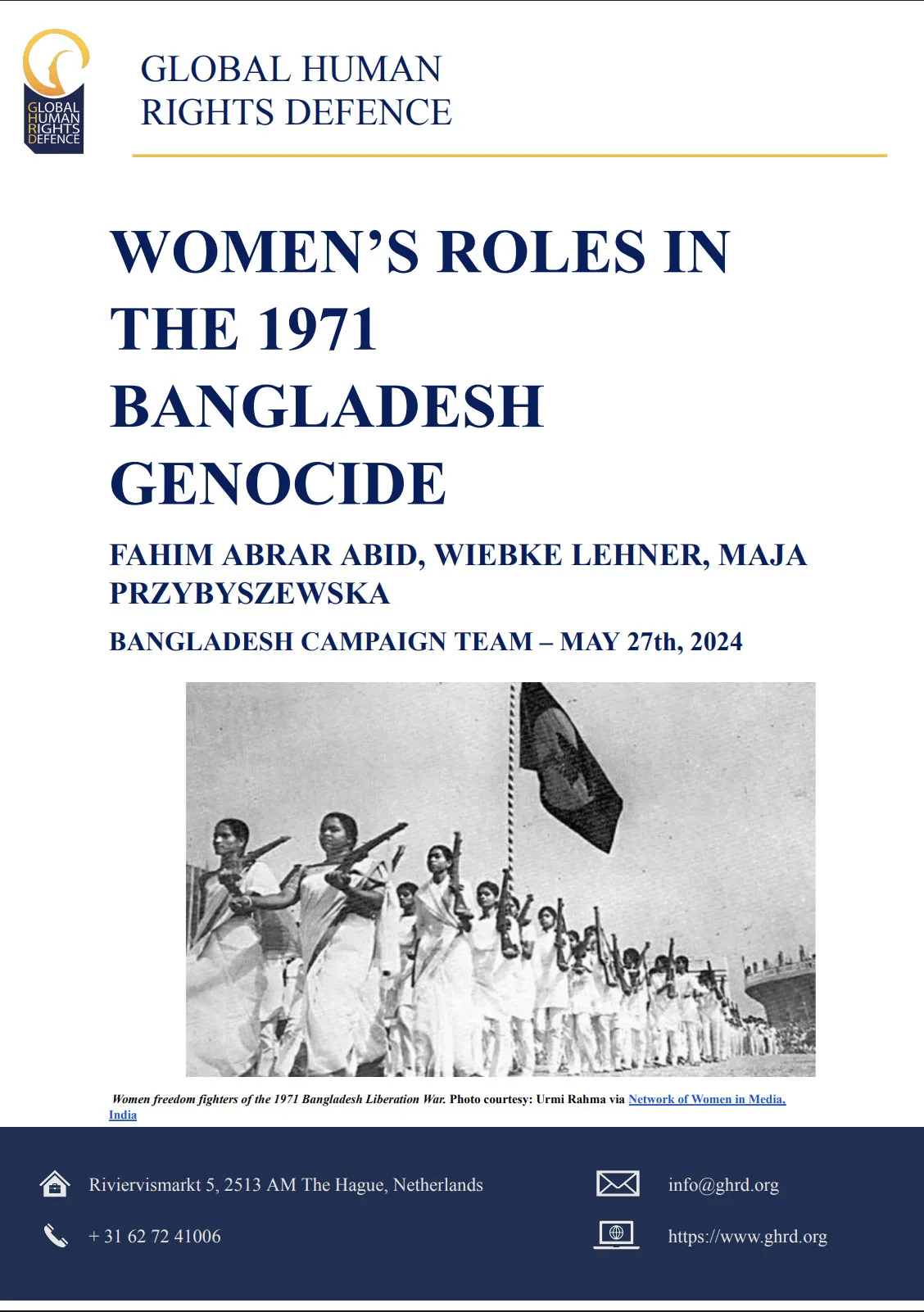
In the context of armed conflict, women fulfil a wide variety of roles. They confront issues of survival, engage in resistance, and build resilience. Yet their experiences and contributions are often erased from collective consciousness in the process of post-conflict societal rebuilding (Mookherjee, 2006). The Bangladesh Liberation War of 1971 is a noteworthy example of how the lack of acknowledgment of women’s experiences and involvement feeds into, and is mutually reinforced by, the failure to recognise atrocities occurring during conflict. Specifically, the survivors of widespread rape and sexual torture are often purposively excluded from public discourse about the conflict experience, since their identity contradicts cultural stigma about sexuality, the role of women in the community, and perceptions of national honour (Sharlach, 2000). The lack of recognition contributes to Bangladesh’s contemporary political contestation as well as the perception of the role of women (Bass, 2016, p. 262). Therefore, this report sheds light on the intricacy of women’s wartime experiences, their subjugation to sexual aggression, and their contribution to the cause of national self-determination through their participation in liberation movements.