Bangladesh Campaign Team

Operation Devil Hunt: Bangladesh’s Growing Crime Rate & Public Safety Crisis

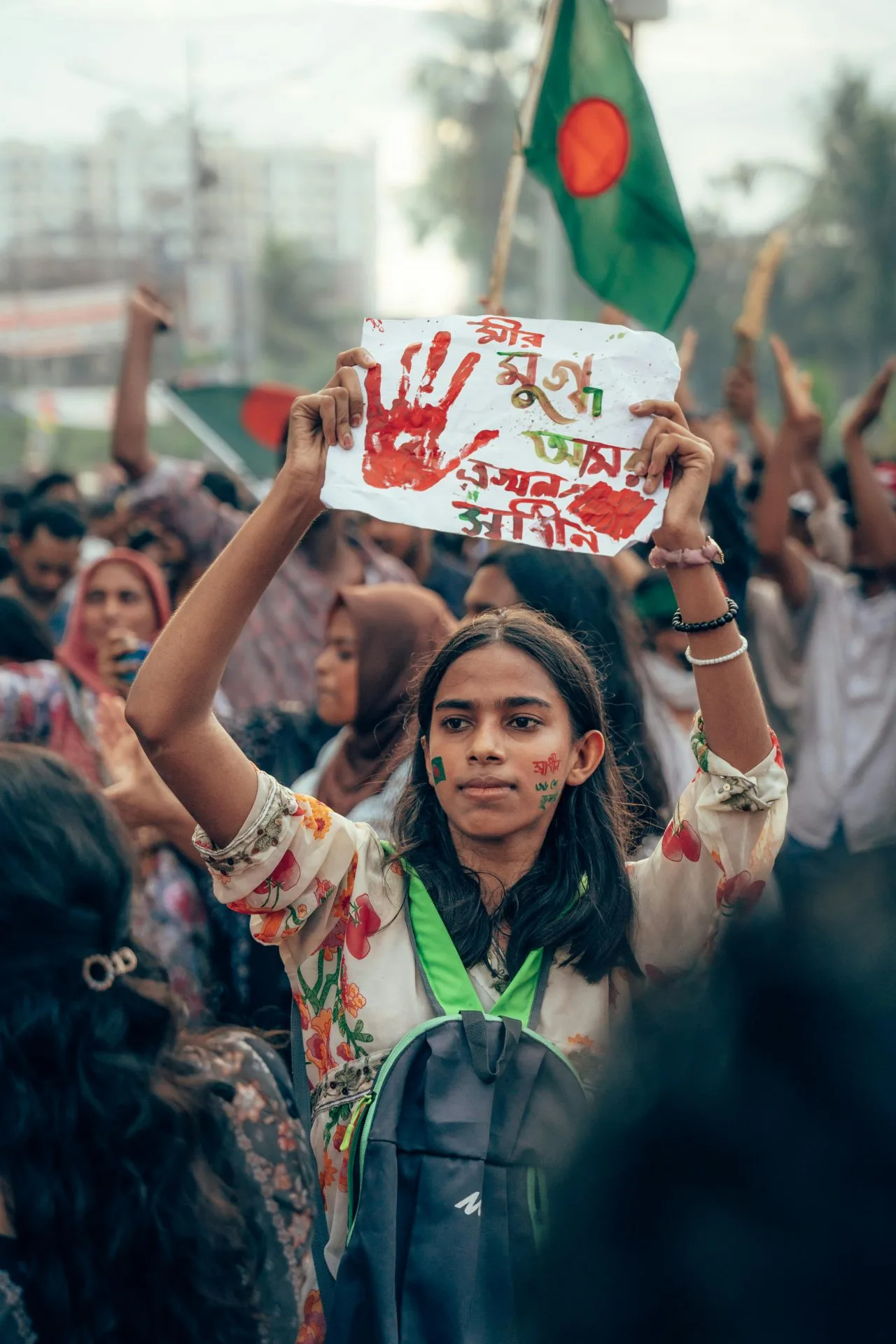
Bangladesh is at a turning point in its history as it deals with an increase in crime and political unrest after former Prime Minister Sheikh Hasina was overthrown by a student-led movement. Former Prime Minister Sheikh Hasina was overthrown in July 2024 as a result of widespread protests sparked by decades of systemic corruption, socioeconomic inequality, and an intense distrust of current law enforcement. Public outrage over a contentious public sector employment quota served as the starting point for the movement, which quickly expanded to include demands for extensive democratic reforms and accountability for widespread violations of human rights. Public dissatisfaction was heightened by the ruthless crackdown that followed under Hasina’s rule, which resulted in the detention of thousands of activists, journalists, and political dissidents.

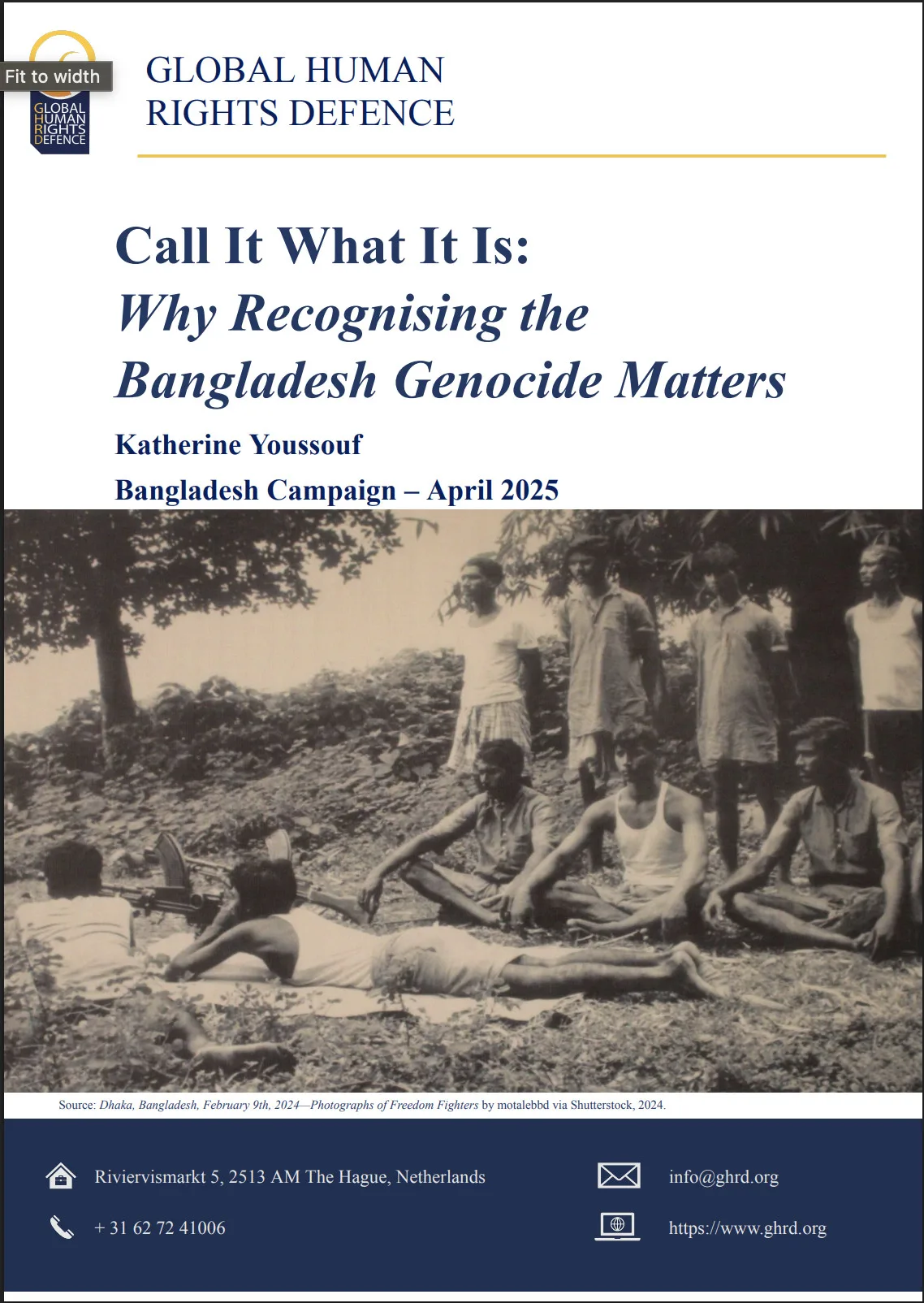
Call It What It Is: Why Recognising the Bangladesh Genocide Matters

Genocide is marked by such unimaginable horror and devastation that, for some, it raises the question: why remember it at all? The answer is multifaceted. We remember it because doing so is important to recognising the truth of what has happened, and recognition is how we show empathy to others, secure justice for victims, preserve historical truth, prevent future atrocities, and uphold the rule of law.

Women’s Rights and Activism in Post-July 2024 Bangladesh

Bangladesh is currently undergoing a political and societal transformation. The country was formed in 1971 after a brutal genocide launched by the Pakistani military. The genocide that began on March 25th, 1971, resulted in the deaths of between 300,000 and three million people (Zakaria, 2019). Women and girls were also victims of violence and sexual assault with some experts estimating that between 200,000 and 400,000 were raped during the genocide (Begum, 2023). Similar to the partition of India, sexual violence was used as a military tactic. The stories of these women and girls remain largely unknown due to the stigma regarding sexual violence. Furthermore, the lack of recognition of the genocide allows for impunity of these crimes to continue. The effects of the genocide are still felt today in Bangladesh, made evident by the recent protests that gripped the country.

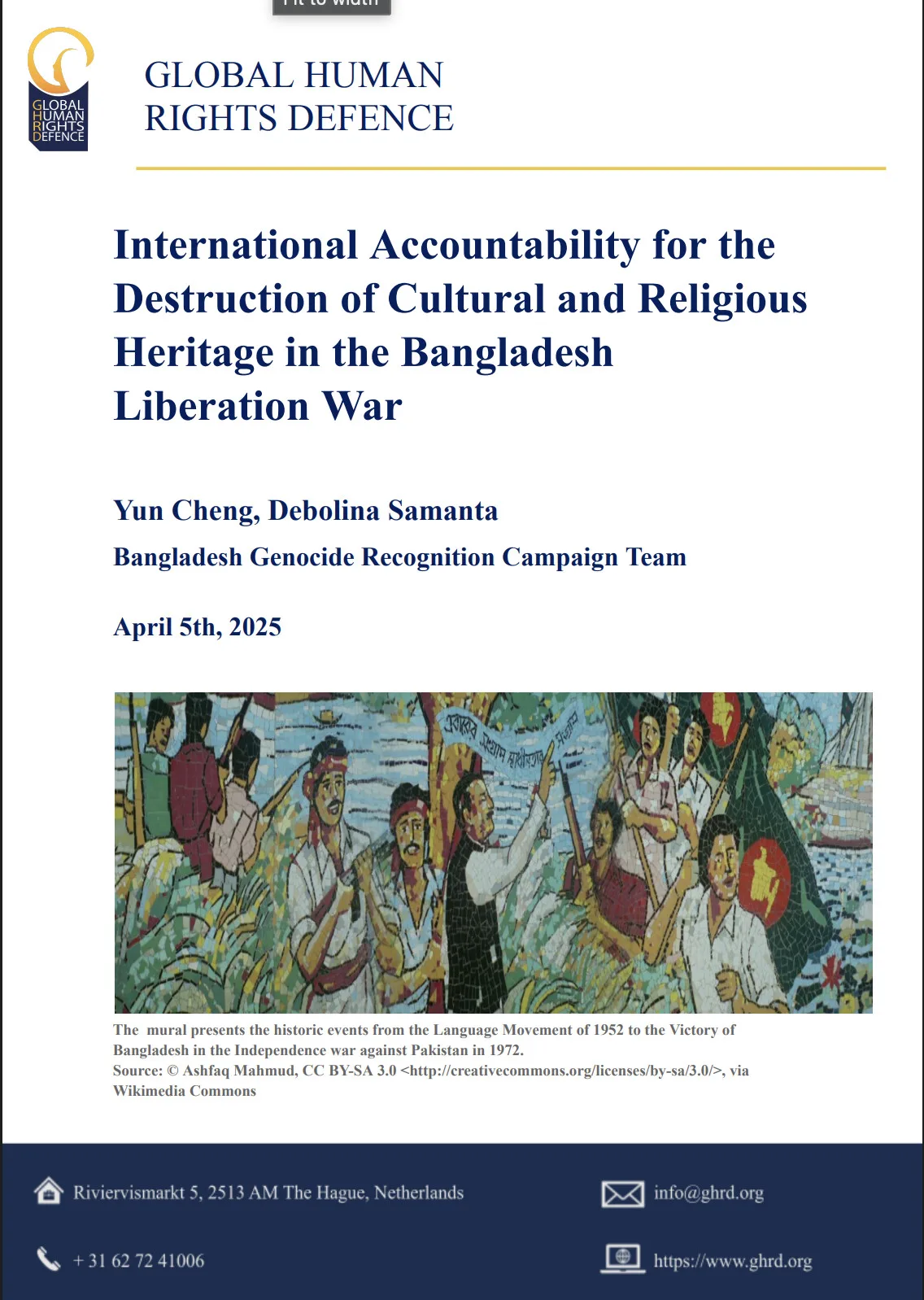
International Accountability for the Destruction of Cultural and Religious Heritage in the Bangladesh Liberation War

They attack culturally significant properties as they believe that their enemies are culturally superior or inferior. With the destruction of cultural property, they wish to establish and exhibit unilateral political authority over “the others” by destroying their rich cultural heritage. (Rahim, 2018) An estimated 1.5 to three million people were killed between March 26th and December 16th, 1971 in occupied Bangladesh (Beachler, 2007). The loss of human life, the targeting of intellectuals, the suppression of Bengali identity, and the displacement of populations profoundly damaged the cultural heritage of Bangladesh during the 1971 Liberation War (Nishant & Hossain, 2022).

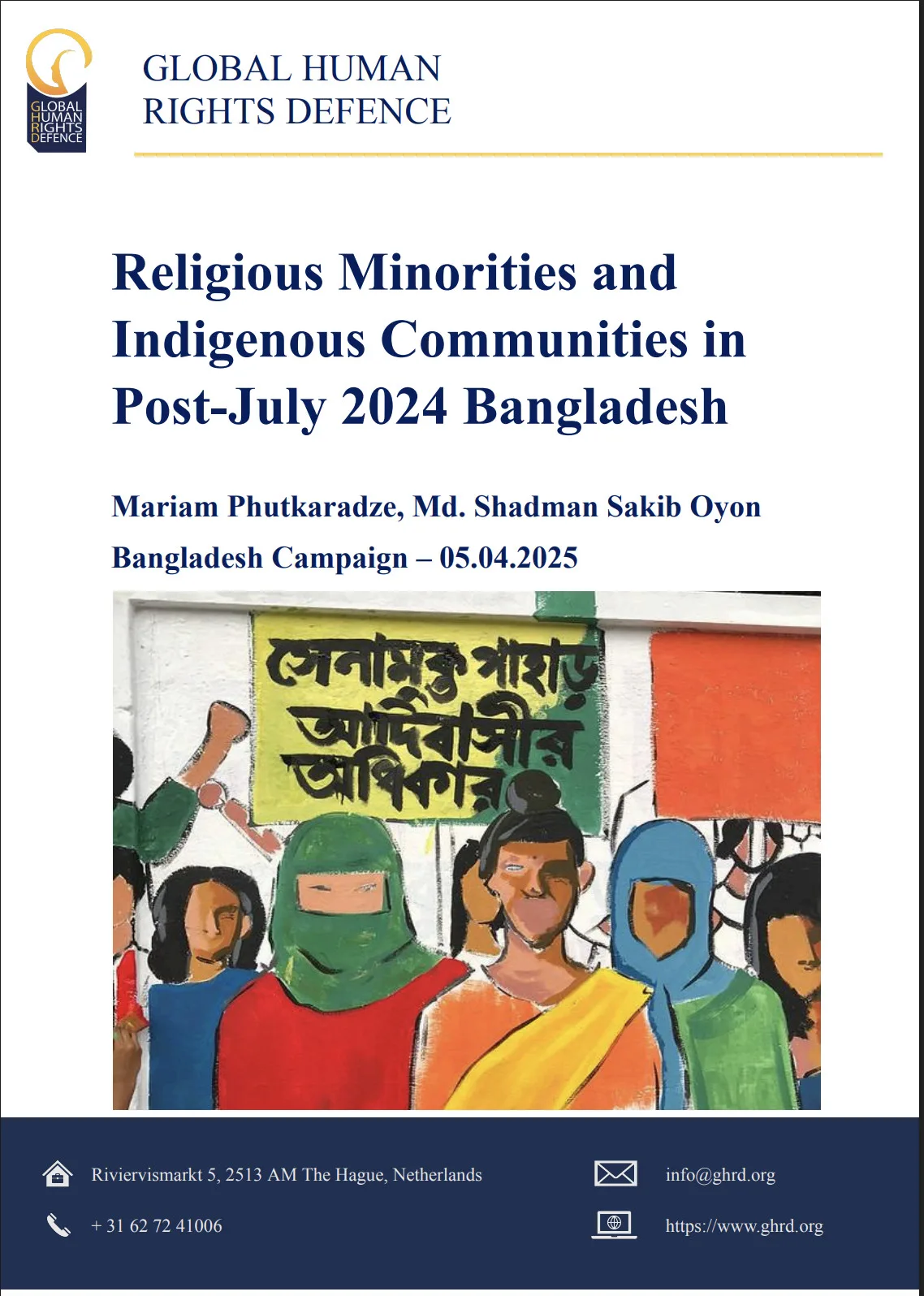
Religious Minorities and Indigenous Communities in Post-July 2024 Bangladesh

Since Bangladesh’s independence from Pakistan in 1971, the country has witnessed a continuous struggle between democratic aspirations and autocratic resurgence. This tension reached a critical point during the 2024 national elections, marking one of the most controversial political transitions in the country’s history. After 15 years of leadership, the world’s longest-serving female prime minister, Sheikh Hasina, fled to India in self-imposed exile following months of protests. Her premiership, characterised by widespread repression of dissent, accusations of electoral fraud, silencing critics and systematic violations of civil liberties, catalysed national unrest, which ended with the “July Revolution”. The power vacuum created by this transitional period and the absence of a functioning law enforcement system exposed minorities, particularly Hindus, Ahmadiyya Muslims, Buddhists, Christians and the indigenous groups in the Chittagong Hill Tracts (CHT) to widespread attacks and human rights violations (OHCHR, 2025, p. 3).

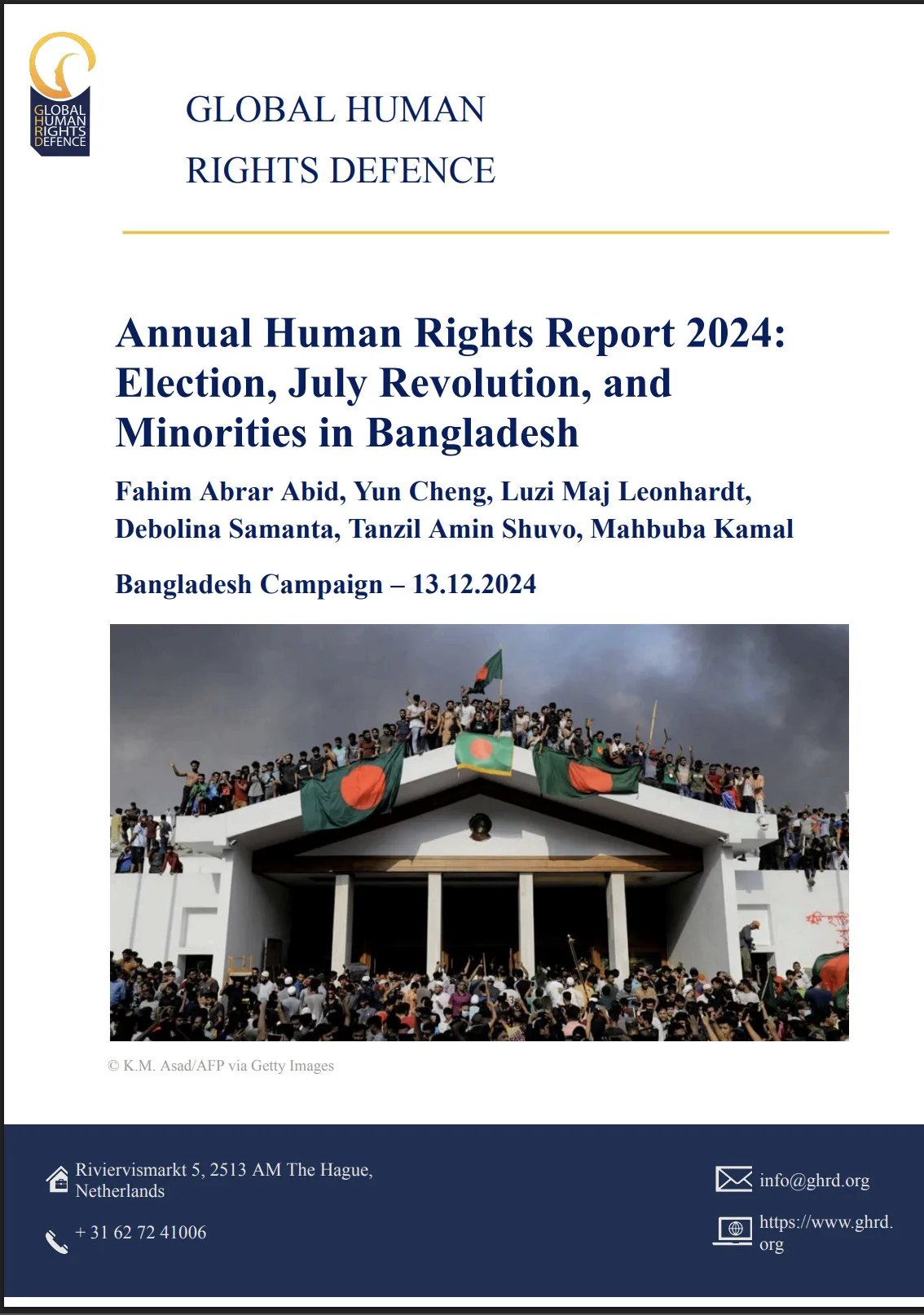
Annual Human Rights Report 2024: Election, July Revolution, and Minorities in Bangladesh

While an interim government led by the Nobel Laureate Dr Yunus was formed, attacks on minorities took place since the day of Hasina’s fleeing. These attacks include
political as well as religious extremist agendas. Although the interim government tried to control the situation, urging everyone to maintain harmony, the four-month ruling of this government has witnessed at least two big incidents in the country concerning minority rights protection. Among them, one is surrounding the indigenous minority living in the Chittagong Hill Tracts, often a victim of military intervention coupled with Bengali settlers, and the other one is centring the Hindu religious minority following the arrest of one of their religious leaders on sedition charges. This report will highlight all three major events that demonstrated human rights violations.

Justice for International Crimes: Unpacking the History, Cases, and Controversies of the International Crimes Tribunal of Bangladesh

The International Crimes Tribunal of Bangladesh (ICT) was established in 2009 with the aim of prosecuting individuals accused of committing war crimes, crimes against humanity, and other atrocities during the 1971 Bangladesh Liberation War. The tribunal operates under the framework of the International Crimes (Tribunals) Act 1973, a law passed shortly after Bangladesh’s independence but left largely dormant for decades. Revived amidst growing demands for justice from survivors and victims’ families, the ICT sought to address the impunity long enjoyed by those accused of collaborating with the Pakistani military in perpetrating widespread violence, including mass killings, sexual violence, and forced displacements.

While the ICT is widely regarded within Bangladesh as a long-overdue attempt to provide justice for the victims of 1971, it has also been the subject of significant domestic and international scrutiny. Supporters highlight its role in acknowledging historical atrocities and delivering some measure of accountability after decades of inaction. However, critics argue that the tribunal has been marred by procedural shortcomings, allegations of bias, and accusations of political interference, particularly in cases involving opposition political figures. Concerns about fair trial standards and the tribunal’s adherence to international legal norms have further complicated its legacy.

This report examines the ICT’s historical context, current status, and the challenges it has faced, both in its legal procedures and its broader political implications. It also evaluates some of the tribunal’s most prominent judgements, analyzing their significance and the debates they have sparked. By exploring these facets, the report provides a comprehensive overview of the ICT’s complex and contested role in Bangladesh’s pursuit of justice and reconciliation.

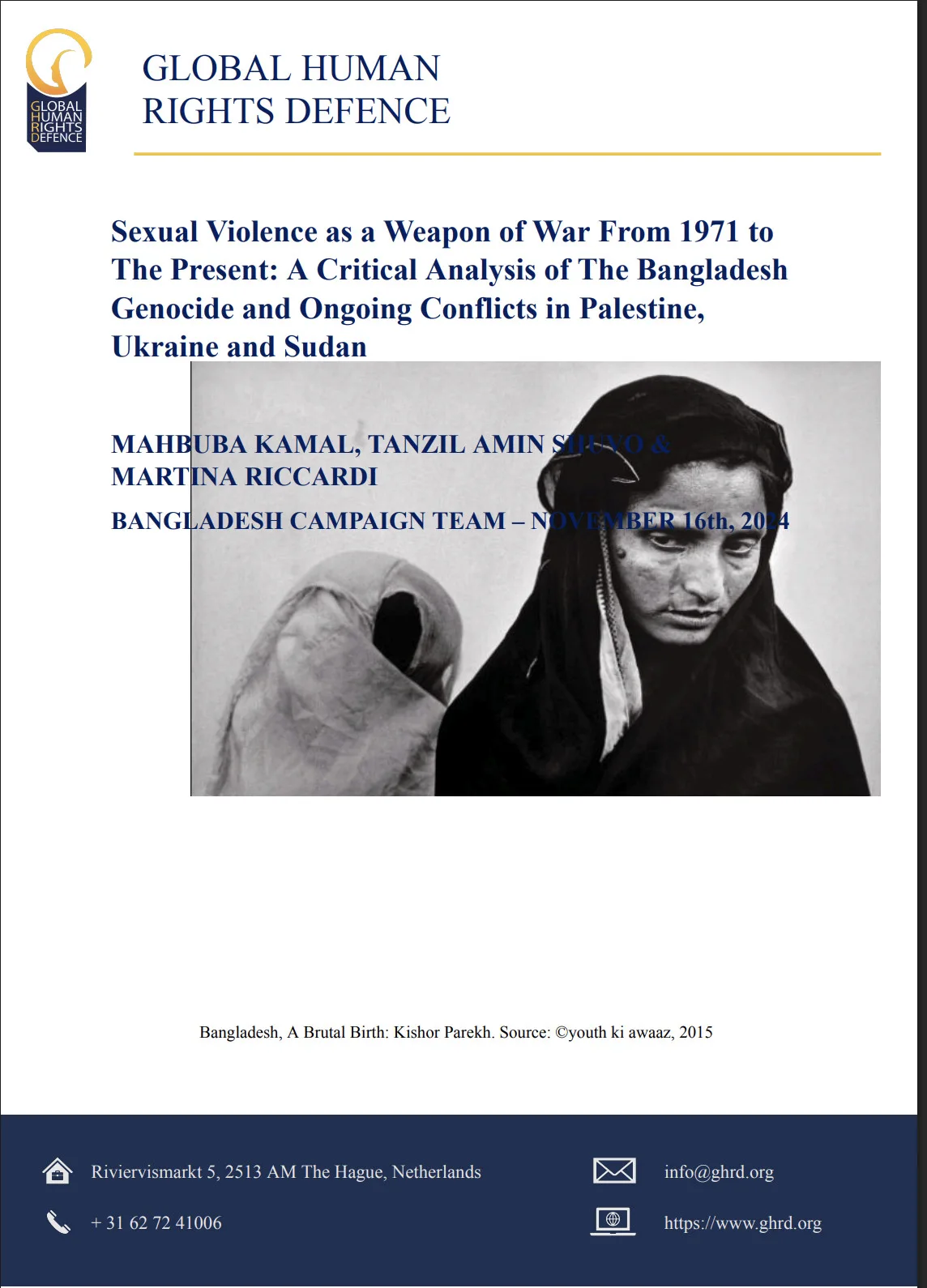
Sexual Violence as a Weapon of War From 1971 to The Present: A Critical Analysis of The Bangladesh Genocide and Ongoing Conflicts in Palestine, Ukraine and Sudan

Sexual violence has emerged as one of the most horrific atrocities during conflicts around the world. Despite being explicitly prohibited by international human rights, humanitarian, and criminal law, it continues to be used as a weapon of war, underscoring its devastating impact across history. It is not only used as an act of terror and a form of reward during wartime but also a strategy to move opponents off the land and shame them. It serves not only as an instrument of terror and control but also as a means to displace populations and inflict deep psychological and social harm on communities. During the 1971 Bangladesh genocide, the Pakistani Army systematically raped and sexually abused Bengali women as part of a broader strategy of subjugation.

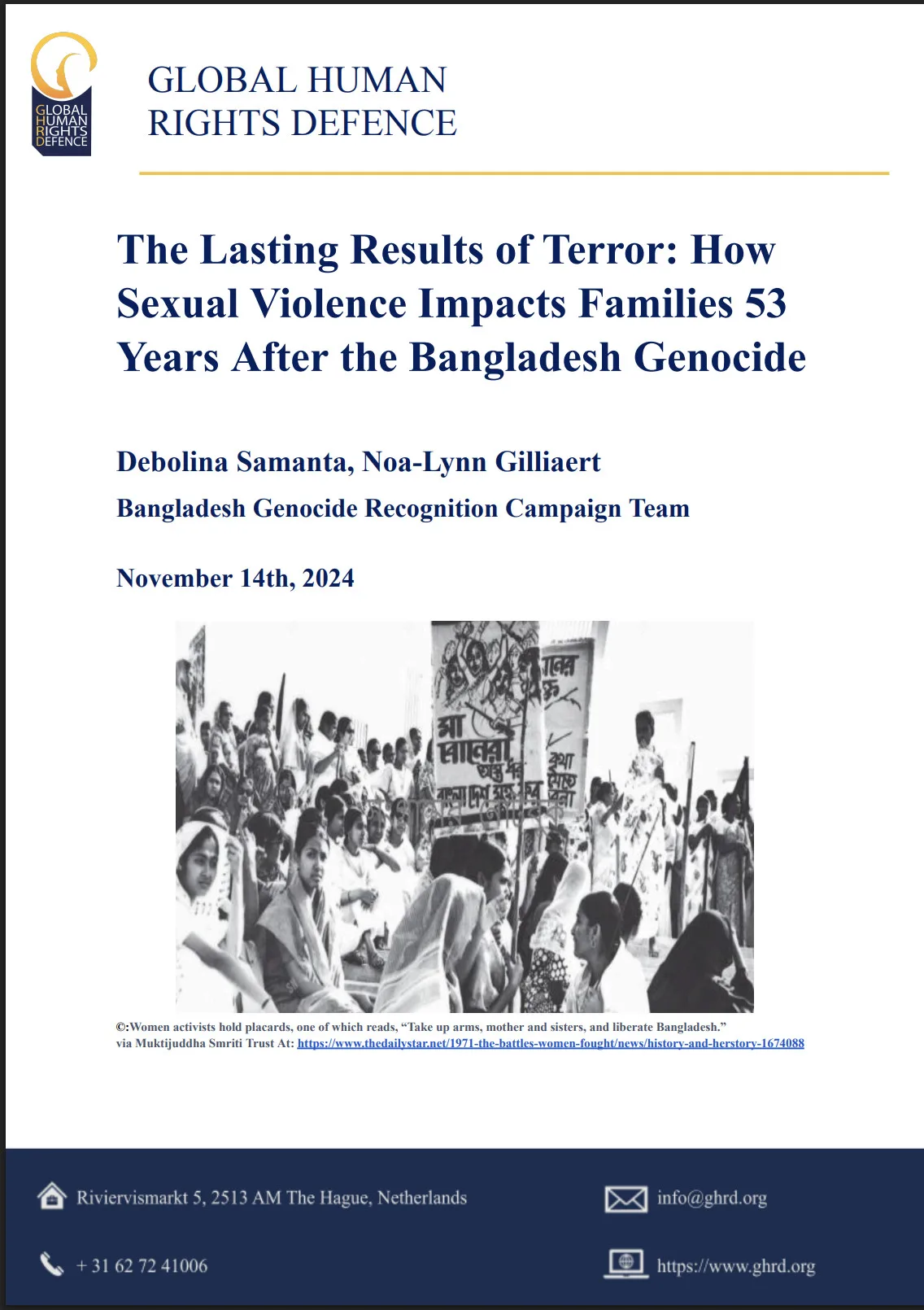
The Lasting Results of Terror: How Sexual Violence Impacts Families 53 Years After the Bangladesh Genocide

This report will address the historical context, and long-term consequences of the wartime crimes that have impacted Bangladesh’s family dynamics, social norms, and gender relations. Furthermore, it will examine the international legal framework, particularly human rights laws, and how it has evolved to recognise rape as a war crime, including remedies and support systems for sexual violence survivors in Bangladesh (EFSAS, 2021).

Comparative Analysis: The Bangladesh Genocide and Other Recognized Atrocities

The twentieth century, often referred to as “the bloodiest century in human history” (Forsythe, 1997; Akmam, 2002, p. 543), is also regarded by scholars as “an age of genocide” (Chalk & Jonassohn, 1990, as cited in Akmam, 2002, p. 543). However, despite their undeniable occurrence, many genocides are yet to be recognised. Since its formal adoption in 1948, the Convention on the Prevention and Punishment of the Crime of Genocide has officially recognised only three genocides: the Rwandan genocide of 1994, the Bosnian genocide of 1995, and the Cambodian genocide between 1975 and 1979.

6th GHRD International Film Festival: Human Trafficking Edition
Submission Deadline: 9th August 2026