Europe Team

The Right to Choose: Migration Crisis in Calais and Dukirk

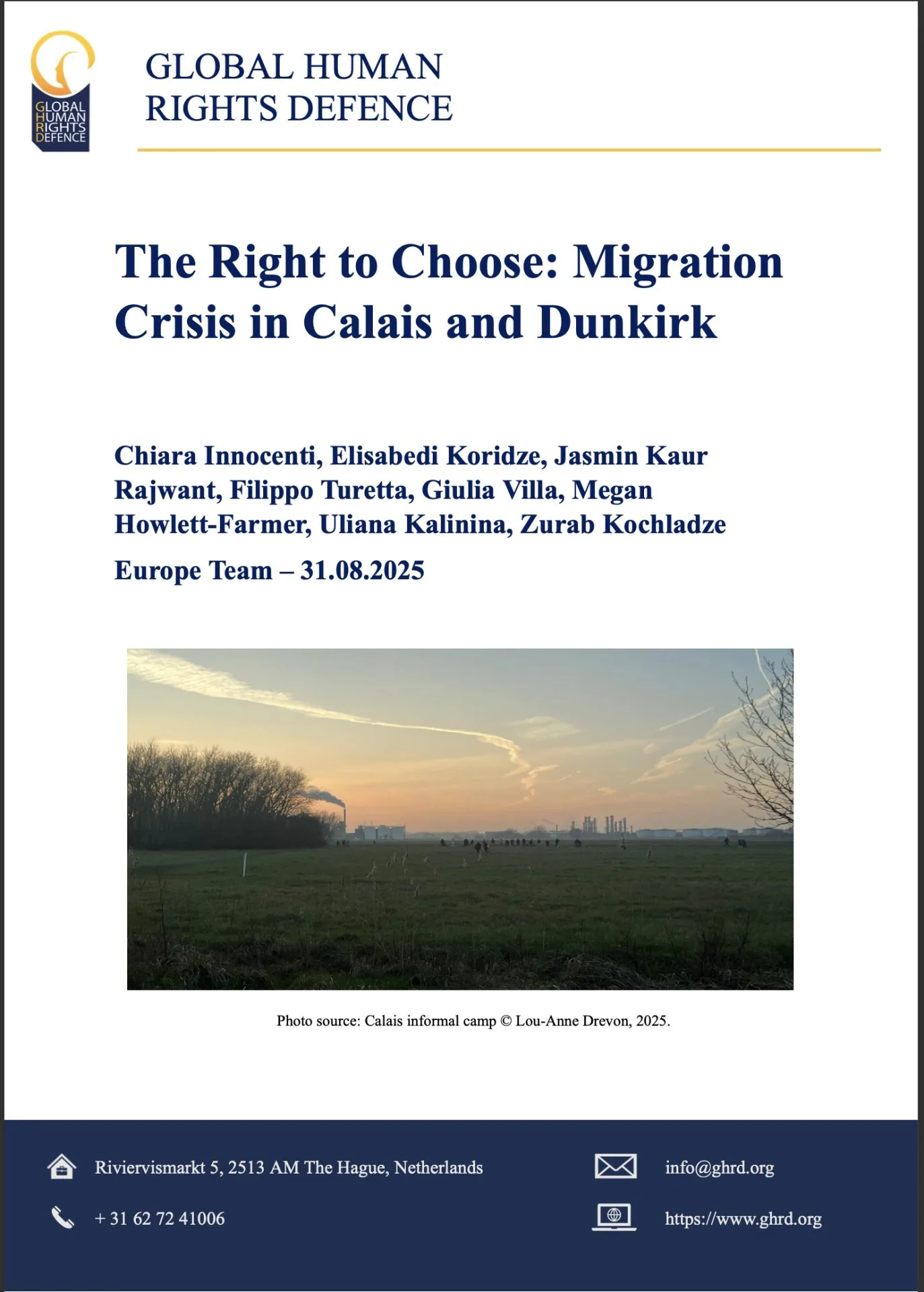
The migration crisis in Calais and Dunkirk is not something new. Its roots date back to 1999, when the first migrant centre was opened in Sangatte with the support of the Red Cross and the French government. By that time, many people were fleeing wars in Kosovo, Iraq, and Afghanistan, and they were provided with shelters in Sangatte. Later, when the shelter in Sangatte was closed, a new shelter appeared, including the so-called “Jungle”. It was first formed in 2009 and then again in 2014. After each demolition, a new camp would quickly grow again, but one thing that stayed unchanged during these years is the lack of human rights protections for the migrants and refugees who seek asylum. Even when the number of residents reached around ten thousand, the camp was never officially recognised as a refugee camp; therefore, it never received proper humanitarian aid.

Uncovering Human Rights Fault Lines Across Europe: Annual Report 2024

In this report, we will address the major human rights issues and key facts related to Europe, providing an in-depth analysis of the region’s diverse human rights landscape. The report is structured into sections corresponding to different European regions: Central-Western, Eastern, Southern, and Northern Europe. Not all countries are included, as some were excluded due to the lack of relevant human rights issues or notable facts pertaining to them.

Women and the Working Environment

The present report explores the role of women in the working environment, focusing on academia and research, the role of women in leading positions, gender pay-gaps, and on maternity rights. Women play a role in the world economy and in the geopolitical system primarily as undervalued labourers — domestic workers, diplomats’ and politicians’ wives, and agricultural workers. It is important to underline that women represent half of the world population, and it is a lost opportunity to not fully
draw upon the talents and capacities of half of humanity.

The present report is divided into four different sections. The first section explores the gender gap in academia and research, emphasising how, despite the increased presence of women in the academia over the years, women still face significant levels of discrimination. The section continues exploring the gap between men and women in higher positions in academia, initiatives by the European Union (EU) to eliminate this disparity, and the discrimination that women face in higher education institutions.
Next, the report proceeds with the second section, where the realities of gender pay gaps are discussed alongside the factors contributing to the gender pay gap in Europe, its impact on women, and the actions taken to address this issue. Research shows that the gender pay gap is influenced by a number of factors, including occupational segregation, discrimination, and women’s disproportionate responsibility for caregiving. In fact, this “duty” is very important when it comes to maternity rights, which is the focus of the third section. While some countries in Europe regulate parental leave without distinguishing entitlements allocated to mothers or fathers, most states offer different regimes based on the parent’s , with paternity leave schemes only having been introduced in recent years, sometimes still considered as a taboo. This is resulting in the choice of part-time —and therefore lower-paying— jobs for women. Finally, the fourth section sheds light on media discrimination against women and the
impact of the COVID-19 pandemic on women’s opportunities to advance in their professional careers. In its final part, this unit discusses key events and initiatives adopted on the European stage aimed at boosting women’s access to leadership roles and their empowerment.

The rise of populist discourse in Europe and its consequences. October 2022

There are numerous definitions of the notion of ‘Populism,’ a concept that is often difficult to capture.
In his review of Benjamin Moffit’s ‘Global rise of Populism’, Kaçar (2017) argues how the notion
of populism has changed over time, modifying its nature, contents and focal points, theorising
contemporary populism as a political style “encompassing an appeal to ‘the people’ versus ‘the elite’,
‘bad manners’, and crisis, breakdown, or threat”.

In Populism: A Very Short Introduction, Cas Mudde defines populism as “the idea that society is
separated into two groups at odds with one another – “the pure people” and “the corrupt elite”
(Molloy, 2018). Mudde also reported that
most successful populists today are on the right, particularly the radical right […] Politicians like
Marine Le Pen in France, Viktor Orbán in Hungary, and Donald Trump in the US, combine populism
with [anti-immigrant] nativism and authoritarianism (Mudde as cited by Molloy, 2018).

The present report aspires to shed some light on the increasing connections between the global
phenomenon of populism and the spread of racist sentiments, stressing how these two phenomena often
go hand in hand. Again, Mudde’s conceptualisation of populism is helpful for a better understanding
of the relationship between populism and racism. The opposition between the “pure people” and
the “corrupt elite” is at the very basis of the common discontent that commonly affects a nation.

The discourses of populists lie around the presence of external or internal others who engage in the
plunging fortunes of the “honest people” (Rattansi, 2020). It is in this context that racism has its roots:
the idea that minorities, immigrants, refugees, economic migrants, or LGBTQIA+ communities are
behind a nation’s discontent, resulting in the creation of “policies, behaviours, rules, etc. that result in
a continued unfair advantage to some people and unfair or harmful treatment of others based on race”
(The Cambridge Dictionary).

After this brief introduction to the concept of populism and racism, the present report starts with the
regions of eastern and South-Eastern Europe, where the presence of populists and the spread of racism
is rooted in the history of the regions themselves, as they were divided into numerous multi-ethnic
empires. Later, the second section discusses Southern Europe, where the populist discourses of Italy
and Greece are explored in connection with the notion of racist behaviours. Section three sheds light on
South-Western Europe, where Spain and Portugal developed far-right populist factions very recently
– unlike other European countries that have had far-right parties since the 1980s. Afterwards, the
chapter on Western Europe explores the spreading of right-wing and populist governments amongst
countries such as France, the United Kingdom, Ireland, the Netherlands, and Belgium. The fifth
section investigates how central European countries such as Hungary, Poland, and the Czech Republic
– i.e.: post-communist areas) are witnessing significant levels of democratic backsliding, with many
attributing it to the spread of populism. Lastly, the report delves into the increase of populist as well as
racist tendencies in Northern Europe, with a particular focus on Finland, Sweden, and Norway.

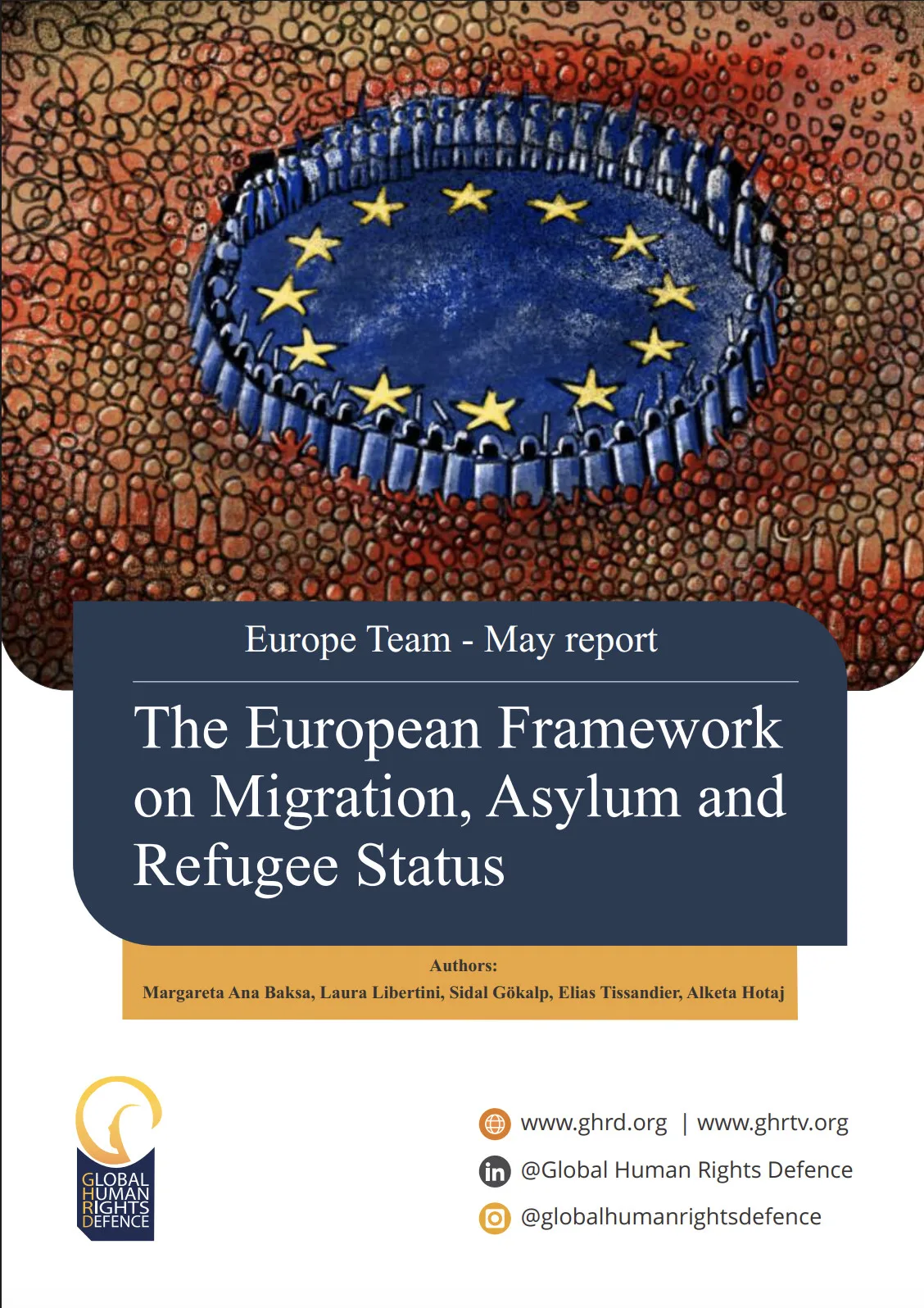
“Monthly report May: The European Framework on Migration, Asylum and Refugee Status”

Mediterranean (European Commission, 2015). Following the European Agenda, the European Commission issued a Communication to promote a reform of the common European asylum framework, intending to develop a more fair system that will offer systematic, secure, and sustainable pathways to Europe for non-EU nationals needing protection (European Commission, 2016). In 2017, the European Parliament proposed a reform on the Dublin III regulation, which determines the European member country responsible for processing requests for international protection (European Parliament, 2020).

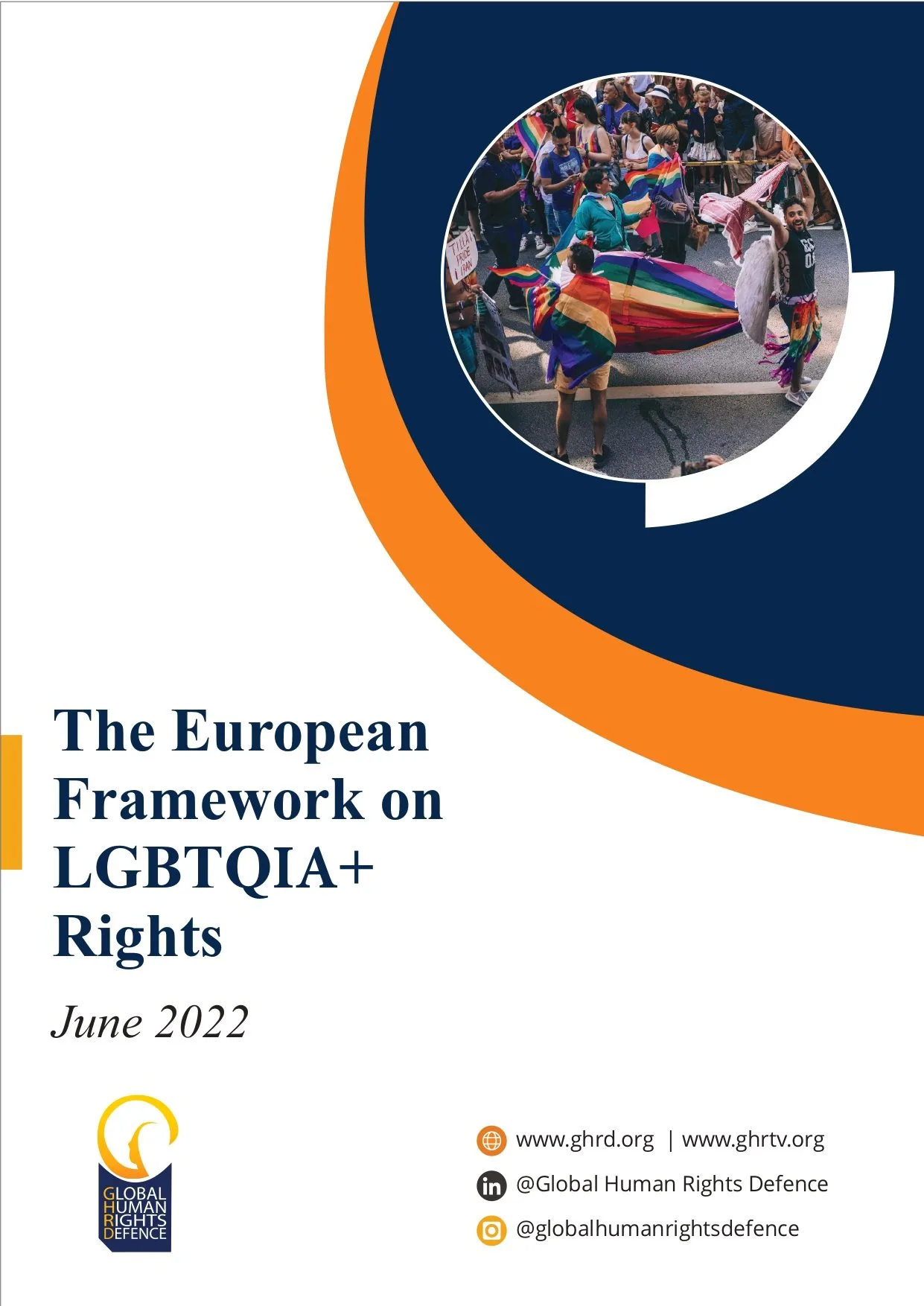
June report on LGBTQIA+ Righrs

The overall situation of the rights of the LGBTQIA+ community in the European framework is
characterised by numerous factors, often interacting with each other in multiple ways. According to
the 2022 annual review by ILGA-Europe, 2021 was marked by a serious rise in hate speech and
anti-LGBTQIA+ rhetoric by numerous political leaders, generating a wave of violent episodes and
attacks that are severely undermining LGBTQIA+ rights in Europe. This growing aversion towards
the LGBTQIA+ community also comes from the consequences of democratic erosion and political
turmoil in countries such as Azerbaijan, Belarus, Hungary, Kazakhstan and Turkey, which consequently
has led to LGBTQIA+ people being forced to flee from persecutions (ILGA-Europe, 2022). On the
other hand, national human rights institutions (NHRIs) and courthouses in many countries have been
working to protect and promote the rights of LGBTQIA+ communities. For instance, different countries
promulgated fines and prison sentences over hate speech and hate crime events (ILGA-Europe, 2022).

Lastly, the European Parliament adopted a Resolution in 2021 declaring the European Union an
“LGBTIQ Freedom Zone” and denouncing “all forms of violence or discrimination against persons on
the basis of their sex or sexual orientation” (European Parliament, 2021b). The Resolution came as a
direct response to the regressive behaviour of some countries against LGBTQIA+ rights, notably from
Hungary and Poland. More specifically, the Resolution represents a positive alternative to the “LGBT
free-zones” that have been emerging across Poland over the past two years. The European Parliament
resolution also refers to the worsening of conditions in Hungary. In November 2020, the Hungarian
municipality of Nagykáta implemented a resolution banning the dissemination and promotion of
LGBTQIA+ propaganda. A month later, the National Parliament adopted a series of constitutional
amendments that further restrain the rights of the LGBTQIA+ community, by not considering the
existence of transgender and non-binary persons and limiting the right to a family life (European
Parliament, 2021a) as the national parliament also passed a law allowing the adoption of children only
to only married couples, which basically excludes same-sex couples who are not allowed to marry in
Hungary (Euronews & AFP, 2020).

The present report explores the cases of Malta, Denmark, Belgium, and Norway, which are considered
to be amongst the top countries in Europe for the promotion and integration of LGBTQIA+ rights (in
their national framework). Later, in the second part of the report the examples of Italy, France, Spain
and Poland will be explored in further detail, through the examination of their national and legal
framework on LGTBQIA+ rights. This report aims to analyse the current European framework of
LGBTQIA+ rights, their state and implementation in EU and non-EU countries by sharing national
regulations, best practices, and experiences so that the inclusivity and equality of the LGBTQIA+
community is never taken for granted again. The cases here reported attempt to give an overall example
of how variegated the framework on the rights of the LGBTQIA+ is community in the European Union
and in its member and non-member states.

The Shadow Pandemic: Femicide in Europe

This report on femicide in Europe, the main mechanism that has the potential to address the serious issue of femicide and violence against women is provided in the Council of Europe Convention on preventing and combating violence against women and domestic violence, known as ‘the Istanbul Convention’. The landmark treaty set the path for creating a legal framework at a pan- European level to protect women against all forms of violence and prevent, prosecute and eliminate violence against women and domestic violence.

Europe team monthly report December

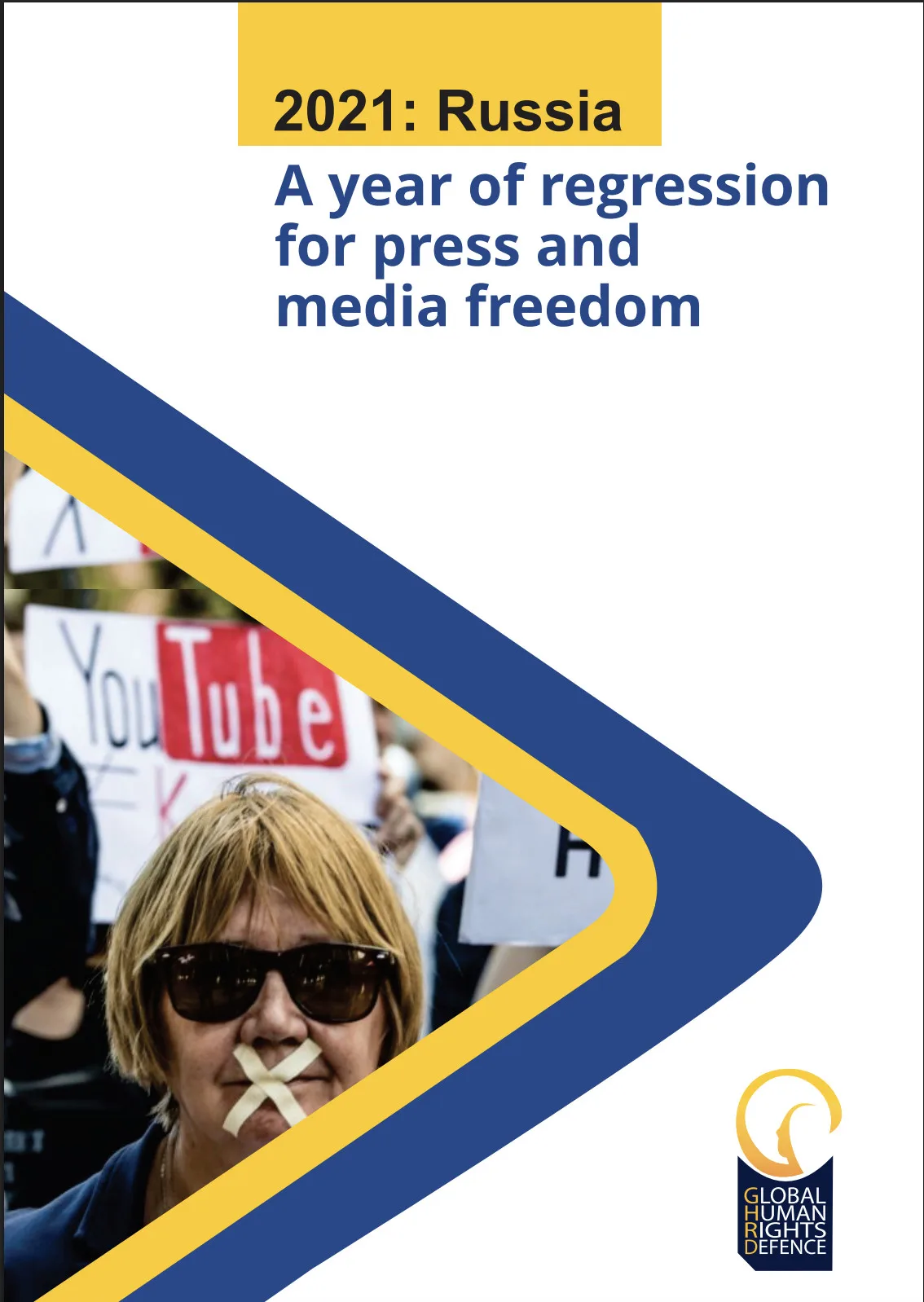
In 2021, press and media freedom in Russia experienced a sharp decline due to increased state control and repression. The government used restrictive laws, censorship, and intimidation to silence independent journalists and media outlets. Online platforms were heavily regulated, and foreign journalists were expelled, further limiting free expression and public access to unbiased information.

Europe team monthly report January

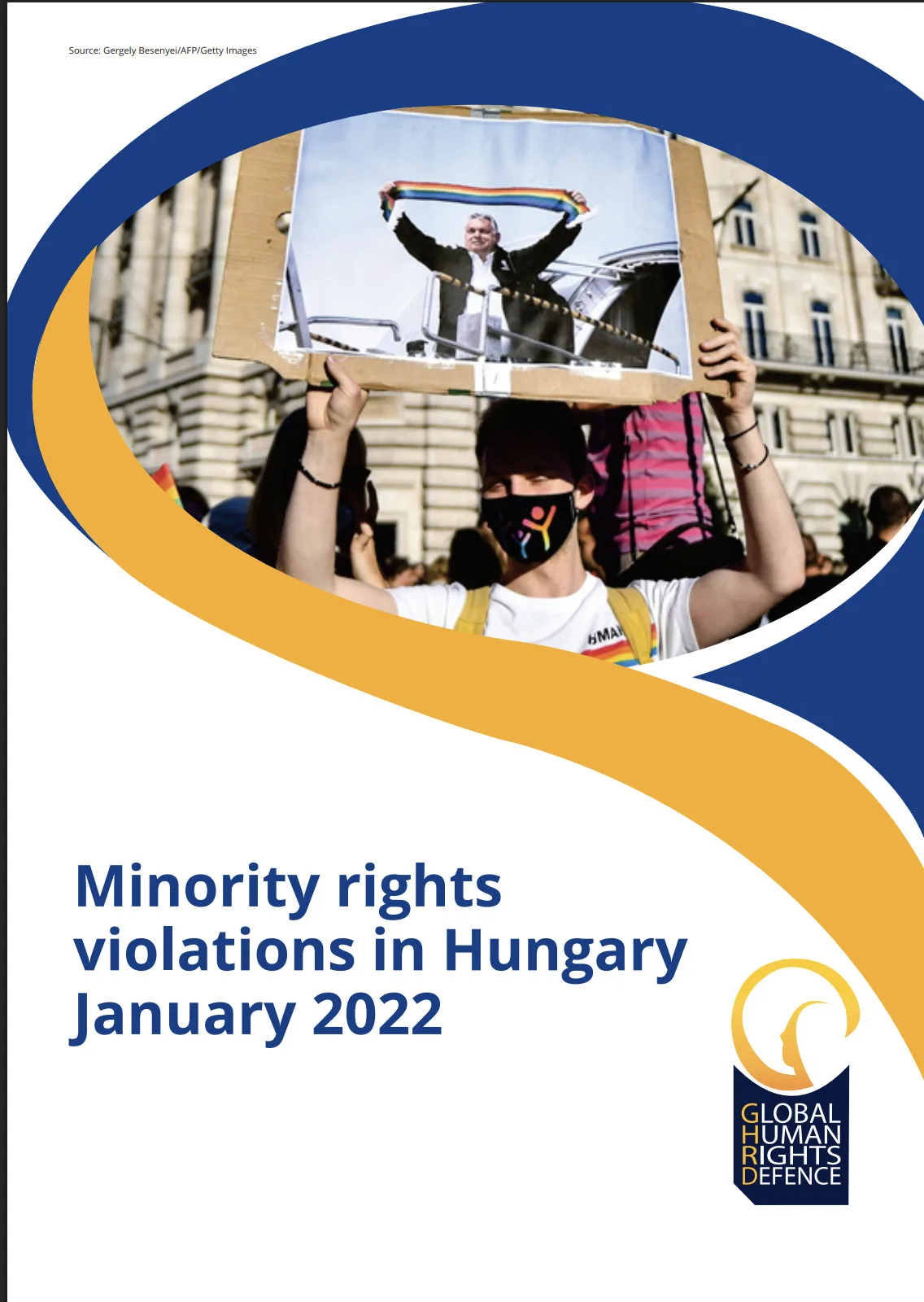
The report highlights the systematic erosion of minority rights in Hungary under the government of Prime Minister Viktor Orbán. It focuses on two key areas: discriminatory legislation targeting the LGBT+ community and restrictive policies against migrants and asylum seekers. Since 2010, constitutional amendments and new laws have limited freedom of expression, criminalised support for asylum seekers, and promoted exclusionary narratives under the guise of protecting national and family values. These measures have repeatedly been condemned by the European Union, the Council of Europe, and the Court of Justice of the European Union for violating fundamental rights and democratic principles. Despite legal rulings and international pressure, Hungary has shown little willingness to reverse these policies, raising serious concerns about the rule of law and the future of minority protection in the country

6th GHRD International Film Festival: Human Trafficking Edition
Submission Deadline: 9th August 2026