
Open Call: 6th GHRD International Human Rights Film Festival
Open Call for Documentary Filmmakers The 6th GHRD International Human Rights Film Festival is now accepting documentary submissions for its […]
Open Call for Documentary Filmmakers The 6th GHRD International Human Rights Film Festival is now accepting documentary submissions for its […]

In May 2026 the Taliban issued Decree No. 18, a divorce law that discretely gives child marriage a place in Afghanistan‘s legal system and treats a girl‘s silence as her consent. It also makes leaving a marriage far harder for women than for men. This article examines what that means.
The Chagossians were forcefully displaced in 1971 and continue to be banned from returning. Last year, an agreement was reached between the UK and Mauritius on the return of the Chagos Islands. However, the subsequent question of whether the self-determination rights and the right to return of the Chagossians remain unanswered.
Mauritania has banned slavery again and again, yet thousands of people are still born into it. Almost all of them are Haratin, who make up about 40 per cent of the country. The laws are strong, but the courts rarely convict slaveholders, and the activists who fight slavery are jailed more often than the people who keep them. This article asks why abolition has become impunity, and what must change.
Kenya’s Court of Appeal recently delivered judgement denying the constitutional right to abortion. Despite its international obligations and domestic framework guaranteeing the right to health and equality for women, reproductive rights remain a highly controversial topic within the state. The importance of free and legal reproductive healthcare must be ensured to achieve women’s right to freedom, education, and dignity are protected.
Introduction The protection of the rights of women and gender-diverse communities is currently facing a severe crisis in the People’s
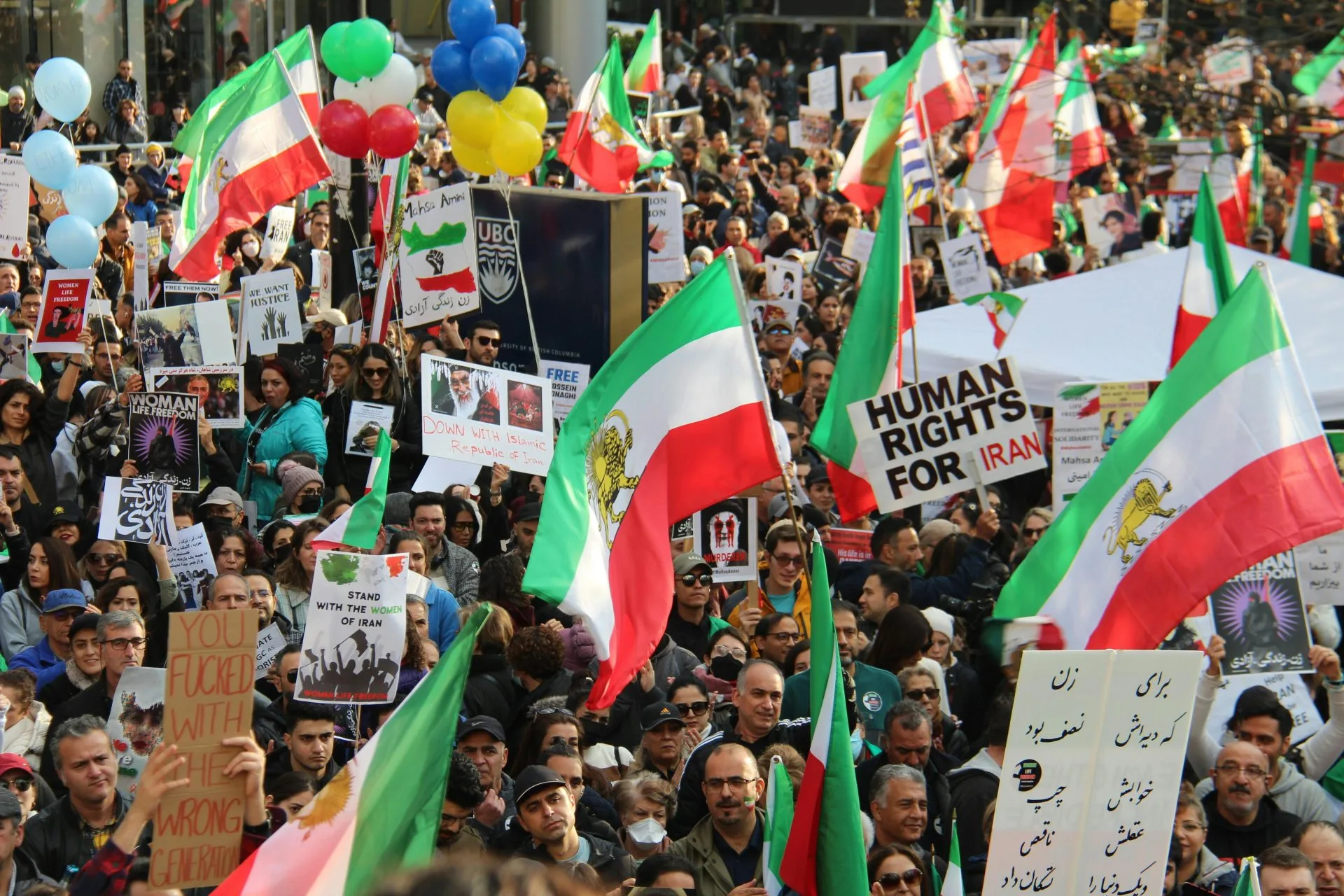
This article examines the systemic discrimination faced by Iran’s Ahwazi Arab minority, focusing on the criminalisation of cultural identity, restrictions on language and expression, violent repression of protests, and the misuse of national security laws. It argues that these practices violate Iran’s obligations under international human rights law, including protections for minority rights, freedom of expression, fair trial guarantees, and the right to life.

Rodrigo Duterte’s war on drugs campaign in the Philippines involved thousands of alleged extrajudicial killings and other crimes. Such actions have led the International Criminal Court to investigate and prosecute Duterte for his involvement. This article examines the ICC’s response to alleged crimes committed during Duterte’s campaign.
This article examines the human rights challenges facing religious minorities in Pakistan, particularly in relation to blasphemy laws and their impact on vulnerable communities. It analyses due process concerns, mob violence, and state responsibility, while assessing Pakistan’s obligations under international human rights law and proposing reforms to strengthen legal protections and accountability.

Despite constitutional guarantees and international commitments, women and gender-diverse communities in Pakistan face a severe human rights crisis driven by institutional failure, rising physical and cyber violence, parallel customary justice systems and the weaponisation of penal laws.