Monthly Research Reports

First page report sustainable development in Asia report

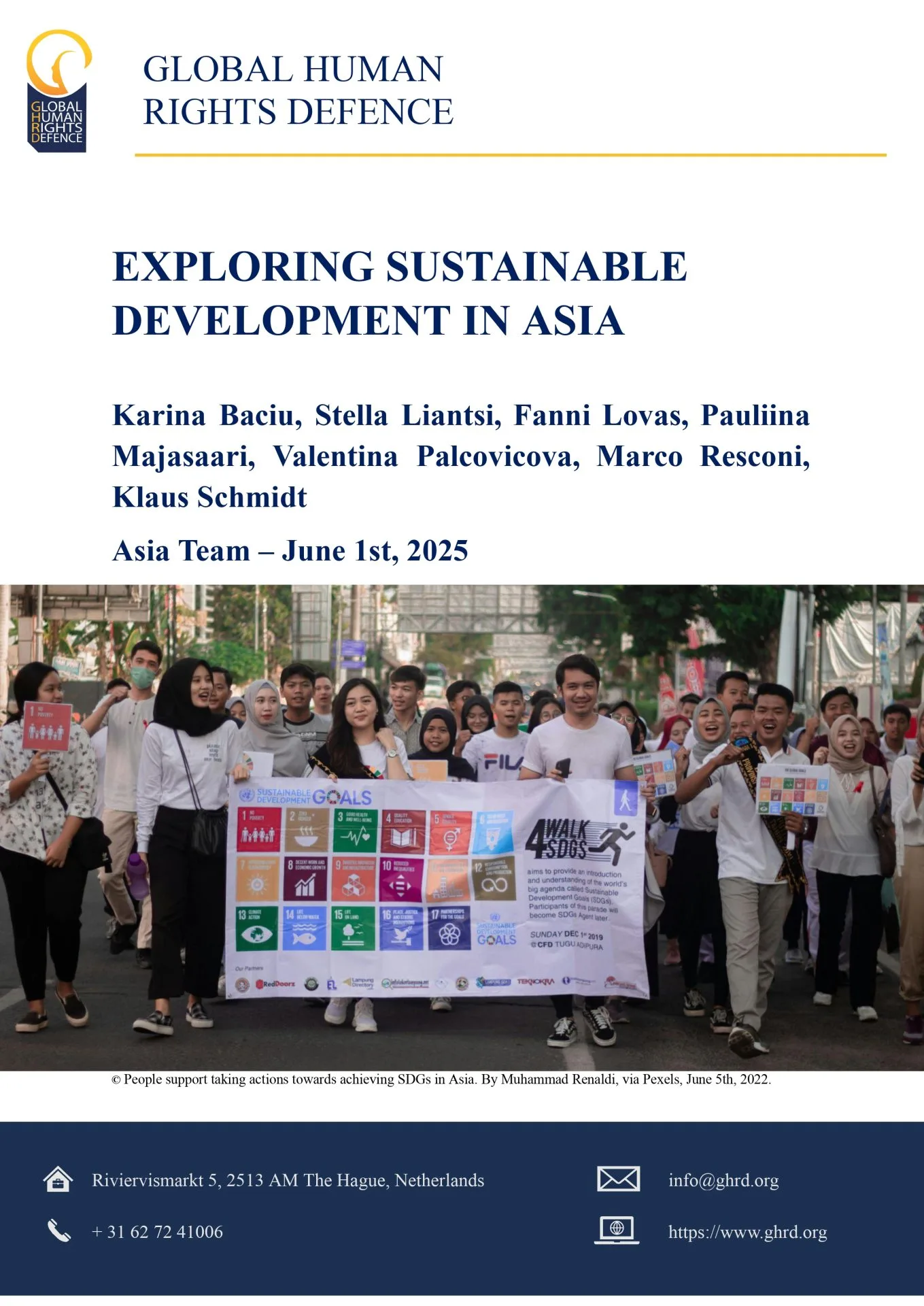
Exploring sustainable Development in Asia

Achieving sustainable development is a work in progress within the South and East Asia Region. Financial constraints, political instabilities, governance issues and developmental progress of nations affects the countries’ ability to effectively make changes towards the Sustainable Development Goals (SDGs) of the 2030 Agenda. Despite these challenges, achievements have been made on several SDGs, mainly regarding health, education, poverty eradication, climate action as well as peace, justice and strong institutions.
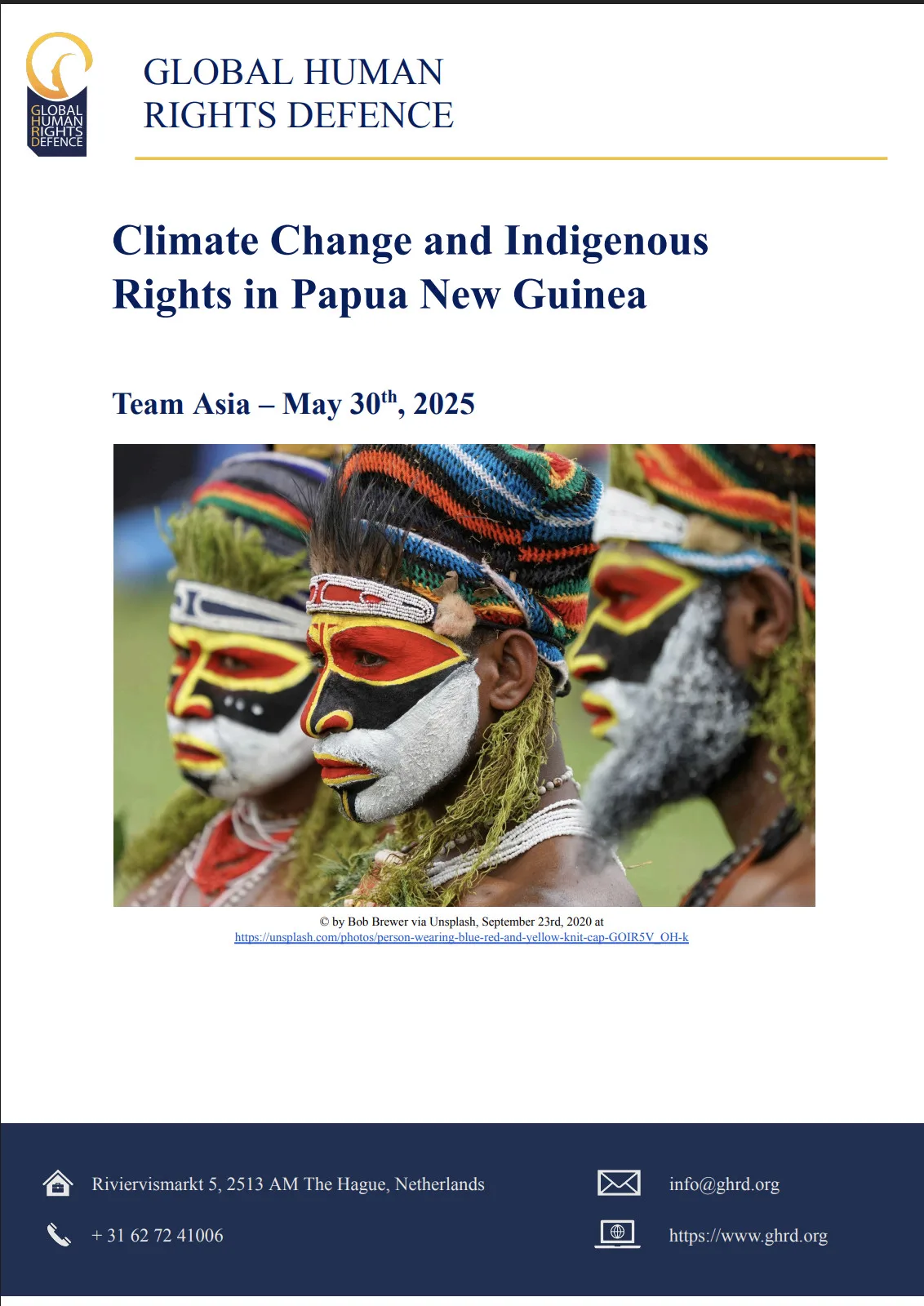
Climate Change and Indigenous Rights in Papua New Guinea

Climate change is one of the most pressing global challenges of the 21st century. Beyond an environmental crisis, it is also a complex socio-economic and political issue that deeply affects populations around the world in diverse and often unequal ways. Rising global temperatures, shifting weather patterns, and an increase in the frequency and intensity of natural disasters have profound consequences for human health, food security, access to water, and migration patterns (United Nations, n.d.; WHO, n.d.; Omolere, 2025). These changes are not just scientific phenomena; they also raise fundamental questions about the protection of human rights.

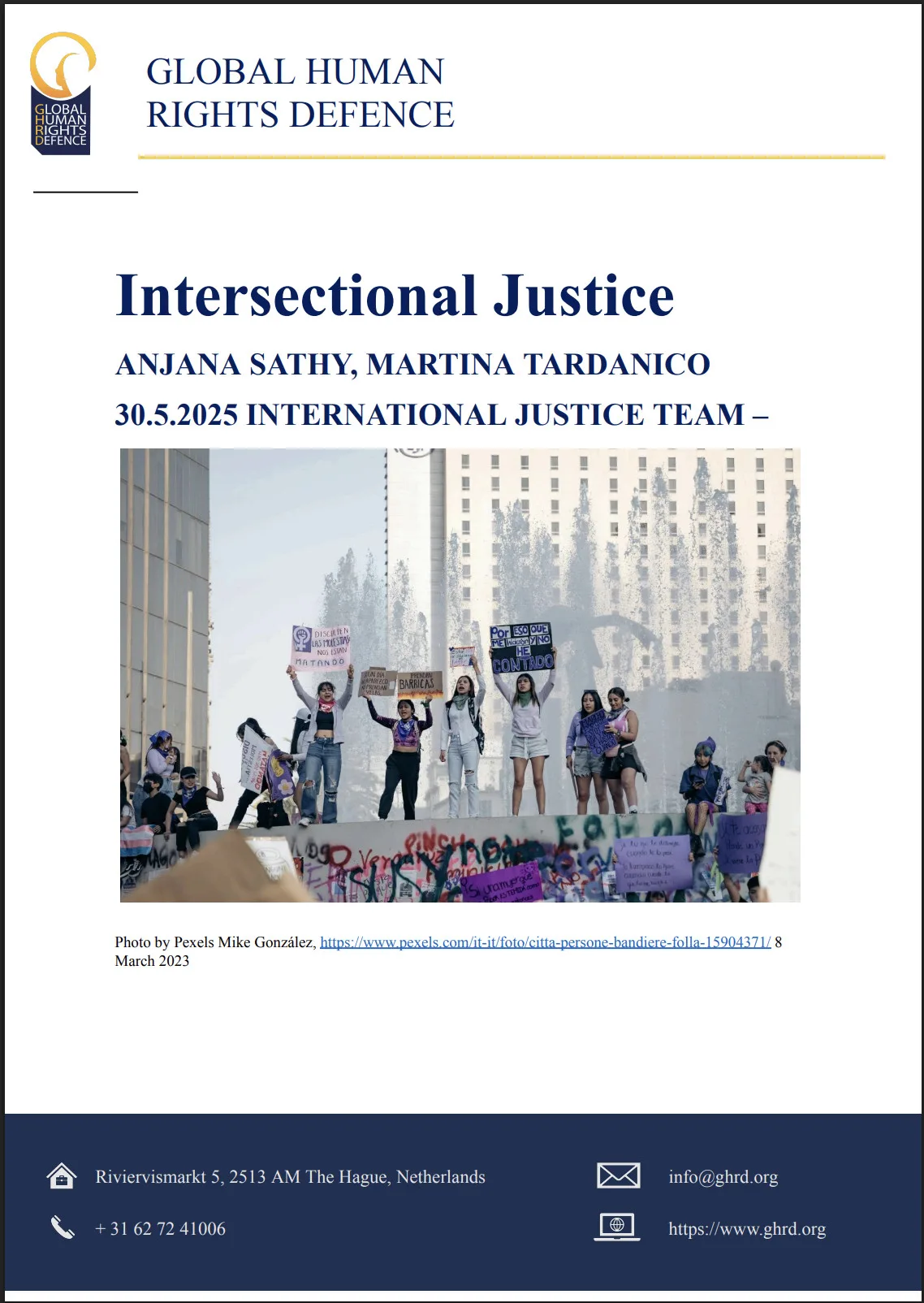
Intersectional justice

Intersectionality, first articulated by Kimberlé Crenshaw in 1989, is a conceptual framework that recognizes how multiple forms of discrimination, such as race, gender, class, and sexuality, interact and reinforce one another, shaping unique experiences of marginalization and harm. Crenshaw’s work, particularly in “Mapping the Margins: Intersectionality, Identity Politics, and Violence Against Women of Color,” highlighted the necessity of accounting for multiple, intersecting identities to understand how social structures produce and perpetuate inequality fully.

In-Transit: The Cross-Border Human Trafficking in Cambodia, Laos, and Thailand

In-Transit: The Cross-Border Human Trafficking in Cambodia, Laos, and Thailand provides an in-depth analysis of human trafficking within the Greater Mekong Subregion, focusing on Cambodia, Laos, and Thailand. The report examines the socio-economic factors, legislative frameworks, and enforcement challenges that contribute to the persistence of trafficking in persons across these countries. It also considers the regional and international dynamics that influence trafficking flows and demand.

Transitional Justice in the New World Order – Maintaining the Path to Peace and Justice

In recent years, geopolitical polarization and eroded multilateralism have drastically altered the international legal and political landscape, weakening the influence of global norms and institutions. The decline is especially pronounced in conflict settings, where civilian casualties have reached a decade high in the Ukraine and Gaza wars. These events signal more than just institutional failure, they suggest that the very boundaries of what is considered politically and legally permissible are shifting.
Practices once deemed clear violations of international law, such as collective punishment, annexation of territory, or targeting of civilian infrastructure, are now openly contested or even normalized.

Human Rights at Stake: Importance of Providing Funding to Human Rights Organisations

2025 has, and will be facing, severe implications on human rights globally, from the decline of democracy under authoritarian regimes to suffering caused by conflict, discrimination, migration, and the climate crisis. These issues pose a grave threat to human rights worldwide and require grave efforts on the international front to be improved.

Invisible Behind Borders: The Limits of International Justice in Addressing Minority Oppression within Sovereign States

International justice refers to a body of legal norms, institutions and processes developed to uphold fundamental human rights, prevent impunity and enforce accountability for gross violations of international law, particularly during armed conflict or periods of systemic repression. Emerging robustly after the horrors of World War II and the Holocaust, international justice found institutional expression in the Nuremberg and Tokyo Trials and more recently, through the establishment of permanent and ad hoc tribunals such as the International Criminal Court (ICC), International Court of Justice (ICJ), the tribunals for the former Yugoslavia (ICTY) and Rwanda (ICTR) and various hybrid courts. These structures are tasked with adjudicating war crimes, crimes against humanity, genocide and other serious breaches of international humanitarian law (Schabas, 2017). At the heart of this legal framework is the commitment to uphold universal human rights irrespective of geography, culture or regime type.

Voices Unveiled: Tracking Women’s Rights Across Southeast Asia and the Pacific

Voices Unveiled: Tracking Women’s Rights Across Southeast Asia and the Pacific offers an in-depth examination of the evolving status of women’s rights in Cambodia, Fiji, Indonesia, Malaysia, Papua New Guinea, the Philippines, Singapore, Thailand, and Vietnam. This report delves into both enduring and emerging issues shaping gender equality in the region, spanning legal reforms, social movements, cultural barriers, and institutional responses.

Modern Slavery in the Fast Fashion Industry

Globalisation and overconsumption have negative effects on millions of people working for clothing manufacturers. Subpar working conditions, low wages, and modern slavery situations are rampant in the factories where our clothes are made.Many people understand slavery as something society has evolved from, a very dark chapter in humanity that we collectively left behind. For around 400 years, the transatlantic slave trade saw 15 million people, of all genders and ages, sold to another person as property. While the practice of slavery, defined as a “condition in which one human being was owned by another”, seems rare nowadays, it is very much present in today’s society under a different label: forced labour. The International Labour Organisation (ILO) estimated in 2022 that 27.6 million people worldwide were in situations of forced labour.

The 58th Human Rights Council Session: Concluding Report

On Friday, 4th of April 2025, the 58th Human Rights Council session in Geneva came to its end. The session was marked by many discussions and concerns about the situation of human rights all over the world – and GHRD was right in the middle of it. This Human Rights Council session was adventurous and at times overwhelming in its sheer number of issues and atrocities that continue to be committed, but it was also the most impactful and fruitful in GHRD’s history so far. This report seeks to give an overview over discussions we have participated in, people we have met and events we have organized, all in the name of protecting human rights worldwide.

6th GHRD International Film Festival: Human Trafficking Edition
Submission Deadline: 9th August 2026