Blasphemy Laws

Press release

GHRD at the 61st Human rights Council

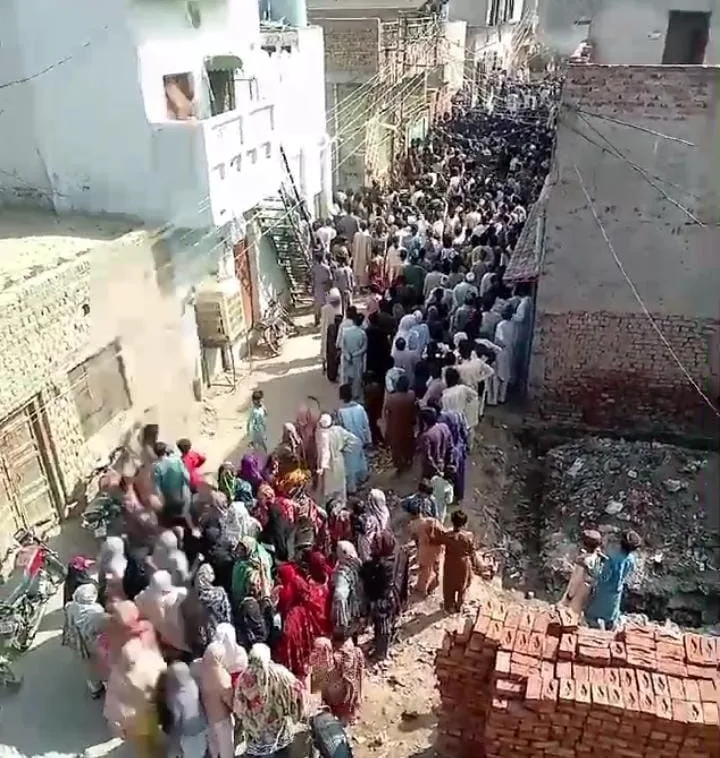
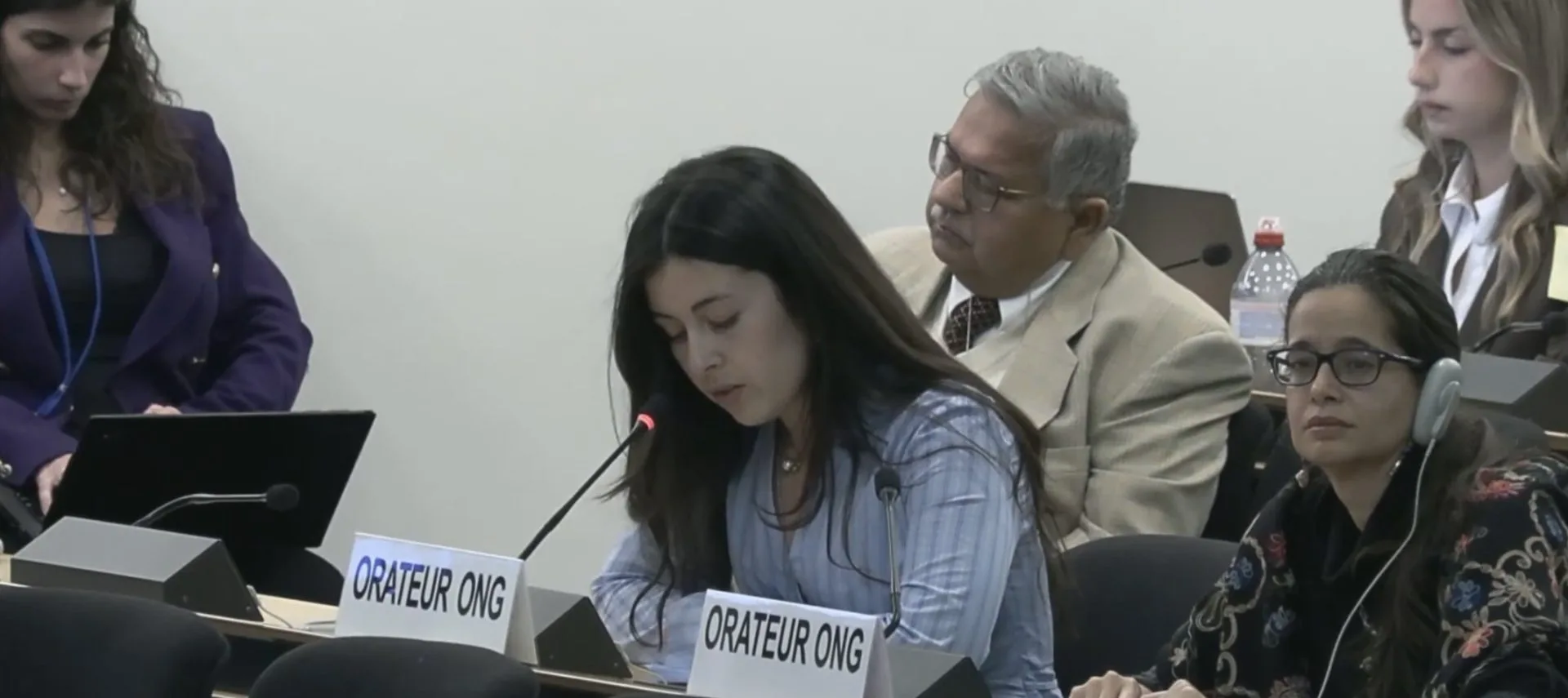
At the 61st session of the UN Human Rights Council, GHRD raised concern over the misuse of blasphemy laws in Pakistan and their impact on religious minorities. The statement highlighted arbitrary detention, mob violence, and forced displacement affecting communities such as Christians, Hindus, Ahmadis, and Shia Muslims. GHRD urged Pakistan to align its laws and practices with international human rights standards.

Press release

At HRC61, GHRD Highlights the Human Rights Implications of Blasphemy Laws for Minority Communities Across Asia

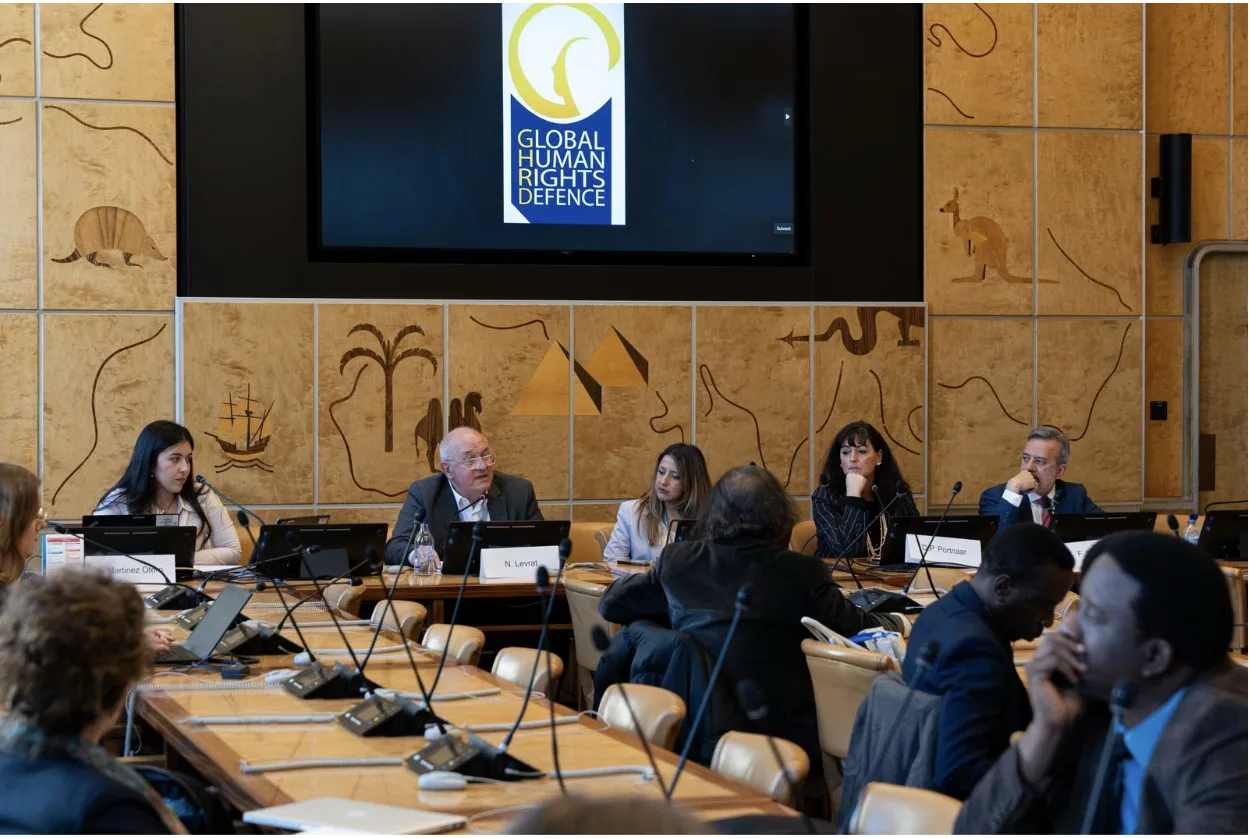
At the 61st Session of the UN Human Rights Council in Geneva, Global Human Rights Defence hosted a side event on the impact of blasphemy laws on minority communities in Asia. Speakers highlighted that such laws exist in around 100 countries and are often used to target minorities and dissenting voices. The discussion emphasized that blasphemy laws are incompatible with international human rights standards and called on states to reform or repeal them.

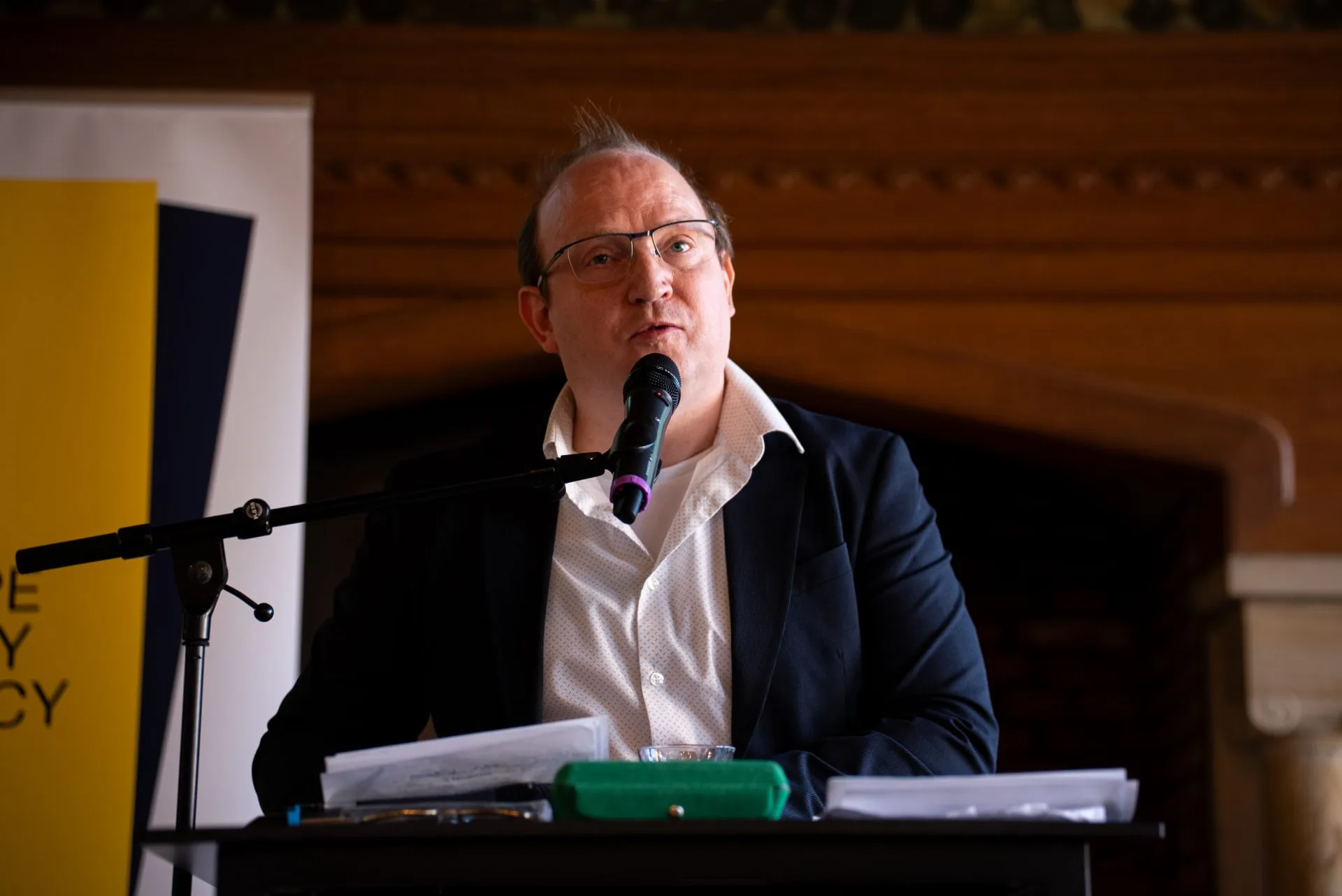
Anthonie Holslag
Press release

Keynote Address: The Relationship Between Blasphemy Laws, Impunity and the Phenomenon of “Creeping Genocide” in the Chittagong Hill Tracts

On February 12, Chief Advisor Muhammed Yunus reported that out of 645 incidents affecting minority communities since the 2024 Monsoon Revolution, only 71 were linked to communal violence, while most were attributed to general crime. This statement is challenged by various reports, including those from the U.S. Commission on International Religious Freedom, which highlight ongoing persecution of indigenous groups in the Chittagong Hill Tracts, involving sexual violence and destruction of cultural sites. The document underscores the need to reconcile conflicting data on violence, particularly regarding identity politics and blasphemy laws that may facilitate ongoing violence, referred to as “creeping genocide.” Blasphemy laws are argued to legitimize mob violence, adding to the suffering of minority communities, raising concerns about possible extreme interpretations in the context of impending elections that could lead to increased atrocities.

Press release

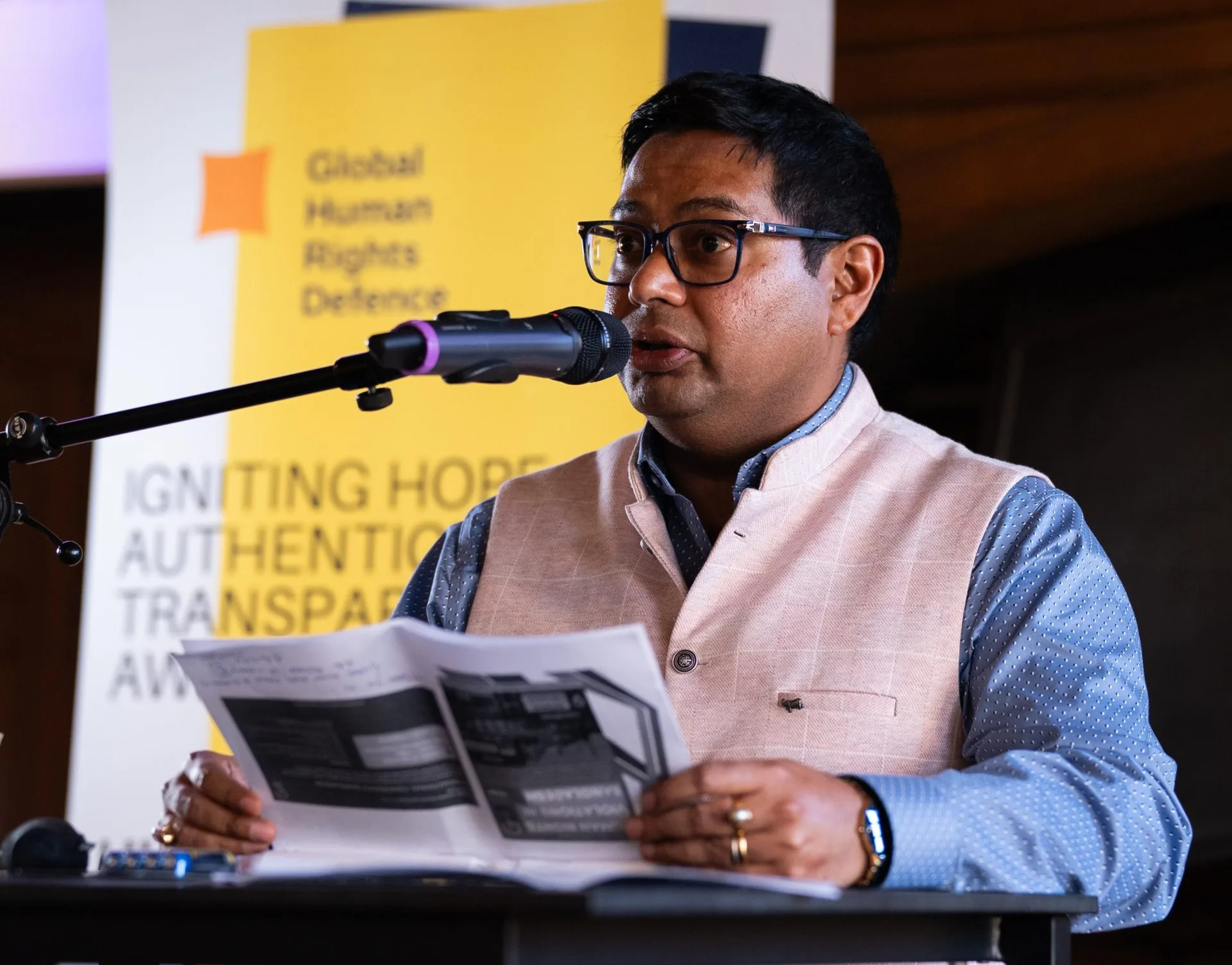
Bangladesh, between the Ditch and Deep Blue Bay

On February 12, 2026, Bangladesh is set for general elections and a constitutional referendum following the Monsoon uprising that ousted Prime Minister Sheikh Hasina. Since August 2024, Professor Dr. Muhamad Yunis has led the country. The Bangladesh Jamat E Islami, in partnership with the Nationalist Children Party, seeks a religious transformation, raising issues surrounding women’s representation as they have not nominated female candidates despite claims of future equality. The new leadership has coincided with a rise in violence against minorities, heightening fears of oppression. The elections are crucial for the nation’s identity amid increasing conservative ideologies, with the election date highlighting tensions with International Mother Language Day and reflecting the conflict between historical legacy and future direction.

Press release

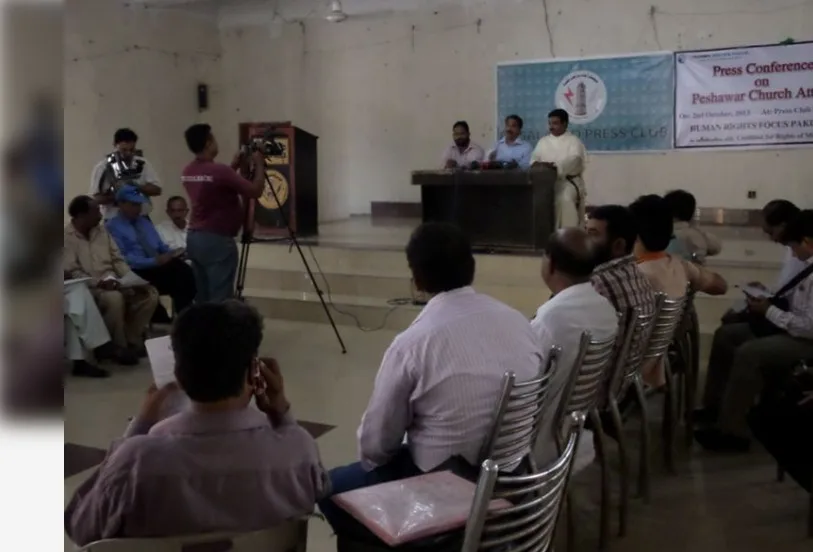
HRFP Condemns Attack on Kot Radha Kishan Church, Calls for Justice and Preventive Measures

Human Rights Focus Pakistan (HRFP) strongly condemns the attack on a Church in Ghanaykay village, Kasur, where the Holy Bible was desecrated and the premises vandalised, spreading fear among the local Christian community. HRFP calls for swift and transparent justice, stressing that accountability must go beyond arrests to uncover motives and accomplices. The organization urges concrete measures to protect religious minorities and places of worship, highlights the urgent need to counter religious intolerance and hate-driven violence, and reiterates its demand for the abolition of Pakistan’s blasphemy laws, which are widely misused and have led to grave human rights violations.

Judges desk with gavel and scales
Article

The Impact of Blasphemy Laws on Minority Communities in Pakistan: The Case of the Ahmadiyya Community

In Pakistan, blasphemy laws have shifted from colonial safeguards against inter-religious conflict to powerful instruments of persecution. Originally presented as protections for religious devotion, they are now widely misused to silence dissent and marginalise minorities. For the Ahmadiyya community, these laws do not merely restrict expression but criminalise existence itself, exposing Ahmadis to violence, exclusion, and systemic discrimination. Their plight illustrates how blasphemy legislation, far from ensuring harmony, undermines the rule of law and violates fundamental human rights.

Press release

HRFP Condemned the Blasphemy Accusation and Mob Attack on Christian Families in Sargodha: Nazir Masih and Sultan Masih Brutally Victimized

HRFP condemned the mob attack on Christian families in Sargodha on May 25, 2024, following false blasphemy allegations against Nazir Masih and his son Sultan Masih. The victims, owners of a shoe factory, were accused of desecrating the Quran. The HRFP fact-finding team responded to the attack, gathering evidence and demanding justice for the families involved. They criticized the failure to call police during such incidents and highlighted the alarming pattern of mob violence against Christians in Pakistan. President Naveed Walter advocated for reforms and the repeal of blasphemy laws to protect victims.

6th GHRD International Film Festival: Human Trafficking Edition
Submission Deadline: 9th August 2026