Asia Team

Balancing Borders and Rights: Evaluating EU-Tunisia Migration Agreements and Future Implications

The European Union and Tunisia have maintained close political, economic, and diplomatic relations for decades, shaped by historical ties, geographical proximity, and shared strategic interests. Following its independence from France, Tunisia progressively strengthened its relations with the EU’s precursor, the European Economic Community. Tunisia was also the first Mediterranean country to sign an Association Agreement with the EU in 1995.
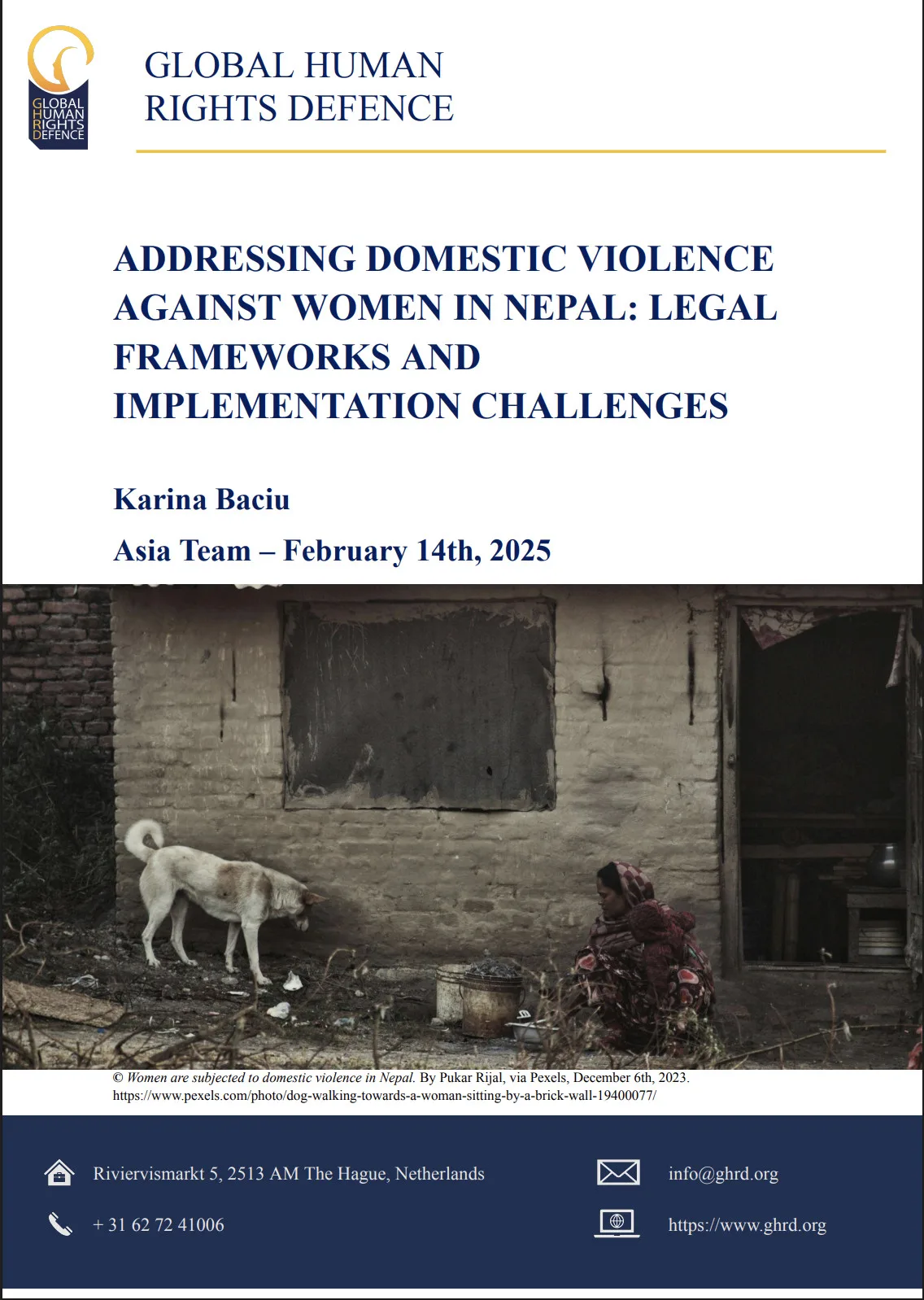
Addressing Domestic Violence Against Women in Nepal: Legal Frameworks and Implementation Challenges

Domestic violence against women remains one of Nepal’s most pervasive human rights violations, deeply embedded within social, cultural, and institutional structures. According to Nepal’s 2022 Demographic and Health Survey, nearly 33 percent of women have experienced physical or sexual violence in their lifetime, with domestic violence being the most prevalent form. Despite increased legal protections, including Nepal’s ratification of international human rights treaties and the establishment of national laws such as the Domestic Violence (Crime and Punishment) Act 2009, implementation gaps continue to allow perpetrators to act with impunity. Many cases go unreported due to fear of retaliation, social stigma, or lack of faith in law enforcement, leaving victims without recourse. The justice system is further hindered by weak enforcement mechanisms, a lack of institutional support, and minimal rehabilitation services for survivors.

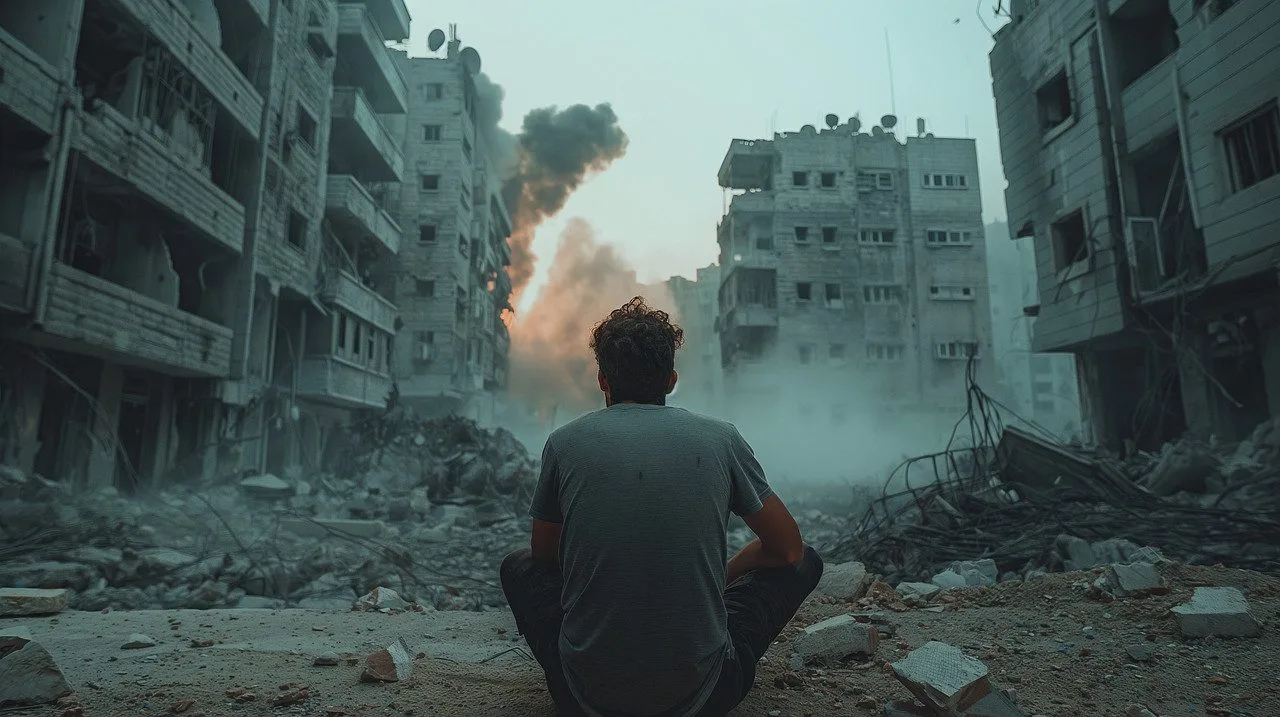
The Consequences of Statelessness in the Case of Isreal and Palestine

Statelessness is, at its heart, the condition of individuals who have no legal recognition or protection from any country. Without formal citizenship, they often find themselves unable to access vital services like proper healthcare and schooling and barred from lawful employment or the freedom to travel. Globally, around 4.4 million people are believed to experience statelessness, although the actual figure could be higher due to data shortfalls. It helps to remember that these individuals differ from refugees, who retain a home nation but flee due to threats or persecution. Meanwhile, treaties such as the 1961 Convention on the Reduction of Statelessness aim to prevent and resolve the issue, but inconsistent enforcement leaves many without recourse.

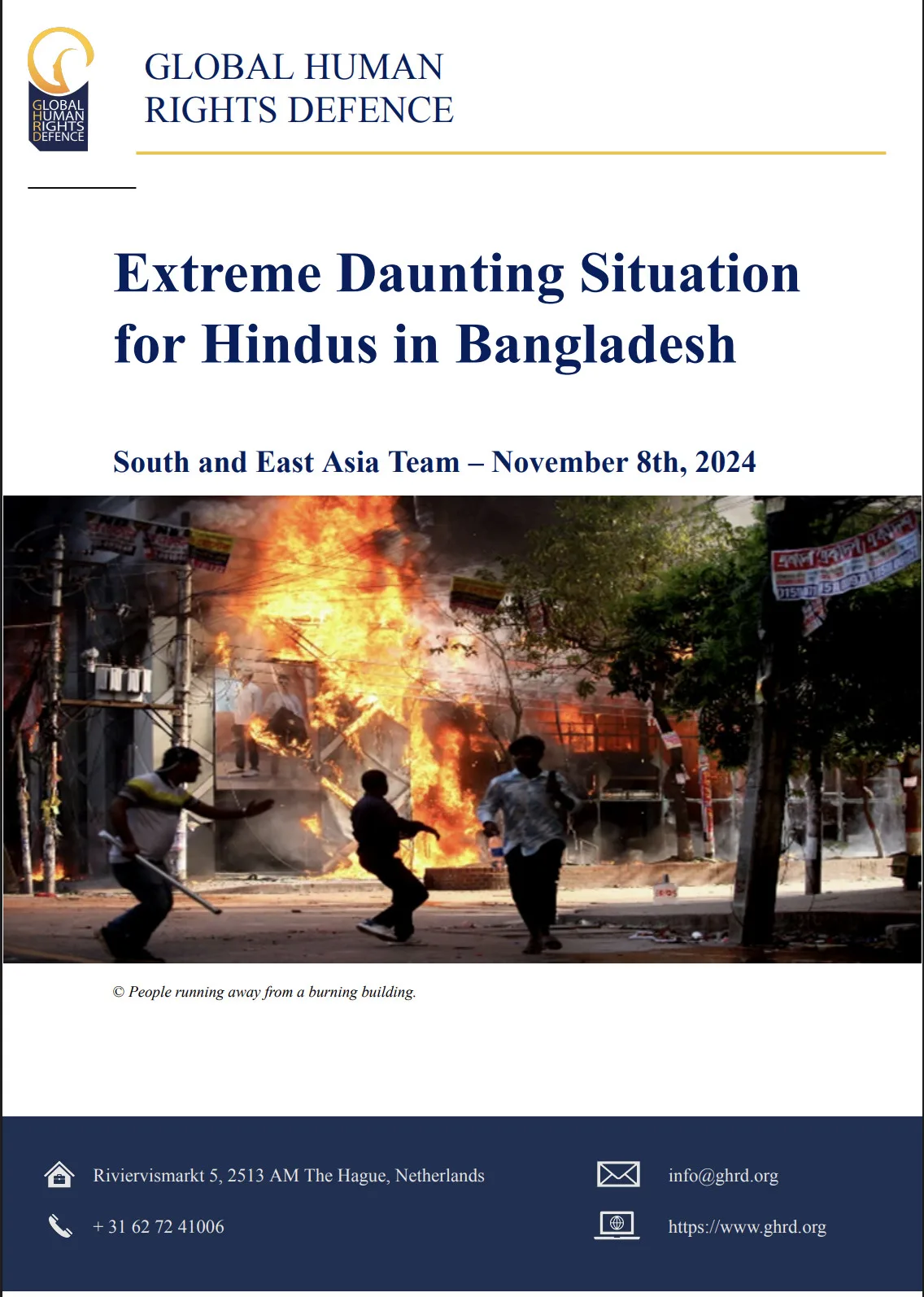
Bangladesh Data

This report showcases the multitude of violence, disturbances, attacks, and vandalisms targeted towards the religious minorities living in Bangladesh and their respective livelihoods as well as their religious sites. Various perpetrators, such as terrorists, miscreants, and local thugs are present in targeting the minorities. The amount of incidents and attacks in Bangladesh is very alarming in combination with the frequency of these attacks. The following gives a detailed account of the incidents that have taken place for the victims in Bangladesh.

Digital Sex Crimes; The example of South Korea

This report provides an overview of the types of online sex crimes, from cyberstalking to image-based sexual abuse, and the international legal frameworks developed to combat them. It explores key treaties such as the Convention on the Rights of the Child (CRC), the Budapest Convention, and the Lanzarote Convention, which collectively address issues like child pornography, online grooming, and sexual exploitation.

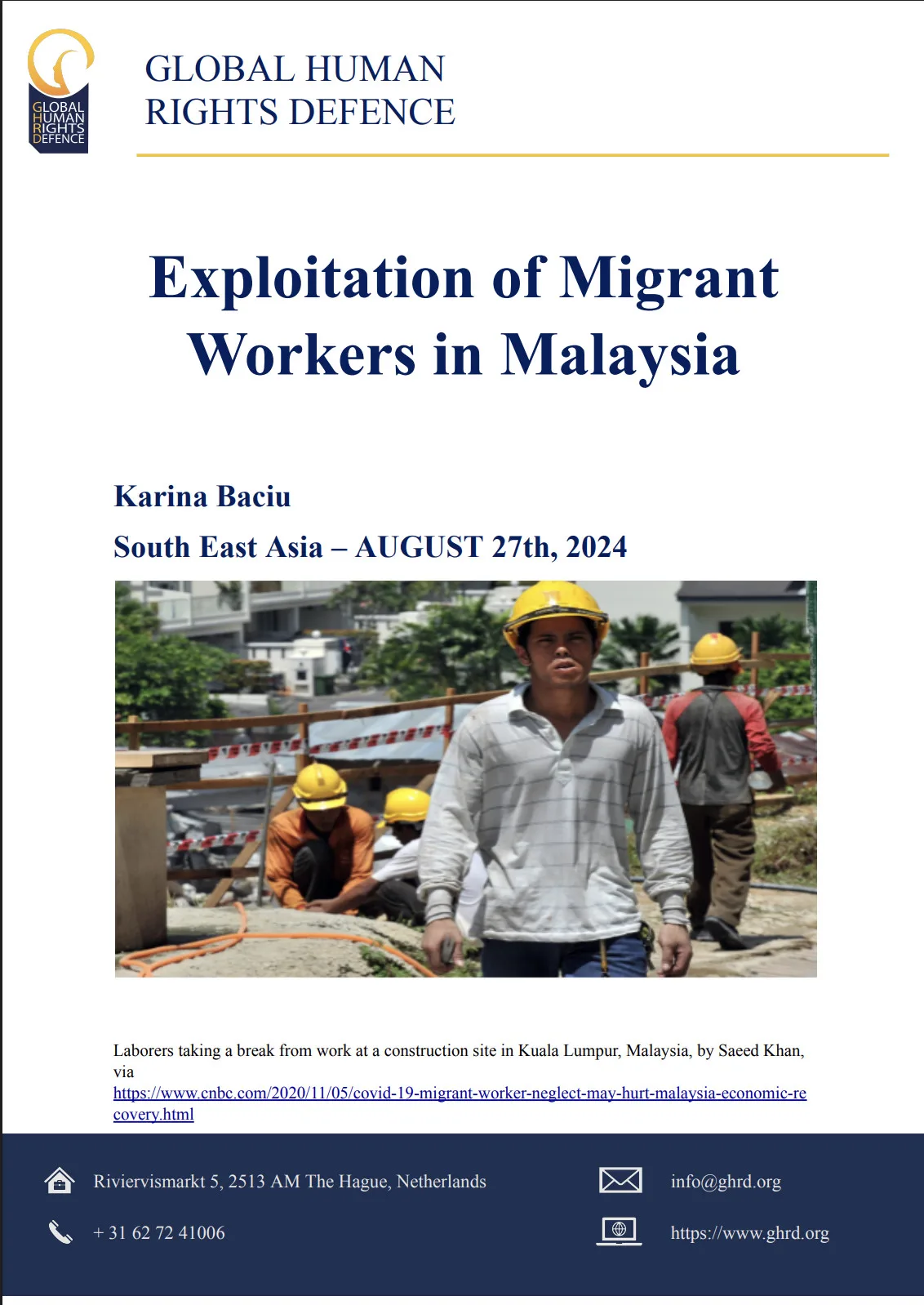
Migrant domestic workers in Malaysia

This report aims to illuminate the complex situation of migrant worker exploitation in Malaysia. The report will provide a comprehensive understanding of not only the factors that contribute to these circumstances, but also what impact it has on the individuals involved. The document will also explore the legal framework along with its challenges and the country’s efforts to create a better environment for the workers.

Law and technology

This report aims to explore how technology and graphic/legal design can enhance voter awareness and participation in elections. By examining the integration of these tools into the electoral process, the report seeks to highlight their potential to make voting procedures more understandable and accessible to a diverse electorate. The analysis includes various aspects such as voter registration, identification, voting methods, and the publication of election results, all of which are critical components in ensuring an informed and engaged voting populace.

The Right to Health: Lack of Physical Well-Being and its Effects on Mental Health with a Specific Focus on Chronic Illnesses

Health is a fundamental human right necessary for the exercise of other human rights, as expressed by the Committee on Economic, Social and Cultural Rights. However, within the fast paced life in our current society, the importance of mental health can be easily overlooked. A balanced mental health is a cornerstone in being able to participate in social life, including work, hobbies, relationships, and education. Mental and physical health are very closely intertwined and it is therefore of utmost importance to take care of both aspects of health, as ill-health can have far reaching implications for the individual and for society as a whole. As a fundamental human right, every individual should be able to enjoy the right to health and thereby live their life to the fullest.

Japan Death Penalty

This report aims to provide a comprehensive analysis of the death penalty in Japan,
focusing on its historical evolution, legal frameworks, and the contentious conditions under
which death row inmates are detained and executed. Central to our exploration is the
environment within Japanese detention centres, where inmates are held in isolation up to the
moment of their execution.

6th GHRD International Film Festival: Human Trafficking Edition
Submission Deadline: 9th August 2026