Article

Article

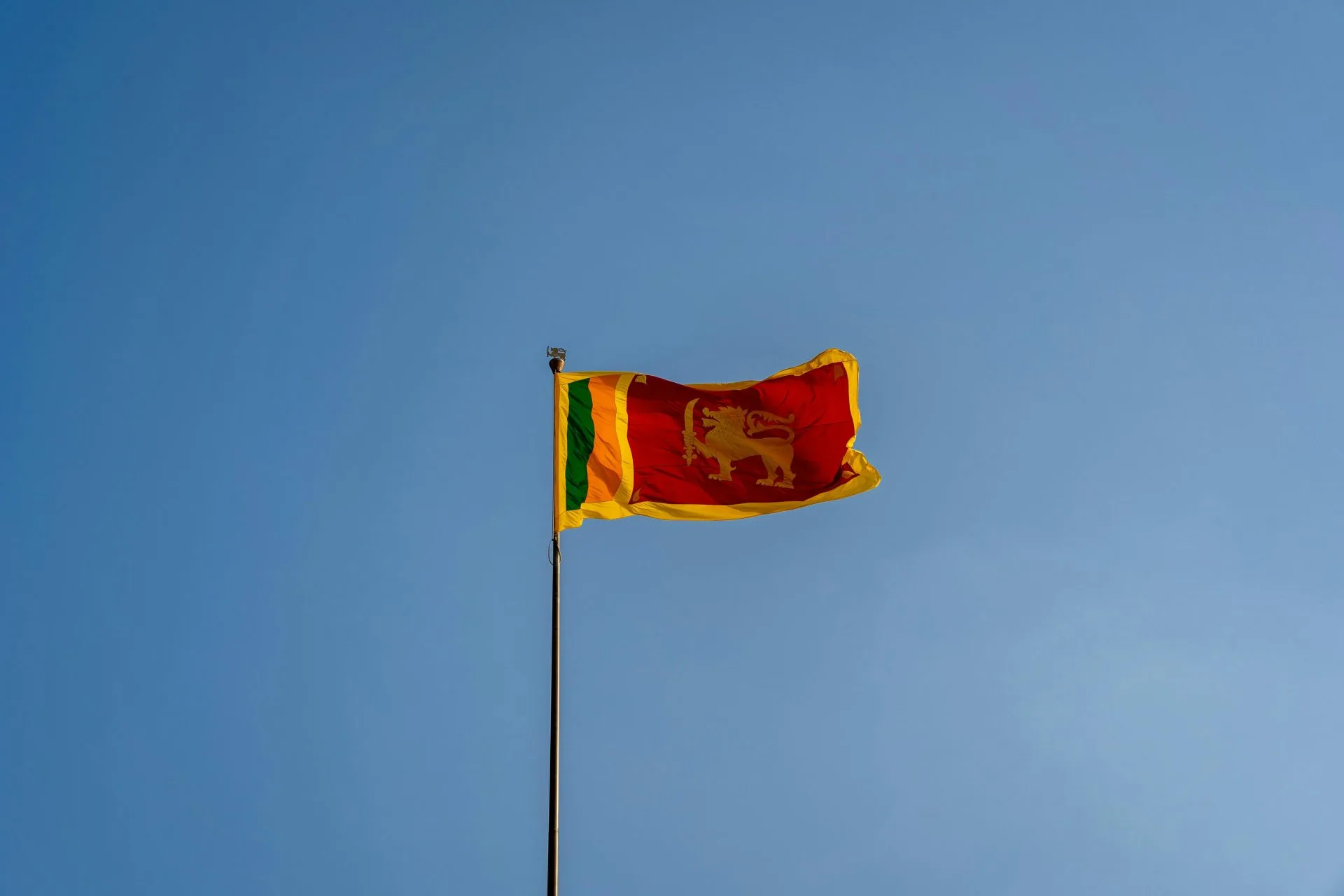
Justice for the Unseen, Enforced Disappearances in Sri Lanka’s Civil War Aftermath

Fifteen years on from Sri Lanka’s civil war, enforced disappearances continue to challenge the country’s legal and transitional justice frameworks. With estimates of 60,000 – 100,000 missing persons, existing mechanisms such as the Office on Missing Persons have struggled to provide accountability or redress. The situation highlights structural weaknesses in domestic law, limited compliance with international human rights obligations and the urgent need for stronger legal and policy interventions to address wartime abuse.

Article

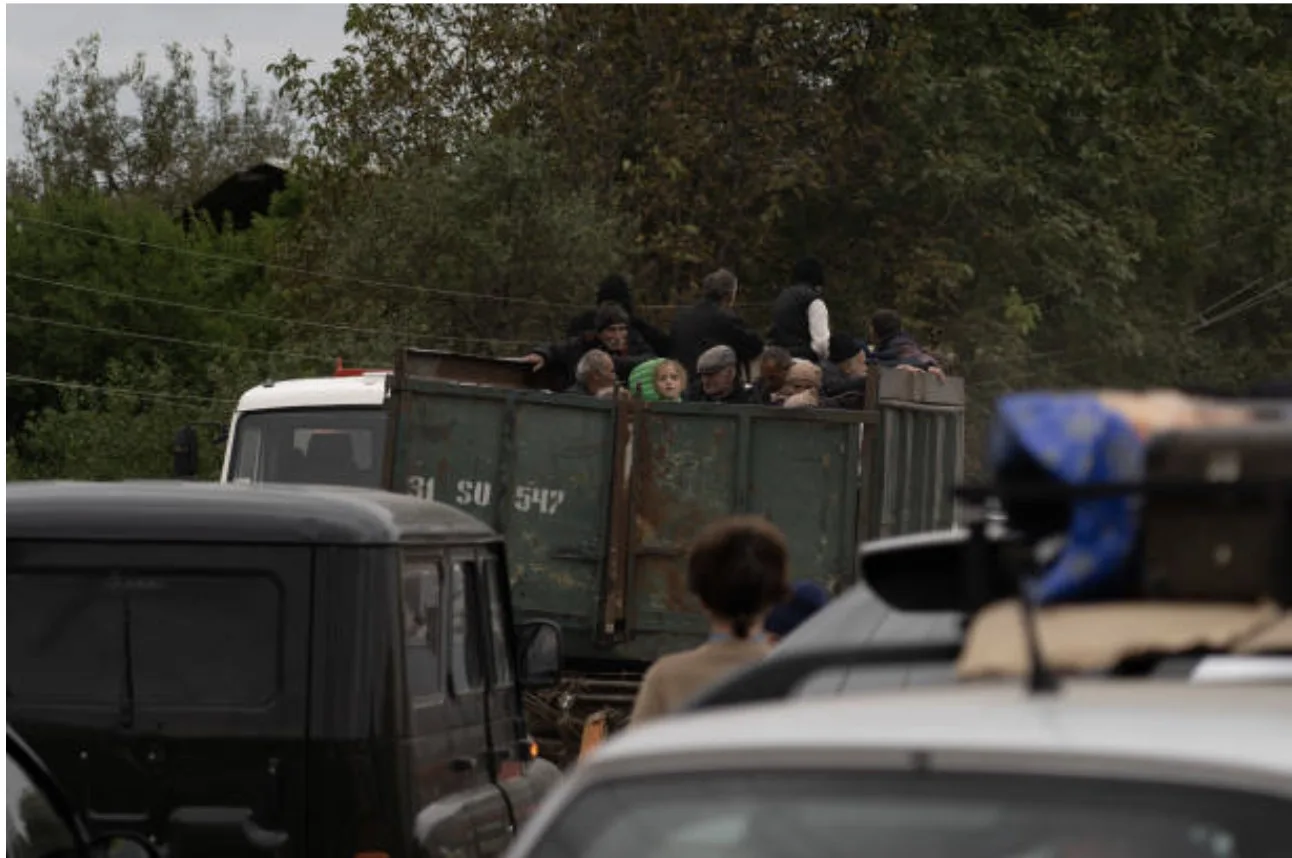
Armenia’s post-Karabakh Ethnic Integration and Future Challenges

Nagorno-Karabakh’s history has been marked by continuous territorial disputes and attempts to erase the ethnic Armenian population. Despite international efforts to maintain peace, inaction by regional powers has enabled Azerbaijan to conduct a systemic violation of human rights. New frameworks for greater accountability and identity preservation must be established to address the situation.

Article

Religious Persecution of Hindus in Bangladesh

This article explores the ongoing persecution of Hindus in Bangladesh, highlighting recurring incidents of violence, including attacks on temples, homes, and individuals. It examines the gap between constitutional guarantees of secularism and the lived reality of discrimination faced by the Hindu minority. The piece argues that despite legal provisions for equality and religious freedom, systemic failures continue to expose Hindus to insecurity and targeted violence.

Article

Decades Long Ongoing Tension Between South Korea and Japan: The Tragic history of the South Korean Comfort Women during World War II

The comfort women system was a systematic sexual slavery operation of Japan during the Second World War. Hundreds of thousands of Asian women were kidnapped and put into military brothels, and forced to sexually entertain Japanese soldiers. Several decades later this is still a major dispute between Japan and South Korea and the issue does not seem to be resolved any time soon.

Article

Sudan’s Women on the Frontlines: An Interview with Mariam Shaw, President of the Youth Future Alliance

In an interview with GHRD, Mariam Shaw, a Sudanese activist and President of TYFA, discusses her motivation to advocate for women and children affected by armed conflict in Sudan. Shaw, who has experienced war and displacement since childhood, highlights the dire situation in Sudan where millions are displaced, facing trauma, hunger, and a lack of basic necessities. She emphasizes the oppression by military factions and the urgent need for humanitarian aid, calling out the blocked support and atrocities against civilians, especially women who endure sexual violence. Shaw criticizes the international community’s inadequate response and implores for justice and protection for those suffering in Sudan.

Article

Positive Complementarity of the ICC vis-à-vis the real complementarity of Civil Society Organisations in ensuring justice in Venezuela

In Venezuela, the promise of international justice has collided with the harsh realities of a state unwilling to hold perpetrators accountable. While the ICC relies on the principle of positive complementarity, its impact has been limited by political obstruction and a weakened judiciary. In contrast, civil society organisations have stepped into the void, documenting abuses, advocating for victims, and ensuring that justice reaches those most affected. In this sense, CSOs embody a form of “real complementarity,” transforming international legal frameworks into tangible pathways for accountability on the ground.

6th GHRD International Film Festival: Human Trafficking Edition
Submission Deadline: 9th August 2026