WHAT’S GOING ON IN SUDAN: THE HUMAN COST OF GEOPOLITICS
Lead: Two years after Sudan’s war began, the country stands on the edge of collapse. The power struggle between the […]
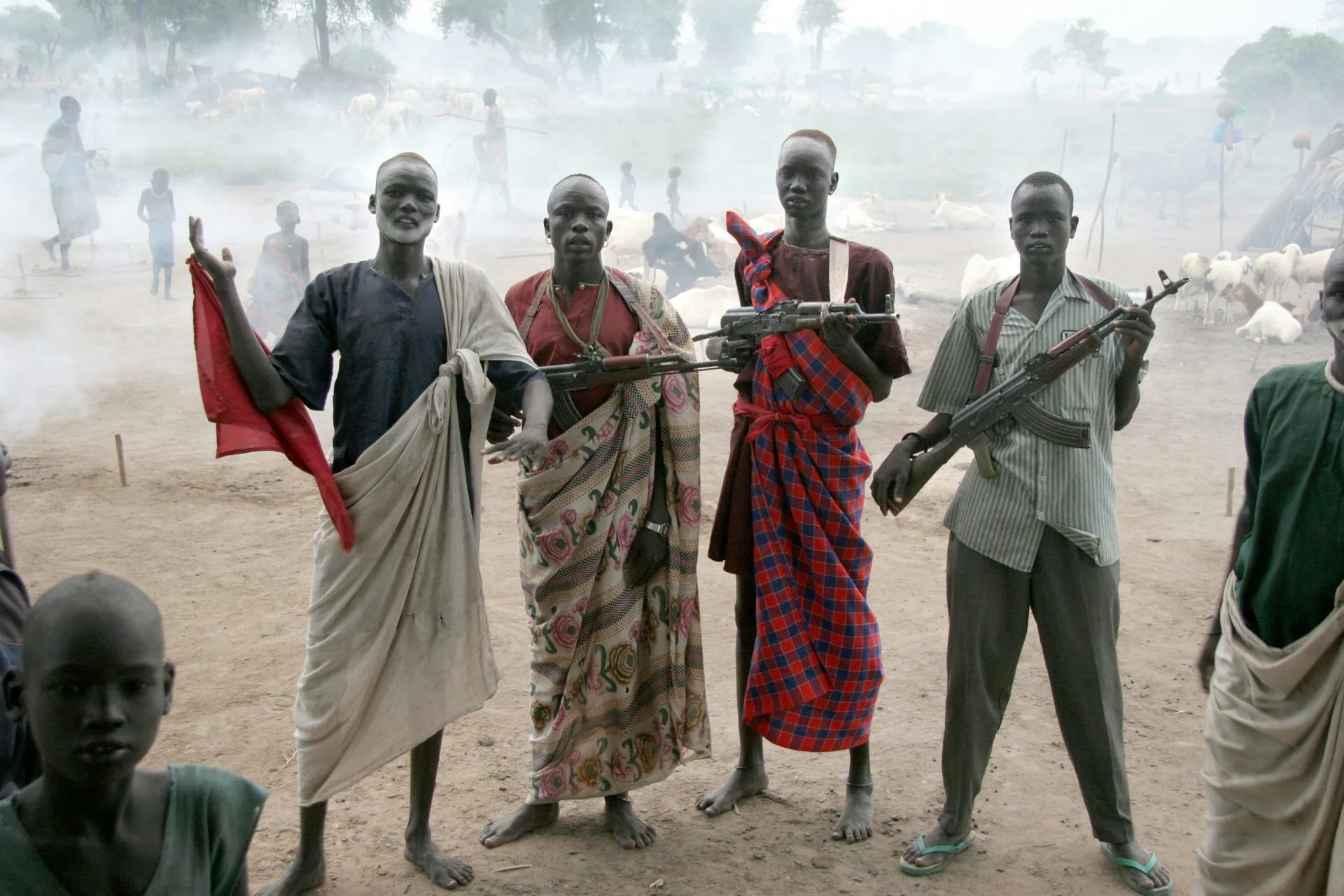
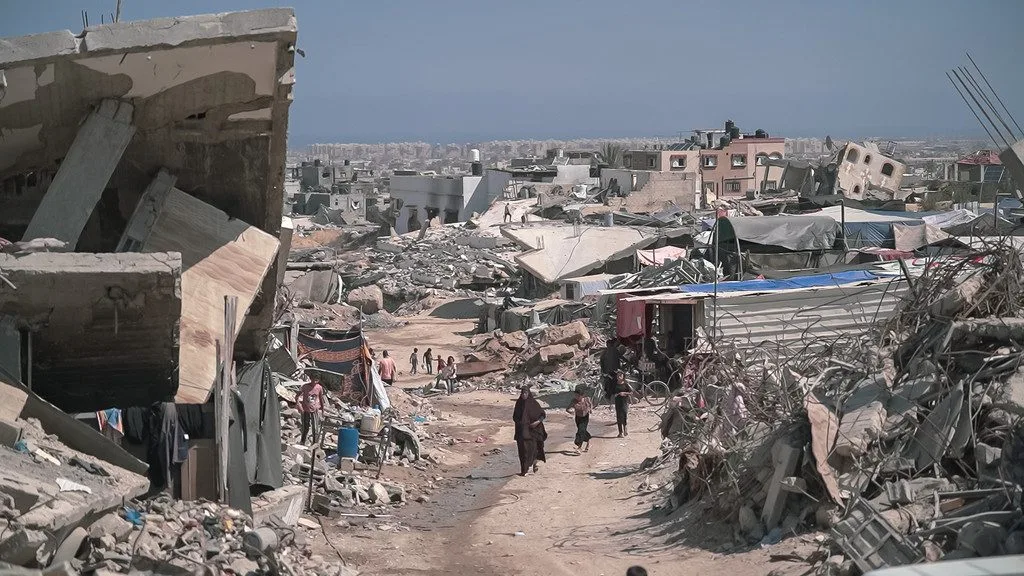
Two years after Sudan’s war began, the country stands on the edge of collapse. The power struggle between the Sudanese Armed Forces (SAF) and the Rapid Support Forces (RSF) has unleashed atrocities, famine, and one of the world’s worst humanitarian crises.
In October 2025, two prominent human‑rights lawyers published the names of European leaders previously reported in 2019 to the International Criminal Court—a submission that at the time did not list individual suspects—for crimes against humanity linked to EU border‑externalisation policies and cooperation with the Libyan Coast Guard.
This article examines the human rights abuses faced by migrants in Libya and the broader role of EU-Libya cooperation in migration control. It highlights arbitrary detention, torture, sexual violence, and exploitative conditions endured by migrants along the Central Mediterranean route. The piece argues for a reassessment of EU policies to ensure migration management does not enable serious human rights violations.
Each year, thousands of migrants risk everything to cross the Mediterranean. Yet before they ever reach the sea, many find themselves trapped in Libya, caught between war, poverty, and tightening borders. This article looks beyond migration statistics to expose the human cost of the EU’s approach to managing migration through Libya.
Photo source: A sketch of people holding their documents. Taken by Suraajm, via Pixabay, on June 20th, 2025. 29-10-2025
This article explores the methods Russia has used to interfere in elections across countries such as the United States, France, Moldova, and Georgia. It highlights tactics including disinformation, cyberattacks, hack-and-leak operations, and political influence aimed at weakening democratic systems. The piece argues that stronger public awareness and resilient institutions are essential to counter such interference.
India’s recent engagement with the Taliban, marked by the visit of Foreign Minister Mawlawi Amir Khan Muttaqi in October 2025, signifies a strategic pivot in its diplomatic stance. Initially marking opposition to Taliban governance post-August 2021, this meeting indicates India’s desire to regain influence in Afghanistan amid deteriorating Iraq-Pakistan relations. However, this realpolitik approach raises concerns for Afghan citizens, particularly women and minorities, due to ongoing rights abuses under Taliban rule. India’s shift prioritizes geopolitical balance over its historical support for democracy in Afghanistan, risking the legacy of its previous aid and initiatives aimed at empowering marginalized groups. While the Taliban’s visit aimed to bolster legitimacy and seek investment, India’s silence on human rights issues during the discussions has garnered criticism. The current humanitarian crisis in Afghanistan exacerbates these concerns, highlighting the necessity for any engagement to be anchored in accountability for human rights violations, as the consequences of normalizing relations without addressing these core issues could further legitimize Taliban oppression.
Facial recognition technologies are increasingly used across Europe for security purposes, but they raise serious human rights concerns related to privacy, discrimination, and mass surveillance. Cases such as Hungary’s use of FRT at protests and Clearview AI’s unlawful data practices highlight how these systems can be misused. Despite existing legal frameworks, gaps in enforcement continue to expose individuals to rights violations.
At the recent UNGA Conference which took place at the end of September, China was posed with the opportunity to lead as the face for action against global climate change. As climate change is one of the most pressing global problems in today’s world, the significance of aligning with international climate change standards is unquestionable.