Asia

Press release

Bangladesh, between the Ditch and Deep Blue Bay

On February 12, 2026, Bangladesh is set for general elections and a constitutional referendum following the Monsoon uprising that ousted Prime Minister Sheikh Hasina. Since August 2024, Professor Dr. Muhamad Yunis has led the country. The Bangladesh Jamat E Islami, in partnership with the Nationalist Children Party, seeks a religious transformation, raising issues surrounding women’s representation as they have not nominated female candidates despite claims of future equality. The new leadership has coincided with a rise in violence against minorities, heightening fears of oppression. The elections are crucial for the nation’s identity amid increasing conservative ideologies, with the election date highlighting tensions with International Mother Language Day and reflecting the conflict between historical legacy and future direction.
Article

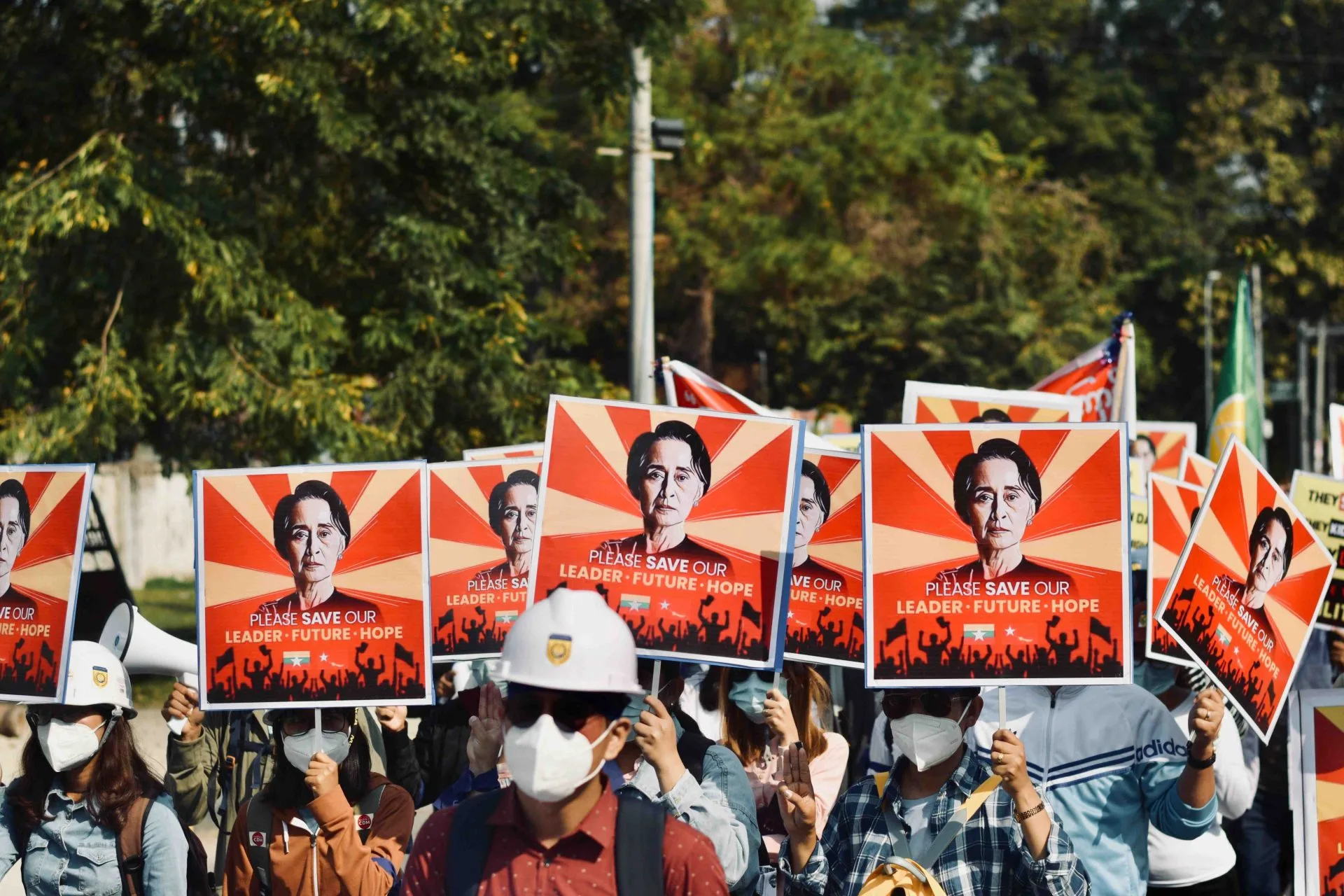
Electoral Processes in Myanmar: Political Exclusion and Legitimacy

The recent 2025-2026 Myanmar general elections were conducted under military control, in a fragmented and insecure environment. Many townships, particularly in ethnic minority regions, were excluded from voting, while opposition parties faced disqualification under restrictive laws. Coercion, repression, and limited access to political participation render the election unfree and unfair, in violation of international standards.

Press release

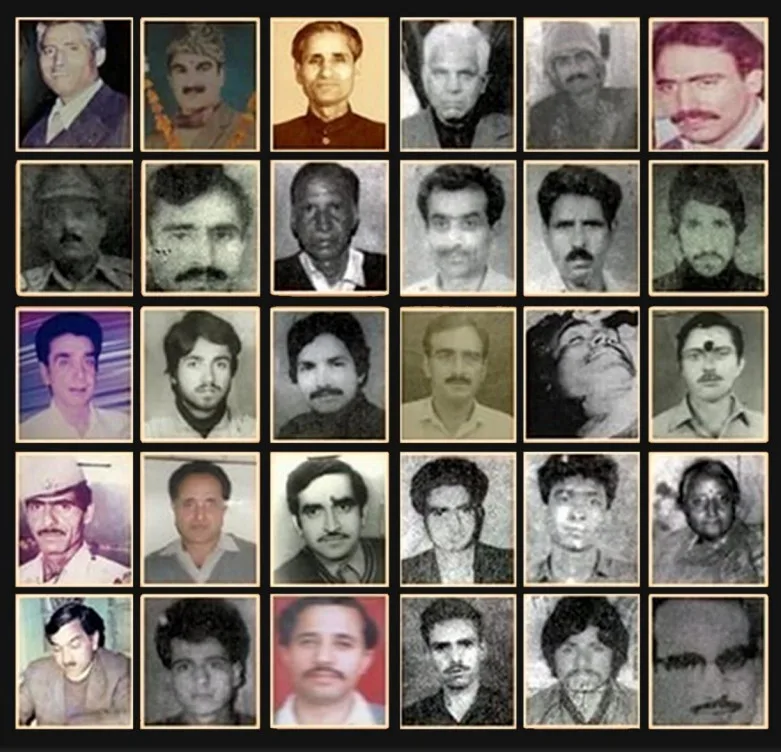
Kashmiri Hindus and Atrocity Crimes: A Legal Brief on Persecution and Forced Displacement

The report exposes the systematic ethnic cleansing of Kashmiri Hindus, framing their displacement as a coerced outcome of targeted killings, sexual violence, intimidation, and terror—not voluntary migration. It applies tribunal-tested legal standards to show that leaving the Valley was not a choice but a forced act, documenting crimes including murder, rape, and property destruction. The brief highlights the role of Pakistan-backed militant networks and local separatist groups in enabling persecution, offering a legal roadmap to hold perpetrators accountable under international law, including crimes against humanity and war crimes.

Press release

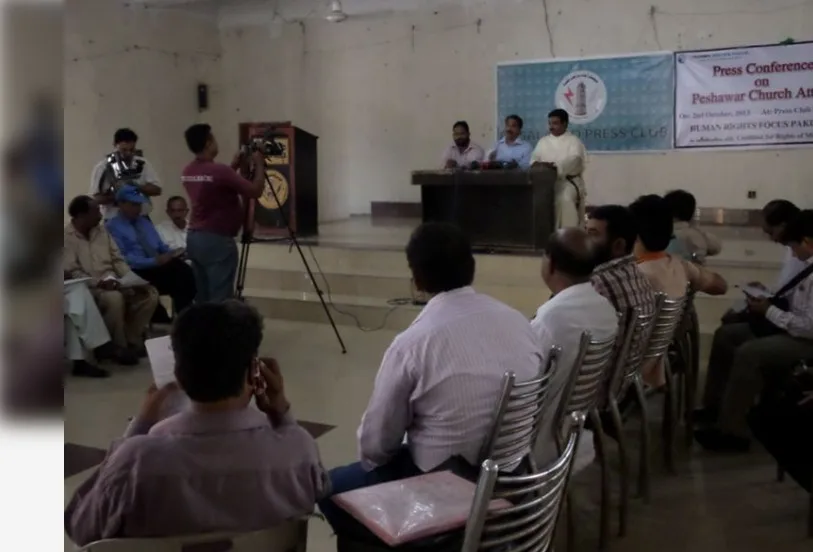
HRFP Condemns Attack on Kot Radha Kishan Church, Calls for Justice and Preventive Measures

Human Rights Focus Pakistan (HRFP) strongly condemns the attack on a Church in Ghanaykay village, Kasur, where the Holy Bible was desecrated and the premises vandalised, spreading fear among the local Christian community. HRFP calls for swift and transparent justice, stressing that accountability must go beyond arrests to uncover motives and accomplices. The organization urges concrete measures to protect religious minorities and places of worship, highlights the urgent need to counter religious intolerance and hate-driven violence, and reiterates its demand for the abolition of Pakistan’s blasphemy laws, which are widely misused and have led to grave human rights violations.

Press release

Child Marriage in Sindh: How Marginalisation, Climate Crisis and Religious Extremism Fuel a Growing Human Rights Crisis

Sindh continues to face alarming human rights challenges, particularly affecting young girls from marginalised and minority communities. Despite existing laws, child marriage and forced religious conversions remain widespread due to weak enforcement, political resistance, poverty, and entrenched social norms. This article outlines the structural causes behind these violations and highlights the urgent need for stronger protections, accountability, and coordinated efforts to safeguard vulnerable girls in the region. 

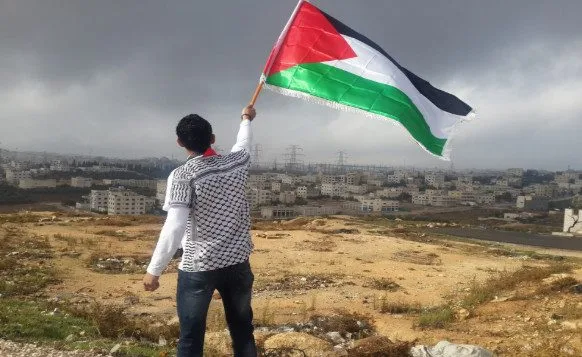
Boy holiding Palestine flag
Article

Maritime Law, Humanitarian Crisis, and the Gaza Blockade: The Case of the Global Sumud Flotilla

In October 2025, the Israeli navy intercepted the Global Sumud Flotilla, a civilian-led mission carrying humanitarian aid to Gaza, in international waters. Amidst Israel’s ongoing naval blockade of the Gaza Strip, this operation has raised concerns regarding the legality of the siege and the erosion of international law. As millions of Palestinians face crisis, the interception of the Global Sumud Flotilla exposes how humanitarian principles are being drowned beneath claims of security and self-defence.

Article

India’s Pragmatic Turn: The Human Rights Cost of Embracing the Taliban

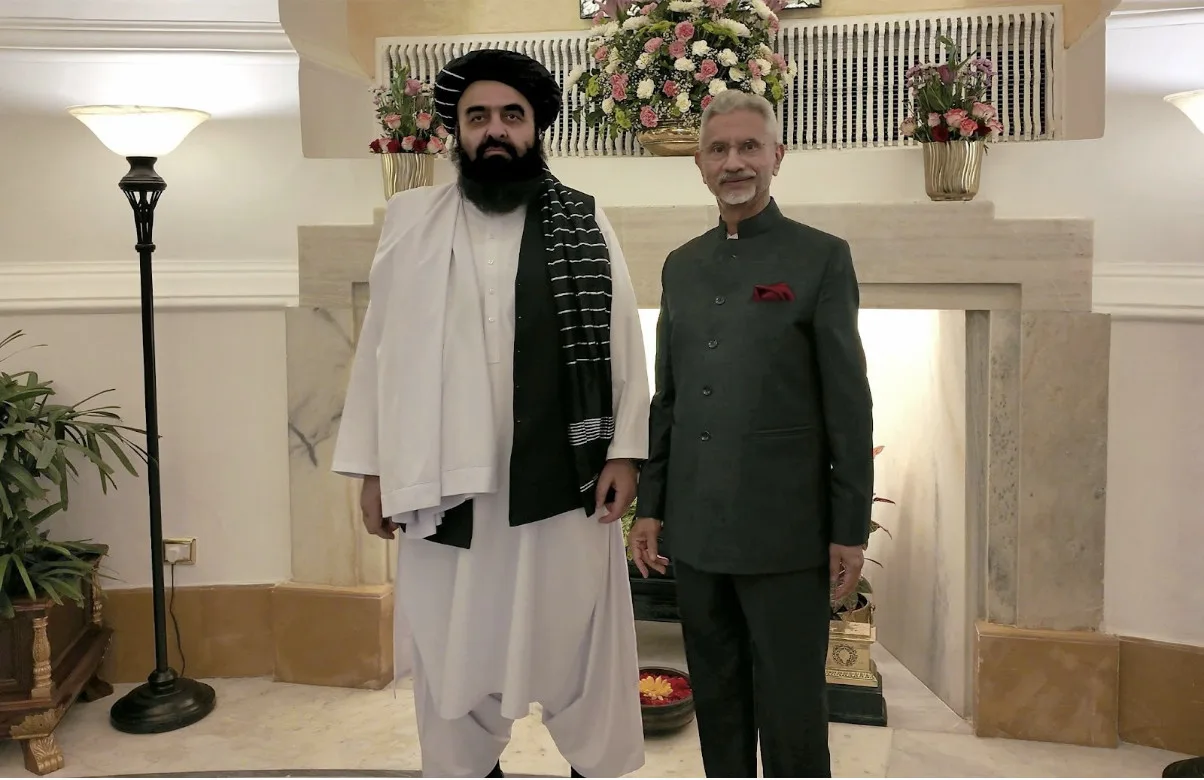
India’s recent engagement with the Taliban, marked by the visit of Foreign Minister Mawlawi Amir Khan Muttaqi in October 2025, signifies a strategic pivot in its diplomatic stance. Initially marking opposition to Taliban governance post-August 2021, this meeting indicates India’s desire to regain influence in Afghanistan amid deteriorating Iraq-Pakistan relations. However, this realpolitik approach raises concerns for Afghan citizens, particularly women and minorities, due to ongoing rights abuses under Taliban rule. India’s shift prioritizes geopolitical balance over its historical support for democracy in Afghanistan, risking the legacy of its previous aid and initiatives aimed at empowering marginalized groups. While the Taliban’s visit aimed to bolster legitimacy and seek investment, India’s silence on human rights issues during the discussions has garnered criticism. The current humanitarian crisis in Afghanistan exacerbates these concerns, highlighting the necessity for any engagement to be anchored in accountability for human rights violations, as the consequences of normalizing relations without addressing these core issues could further legitimize Taliban oppression.

Article

China’s Climate Leadership: New Plans in Fighting Against Climate Change

At the recent UNGA Conference which took place at the end of September, China was posed with the opportunity to lead as the face for action against global climate change. As climate change is one of the most pressing global problems in today’s world, the significance of aligning with international climate change standards is unquestionable.

6th GHRD International Film Festival: Human Trafficking Edition
Submission Deadline: 9th August 2026