Asia

Article

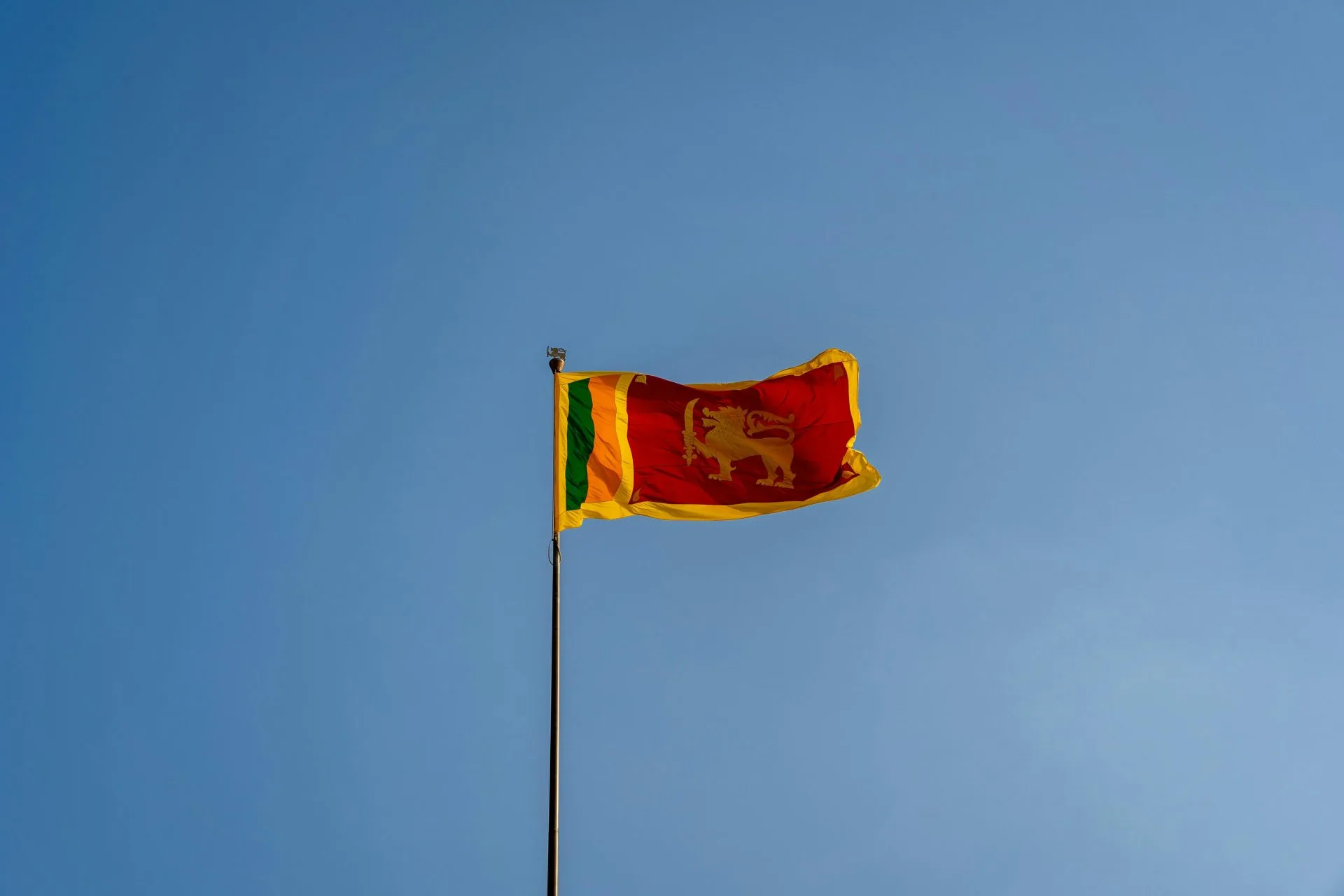
Justice for the Unseen, Enforced Disappearances in Sri Lanka’s Civil War Aftermath

Fifteen years on from Sri Lanka’s civil war, enforced disappearances continue to challenge the country’s legal and transitional justice frameworks. With estimates of 60,000 – 100,000 missing persons, existing mechanisms such as the Office on Missing Persons have struggled to provide accountability or redress. The situation highlights structural weaknesses in domestic law, limited compliance with international human rights obligations and the urgent need for stronger legal and policy interventions to address wartime abuse.
Article

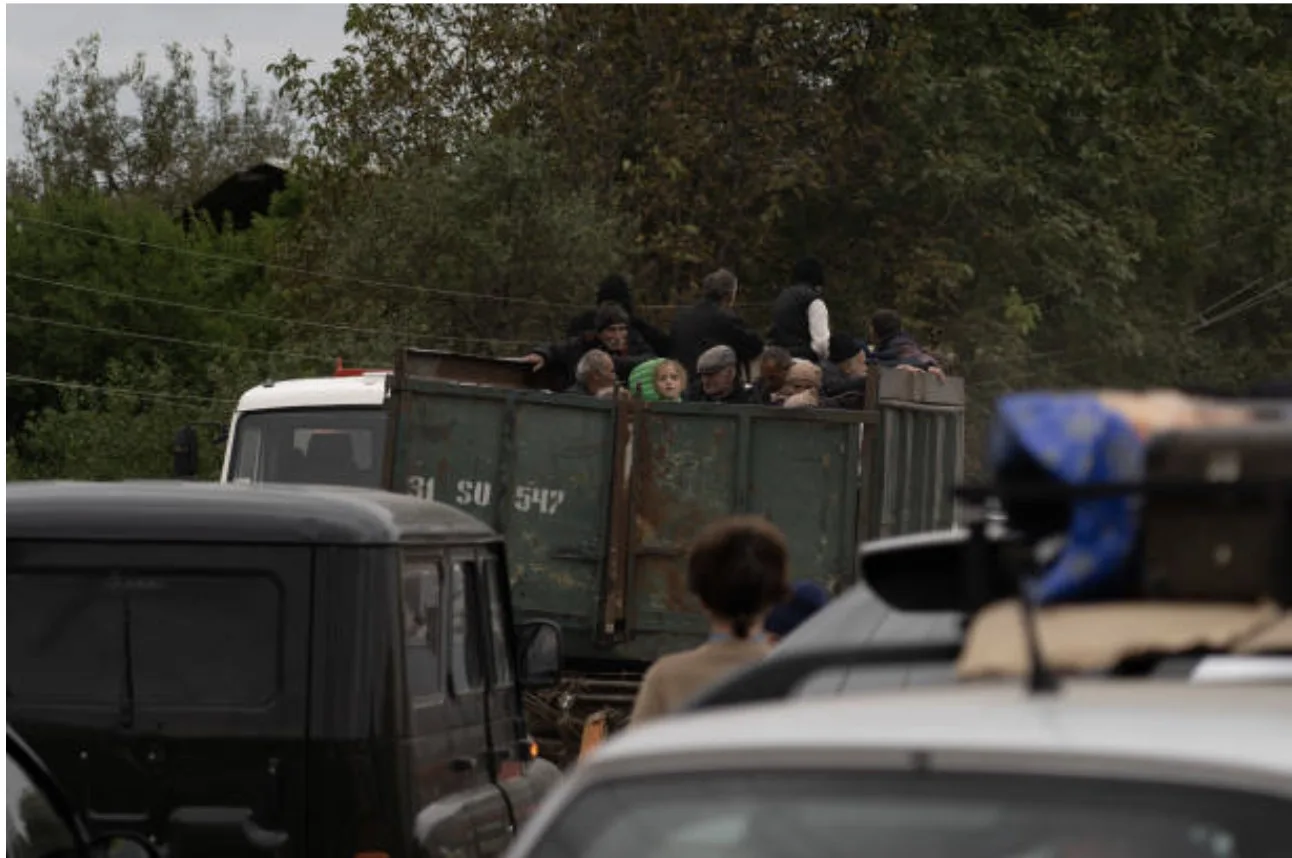
Armenia’s post-Karabakh Ethnic Integration and Future Challenges

Nagorno-Karabakh’s history has been marked by continuous territorial disputes and attempts to erase the ethnic Armenian population. Despite international efforts to maintain peace, inaction by regional powers has enabled Azerbaijan to conduct a systemic violation of human rights. New frameworks for greater accountability and identity preservation must be established to address the situation.

Article

Religious Persecution of Hindus in Bangladesh

This article explores the ongoing persecution of Hindus in Bangladesh, highlighting recurring incidents of violence, including attacks on temples, homes, and individuals. It examines the gap between constitutional guarantees of secularism and the lived reality of discrimination faced by the Hindu minority. The piece argues that despite legal provisions for equality and religious freedom, systemic failures continue to expose Hindus to insecurity and targeted violence.

Article

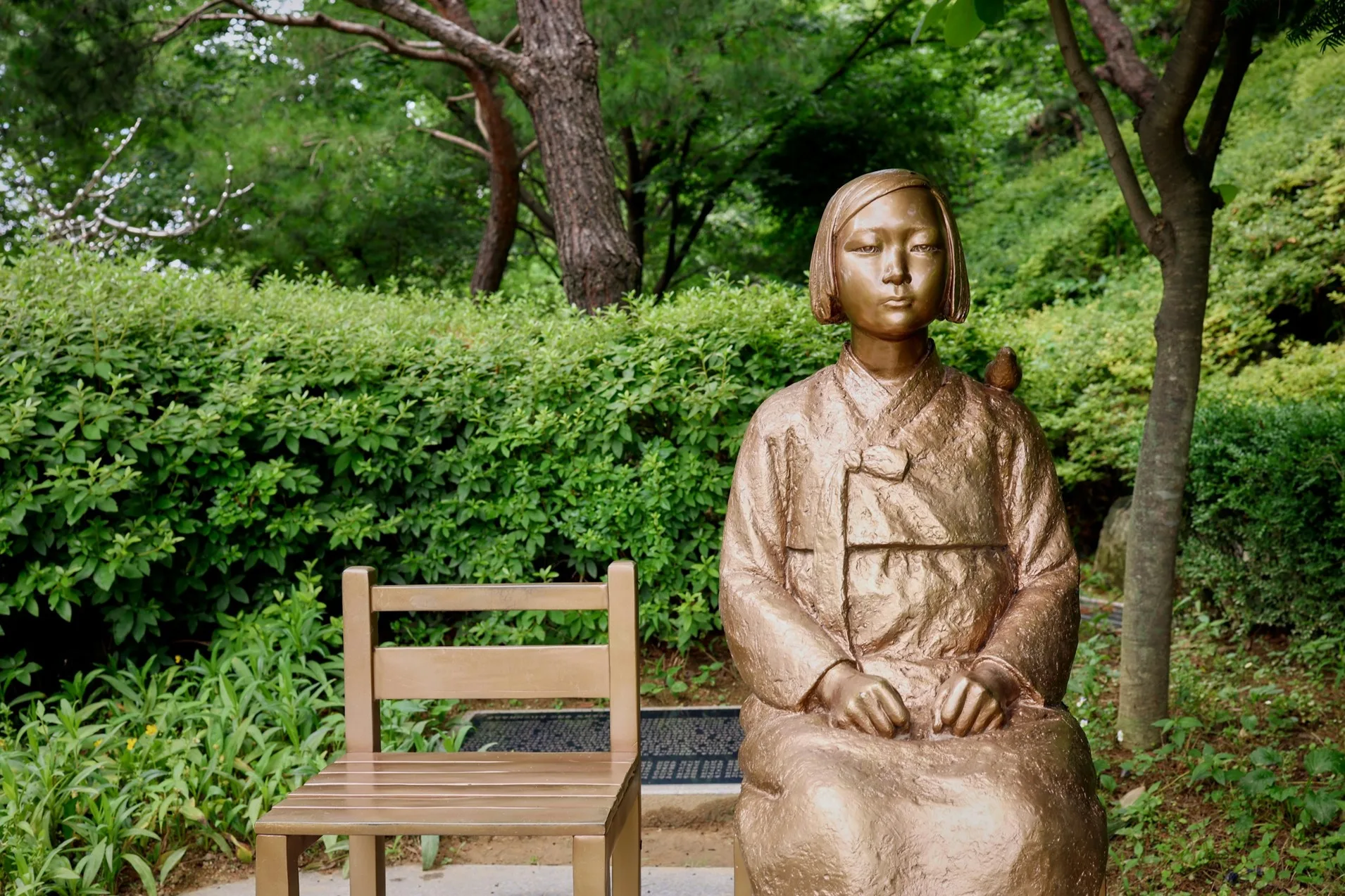
Decades Long Ongoing Tension Between South Korea and Japan: The Tragic history of the South Korean Comfort Women during World War II

The comfort women system was a systematic sexual slavery operation of Japan during the Second World War. Hundreds of thousands of Asian women were kidnapped and put into military brothels, and forced to sexually entertain Japanese soldiers. Several decades later this is still a major dispute between Japan and South Korea and the issue does not seem to be resolved any time soon.

Article

Labour Rights of Children in Bangladesh

The present paper evaluates the steps taken by Bangladesh to safeguard the labour rights of children, while examining the latest statistics and reviewing related incidents from recent years.

Judges desk with gavel and scales
Article

The Impact of Blasphemy Laws on Minority Communities in Pakistan: The Case of the Ahmadiyya Community

In Pakistan, blasphemy laws have shifted from colonial safeguards against inter-religious conflict to powerful instruments of persecution. Originally presented as protections for religious devotion, they are now widely misused to silence dissent and marginalise minorities. For the Ahmadiyya community, these laws do not merely restrict expression but criminalise existence itself, exposing Ahmadis to violence, exclusion, and systemic discrimination. Their plight illustrates how blasphemy legislation, far from ensuring harmony, undermines the rule of law and violates fundamental human rights.

Article

Treatment of Minorities and Diplomatic Tension: The Tale of Ethnic Koreans in Japan

This article is exploring how the historical grievances between South Korea and Japan and the focal treatment of ethnic Koreans in Japan has affected the South Korea-Japan diplomatic relations. Recommendations are also provided on how the diplomatic tension could possibly be resolved to aim for better economic and security cooperation amongst the nations.

Mystical landscape
Article

The Crisis of Statelessness of Rohingya Refugees

The Rohingya, a Muslim minority in Myanmar, are the largest stateless group globally, totaling over 3.5 million due to the 1982 Citizenship Act, which discriminates based on ancestry. This law excludes the Rohingya and other ethnic groups from citizenship, driving many to seek refuge in countries like Bangladesh, where they face dire conditions in refugee camps. This article critiques Myanmar’s citizenship laws and the flawed, corrupt naturalization process that sustains multi-generational statelessness among the Rohingya.

6th GHRD International Film Festival: Human Trafficking Edition
Submission Deadline: 9th August 2026