Middle East

Article

Does the Use of Chemicals Amount to War Crimes?

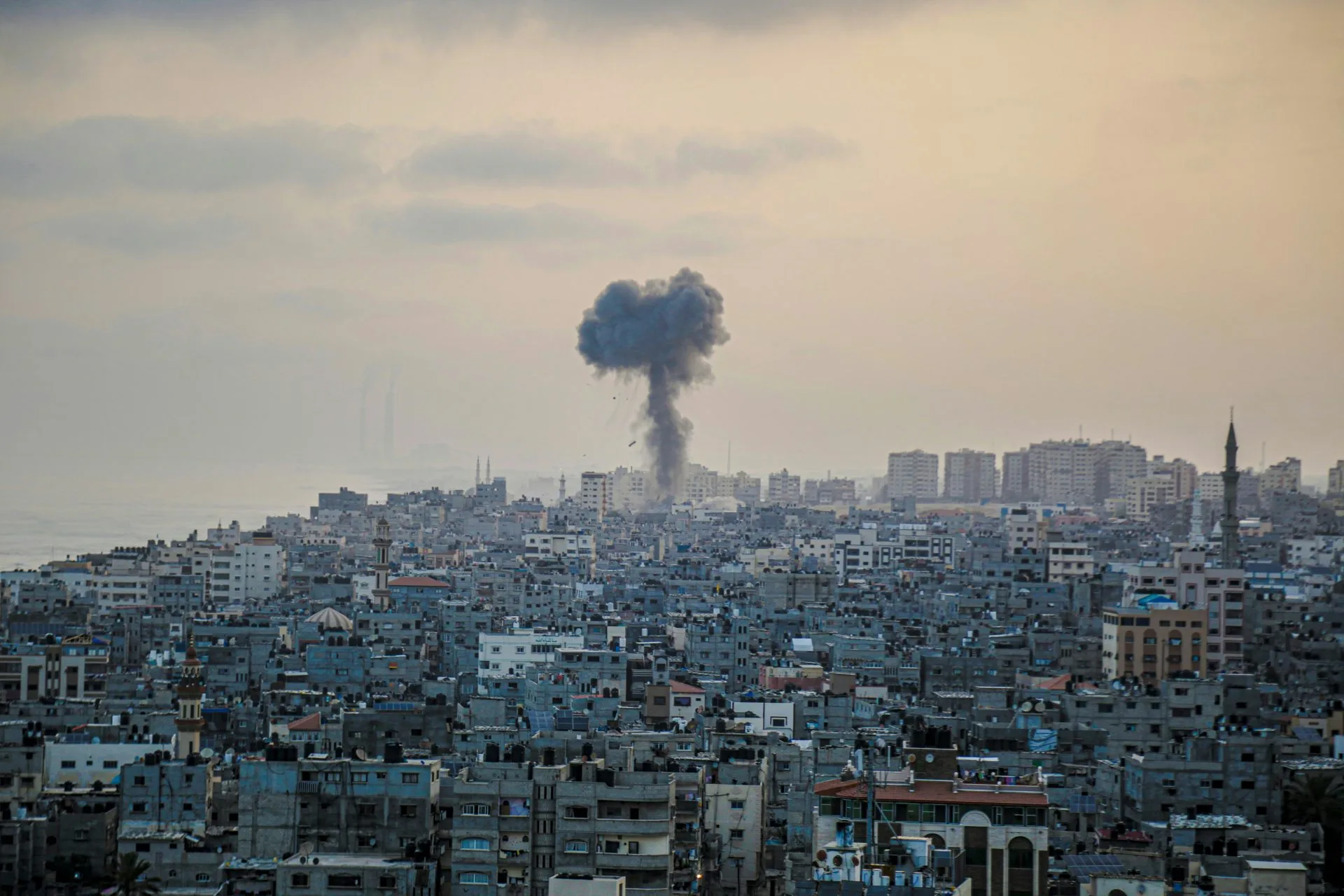
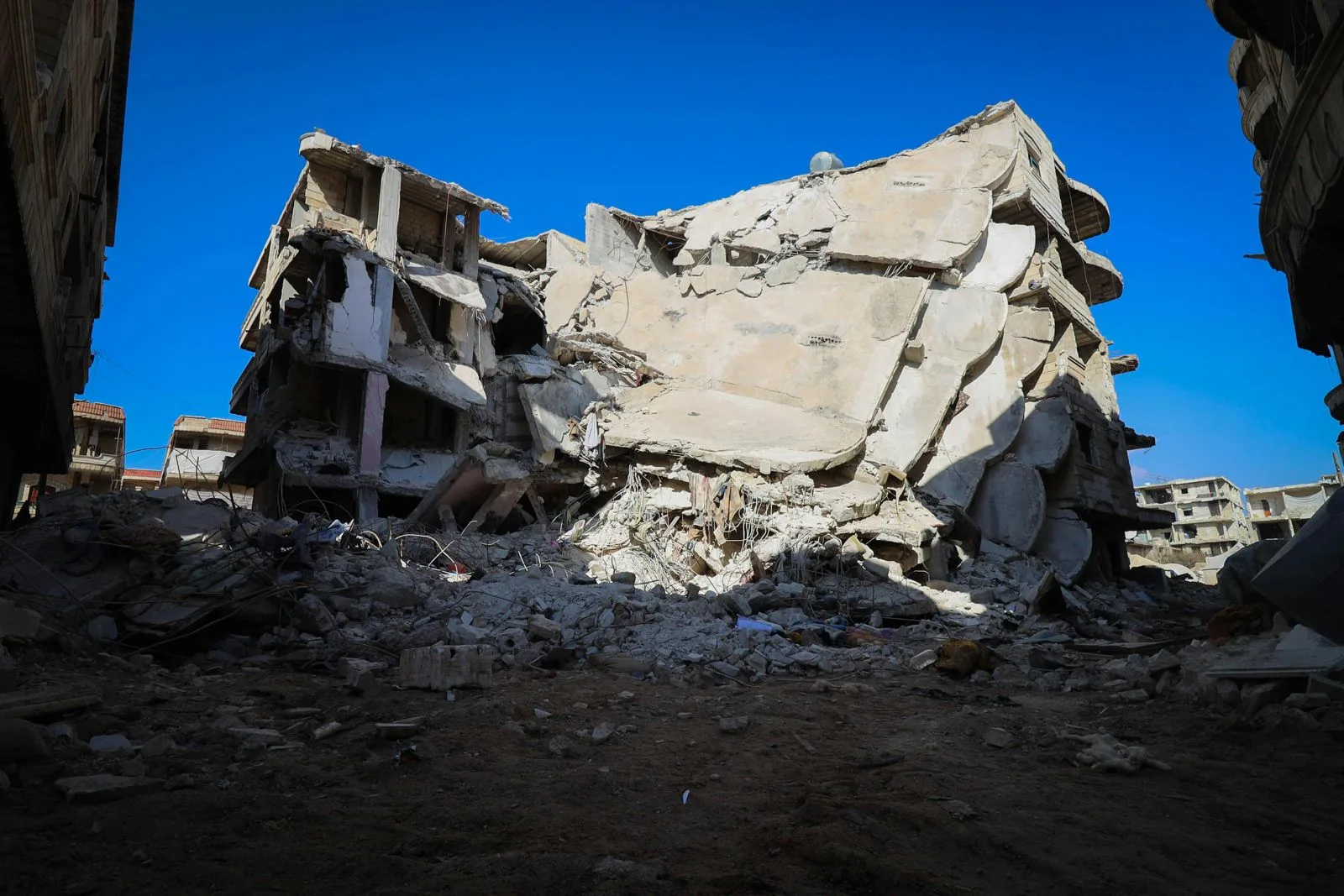
This article examines whether the use of chemical substances such as white phosphorus can amount to war crimes under international humanitarian law. Using southern Lebanon as a case study, it highlights the severe civilian harm, environmental damage, and long-term risks caused by white phosphorus strikes in populated areas. The article argues that legal accountability should focus not only on how weapons are classified, but on their actual impact on civilians, land, and protected communities.
A man at work.
Article

Kuwait’s Manufactured Bidoon Crisis: The Humanitarian Impacts of Statelessness

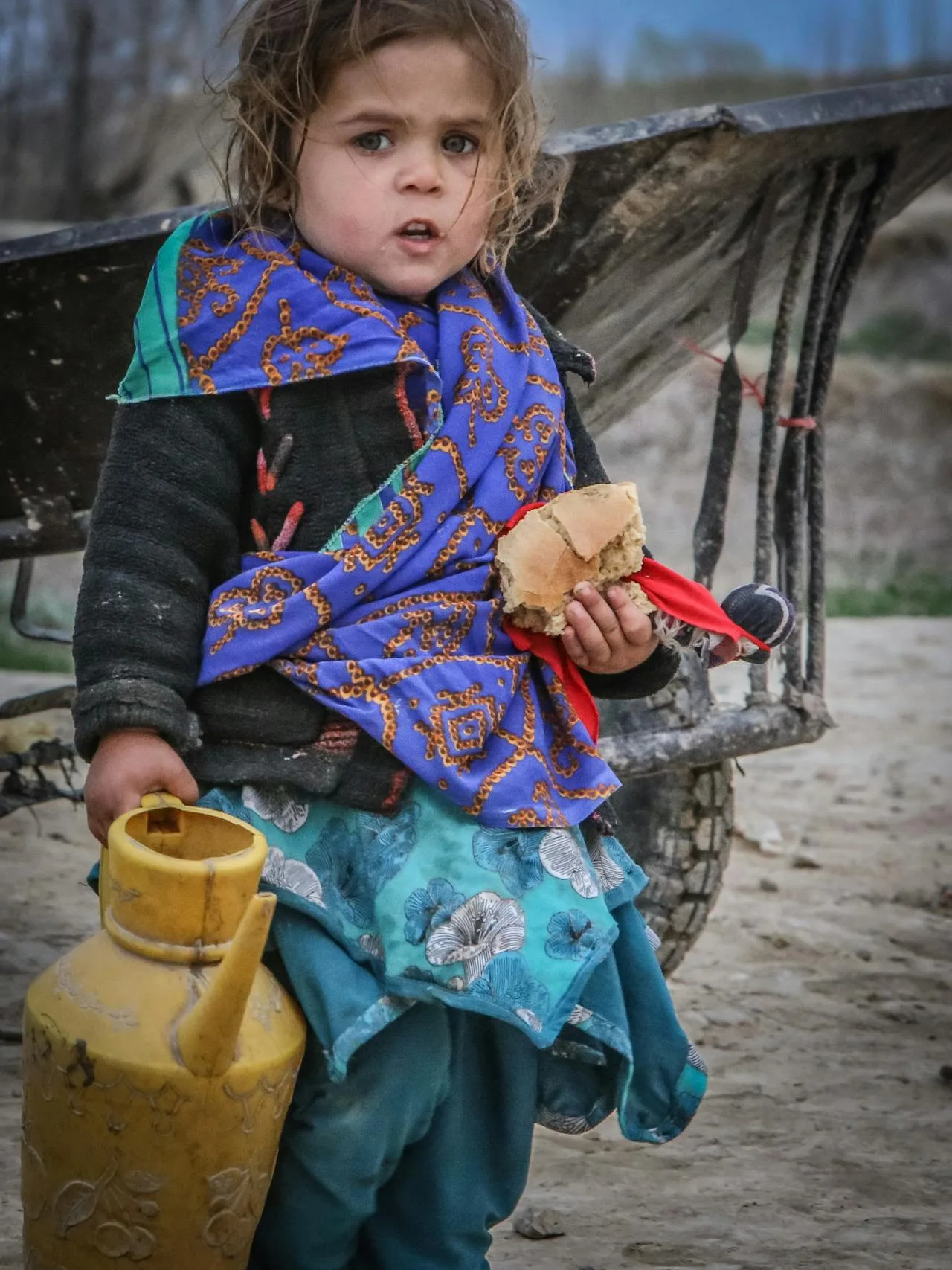
The Bidoon population of Kuwait live in a system that denies them their basic rights while framing them as “illegal” in their own homeland. Deprived of citizenship, essential services, and political participation they face barriers across education, healthcare, and employment. This article therefore examines how state policies have engineered a humanitarian crisis that continues to shape every aspect of Bidoon life.

Article

How does Israel’s AI-assisted targeting system in the Gaza Strip violate the principles of IHL?

The conflict between Israel and Palestine, rooted in over a century of historical and ideological disputes, has evolved with technological influences, particularly the integration of Artificial Intelligence (AI) in military operations. Recent uses of AI, such as the AI Decision Support Systems (AI-DDS) by the Israeli Defence Forces (IDF) in the Gaza Strip, have enhanced targeting and surveillance capabilities. However, these developments raise significant legal and ethical concerns related to International Humanitarian Law (IHL), which aims to protect those not participating in hostilities. This article explores whether the employment of AI in warfare aligns with IHL principles, focusing on its implications within the ongoing Israel-Palestine conflict, despite Israel not having ratified crucial IHL protocols.

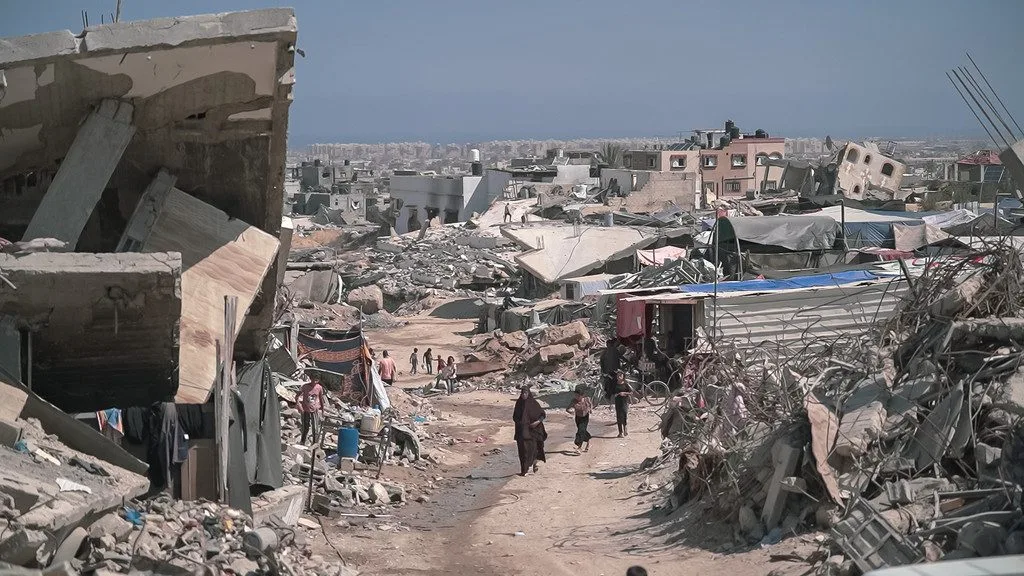
Photo Source: Image showing people walking through a heavily destroyed urban area in Gaza. Jaber Jehad Badwan, via CC portal.
Article

International Crossroads on Palestine

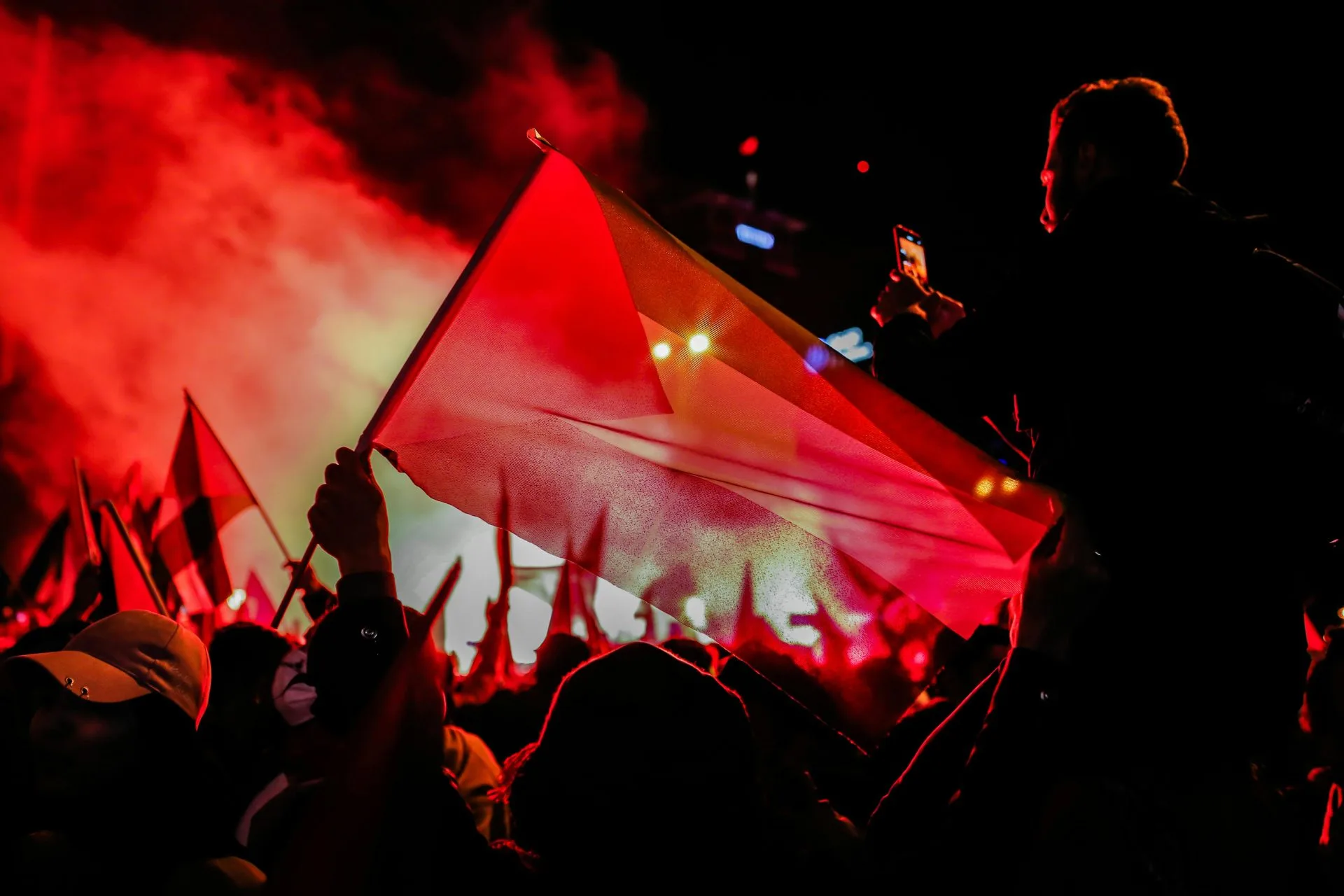
In recent months, international diplomacy around Gaza has intensified, yet conditions on the ground continue to deteriorate. While world leaders announced new political initiatives, displacement and humanitarian collapse have persisted across the Strip. The contrast between renewed diplomatic efforts and the reality faced by civilians has only deepened, underscoring the fragility of current negotiations and the failure of existing mechanisms to halt the violence.

Article

Terrorism for Some, Tolerance for Others: Proscribing Palestine Action in the Age of Reform UK

This article examines Poland’s EU-funded migrant integration centres programme and the refusal of Małopolska province to participate. It highlights how political rhetoric around migration can undermine integration efforts and expose migrants to discrimination, exclusion, and rights violations. The piece argues that integration centres are essential for dignity, access to services, and social cohesion.

Article

EU Exporting Death: Arms Trade, Legal Gaps and Ethical Failure in Yemen and Gaza

This article examines the responsibility of EU states in supplying arms that contribute to human rights violations in conflict zones like Yemen and Gaza. Despite legal frameworks such as the Arms Trade Treaty and EU regulations, arms exports continue to fuel humanitarian crises and civilian suffering. The analysis highlights gaps in enforcement, raising serious concerns about accountability and ethical responsibility in global arms trade.

6th GHRD International Film Festival: Human Trafficking Edition
Submission Deadline: 9th August 2026