South-America

Article

The Situation of Indigenous Peoples in Colombia

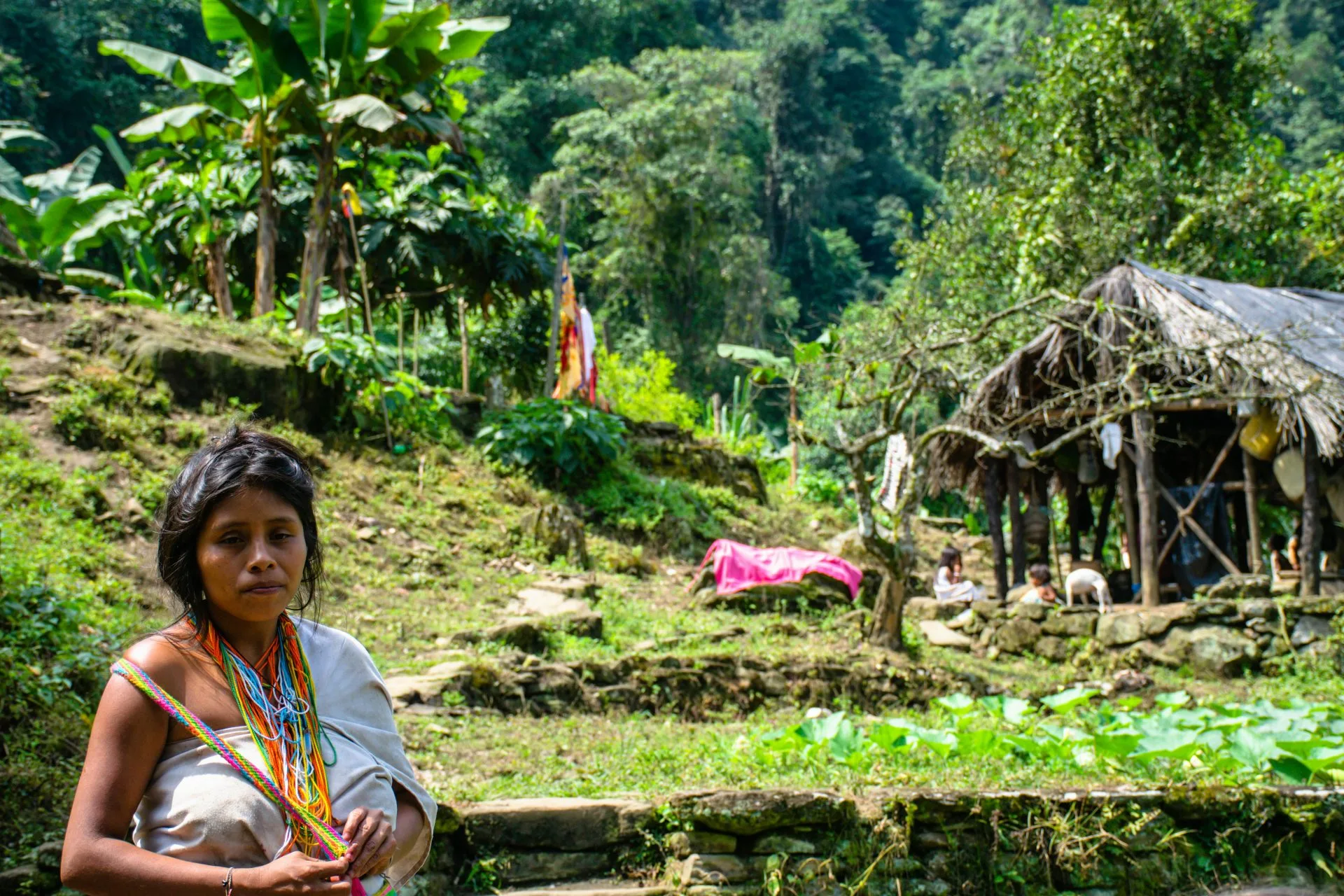
This article examines the worsening humanitarian situation faced by Indigenous peoples in Colombia amid escalating armed conflict and political instability. It highlights mass displacement, confinement, targeted killings of Indigenous leaders, forced recruitment of children, and the disproportionate impact of violence on Indigenous and Afro-descendant communities. The article also discusses the role of armed groups, extractive industries, and weak implementation of legal protections in perpetuating the crisis.
Man in protest holding Venezuela flag
Article

Venezuela, on the Treshold of a New Era

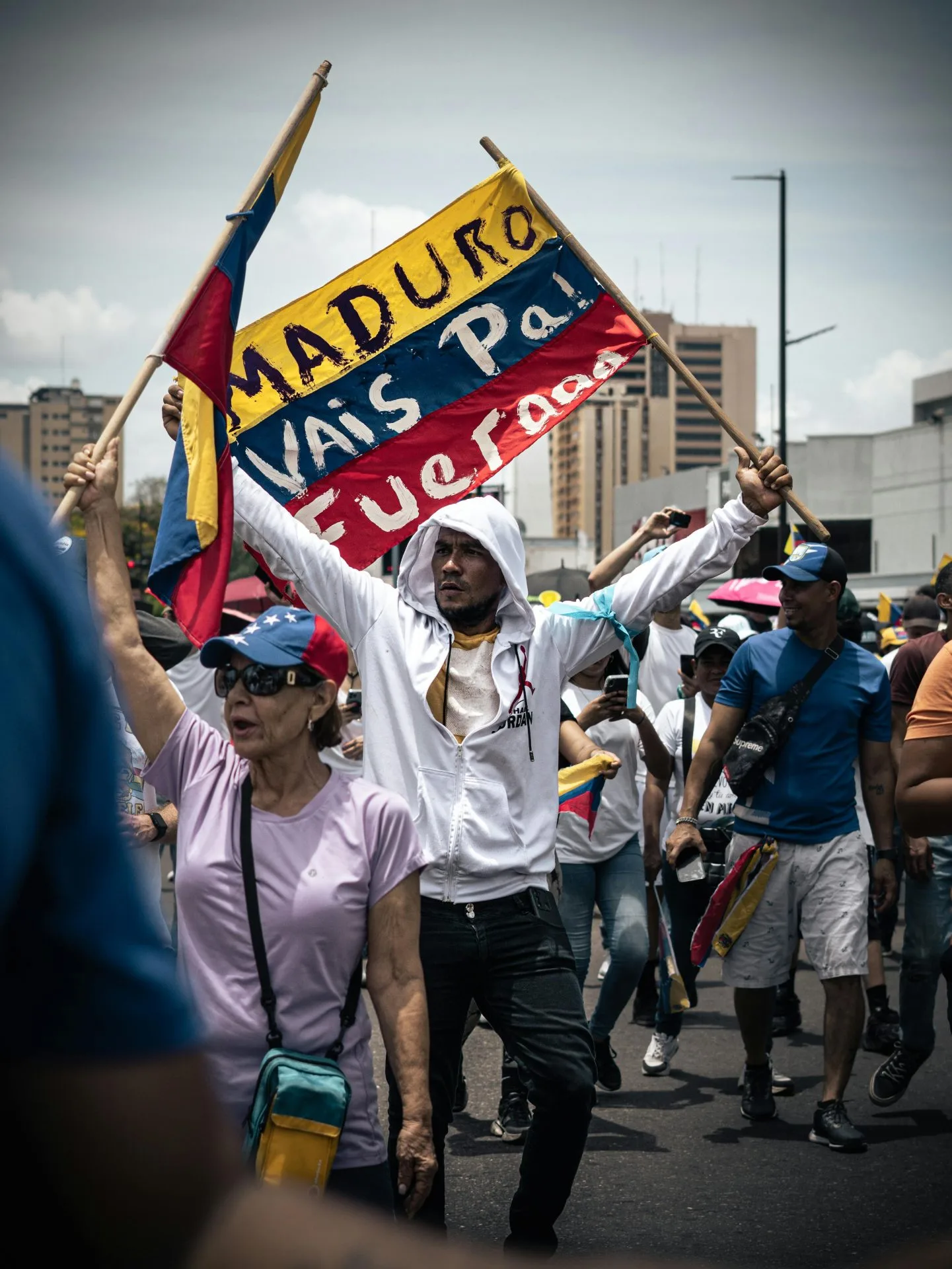
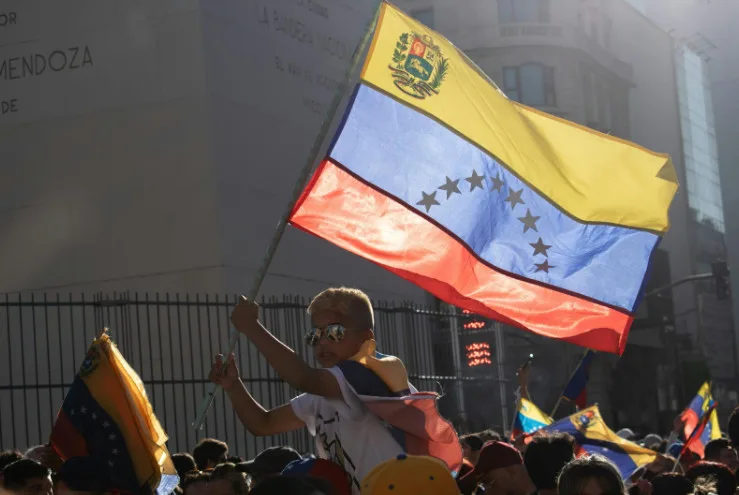
This article examines whether the U.S. military operation leading to the capture of Nicolás Maduro can be reconciled with the fundamental principles of international law, and why, even if it cannot, mechanisms of accountability remain largely ineffective and unlikely to be used.

© European Union, 2025.
Press release

EU–Latin America Trade: Where Key Agreements Stand in 2026

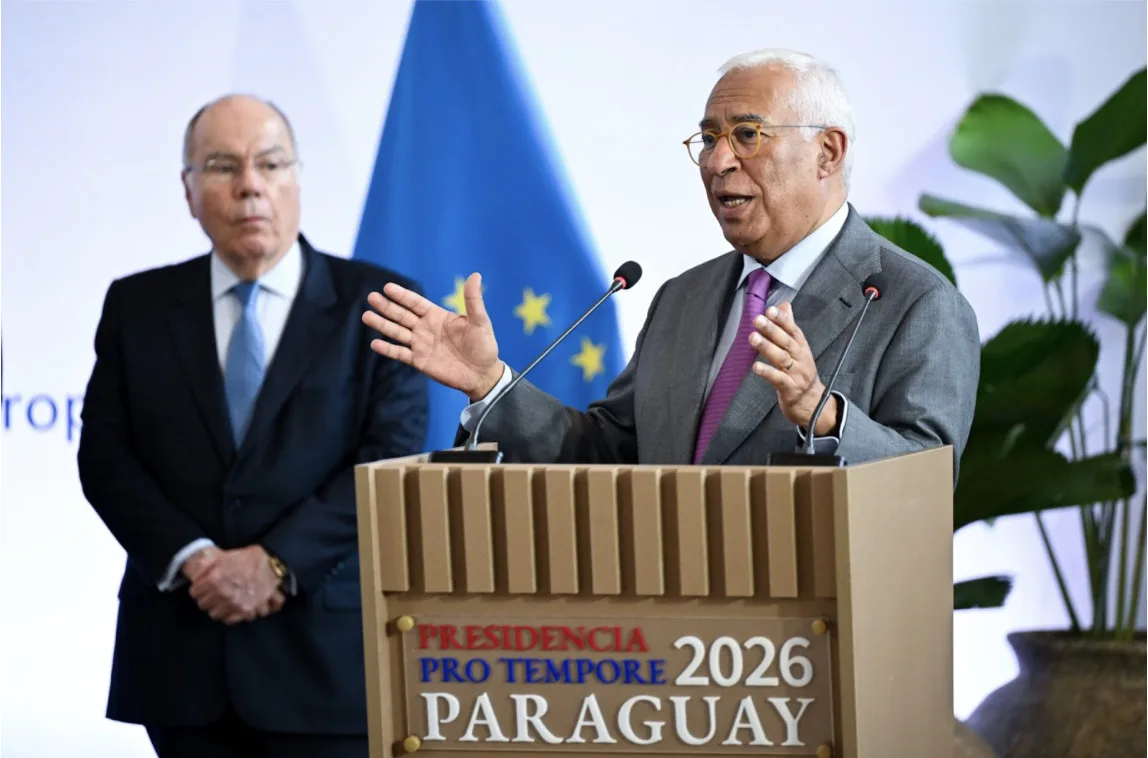
Members of the European Commission conducted a Civil Society Dialogue to inform civil society about the state of play of the European Union trade relations with the Latin American and Caribbean region. Led by the Head of Unit TRADE D2, Mr Paolo Garzotti, the dialogue led to a discussion on the latest conclusion of the EU-Mercosur and EU-Mexico agreements, evaluating the implementation and ratification timelines. The European Parliament resolution to suspend the Mercosur agreement, and the examined conditions affecting political rights, lack of bindingness, and environmental standards, highlights critical gaps in contexts of governance crisis.

Article

Positive Complementarity of the ICC vis-à-vis the real complementarity of Civil Society Organisations in ensuring justice in Venezuela

In Venezuela, the promise of international justice has collided with the harsh realities of a state unwilling to hold perpetrators accountable. While the ICC relies on the principle of positive complementarity, its impact has been limited by political obstruction and a weakened judiciary. In contrast, civil society organisations have stepped into the void, documenting abuses, advocating for victims, and ensuring that justice reaches those most affected. In this sense, CSOs embody a form of “real complementarity,” transforming international legal frameworks into tangible pathways for accountability on the ground.

6th GHRD International Film Festival: Human Trafficking Edition
Submission Deadline: 9th August 2026