Monthly Research Reports

Corporate Accountability for Gender-Based Human Rights Violations in South and East Asia: The Role of International Standards and Local Compliance

Gender-based violence (GBV) and discrimination within corporate supply chains and workplaces remain a critical and under-addressed human rights issue in South and East Asia. From garment factories in Bangladesh to electronics assembly lines in Malaysia and agricultural plantations in the Philippines, women and gender minorities frequently experience harassment, unsafe working conditions, unequal pay, and restricted access to justice. Multinational corporations (MNCs), local businesses, and subcontractors often operate in environments where legal protections for women are weak, poorly enforced, or undermined by corrupt and patriarchal systems. In many cases, economic dependency, fear of retaliation, and the absence of grievance mechanisms prevent victims from reporting abuse.
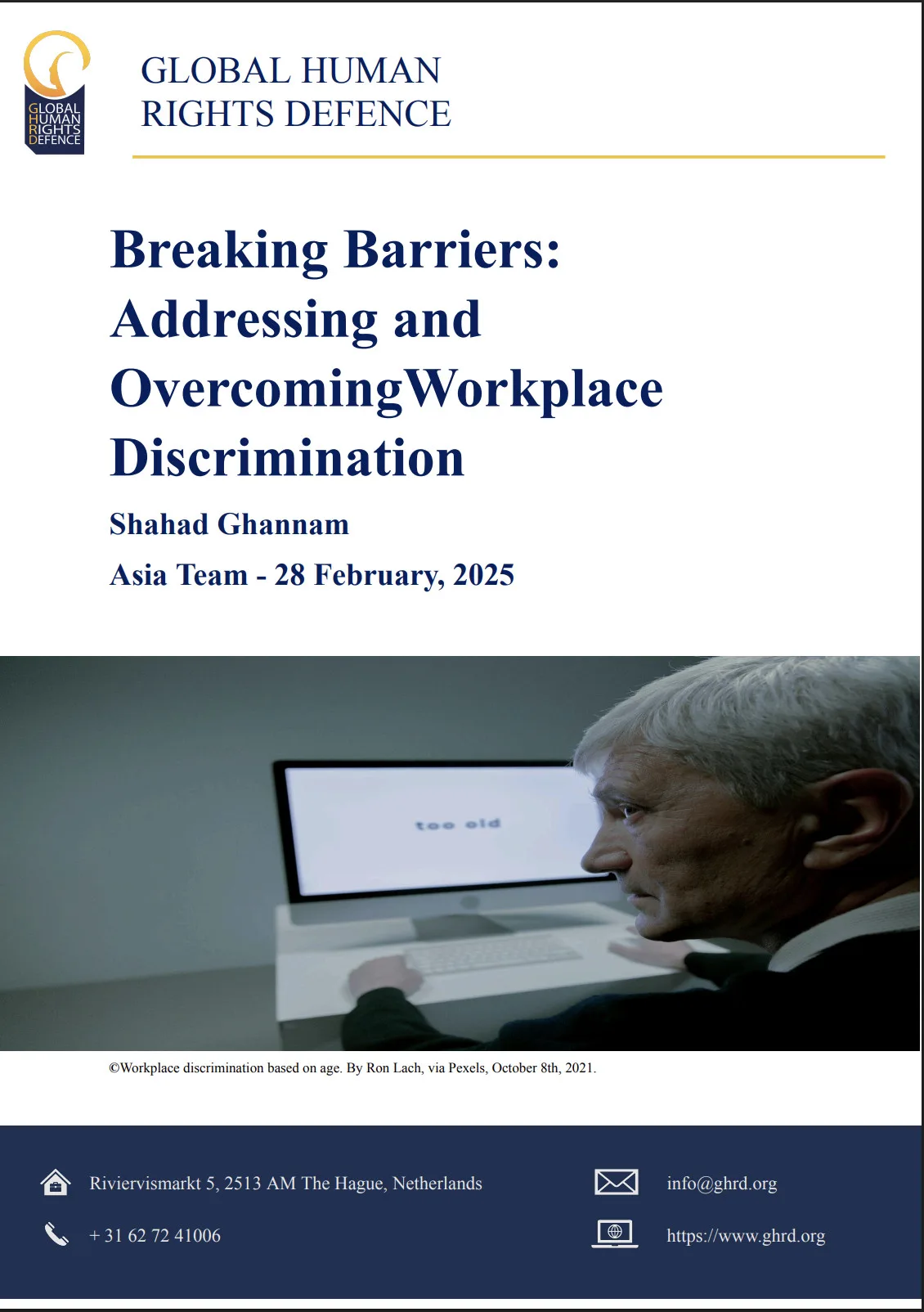
Breaking Barriers: Addressing and Overcoming Workplace Discrimination

Workplace discrimination remains a persistent challenge across industries, affecting employees’ rights, well-being, and professional opportunities. Despite legal frameworks designed to prevent discrimination, individuals continue to face unequal treatment based on factors such as age, gender, race, disability, and sexual orientation. These discriminatory practices not only violate fundamental rights but also create barriers to career progression, fair compensation, and workplace inclusion. Addressing these issues is not just a matter of legal compliance but an essential step toward fostering a work environment that is diverse, fair, and equitable.

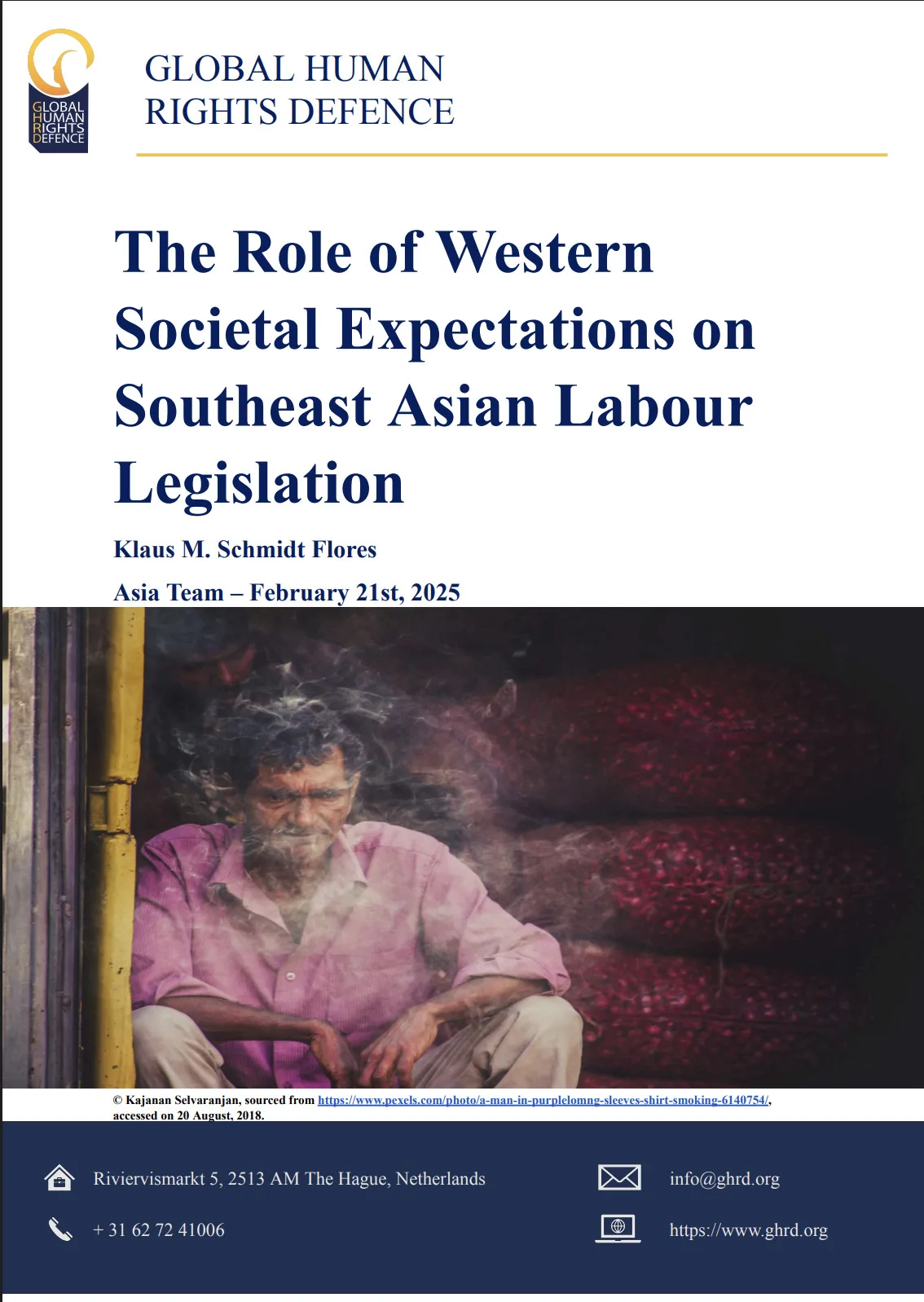
The Role of Western Societal Expectations on Southeast Asian Labour Legislation

Throughout recent history, Western societal expectations have increasingly influenced labour market standards in Southeast Asia. Western nations utilise the implementation of trade agreements, chain demands, and consumer activism practices to promote their industry expectations. With this, prioritising protecting human rights and implementing corporate social responsibility customs, enforcing ethical labour practices.

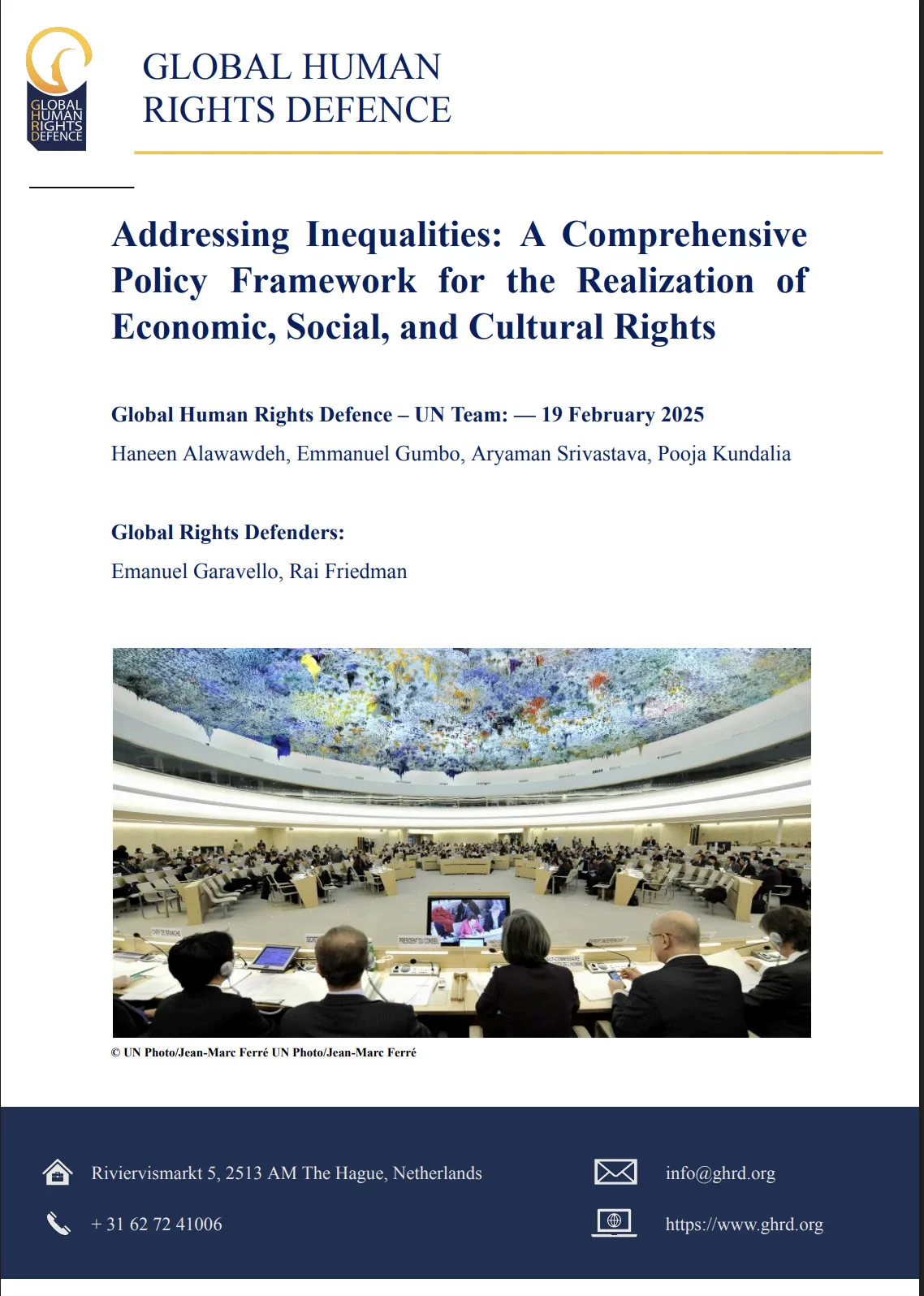
Addressing Inequalities: A Comprehensive Policy Framework for the Realization of Economic, Social, and Cultural Rights

In today’s rapidly evolving global landscape, realising economic, social, and cultural rights (ESCR) is essential for ensuring that individuals and communities can live with dignity. ESCR encompasses access to education, healthcare, adequate housing, decent work, and the enjoyment of cultural life. When effectively upheld, these rights not only alleviate hardships associated with poverty and social exclusion but also create an environment conducive to diversity and innovation.

Japan’s Evolving Immigration Policies: Addressing Labour Shortages and Upholding Human Rights

Japan is confronting a profound demographic crisis characterised by an ageing population and declining birth rates. As of 2024, approximately 30 percent of Japan’s population is aged 65 or older, making it one of the world’s oldest societies. The total fertility rate remains at 1.26 children per woman, far below the replacement level of 2.10. These demographic shifts have resulted in critical labour shortages across various industries, and raised concerns about the nation’s economic sustainability.

This report examines Japan’s evolving immigration policies in response to these demographic challenges, focusing on the human rights implications for foreign workers. It explores the historical restrictions on immigration, recent policy reforms, their impact on key industries, and the ongoing human rights concerns arising from these changes. Additionally, it assesses government initiatives supporting foreign workers, the challenges in enforcing labour protections, and Japan’s future immigration outlook.

In recent years, Japan has gradually transitioned toward a more open immigration policy to address labour shortages. The abolition of the Technical Intern Training Program (TITP) in 2024 marked a significant shift, highlighting the government’s response to domestic and international criticism regarding human rights violations. However, while reforms are being implemented, ensuring that foreign workers receive adequate protections remains a pressing concern.

Balancing Borders and Rights: Evaluating EU-Tunisia Migration Agreements and Future Implications

The European Union and Tunisia have maintained close political, economic, and diplomatic relations for decades, shaped by historical ties, geographical proximity, and shared strategic interests. Following its independence from France, Tunisia progressively strengthened its relations with the EU’s precursor, the European Economic Community. Tunisia was also the first Mediterranean country to sign an Association Agreement with the EU in 1995.

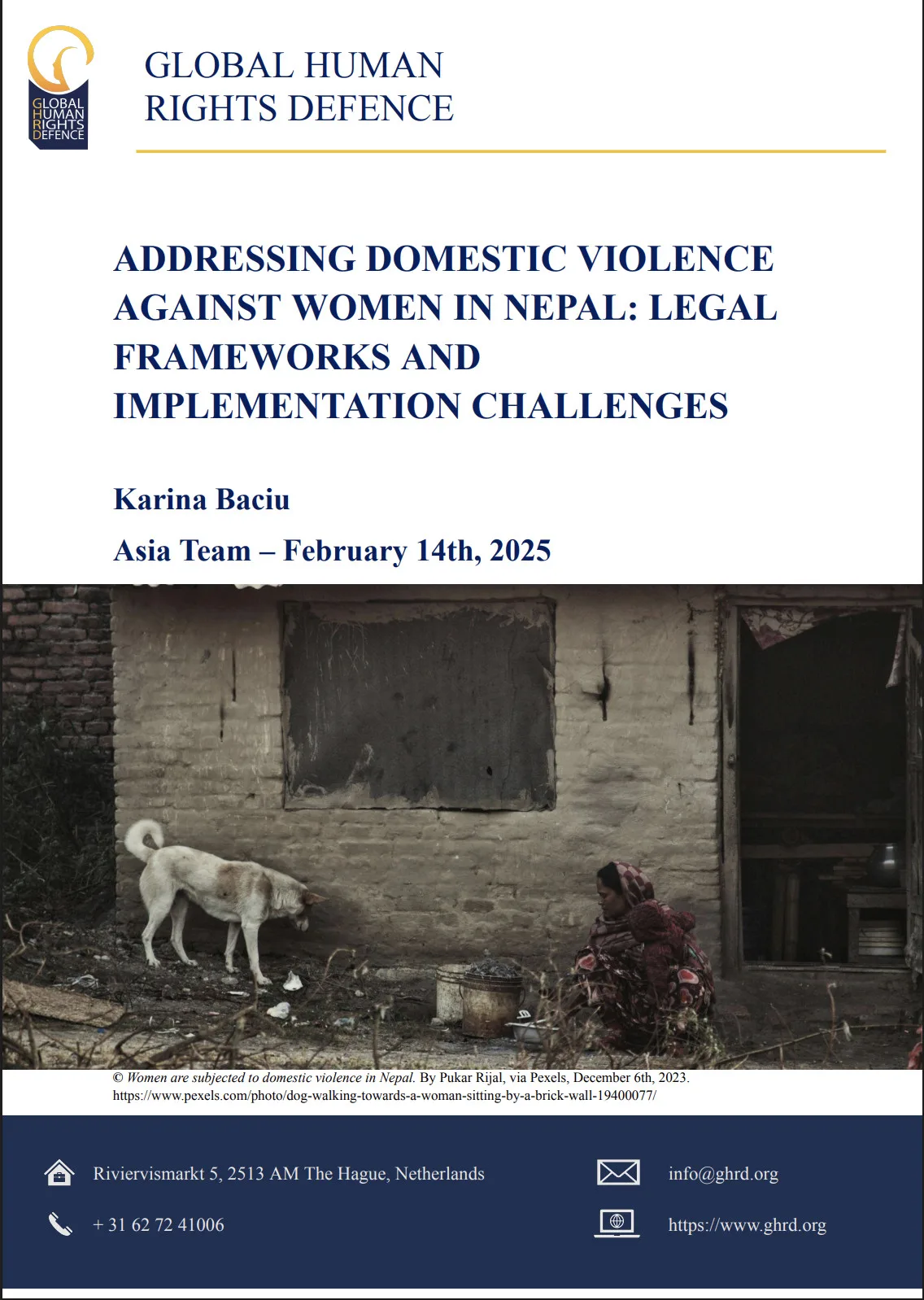
Addressing Domestic Violence Against Women in Nepal: Legal Frameworks and Implementation Challenges

Domestic violence against women remains one of Nepal’s most pervasive human rights violations, deeply embedded within social, cultural, and institutional structures. According to Nepal’s 2022 Demographic and Health Survey, nearly 33 percent of women have experienced physical or sexual violence in their lifetime, with domestic violence being the most prevalent form. Despite increased legal protections, including Nepal’s ratification of international human rights treaties and the establishment of national laws such as the Domestic Violence (Crime and Punishment) Act 2009, implementation gaps continue to allow perpetrators to act with impunity. Many cases go unreported due to fear of retaliation, social stigma, or lack of faith in law enforcement, leaving victims without recourse. The justice system is further hindered by weak enforcement mechanisms, a lack of institutional support, and minimal rehabilitation services for survivors.

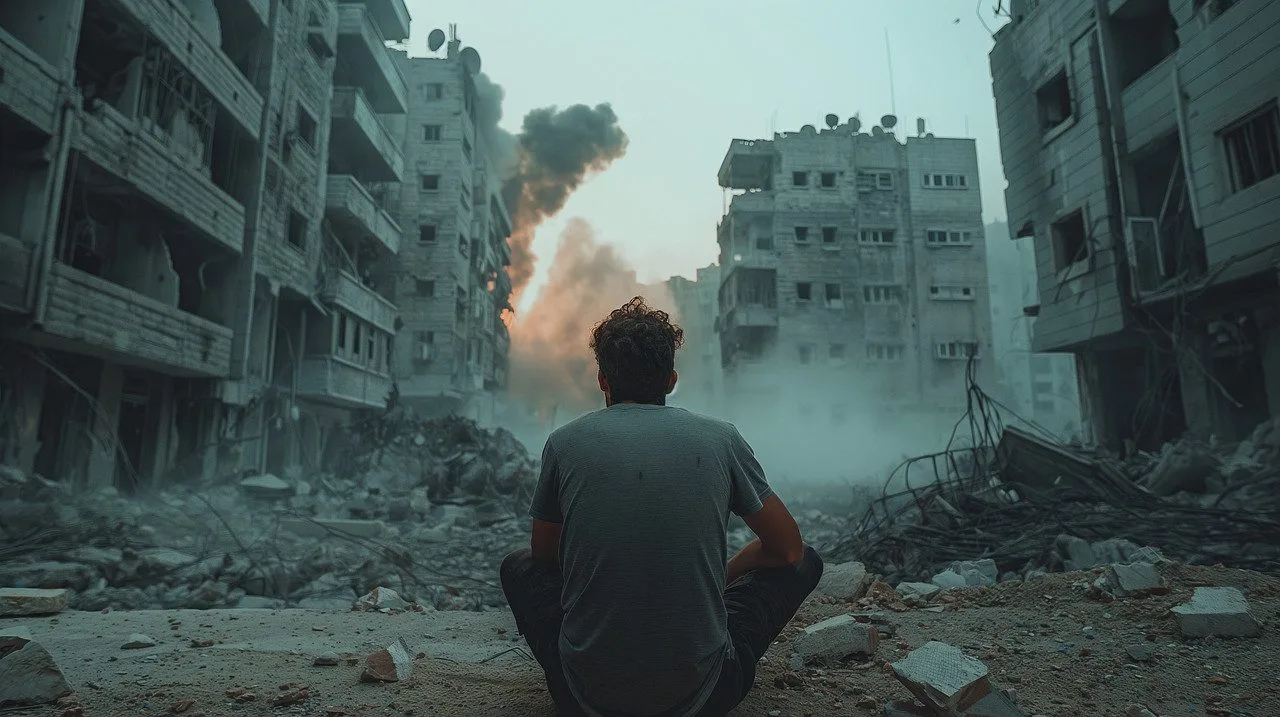
The Consequences of Statelessness in the Case of Isreal and Palestine

Statelessness is, at its heart, the condition of individuals who have no legal recognition or protection from any country. Without formal citizenship, they often find themselves unable to access vital services like proper healthcare and schooling and barred from lawful employment or the freedom to travel. Globally, around 4.4 million people are believed to experience statelessness, although the actual figure could be higher due to data shortfalls. It helps to remember that these individuals differ from refugees, who retain a home nation but flee due to threats or persecution. Meanwhile, treaties such as the 1961 Convention on the Reduction of Statelessness aim to prevent and resolve the issue, but inconsistent enforcement leaves many without recourse.

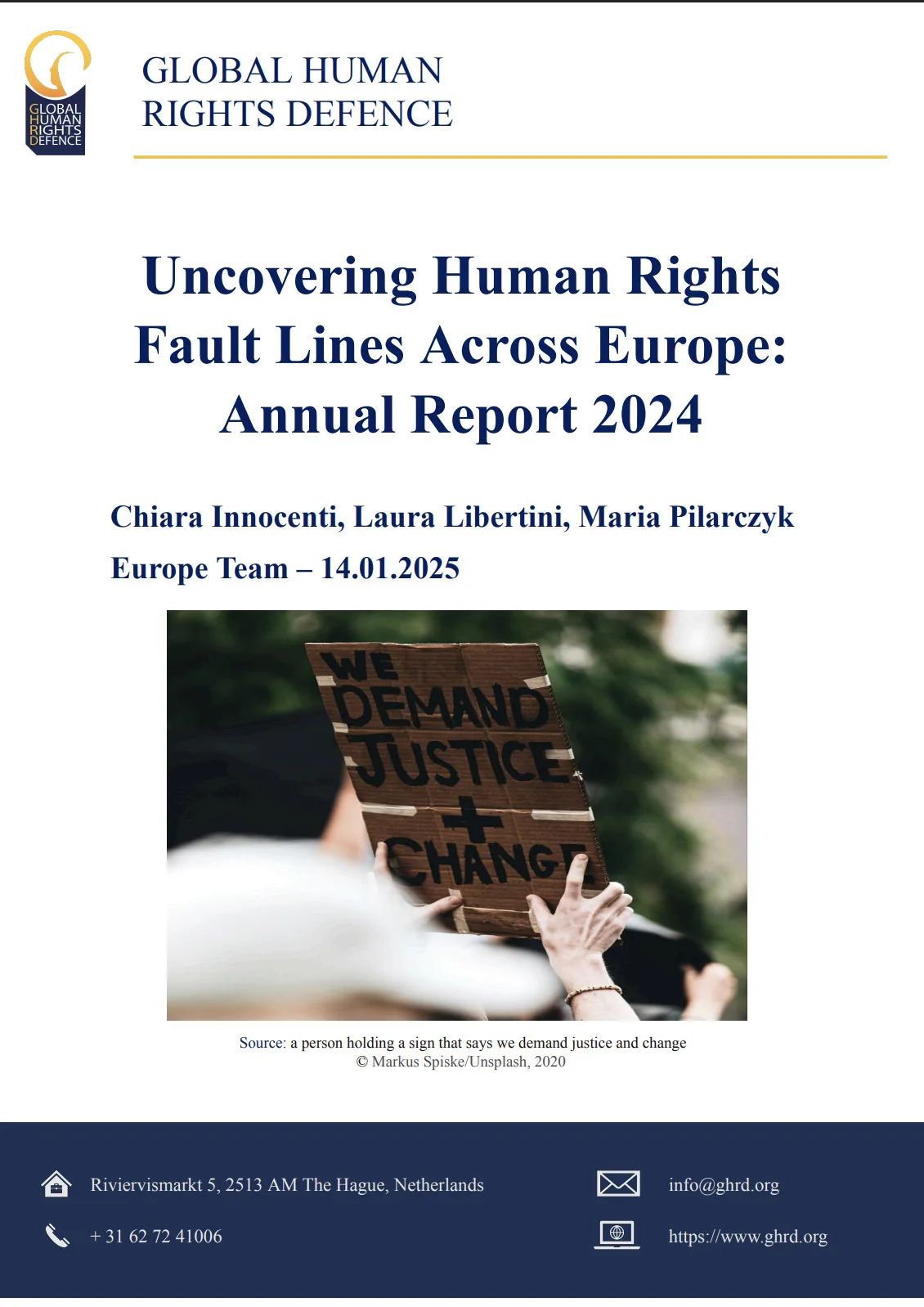
Uncovering Human Rights Fault Lines Across Europe: Annual Report 2024

In this report, we will address the major human rights issues and key facts related to Europe, providing an in-depth analysis of the region’s diverse human rights landscape. The report is structured into sections corresponding to different European regions: Central-Western, Eastern, Southern, and Northern Europe. Not all countries are included, as some were excluded due to the lack of relevant human rights issues or notable facts pertaining to them.

6th GHRD International Film Festival: Human Trafficking Edition
Submission Deadline: 9th August 2026