Monthly Research Reports

Child Recruitment by Armed Groups in Yemen

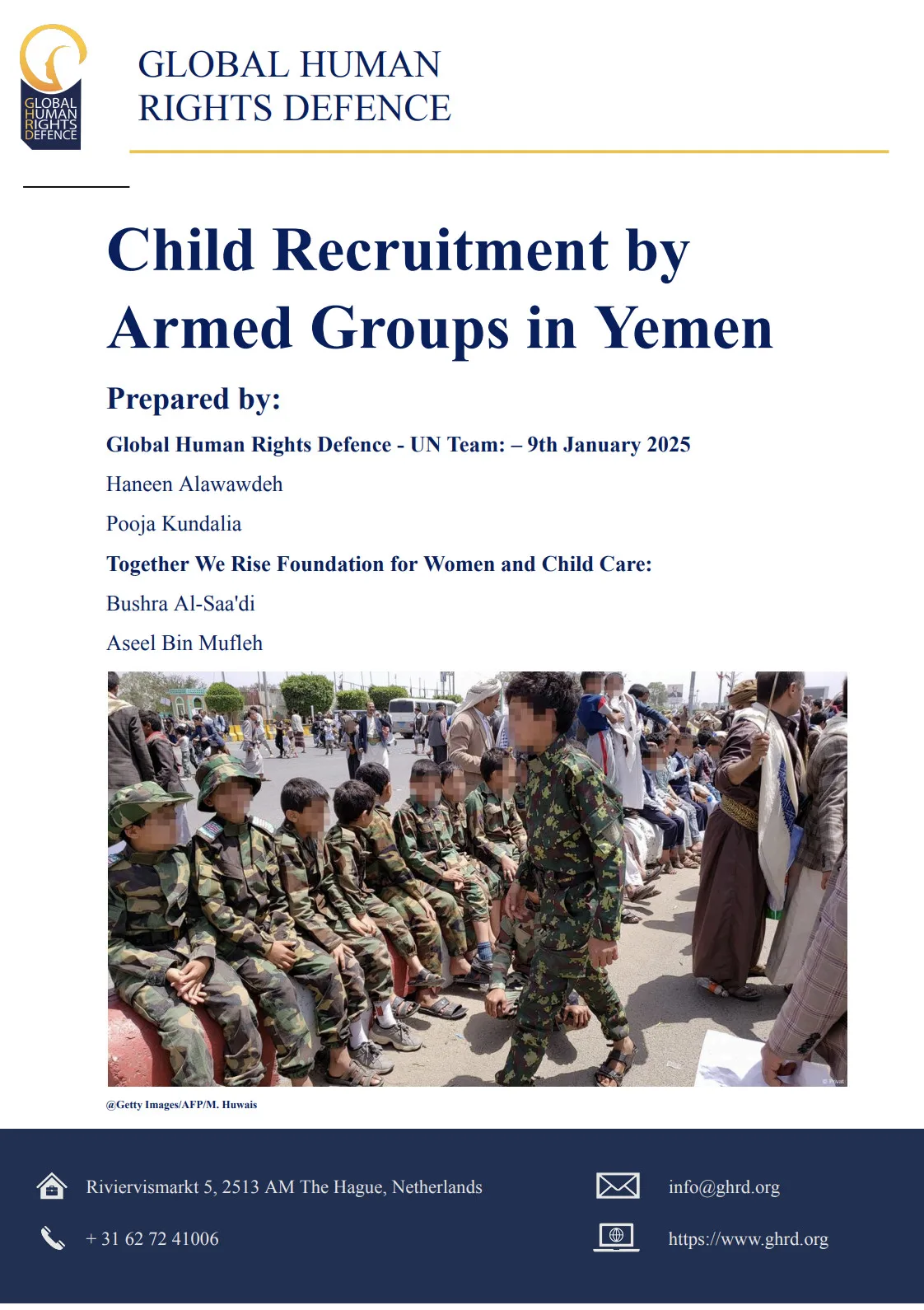
The ongoing conflict in Yemen has precipitated a grave humanitarian crisis, with children suffering some of the most severe consequences. Among the most alarming violations is the recruitment of children by armed groups, including the Houthis, government forces, Al-Qaeda, and the Southern Transitional Council (STC). This practice not only robs children of their childhood but also exposes them to violence, exploitation, and profound psychological trauma. This report will explore the nature and extent of these violations, the specific abuses faced by children, the barriers to effective protection, and provide recommendations for strengthening accountability and safeguarding the rights of vulnerable children in Yemen.

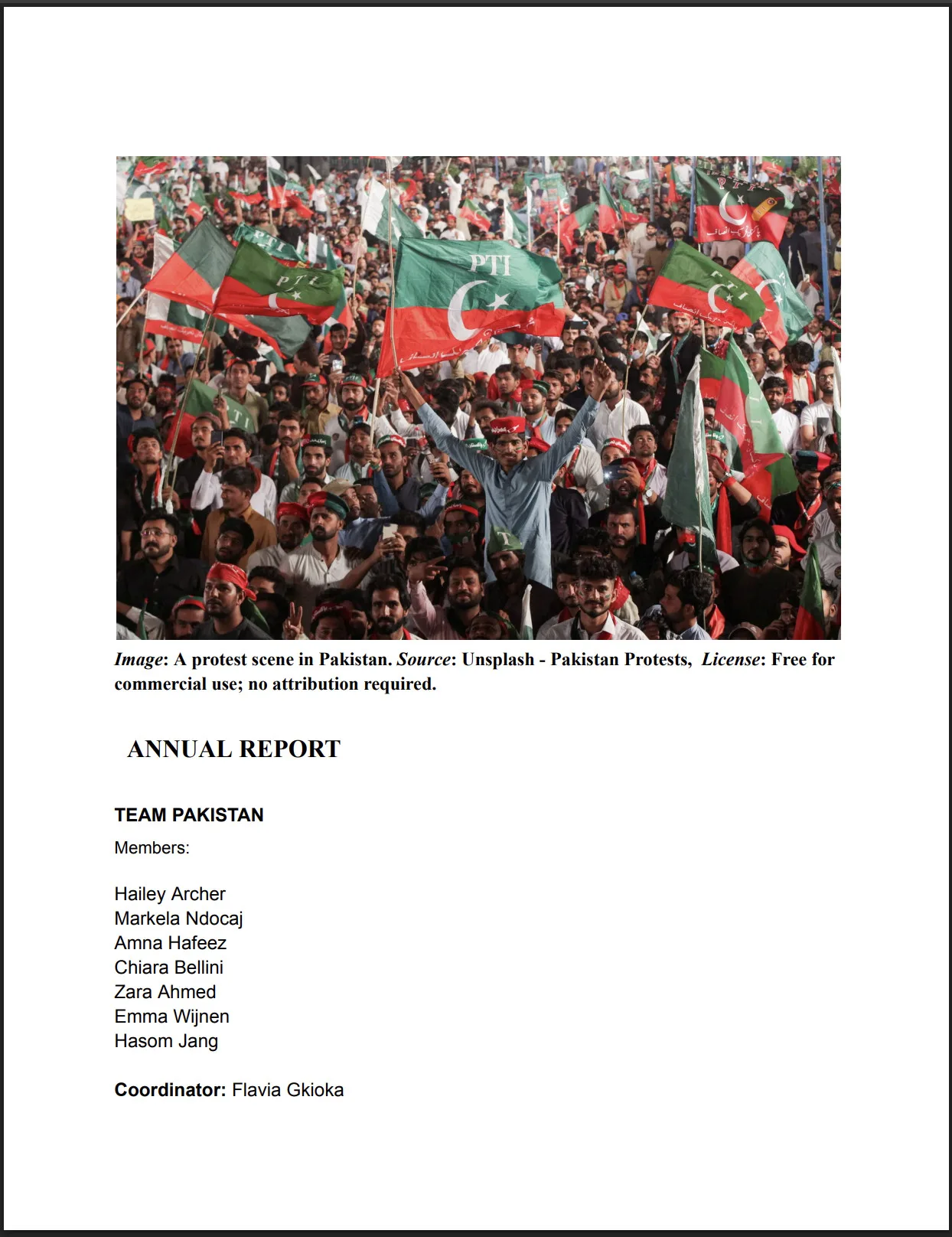
Annual Report 2024

This report is structured chronologically, providing a month-by-month analysis of key events. Each section examines the most prominent incidents of the respective month, their broader implications, and the responses from domestic and international actors. It also discusses wide themes, such as political instability, environmental crises, and systemic challenges, to offer a comprehensive view of Pakistan’s complicated year.

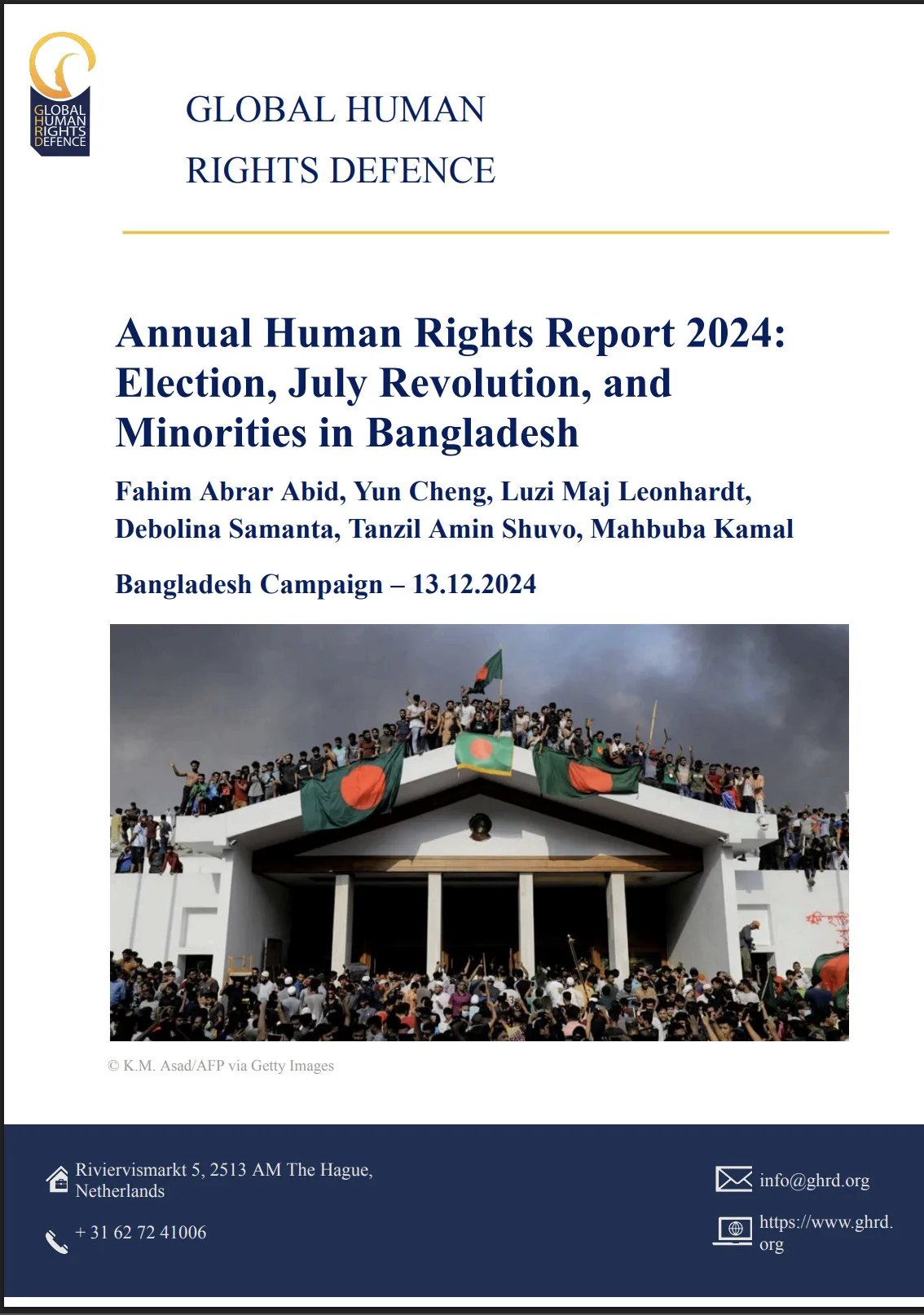
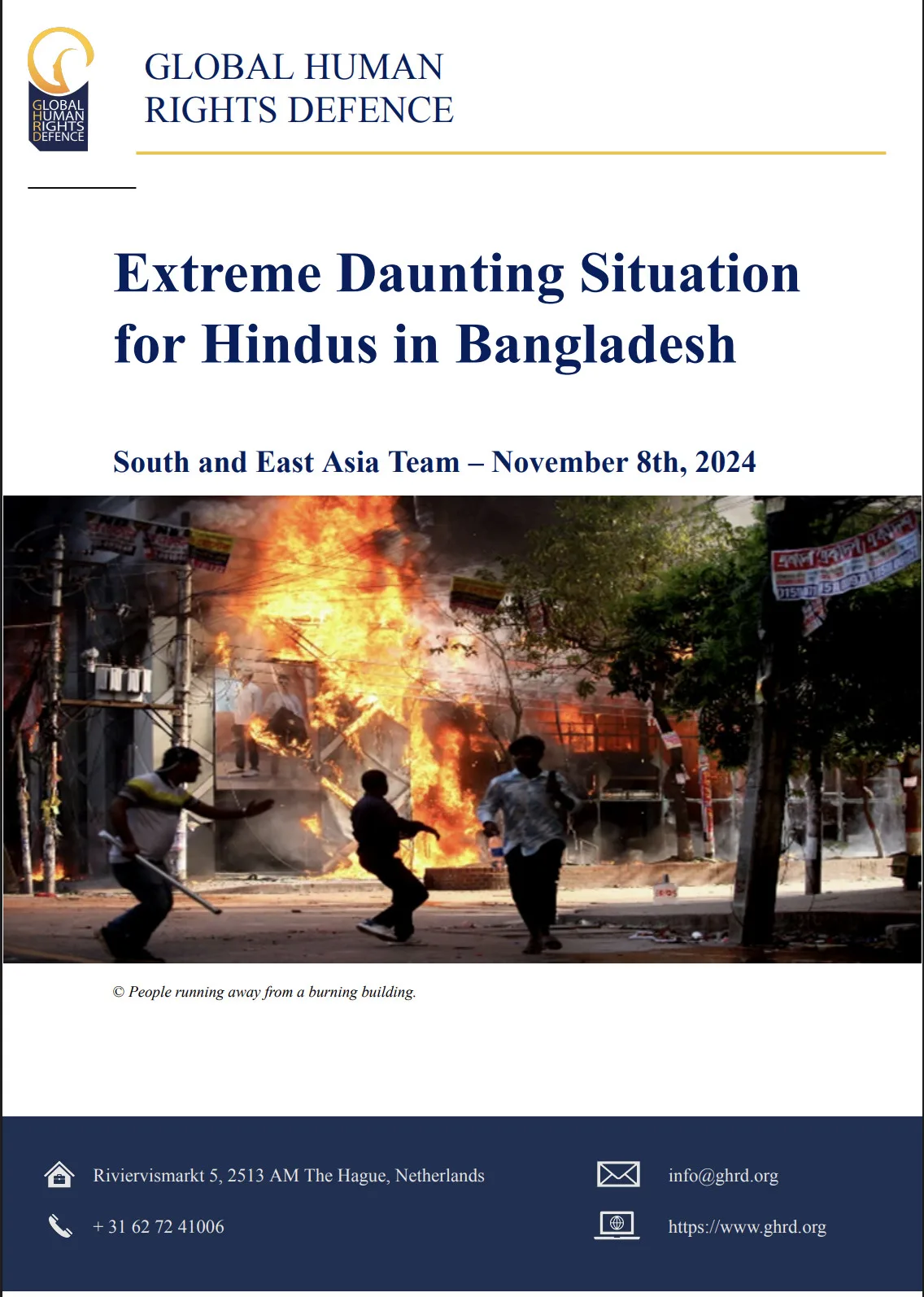
Annual Human Rights Report 2024: Election, July Revolution, and Minorities in Bangladesh

While an interim government led by the Nobel Laureate Dr Yunus was formed, attacks on minorities took place since the day of Hasina’s fleeing. These attacks include
political as well as religious extremist agendas. Although the interim government tried to control the situation, urging everyone to maintain harmony, the four-month ruling of this government has witnessed at least two big incidents in the country concerning minority rights protection. Among them, one is surrounding the indigenous minority living in the Chittagong Hill Tracts, often a victim of military intervention coupled with Bengali settlers, and the other one is centring the Hindu religious minority following the arrest of one of their religious leaders on sedition charges. This report will highlight all three major events that demonstrated human rights violations.

Justice for International Crimes: Unpacking the History, Cases, and Controversies of the International Crimes Tribunal of Bangladesh

The International Crimes Tribunal of Bangladesh (ICT) was established in 2009 with the aim of prosecuting individuals accused of committing war crimes, crimes against humanity, and other atrocities during the 1971 Bangladesh Liberation War. The tribunal operates under the framework of the International Crimes (Tribunals) Act 1973, a law passed shortly after Bangladesh’s independence but left largely dormant for decades. Revived amidst growing demands for justice from survivors and victims’ families, the ICT sought to address the impunity long enjoyed by those accused of collaborating with the Pakistani military in perpetrating widespread violence, including mass killings, sexual violence, and forced displacements.

While the ICT is widely regarded within Bangladesh as a long-overdue attempt to provide justice for the victims of 1971, it has also been the subject of significant domestic and international scrutiny. Supporters highlight its role in acknowledging historical atrocities and delivering some measure of accountability after decades of inaction. However, critics argue that the tribunal has been marred by procedural shortcomings, allegations of bias, and accusations of political interference, particularly in cases involving opposition political figures. Concerns about fair trial standards and the tribunal’s adherence to international legal norms have further complicated its legacy.

This report examines the ICT’s historical context, current status, and the challenges it has faced, both in its legal procedures and its broader political implications. It also evaluates some of the tribunal’s most prominent judgements, analyzing their significance and the debates they have sparked. By exploring these facets, the report provides a comprehensive overview of the ICT’s complex and contested role in Bangladesh’s pursuit of justice and reconciliation.

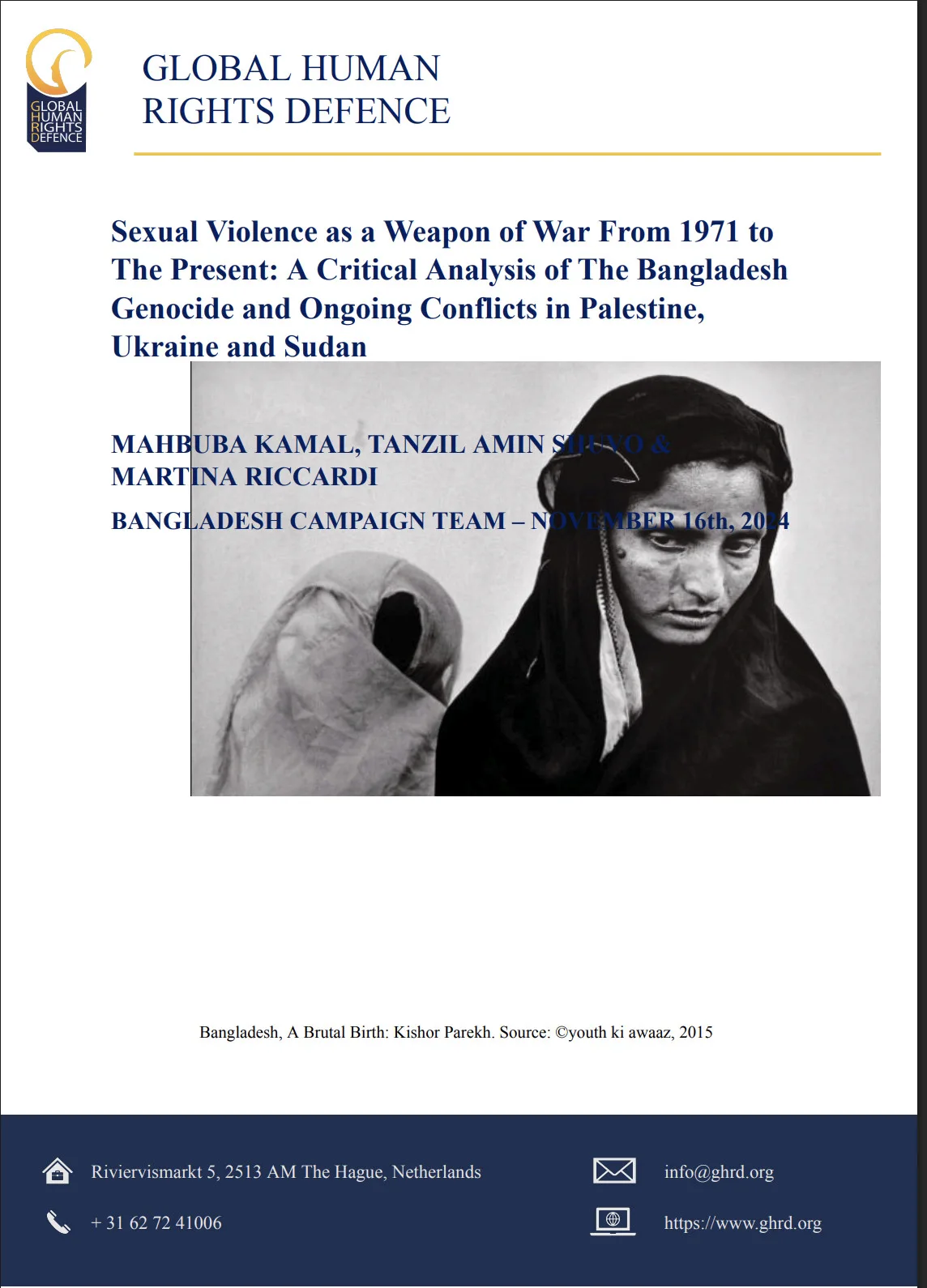
Sexual Violence as a Weapon of War From 1971 to The Present: A Critical Analysis of The Bangladesh Genocide and Ongoing Conflicts in Palestine, Ukraine and Sudan

Sexual violence has emerged as one of the most horrific atrocities during conflicts around the world. Despite being explicitly prohibited by international human rights, humanitarian, and criminal law, it continues to be used as a weapon of war, underscoring its devastating impact across history. It is not only used as an act of terror and a form of reward during wartime but also a strategy to move opponents off the land and shame them. It serves not only as an instrument of terror and control but also as a means to displace populations and inflict deep psychological and social harm on communities. During the 1971 Bangladesh genocide, the Pakistani Army systematically raped and sexually abused Bengali women as part of a broader strategy of subjugation.

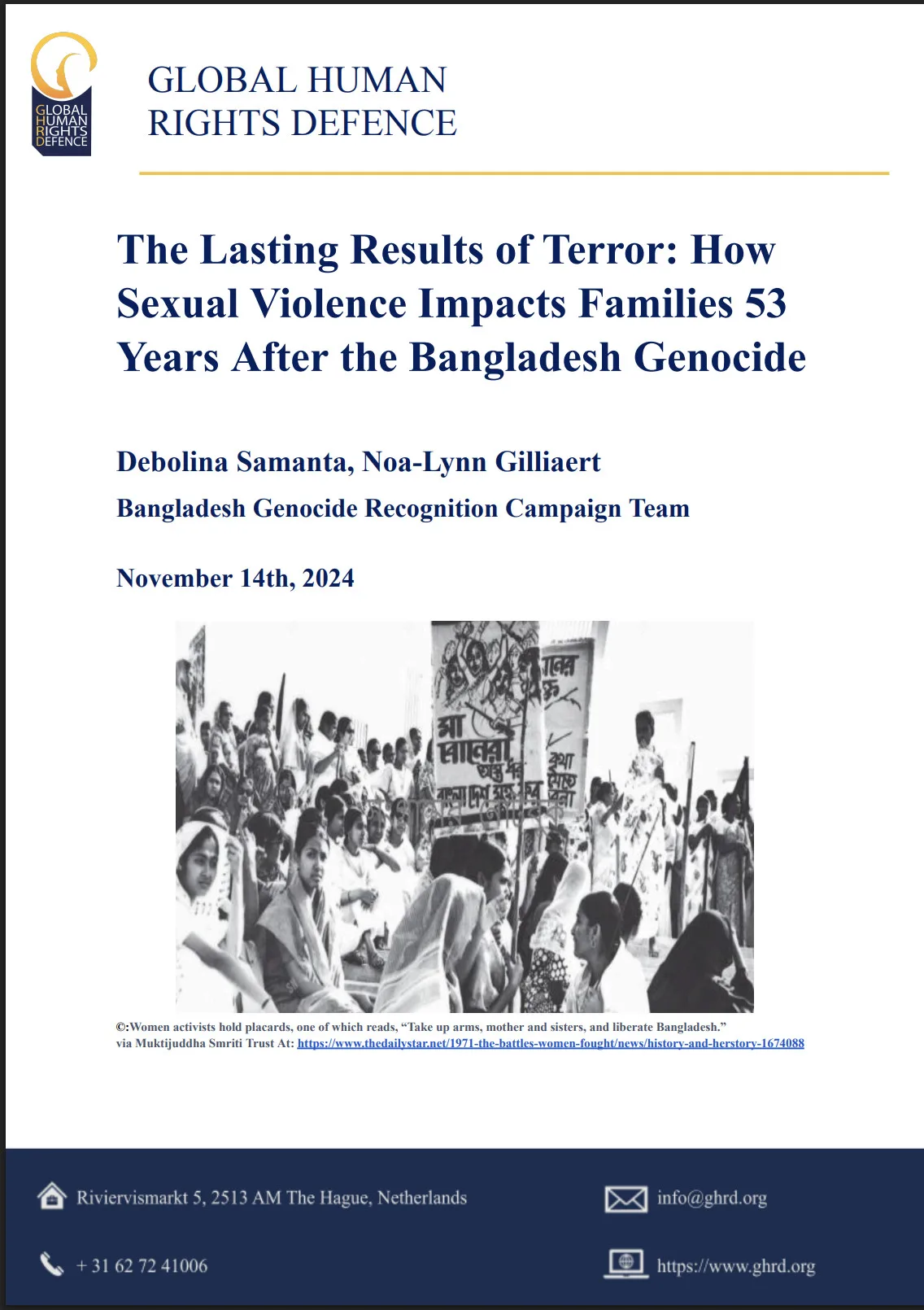
The Lasting Results of Terror: How Sexual Violence Impacts Families 53 Years After the Bangladesh Genocide

This report will address the historical context, and long-term consequences of the wartime crimes that have impacted Bangladesh’s family dynamics, social norms, and gender relations. Furthermore, it will examine the international legal framework, particularly human rights laws, and how it has evolved to recognise rape as a war crime, including remedies and support systems for sexual violence survivors in Bangladesh (EFSAS, 2021).

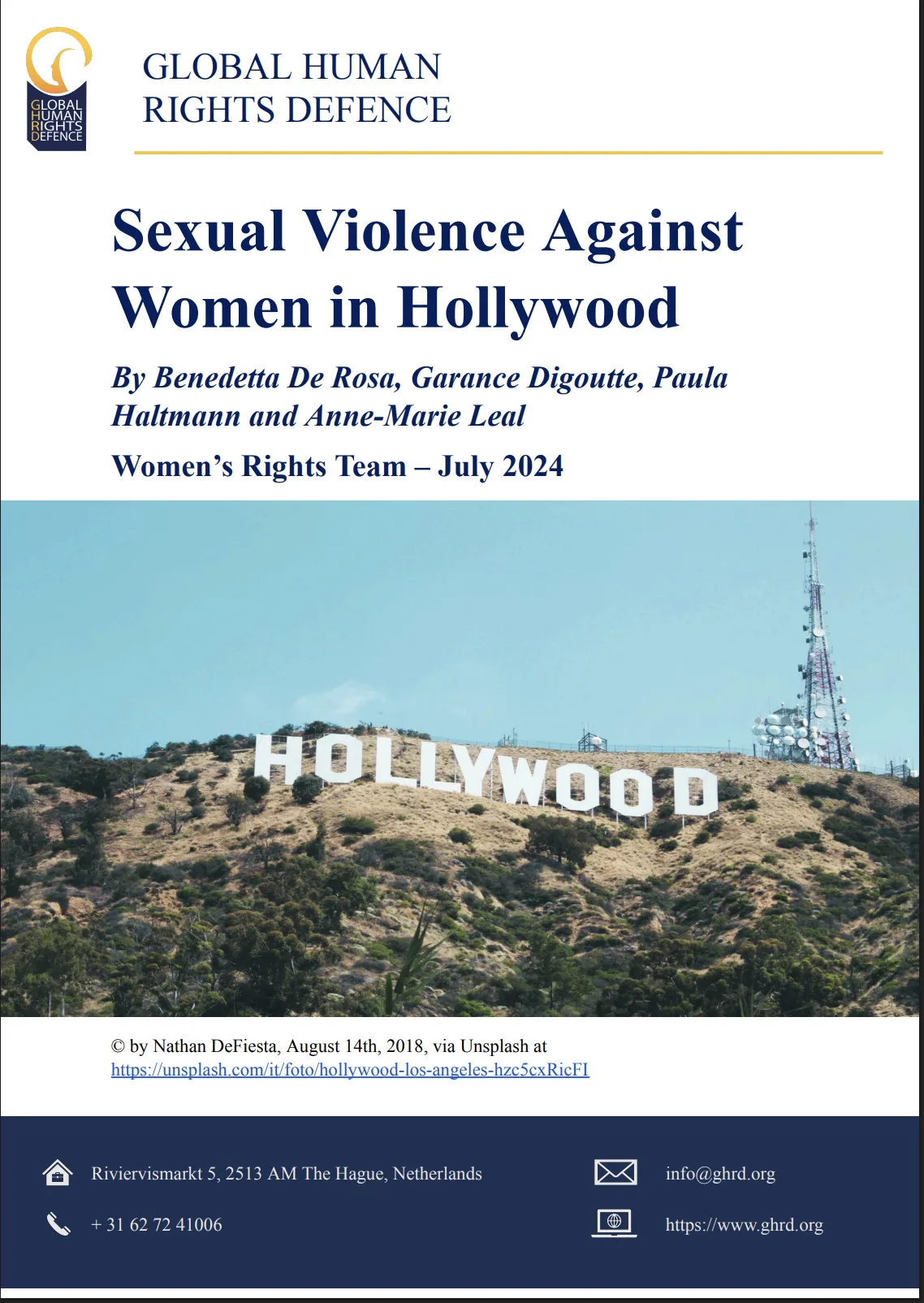
Sexual Violence Against Women in Hollywood

With the overturning of Harvey Weinstein’s conviction by the New York State Court of Appeal in April 2024, the words of hundreds of women who denounced the former film mogul for sex crimes are once again being questioned. In cases of violence against women, it is nothing new to discredit the testimonies of women victims of patriarchy, always favouring the perpetrator of the act who goes unpunished. In 2020, after the first verdict in the Weinstein case that found him guilty, it seemed that something had woken up globally, a collective consciousness about gender-based violence and its scope in every sphere of life.

Bangladesh Data

This report showcases the multitude of violence, disturbances, attacks, and vandalisms targeted towards the religious minorities living in Bangladesh and their respective livelihoods as well as their religious sites. Various perpetrators, such as terrorists, miscreants, and local thugs are present in targeting the minorities. The amount of incidents and attacks in Bangladesh is very alarming in combination with the frequency of these attacks. The following gives a detailed account of the incidents that have taken place for the victims in Bangladesh.

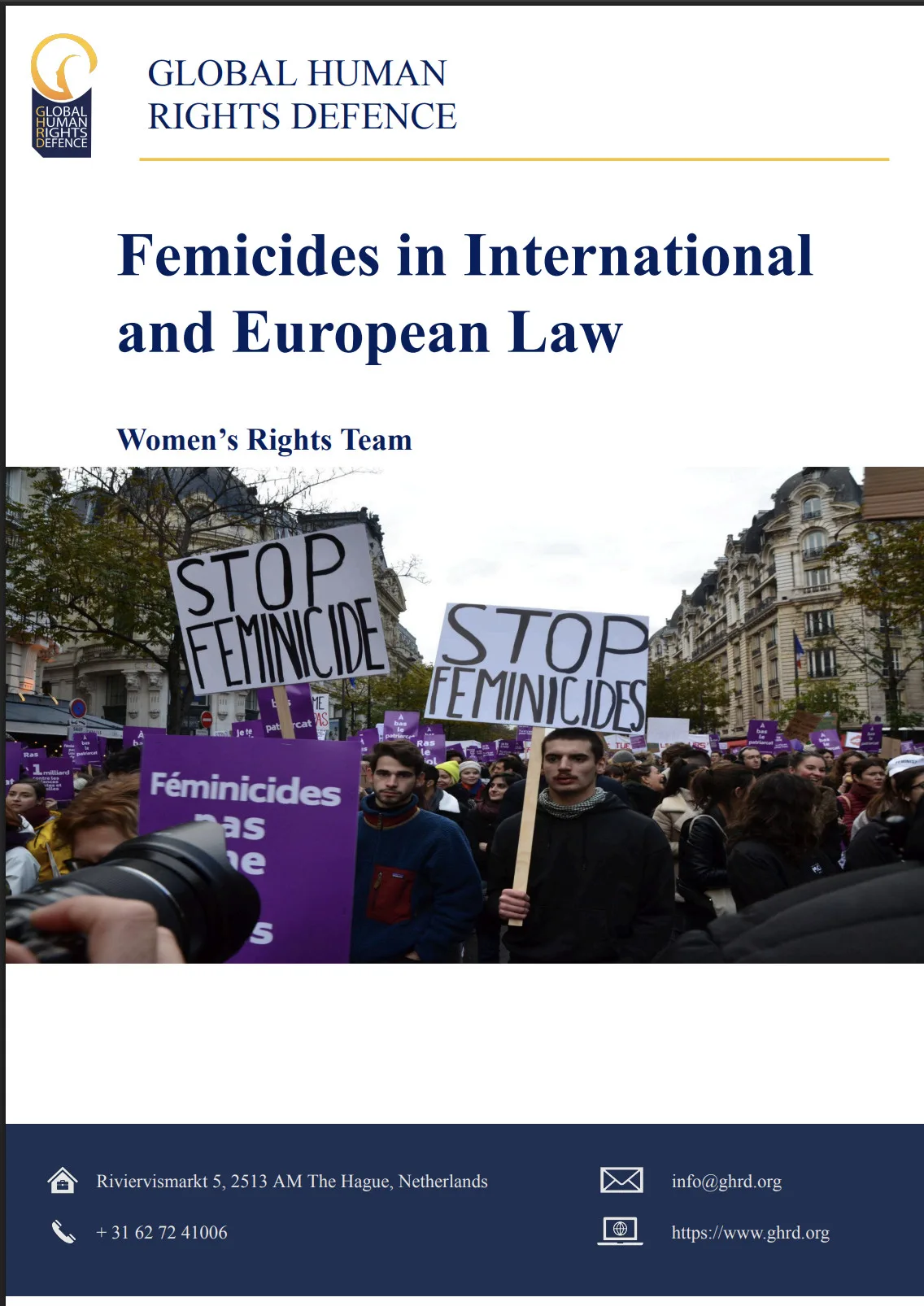
Femicides in International and European Law

This report focuses mainly on femicide in International and European law. Chapter One scrutinises the history of a phenomenon unmanned and the controversies around the naming of femicide. Chapter Two focuses on the categorisation of an intersectional phenomenon, in the continuum of violence. Chapter Three analyses the international instruments agreed norms and standards addressing violence against women, and especially femicide. Chapter Four examines one of the most famous cases regarding femicide, the Ciudad Juarez case. Chapter Five details the limits to the recognition of femicide. Finally, Chapter Six encompasses the measures around the prevention and repression of femicide.

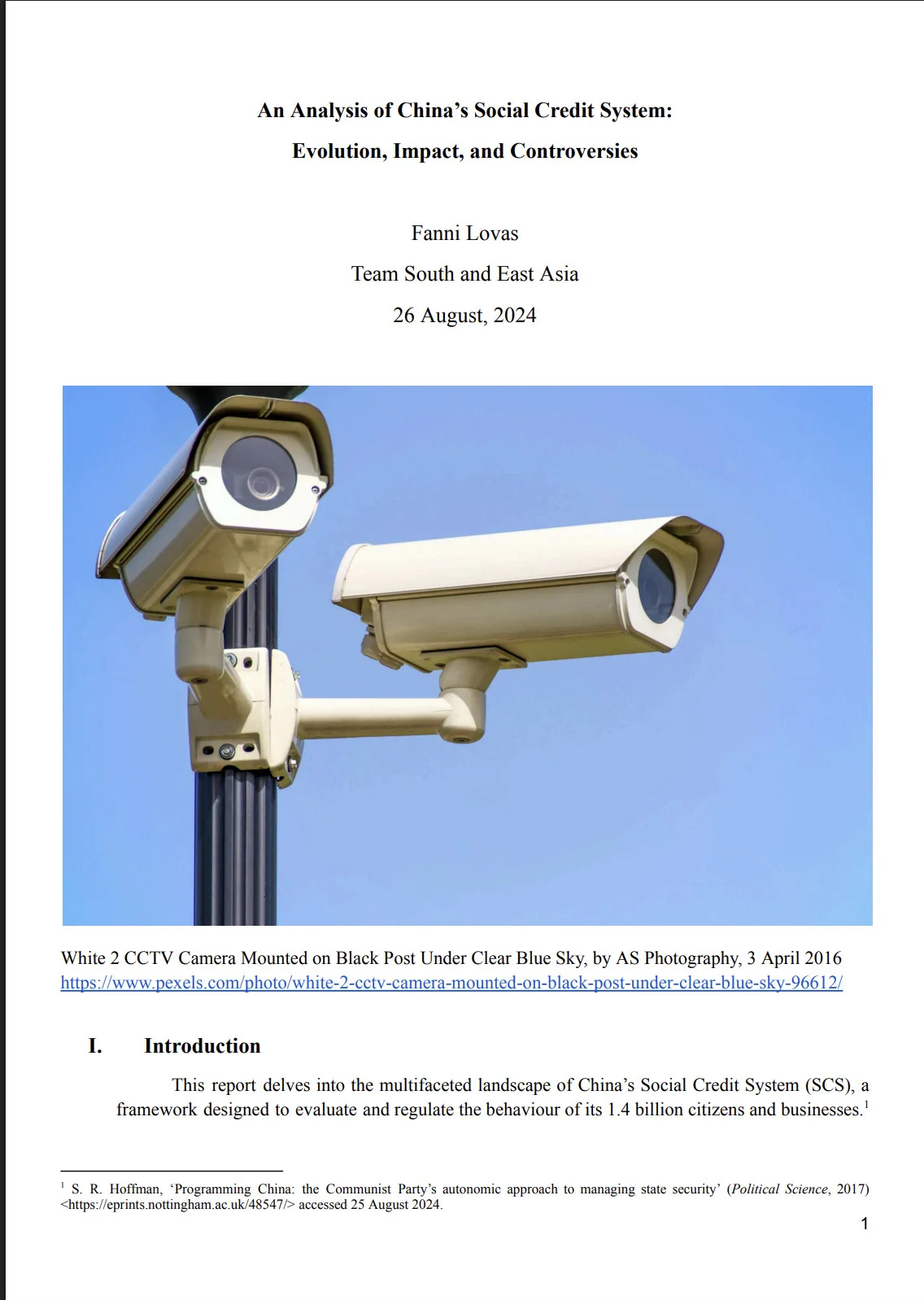
China’s Social Credit System

his report delves into the multifaceted landscape of China’s Social Credit System (SCS), a framework designed to evaluate and regulate the behaviour of its 1.4 billion citizens and businesses. Emerging from a historical backdrop dating back to the 1980s, the SCS highlights the Chinese government’s commitment to establishing trust and accountability across various sectors.

6th GHRD International Film Festival: Human Trafficking Edition
Submission Deadline: 9th August 2026