Monthly Research Reports

Comparative Analysis: The Bangladesh Genocide and Other Recognized Atrocities

The twentieth century, often referred to as “the bloodiest century in human history” (Forsythe, 1997; Akmam, 2002, p. 543), is also regarded by scholars as “an age of genocide” (Chalk & Jonassohn, 1990, as cited in Akmam, 2002, p. 543). However, despite their undeniable occurrence, many genocides are yet to be recognised. Since its formal adoption in 1948, the Convention on the Prevention and Punishment of the Crime of Genocide has officially recognised only three genocides: the Rwandan genocide of 1994, the Bosnian genocide of 1995, and the Cambodian genocide between 1975 and 1979.

Digital Sex Crimes; The example of South Korea

This report provides an overview of the types of online sex crimes, from cyberstalking to image-based sexual abuse, and the international legal frameworks developed to combat them. It explores key treaties such as the Convention on the Rights of the Child (CRC), the Budapest Convention, and the Lanzarote Convention, which collectively address issues like child pornography, online grooming, and sexual exploitation.

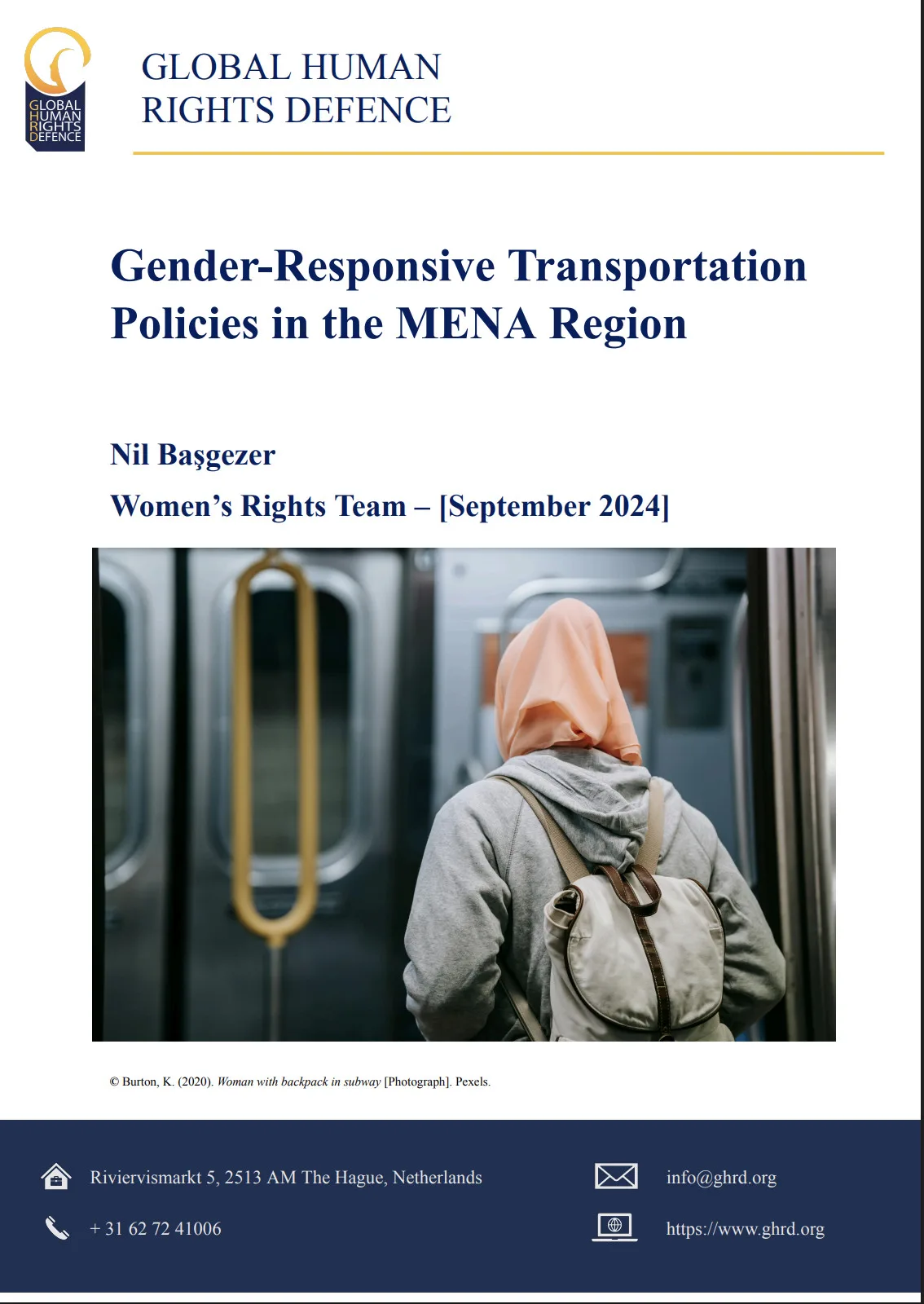
Gender-Responsive Transportation Policies in the MENA Region

Infrastructure is a cornerstone for national progress, driving economic growth, improving societal well-being, and supporting sustainable development. It serves as the foundation for key policy goals like expanding access to employment, reducing poverty, addressing income disparities, minimising regional inequalities, and improving overall quality of life. However, a common misconception is that infrastructure development benefits all genders equally. This assumption overlooks the reality that men and women have distinct needs and use infrastructure differently due to their varying social roles, economic circumstances, and preferences (OECD, 2021).

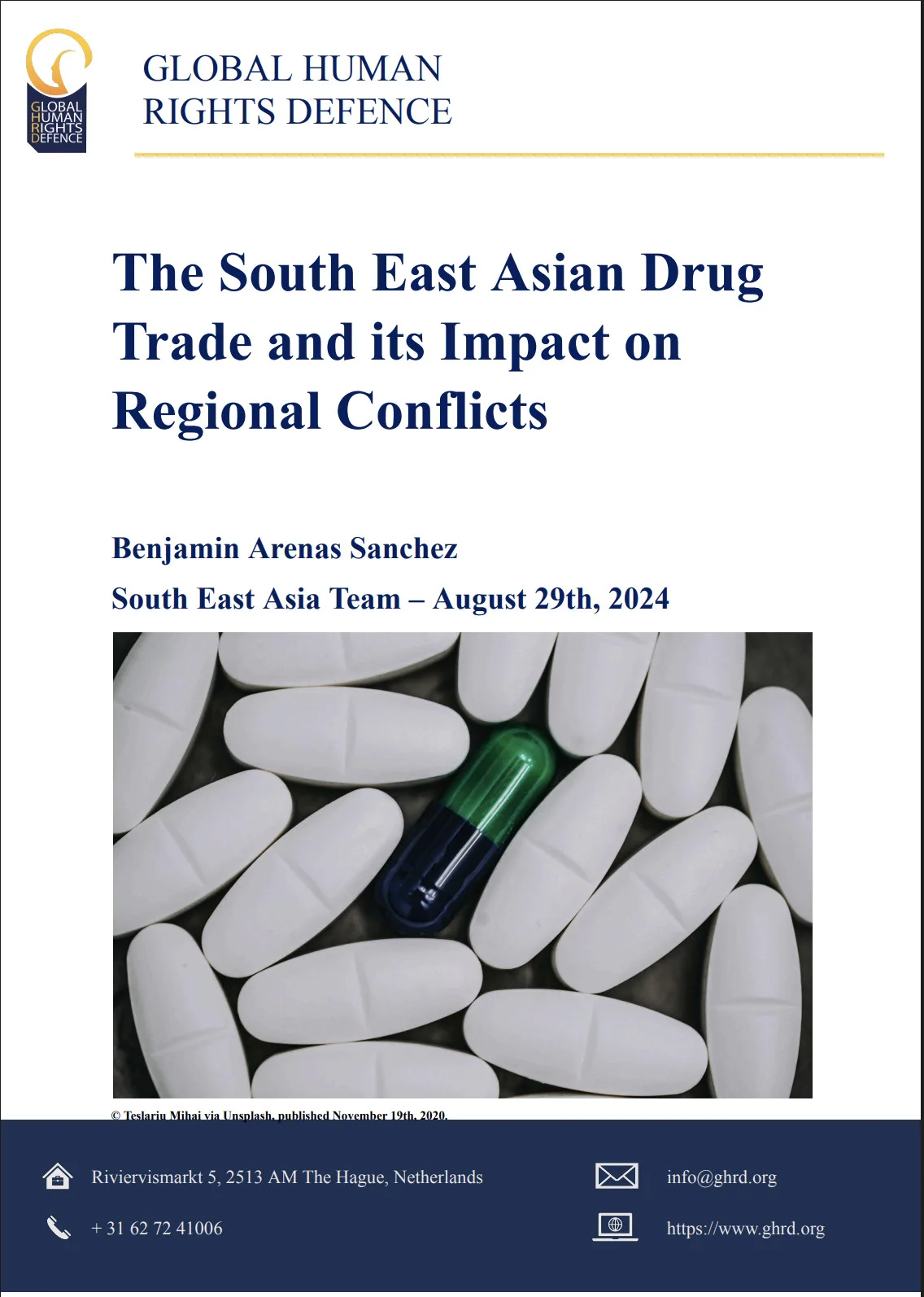
The South East Asian Drug Trade and It’s Impacts on Regional Conflict

The complex connection between drug trafficking and violence poses a serious threat to international development and security.
This relationship often creates a vicious cycle that further destabilises the regions in which it takes place and undermines their governance. In addition to feeding ongoing hostilities, the growth of the illicit drug economy in conflict-prone areas fosters the conditions necessary for the emergence of new conflicts. Armed groups fighting in civil wars have been using illegal trade of rare resources for a long time, such as diamonds in Sierra Leone, Angola, or the Democratic Republic of the Congo (DRC).

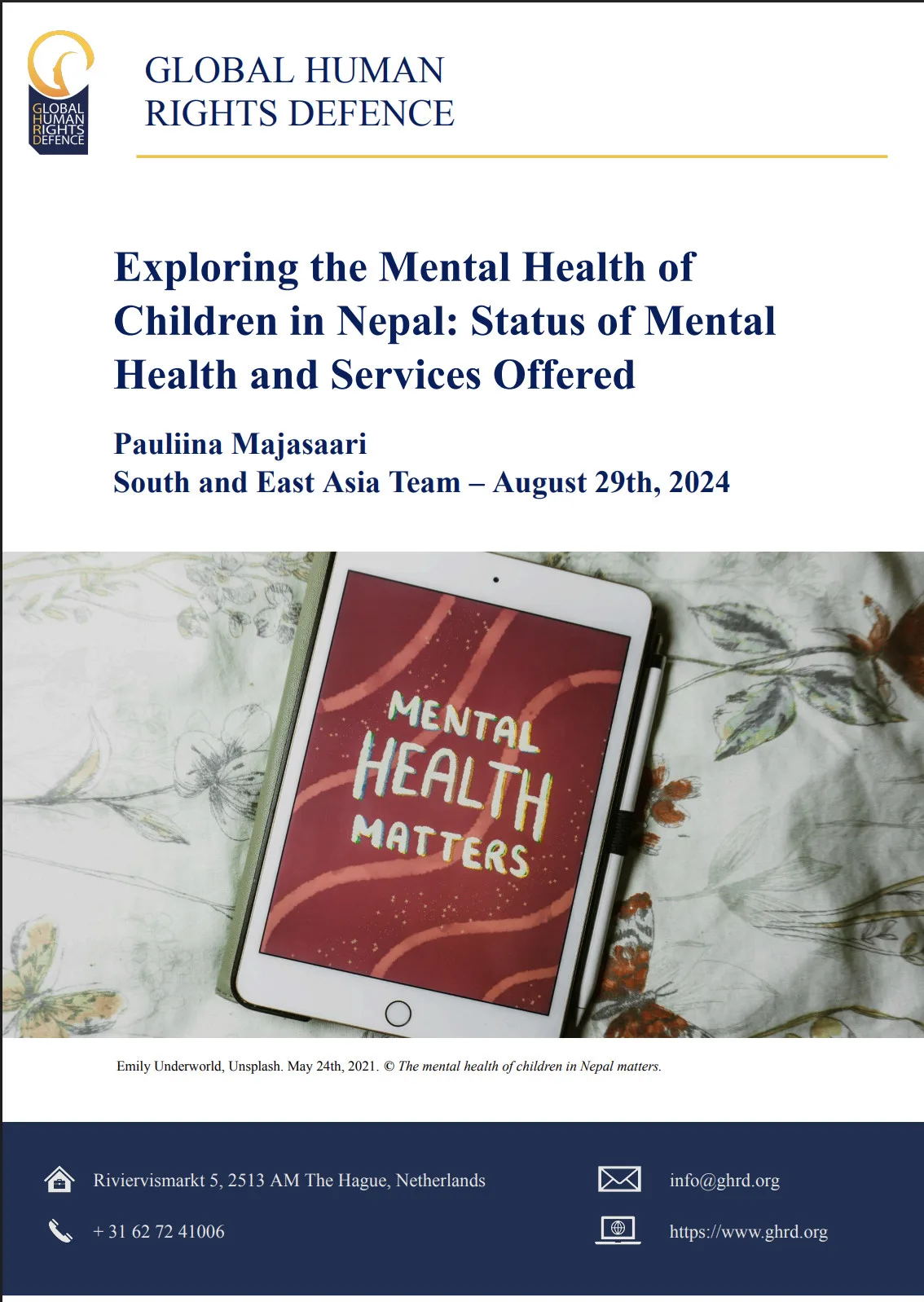
Mental health of children in Nepal

Globally, between 10 to 20 percent of children and adolescents suffer from mental disorders, with half of them developing such disorders as early as the age of 14. In Nepal, 40 percent of the population is under the age of 18, therefore a large part of the Nepalese population faces the risk of developing a mental disorder within their childhood years. Alarmingly, Nepal has only recently recognised the presence of child and adolescent mental health problems, as prior to this recognition, mental health matters were basically non-existent in Nepal’s health-related agenda and policy. However, the adequate planning of public health and mental health services, as well as ensuring that children have access to treatment for their mental health issues is an obligation of the State, ensured under the Convention on the Rights of the Child (CRC) which was ratified by Nepal in 1990.

This report aims to map out the state of children’s mental health in Nepal, as well as the potential causes of their mental health problems. It will also explore the shortcomings in the realisation of the right to mental health and respective services, showcasing the possibilities to improve the addressing and treatment of mental health problems for children and adolescents in Nepal.

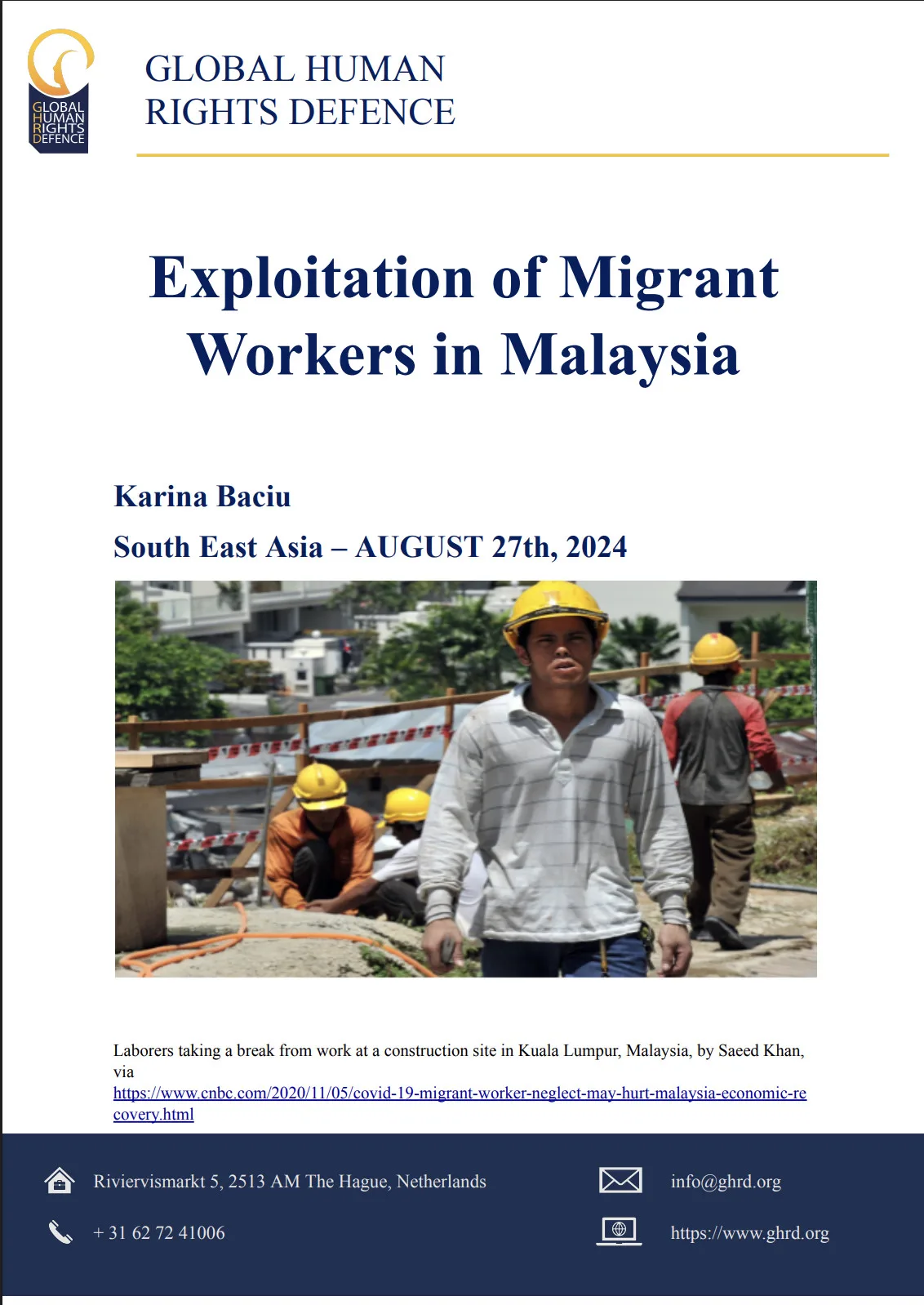
Migrant domestic workers in Malaysia

This report aims to illuminate the complex situation of migrant worker exploitation in Malaysia. The report will provide a comprehensive understanding of not only the factors that contribute to these circumstances, but also what impact it has on the individuals involved. The document will also explore the legal framework along with its challenges and the country’s efforts to create a better environment for the workers.

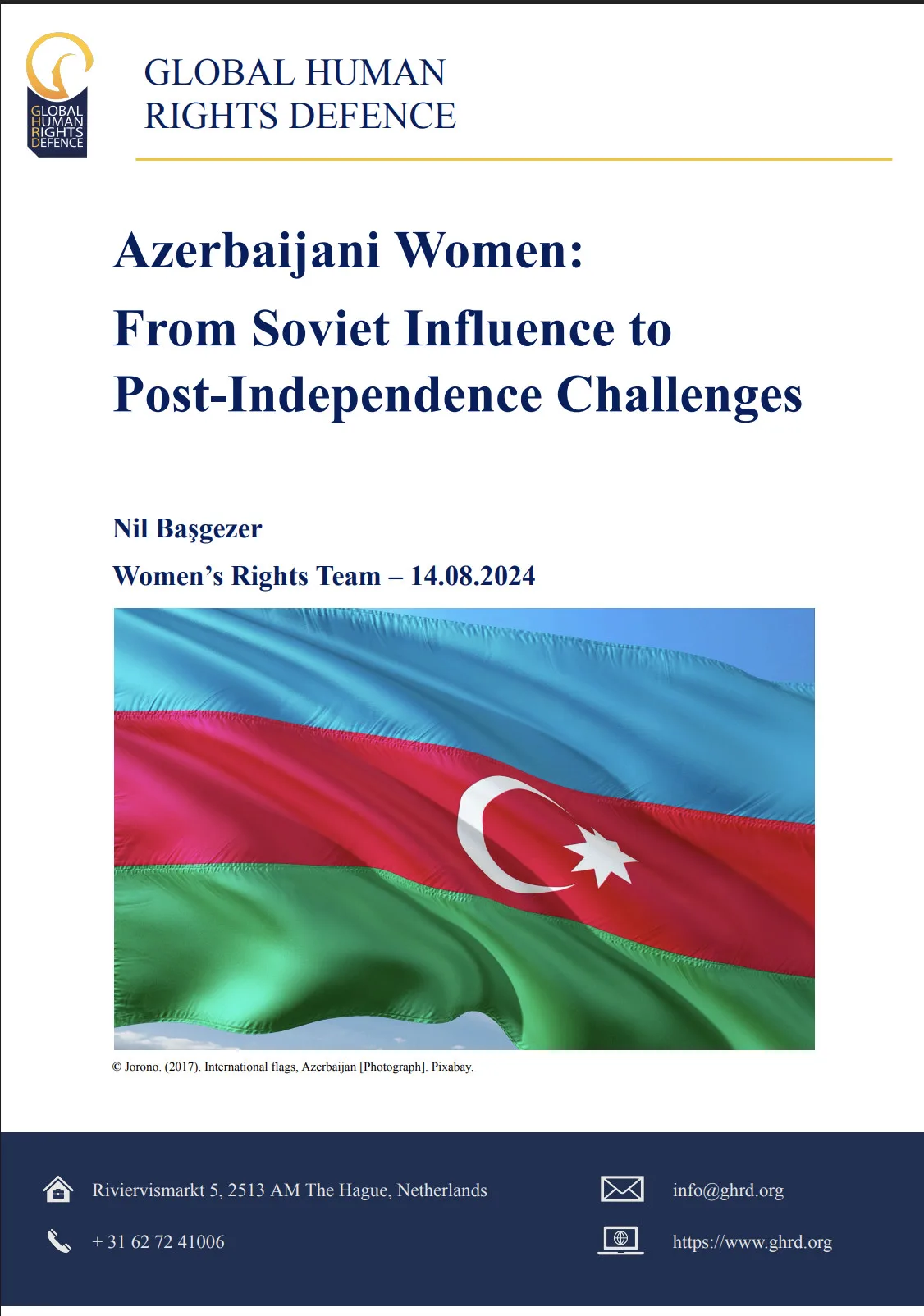
Azerbaijani Women: From Soviet Influence to Post-Independence Challenges

Azerbaijan, previously one of the fifteen republics under the Soviet Union, attained independence following the Soviet Union’s dissolution in 1991. After declaring independence, Azerbaijan joined the United Nations in 1992. The population of Azerbaijan is predominantly Muslim, with 95 percent adhering to Islam. Shi’a Muslims make up the largest sect (Heyat, 2008).

Gendered Politics Why Women are Less Likely Than Men to Run for Election

It is an empirical fact that women are under-represented in politics. It is also a fact
that women are no less likely to win an election when they decide to stand, and when elected,
women perform as well as, if not better, than men in political office (e.g. Anzia and Berry,
2012; Ashworth, Berry and de Mesquita, 2020; Cahn, 2020; Corbett et al., 2022; Holman and
Mahoney, 2023; Kanthak and Woon, 2015; Sevi and Blais, 2023). In trying to understand the
substantive lack of women in politics, scholars typically focus on the women already in office
and the gendered contextual factors surrounding them.

Cyberviolence Against Women at the Dawn of the Development of Artificial Intelligence

In recent years, the upheaval caused by the digital revolution has led to the transformation of violence against women and girls. The increase in internet access worldwide and the widespread use of digital technologies have fostered the development of a new type of violence, cyberviolence. While women and girls already face daily physical, sexual, and psychological violence in the streets, at home, in public transport, or at their place of study or work, technological advances and the ease of access to the online world have amplified the existing threat, giving rise to cyberviolence. Today, cyberviolence against women and girls adds to the long list of violations of women’s rights and contributes to their insecurity by imposing itself as a continuum of violence between virtual and real spheres.

6th GHRD International Film Festival: Human Trafficking Edition
Submission Deadline: 9th August 2026