Reports

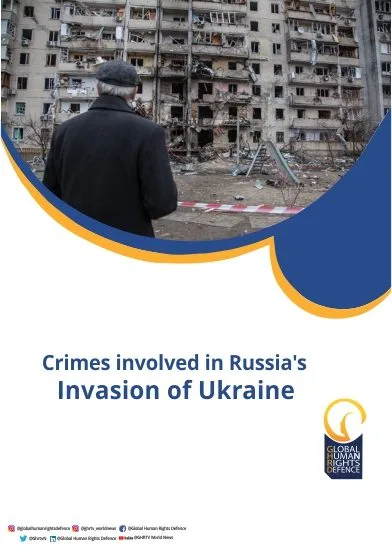
This report will focus on Russia’s alleged crimes in the war in Ukraine for the purposes of cohesion and to illustrate the multifaceted nature of the alleged war crimes and crimes against humanity committed by Russian forces the third Geneva Convention.
Across Europe, 2025 marked a decisive shift in the way fundamental rights are exercised, restricted, and contested. Under the guise of security, migration control, and public order, civic space continued to shrink, as governments increasingly resorted to surveillance, criminalisation, and repression of dissent: human rights violations are no longer exceptional responses to crisis.
This report highlights major human rights developments across South and East Asia in 2025, covering minority rights, state violence, gender equality, labour rights, freedom of expression, sustainable development, and statelessness.
A 2025 human rights overview of Southeast Asia and Oceania, covering civil liberties, minority rights, trafficking, detention, and state violence.
Democratic backsliding and the erosion of human rights protections mean that politically motivated imprisonment remains widespread, including in Europe. Freedom of speech and effective political opposition are the cornerstones of democracy; the practice of imprisoning political opponents, or those with divergent political opinions, constitutes a serious attack on democracy and the rule of law. It is imperative to engage critically with emerging trends relating to political repression, arbitrary detention, and civil liberties to recognise the potential democratic threats in Europe.
Across Europe, governments are increasingly restricting protest, dissent, and free expression in the name of national security, signalling a gradual erosion of democratic norms. From Western Europe to the Caucasus, cases of arbitrary detention, legal repression, and shrinking civic space are becoming more frequent.
This report explores the alarming recruitment and use of children in armed conflicts worldwide, examining the legal frameworks, human rights violations, and the urgent need for prevention and reintegration measures to protect and restore the lives of affected children.
In the 21st century, environmental degradation has become one of the most pressing challenges facing humanity, with multinational corporations frequently positioned at the center of this crisis. Activities such as large-scale deforestation, oil and chemical spills, unsustainable mining, industrial pollution and greenhouse gas emissions have caused widespread and often irreversible damage to ecosystems. Beyond environmental harm, these practices profoundly affect human communities, compromising health, food security, water access and the cultural integrity of populations particularly those in the Global South and indigenous territories.
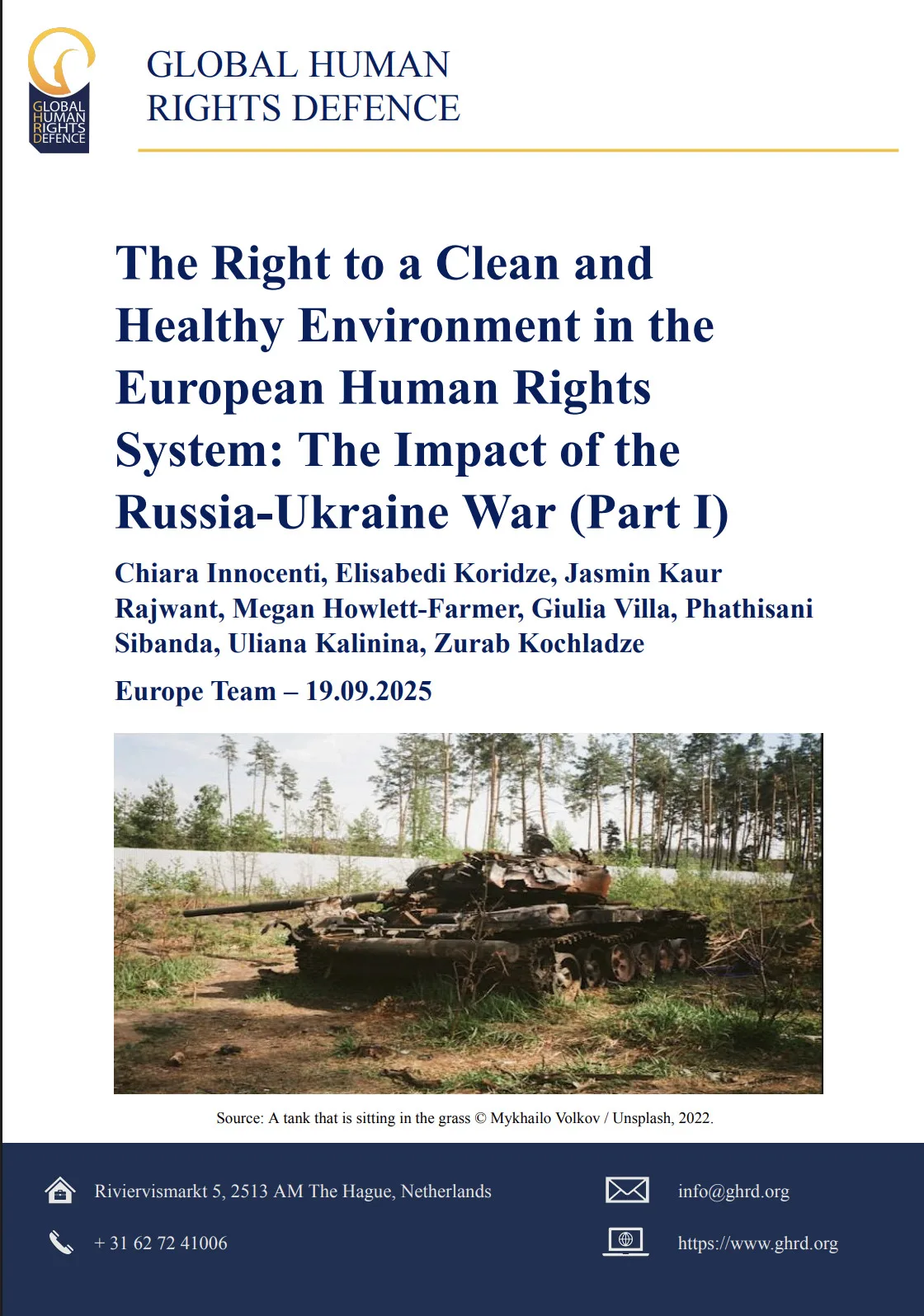
The right to a clean, healthy, and sustainable environment has recently become even more important within the international human rights system. This right is crucial because it is connected to the life, health, safety, and dignity of all people. When the environment is polluted, degraded, or destroyed, it is very hard for people to survive, especially in areas where there is an ongoing armed conflict. Unfortunately, this right is still not fully protected in legal terms, and even less so during armed conflict. Environmental harm that is caused by war is often ignored or seen as less urgent, even when it has a long-lasting and serious impact on civilians.
6th GHRD International Film Festival: Human Trafficking Edition
Submission Deadline: 9th August 2026