
Reports
- GHRD Team
- 2 July 2025
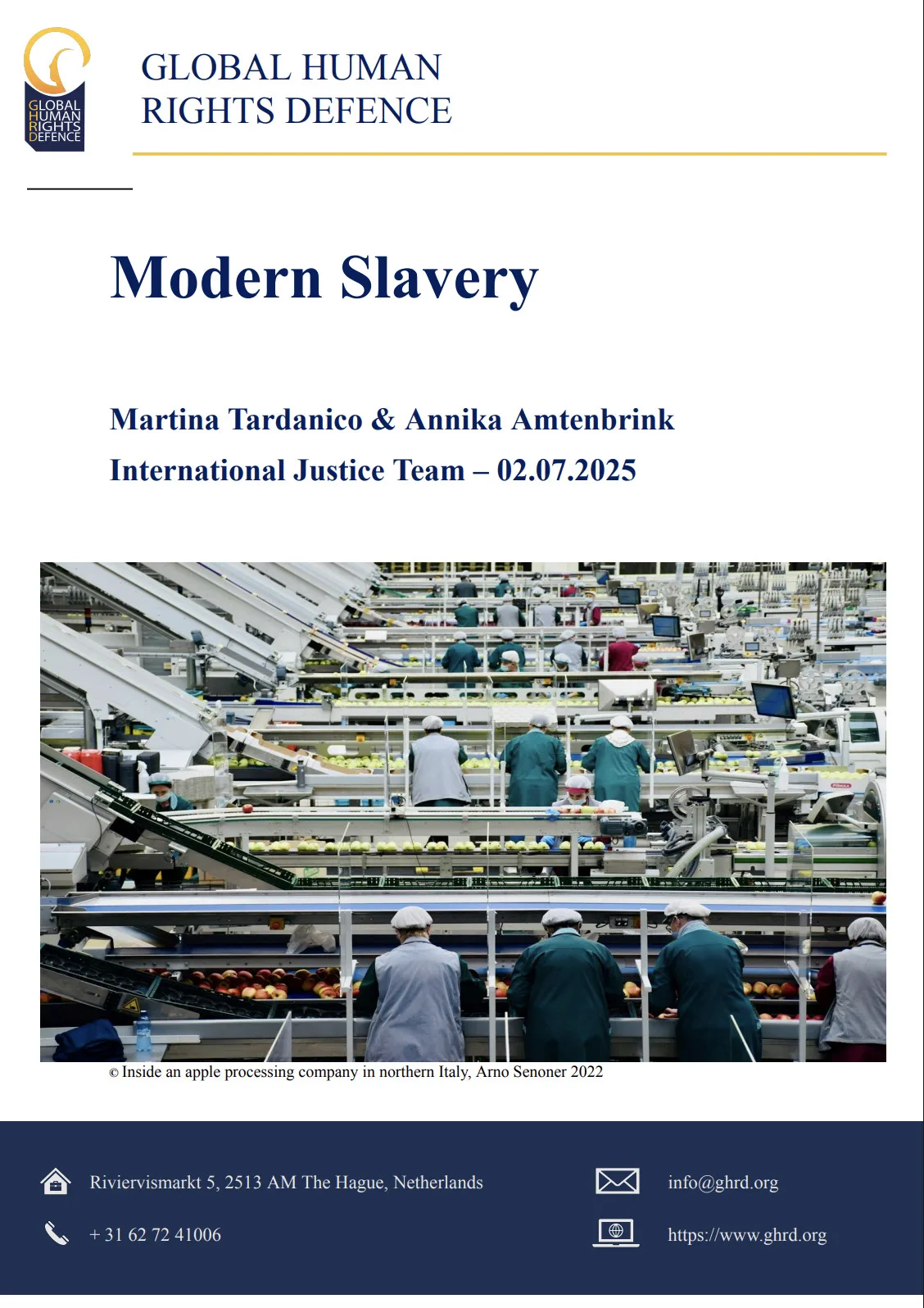
Modern slavery, a term often associated with past times, remains a pervasive and omnipresent prevailing issue in our contemporary world. Despite its often invisible nature in the Western world, modern slavery keeps being an issue for many people worldwide, depriving individuals of their fundamental freedom, human rights, and dignity.
- GHRD Team
- 24 June 2025
The Kashmir conflict is one of the longest-running and most complex disputes in South Asia. This report explores its origins beginning with the 1947 Partition and traces its development through armed conflicts and political decisions such as the 2019 revocation of Kashmir’s autonomy, and evaluates the conflict’s lasting impact on the region’s population. It also examines the role of the United Nations and other international actors, the humanitarian consequences for civilians, and how domestic politics in India and Pakistan continue to shape the issue.
- Asia Team
- 23 June 2025
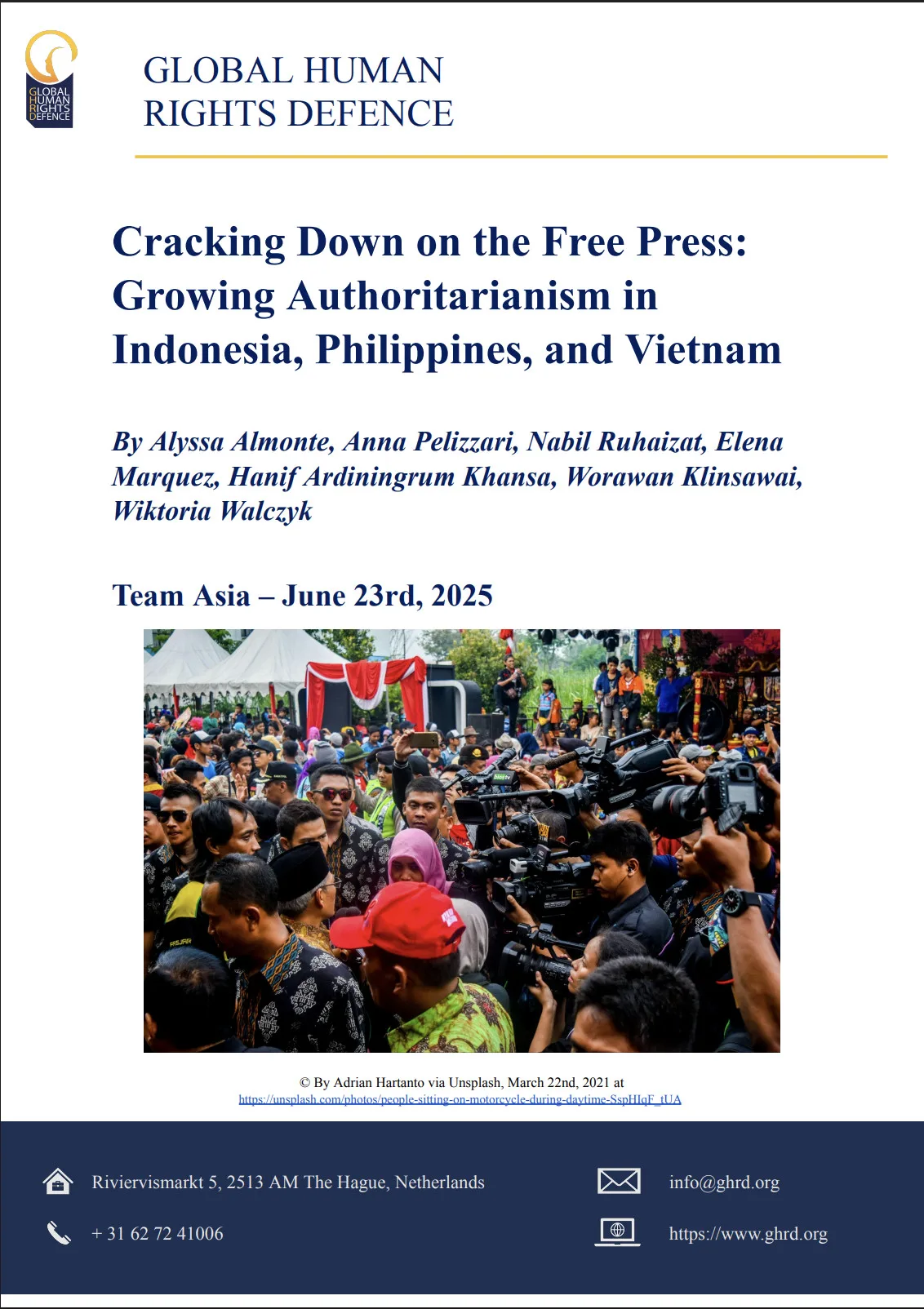
Cracking Down on the Free Press: Growing Authoritarianism in Indonesia, the Philippines, and Vietnam presents evidence of the shrinking boundaries of press freedom in three Southeast Asian nations. In Indonesia, where democratic institutions nominally remain intact, successive administrations have intensified legal intimidation of journalists. In the Philippines –once home to one of the region’s freest media landscapes – red-tagging and online harassment have been normalised through legal coercion. And in Vietnam, a single-party State, surveillance and a penal code are used to strictly control public discourse and suppress dissent. Despite their differing political systems, all three governments are actively working to restrict critical and constructive journalism. A clear and deliberate pattern has emerged: journalists are increasingly portrayed as adversaries, and public scrutiny is reframed as a threat to national security.
- GHRD Team
- 20 June 2025
This work explores how creativity and critical thinking help us understand complex ideas and see the world from new perspectives. Through concise narratives and reflection, it highlights the power of imagination to question assumptions, inspire innovation, and encourage meaningful expression.
- GHRD Team
- 18 June 2025
Indigenous peoples represent some of the world’s most historically marginalized communities. They are generally understood as groups with ancestral connections to specific territories, maintaining distinct cultural, linguistic, and spiritual traditions that set them apart from dominant societies. Today, the United Nations estimates that there are more than 476 million indigenous people across over 90 countries, comprising about 6% of the global population. Despite their diversity, they share common experiences of dispossession, marginalization, and resilience in defending their ways of life.
- Asia Team
- 1 June 2025
- Climate Change, Climate Rights, Sustainability
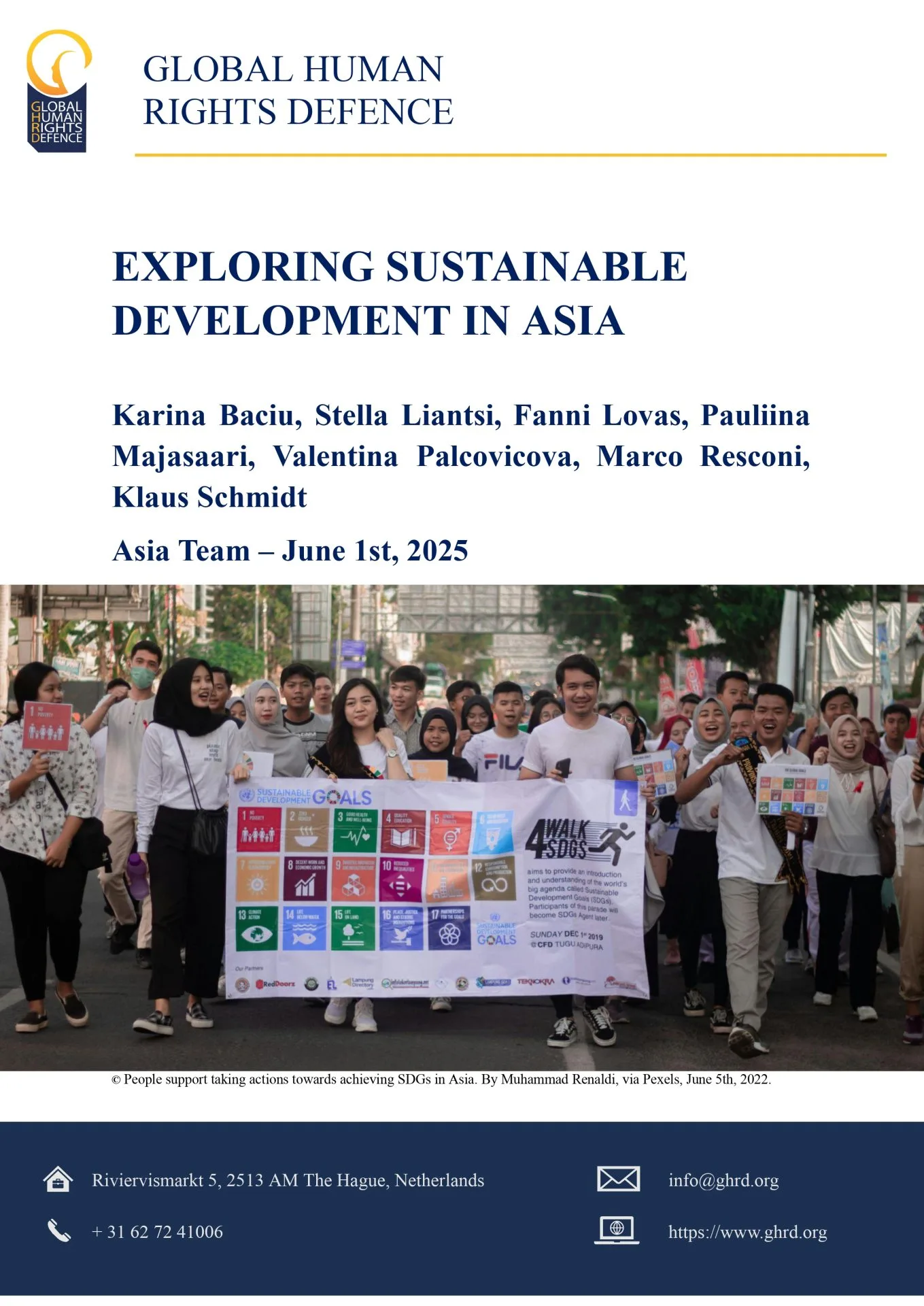
Achieving sustainable development is a work in progress within the South and East Asia Region. Financial constraints, political instabilities, governance issues and developmental progress of nations affects the countries’ ability to effectively make changes towards the Sustainable Development Goals (SDGs) of the 2030 Agenda. Despite these challenges, achievements have been made on several SDGs, mainly regarding health, education, poverty eradication, climate action as well as peace, justice and strong institutions.
- Asia Team
- 30 May 2025
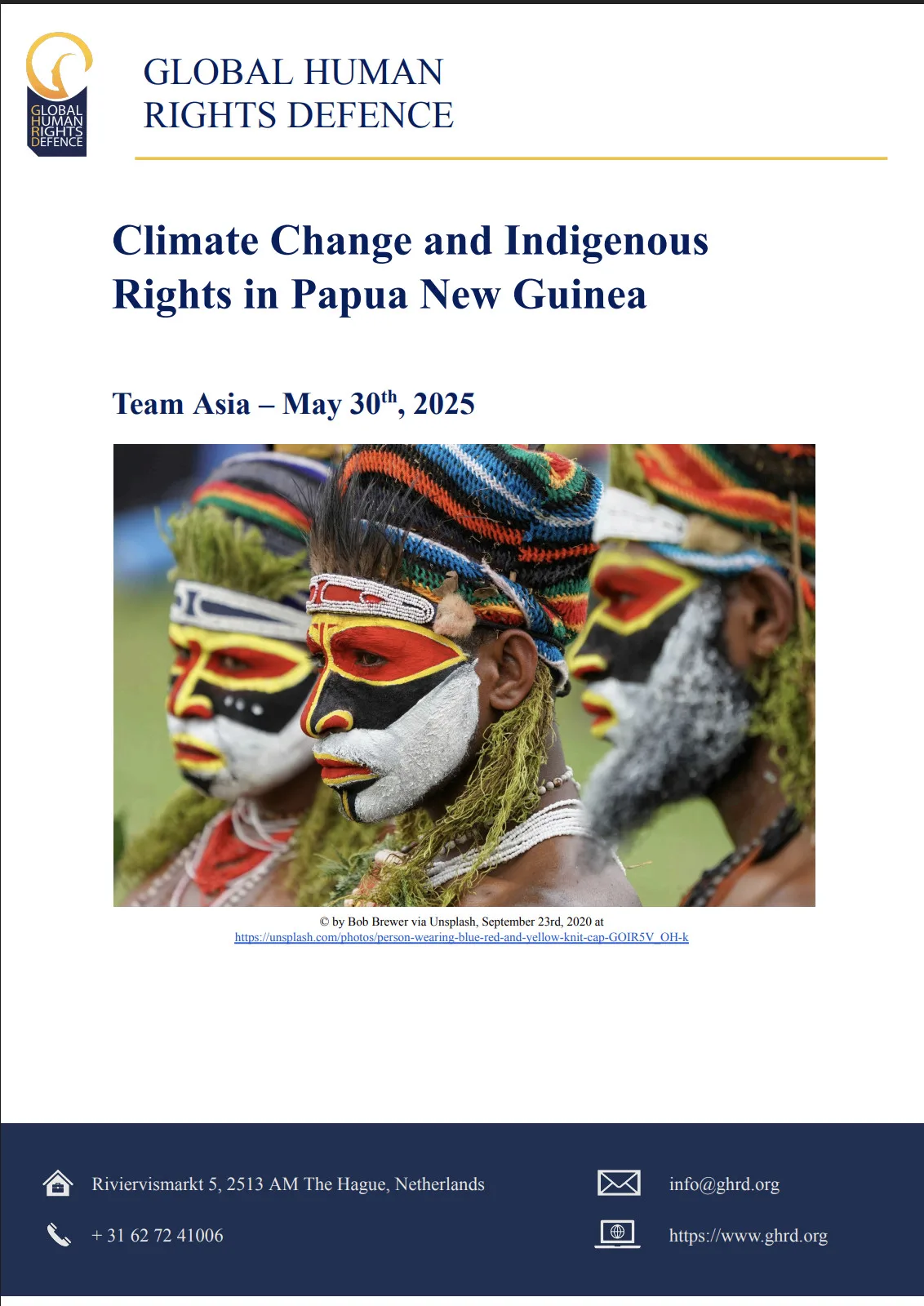
Climate change is one of the most pressing global challenges of the 21st century. Beyond an environmental crisis, it is also a complex socio-economic and political issue that deeply affects populations around the world in diverse and often unequal ways. Rising global temperatures, shifting weather patterns, and an increase in the frequency and intensity of natural disasters have profound consequences for human health, food security, access to water, and migration patterns (United Nations, n.d.; WHO, n.d.; Omolere, 2025). These changes are not just scientific phenomena; they also raise fundamental questions about the protection of human rights.
- GHRD Team
- 30 May 2025
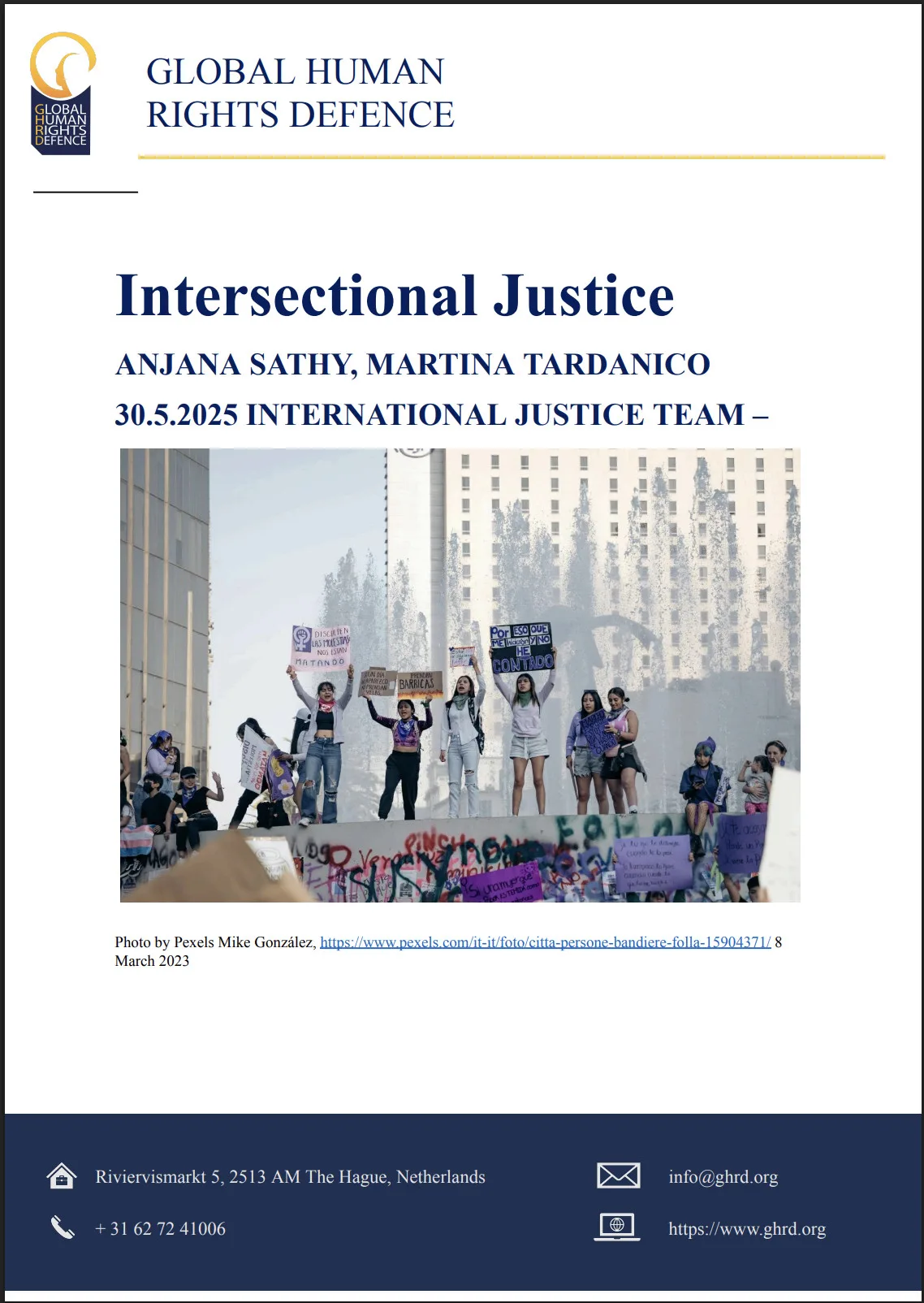
Intersectionality, first articulated by Kimberlé Crenshaw in 1989, is a conceptual framework that recognizes how multiple forms of discrimination, such as race, gender, class, and sexuality, interact and reinforce one another, shaping unique experiences of marginalization and harm. Crenshaw’s work, particularly in “Mapping the Margins: Intersectionality, Identity Politics, and Violence Against Women of Color,” highlighted the necessity of accounting for multiple, intersecting identities to understand how social structures produce and perpetuate inequality fully.
- Asia Team
- 26 May 2025
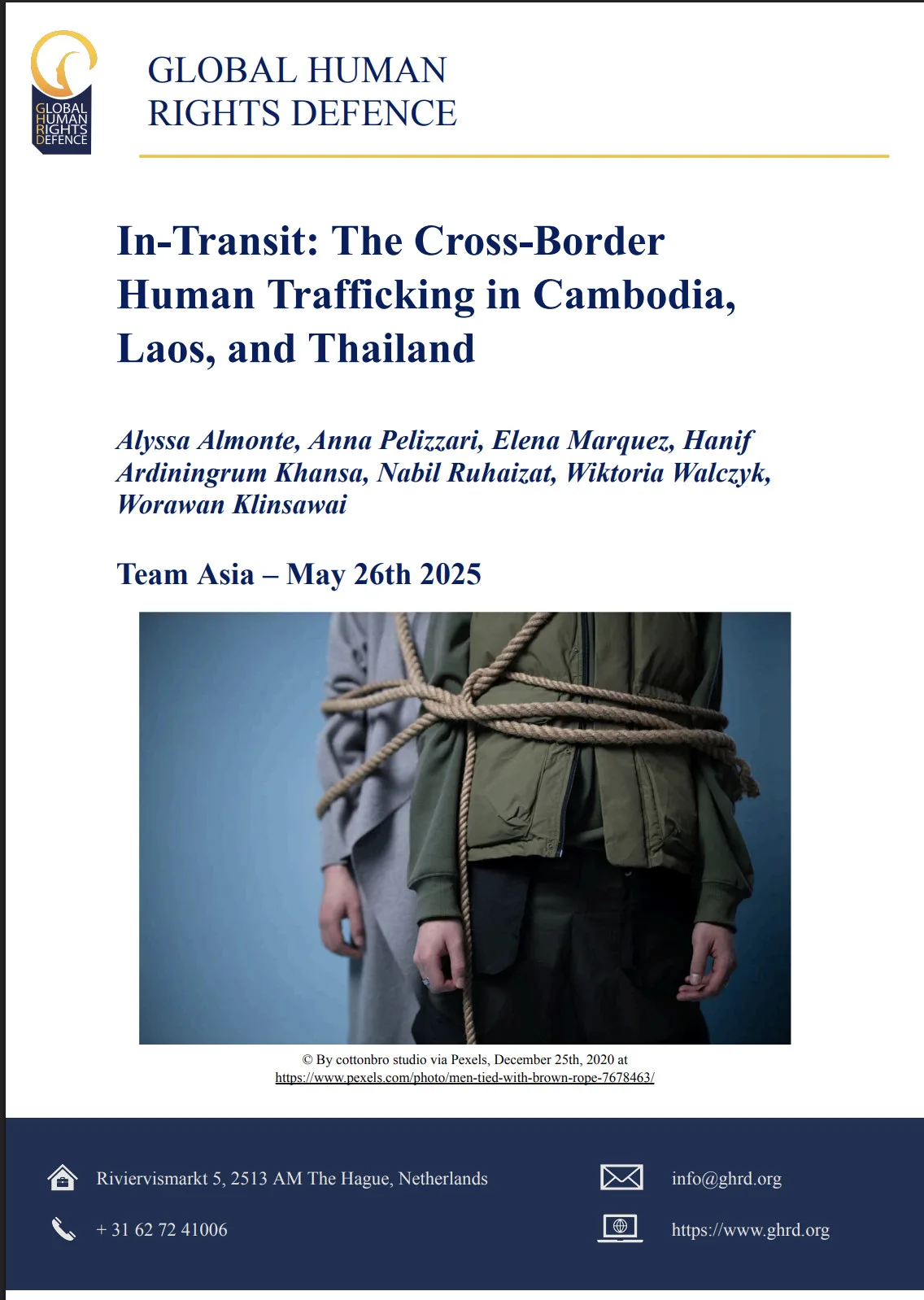
In-Transit: The Cross-Border Human Trafficking in Cambodia, Laos, and Thailand provides an in-depth analysis of human trafficking within the Greater Mekong Subregion, focusing on Cambodia, Laos, and Thailand. The report examines the socio-economic factors, legislative frameworks, and enforcement challenges that contribute to the persistence of trafficking in persons across these countries. It also considers the regional and international dynamics that influence trafficking flows and demand.

- GHRD Team
- 15 May 2025
In recent years, geopolitical polarization and eroded multilateralism have drastically altered the international legal and political landscape, weakening the influence of global norms and institutions. The decline is especially pronounced in conflict settings, where civilian casualties have reached a decade high in the Ukraine and Gaza wars. These events signal more than just institutional failure, they suggest that the very boundaries of what is considered politically and legally permissible are shifting.
Practices once deemed clear violations of international law, such as collective punishment, annexation of territory, or targeting of civilian infrastructure, are now openly contested or even normalized.