Human Rights

Article

How International Law Regulates the Use of Chemical Agents at Demonstrations

This article reports on an acid attack against a KontraS activist in Indonesia after he criticised the military’s growing role in civilian life. The case raises serious concerns about intimidation of human rights defenders, shrinking civic space, and the need for an independent investigation into alleged military involvement.

Article

Electoral Processes in Myanmar: Political Exclusion and Legitimacy

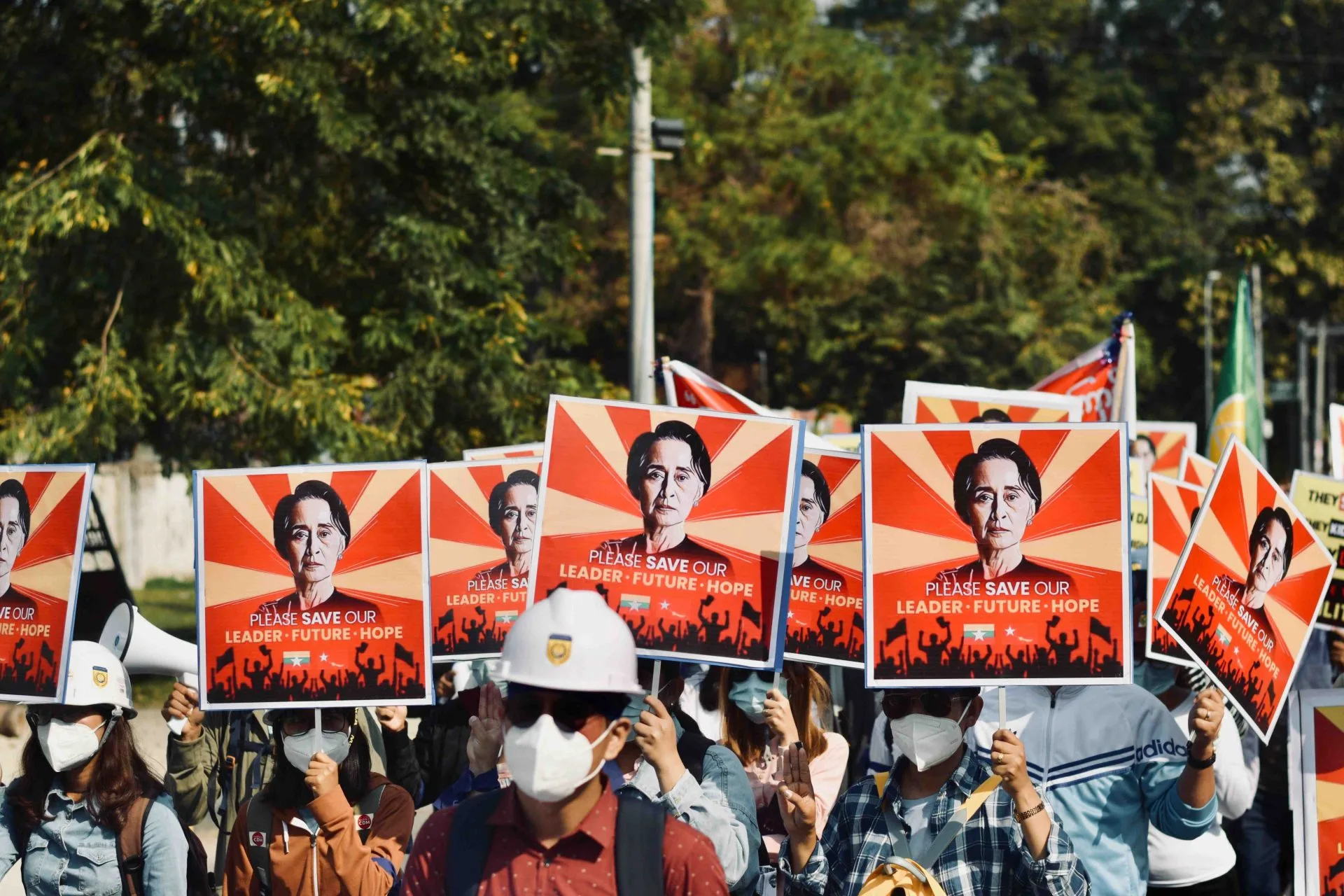
The recent 2025-2026 Myanmar general elections were conducted under military control, in a fragmented and insecure environment. Many townships, particularly in ethnic minority regions, were excluded from voting, while opposition parties faced disqualification under restrictive laws. Coercion, repression, and limited access to political participation render the election unfree and unfair, in violation of international standards.

Article

How does Israel’s AI-assisted targeting system in the Gaza Strip violate the principles of IHL?

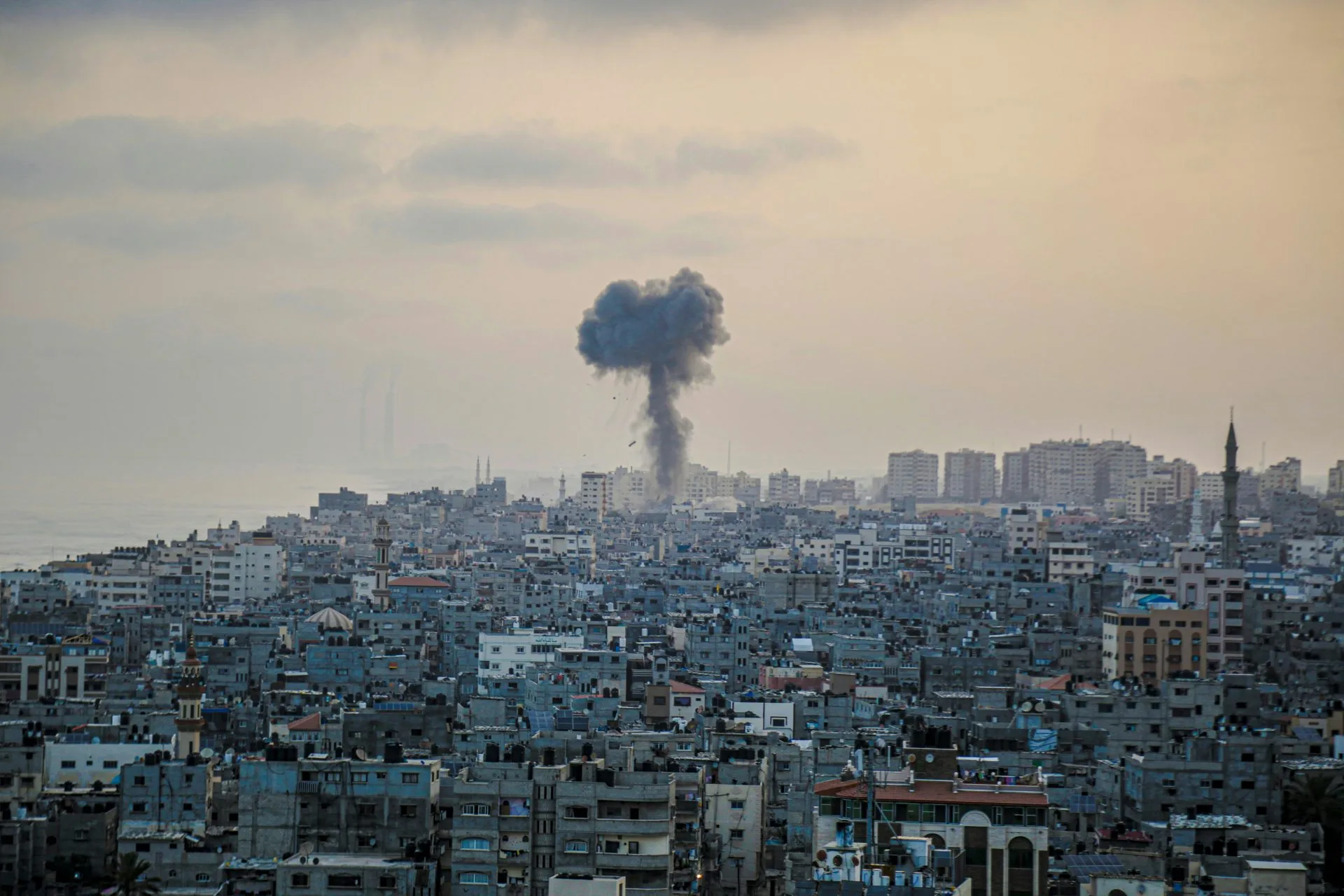
The conflict between Israel and Palestine, rooted in over a century of historical and ideological disputes, has evolved with technological influences, particularly the integration of Artificial Intelligence (AI) in military operations. Recent uses of AI, such as the AI Decision Support Systems (AI-DDS) by the Israeli Defence Forces (IDF) in the Gaza Strip, have enhanced targeting and surveillance capabilities. However, these developments raise significant legal and ethical concerns related to International Humanitarian Law (IHL), which aims to protect those not participating in hostilities. This article explores whether the employment of AI in warfare aligns with IHL principles, focusing on its implications within the ongoing Israel-Palestine conflict, despite Israel not having ratified crucial IHL protocols.

Article

Tunisia’s Human Rights Crackdown Intensifies State Violence Against Civil Society Workers

This article examines Tunisia’s escalating crackdown on civil society, where NGOs and human rights defenders face arbitrary detention, financial restrictions, and legal harassment. It highlights a broader decline in democratic freedoms and increasing state control under the pretext of national security. The situation raises serious concerns about shrinking civic space and violations of fundamental rights.

Article

One Standard for Us, Another for Them: Assessing the ECtHR’s Approach to Article 3 Violations in the Context of Asylum and Gender-Based Violence

The article “One Standard for Us, Another for Them: Assessing the ECtHR’s Approach to Article 3 Violations in the Context of Asylum and Gender-Based Violence” examines how the European Court of Human Rights interprets protections against torture and inhuman or degrading treatment under Article 3 of the European Convention on Human Rights in asylum cases involving gender-based violence. It argues that the Court’s jurisprudence sometimes reflects inconsistencies in evaluating the risks faced by asylum seekers, particularly women fleeing gender-based harm. The analysis highlights concerns that differing evidentiary standards and judicial reasoning can lead to unequal protection for vulnerable applicants, raising broader questions about fairness, consistency, and the effective safeguarding of human rights within Europe’s asylum framework.

Press release

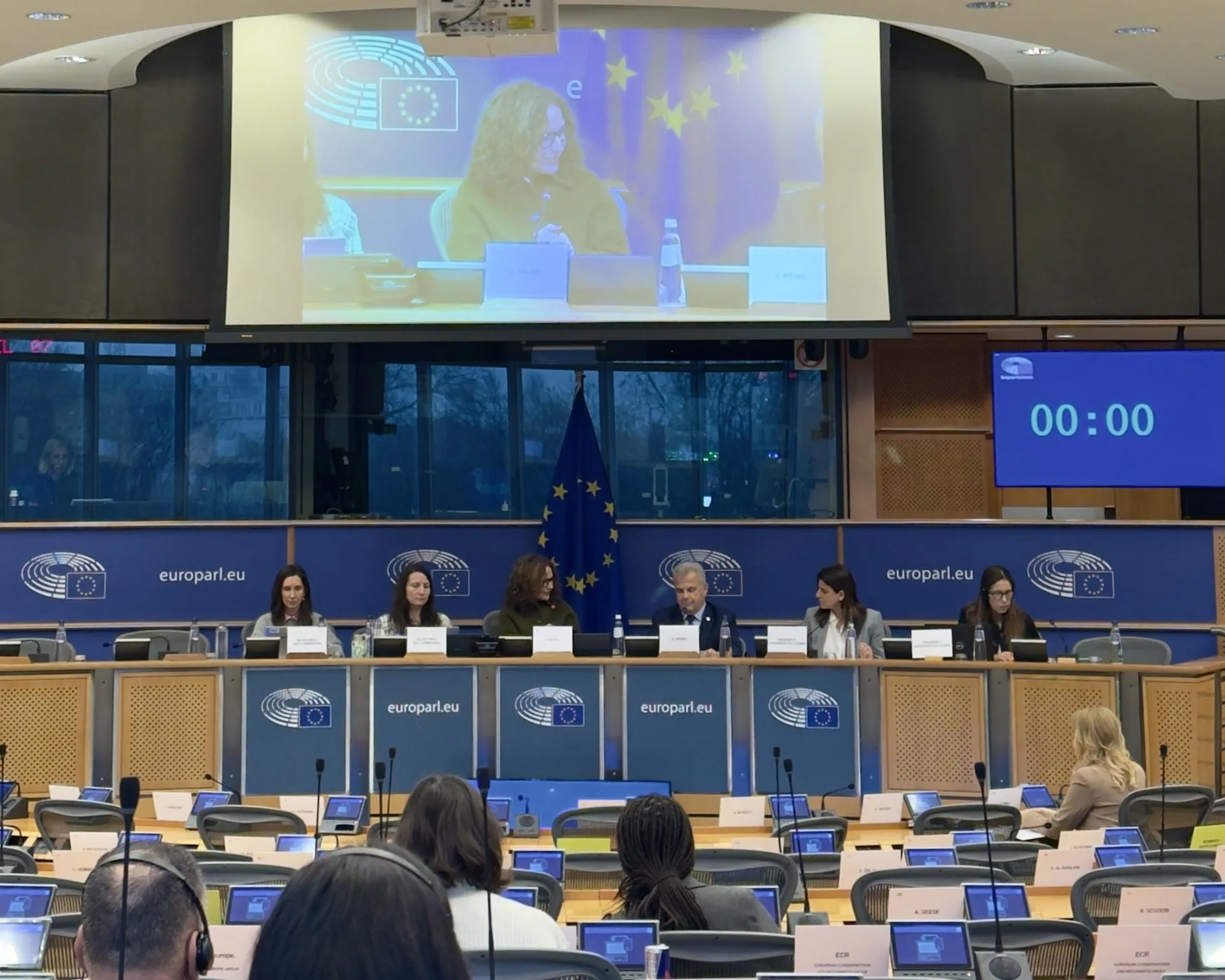
Inclusive Communication for All: Lessons from “Why Choice Matters”

At a time when digitalisation is reshaping everyday life across Europe, the “Inclusive Communication for All” event at the European Parliament highlighted the growing risks of digital exclusion and the urgent need for communication policies that protect citizen choice. Bringing together MEPs, civil society, and industry representatives, the discussion underscored that equal access to information is not only a policy concern but a matter of fundamental rights.

Article

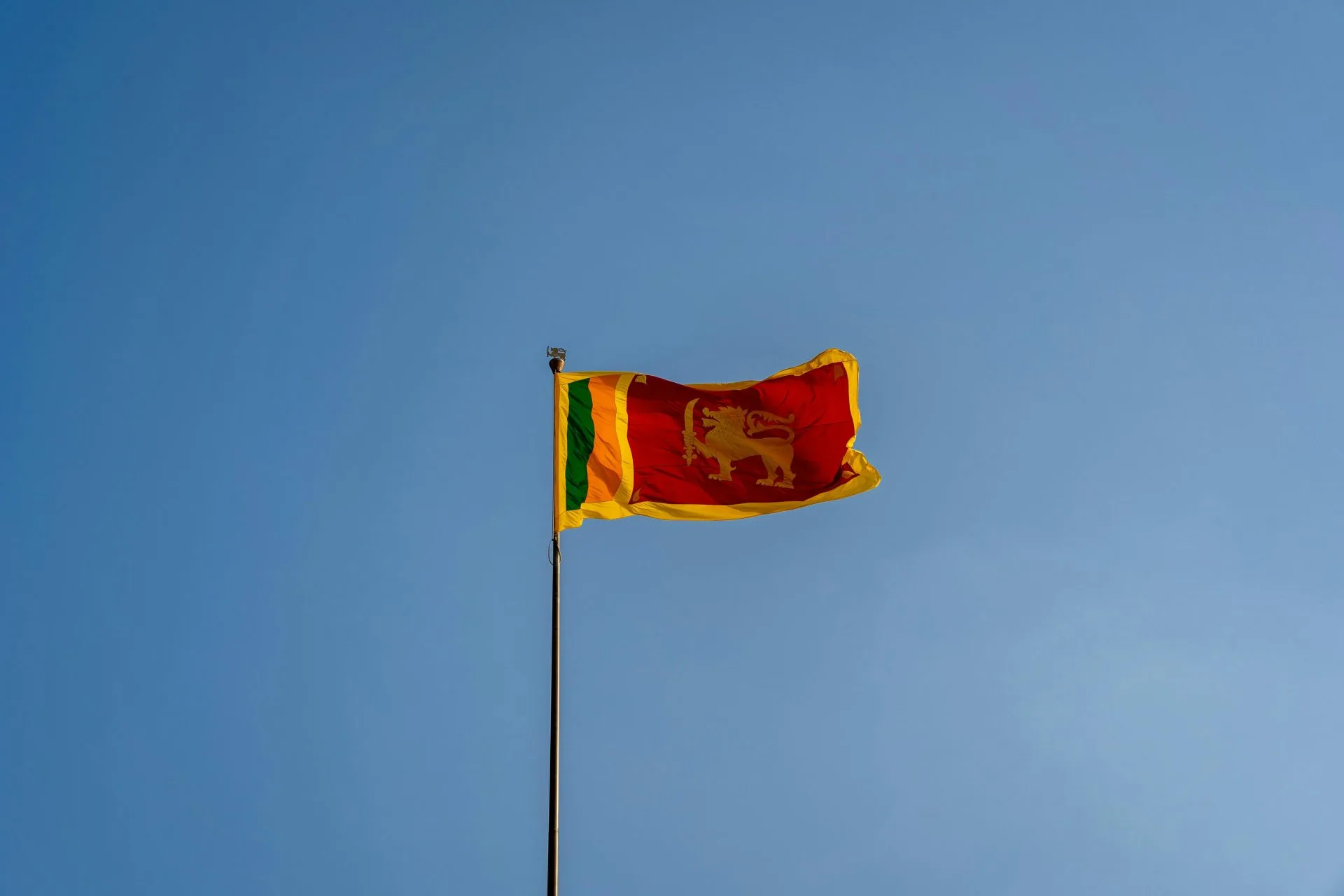
Justice for the Unseen, Enforced Disappearances in Sri Lanka’s Civil War Aftermath

Fifteen years on from Sri Lanka’s civil war, enforced disappearances continue to challenge the country’s legal and transitional justice frameworks. With estimates of 60,000 – 100,000 missing persons, existing mechanisms such as the Office on Missing Persons have struggled to provide accountability or redress. The situation highlights structural weaknesses in domestic law, limited compliance with international human rights obligations and the urgent need for stronger legal and policy interventions to address wartime abuse.

Article

The European Union’s Corporate Sustainability Rules: How They Advance Human Rights Protection and What Is The Omnibus

The European Union’s corporate sustainability rules are at risk of being weakened by the European Commission through the proposed Omnibus Simplification Package, which seeks to amend regulations to enhance competitiveness. This approach includes leveraging sustainability regulations in trade negotiations with the United States, promising reduced administrative burdens and flexibility on import fees related to carbon emissions. Such moves threaten the original aim of these regulations, which is to incorporate environmental and social considerations into business strategies. The article discusses the nature of EU corporate sustainability rules, their potential to advance human rights, and the implications of the Omnibus Package on progress made thus far.

Article

The long-lasting conflict in Ethiopia. How Authoritarianism Fuels Impunity and Prevents Justice

Ethiopia’s recent conflicts, most notably in Tigray, have left millions of civilians suffering from mass killings, sexual violence, and starvation. Despite formal commitments to transitional justice, meaningful accountability failed. Decades of institutional capture, executive overreach, and suppression of civil society have created a system where impunity is not an aberration but a tool of governance.

6th GHRD International Film Festival: Human Trafficking Edition
Submission Deadline: 9th August 2026