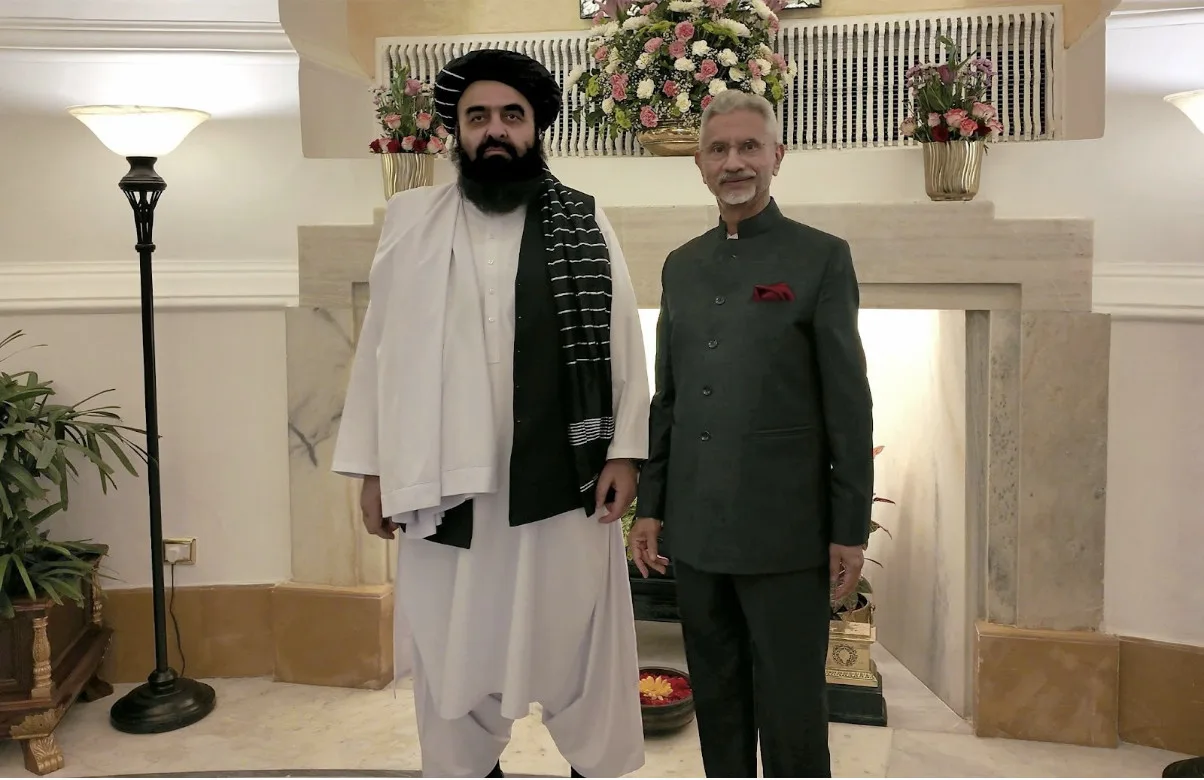
India’s recent engagement with the Taliban, marked by the visit of Foreign Minister Mawlawi Amir Khan Muttaqi in October 2025, signifies a strategic pivot in its diplomatic stance. Initially marking opposition to Taliban governance post-August 2021, this meeting indicates India’s desire to regain influence in Afghanistan amid deteriorating Iraq-Pakistan relations. However, this realpolitik approach raises concerns for Afghan citizens, particularly women and minorities, due to ongoing rights abuses under Taliban rule. India’s shift prioritizes geopolitical balance over its historical support for democracy in Afghanistan, risking the legacy of its previous aid and initiatives aimed at empowering marginalized groups. While the Taliban’s visit aimed to bolster legitimacy and seek investment, India’s silence on human rights issues during the discussions has garnered criticism. The current humanitarian crisis in Afghanistan exacerbates these concerns, highlighting the necessity for any engagement to be anchored in accountability for human rights violations, as the consequences of normalizing relations without addressing these core issues could further legitimize Taliban oppression.