

Australia’s Expedited Deportation Regime and the Creation of an Offshore Penal Colony
INTRODUCTION Australia’s approach to immigration and border protection has long been a subject of international scrutiny. In a significant and […]
INTRODUCTION Australia’s approach to immigration and border protection has long been a subject of international scrutiny. In a significant and […]

At the opening of the 60th session of the Human Rights Council, High Commissioner Volker Türk painted a global picture
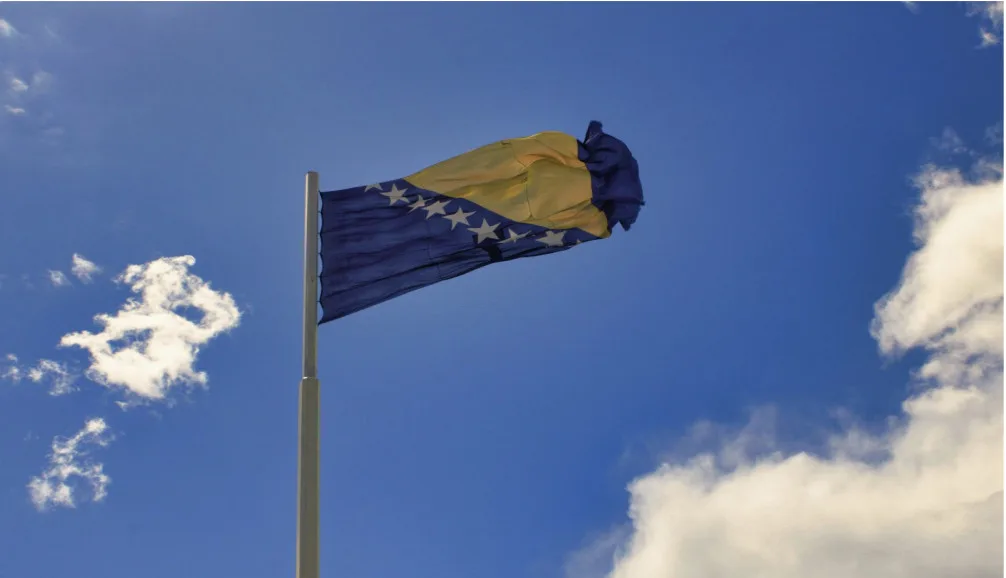
Introduction. Along the forested and mine-riddled landscapes of the Bosnian-Croatian border, thousands of migrants have found themselves stuck in a
The Human Rights Council (HRC) opened its 60th session with a powerful oral update from UN High Commissioner for Human

Introduction At the end of the summer of 2025, the whole of Italy was shaken by a serious scandal that

Introduction The European Border and Coast Guard Agency, commonly known as Frontex, is an EU agency tasked with border control

The European Union’s corporate sustainability rules are at risk of being weakened by the European Commission through the proposed Omnibus Simplification Package, which seeks to amend regulations to enhance competitiveness. This approach includes leveraging sustainability regulations in trade negotiations with the United States, promising reduced administrative burdens and flexibility on import fees related to carbon emissions. Such moves threaten the original aim of these regulations, which is to incorporate environmental and social considerations into business strategies. The article discusses the nature of EU corporate sustainability rules, their potential to advance human rights, and the implications of the Omnibus Package on progress made thus far.

Introduction In July 2024, Austria approved a bill that allows police officers to access private messages of suspects (Reuters, 2025).
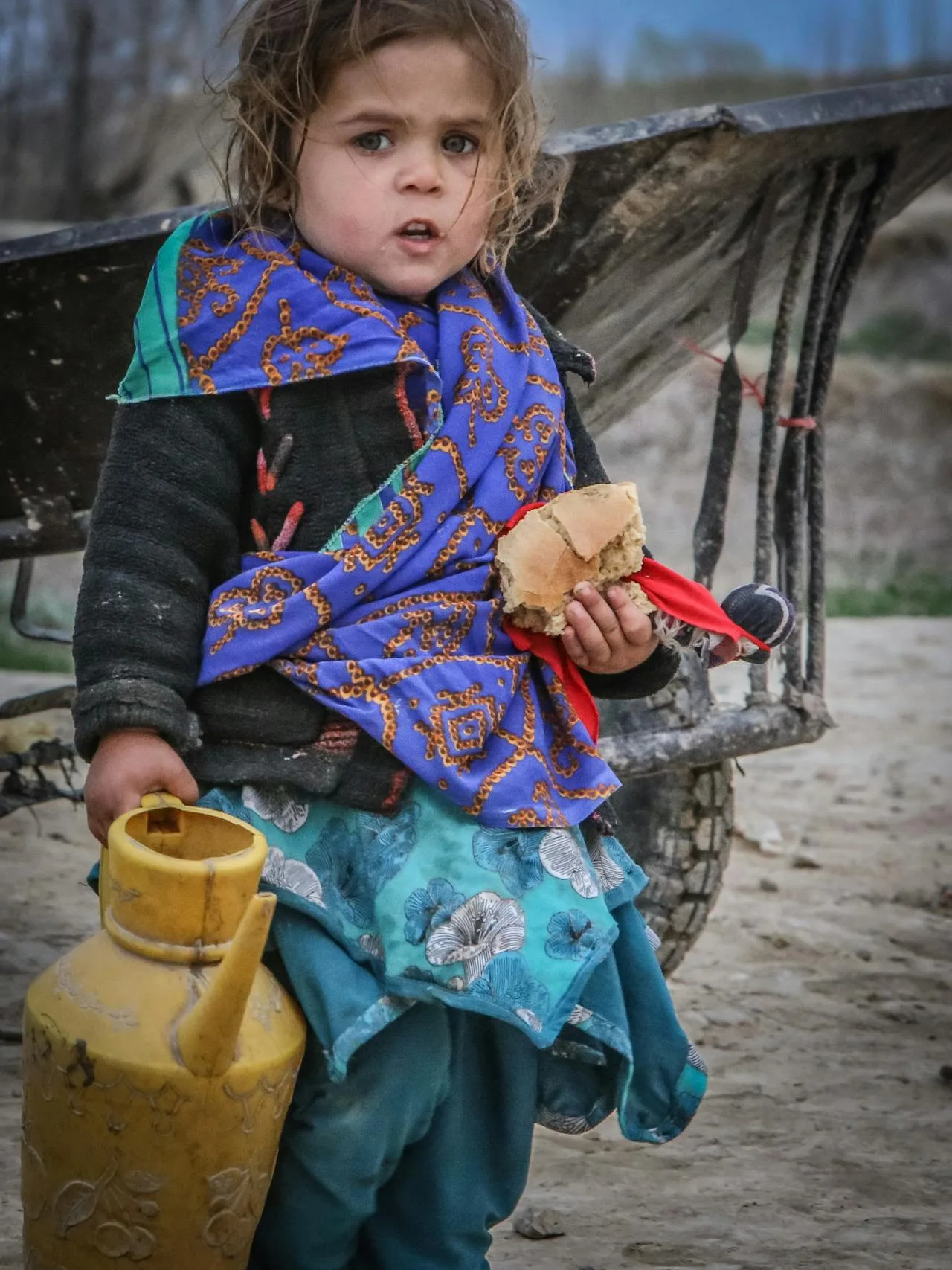
This article examines the responsibility of EU states in supplying arms that contribute to human rights violations in conflict zones like Yemen and Gaza. Despite legal frameworks such as the Arms Trade Treaty and EU regulations, arms exports continue to fuel humanitarian crises and civilian suffering. The analysis highlights gaps in enforcement, raising serious concerns about accountability and ethical responsibility in global arms trade.

Ethiopia’s recent conflicts, most notably in Tigray, have left millions of civilians suffering from mass killings, sexual violence, and starvation. Despite formal commitments to transitional justice, meaningful accountability failed. Decades of institutional capture, executive overreach, and suppression of civil society have created a system where impunity is not an aberration but a tool of governance.