
A Step in the Right Direction: the ECtHR Paves the Way for Oversight of Conflict-Related Sexual Violence
Introduction The European Court of Human Right’s (ECtHR) recent judgment in Ukraine and the Netherlands v. Russia marks a significant […]
Introduction The European Court of Human Right’s (ECtHR) recent judgment in Ukraine and the Netherlands v. Russia marks a significant […]
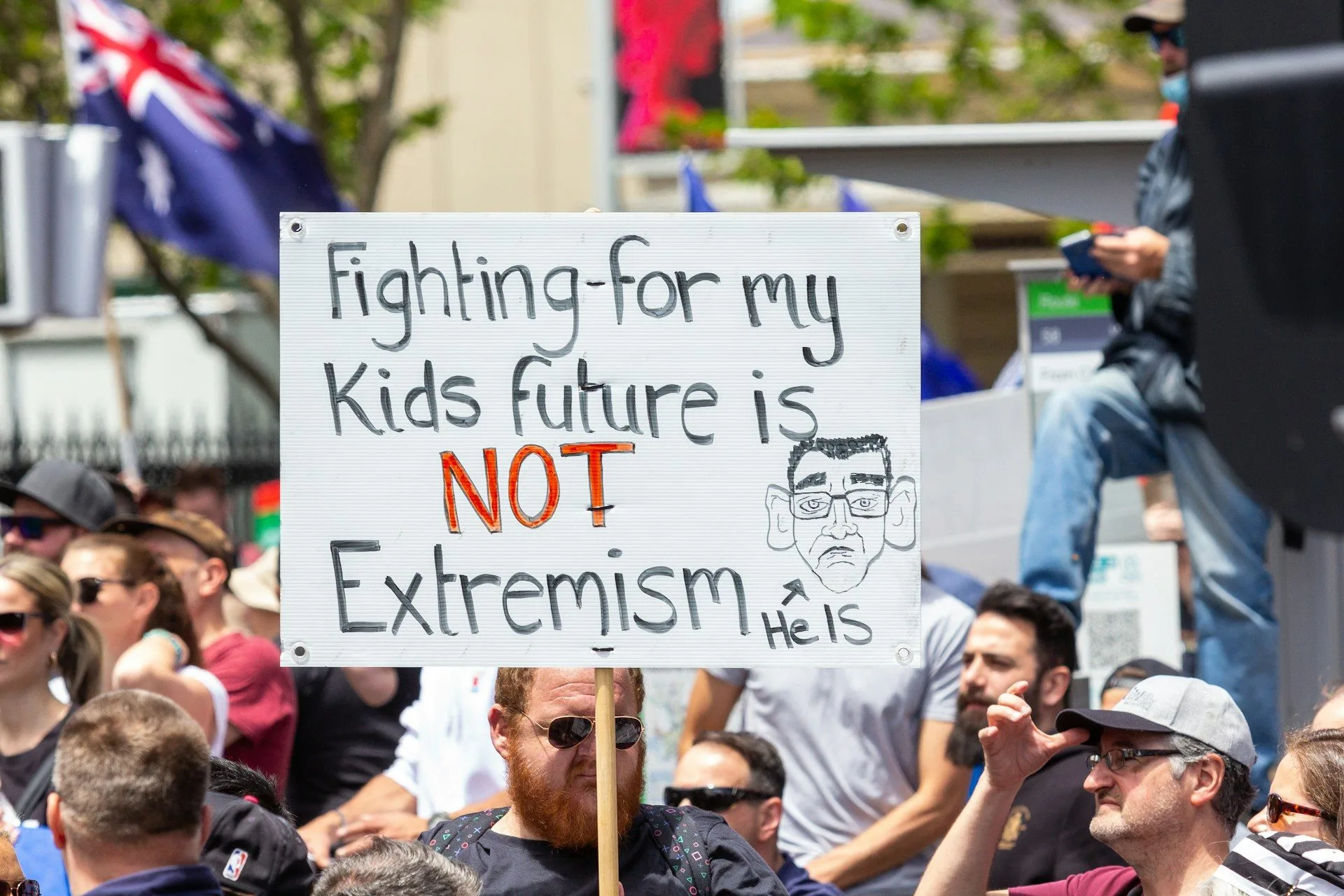
Introduction Whereas multiculturalism and populism are values that liberal European societies claim are deeply embedded with, during electoral processes, right-wing
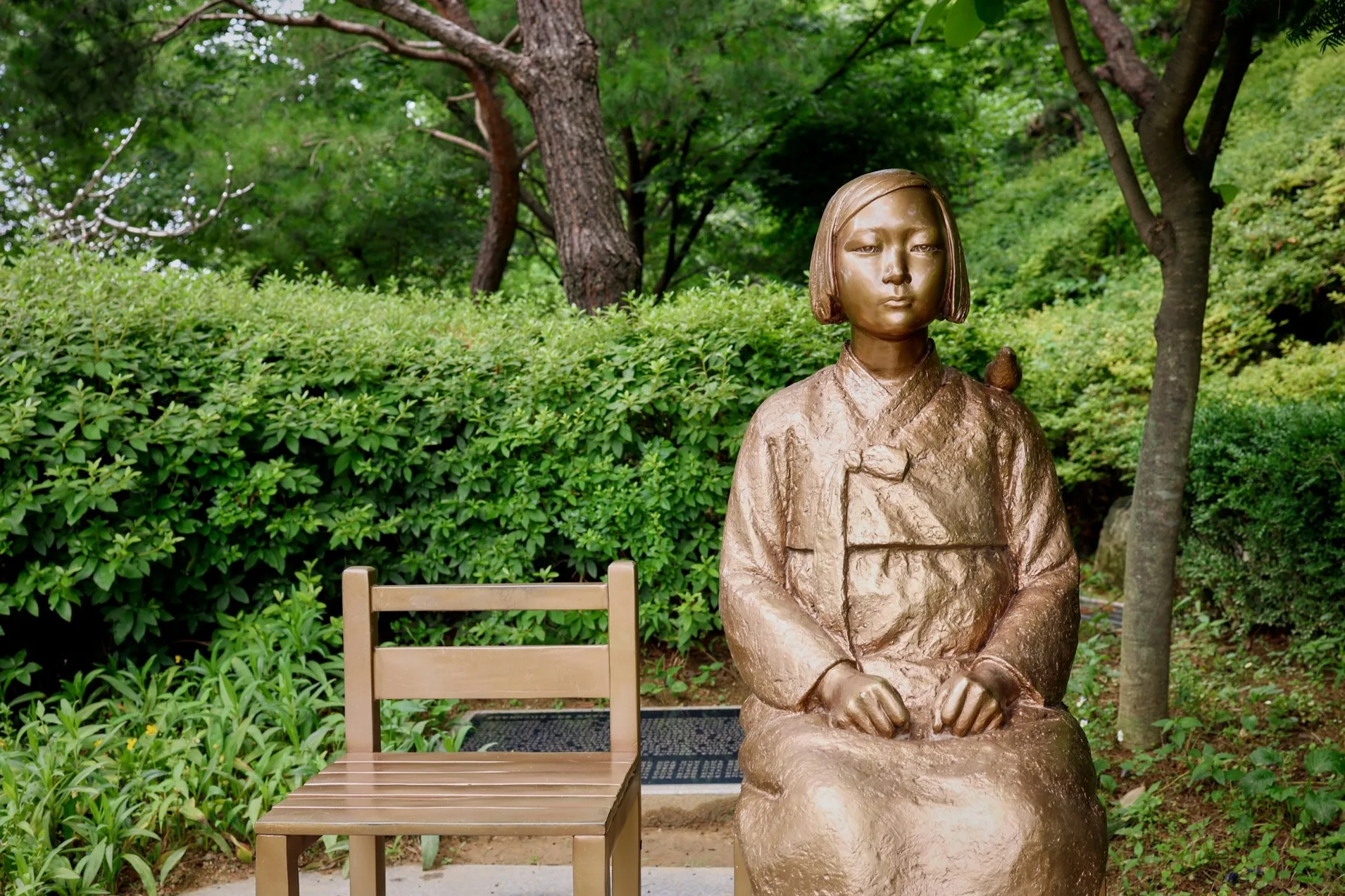
The comfort women system was a systematic sexual slavery operation of Japan during the Second World War. Hundreds of thousands of Asian women were kidnapped and put into military brothels, and forced to sexually entertain Japanese soldiers. Several decades later this is still a major dispute between Japan and South Korea and the issue does not seem to be resolved any time soon.
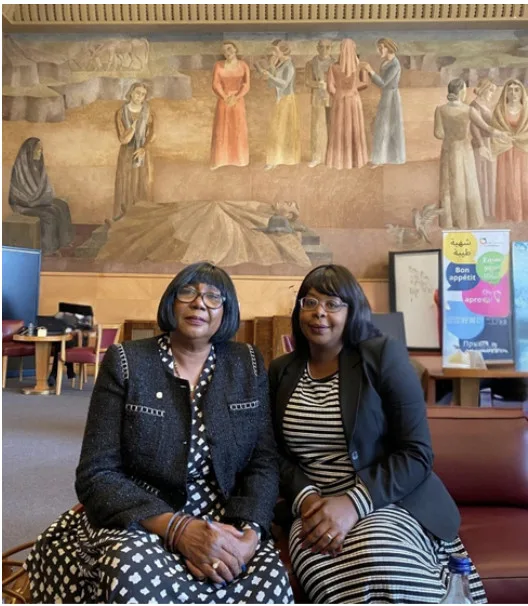
In an interview with GHRD, Mariam Shaw, a Sudanese activist and President of TYFA, discusses her motivation to advocate for women and children affected by armed conflict in Sudan. Shaw, who has experienced war and displacement since childhood, highlights the dire situation in Sudan where millions are displaced, facing trauma, hunger, and a lack of basic necessities. She emphasizes the oppression by military factions and the urgent need for humanitarian aid, calling out the blocked support and atrocities against civilians, especially women who endure sexual violence. Shaw criticizes the international community’s inadequate response and implores for justice and protection for those suffering in Sudan.
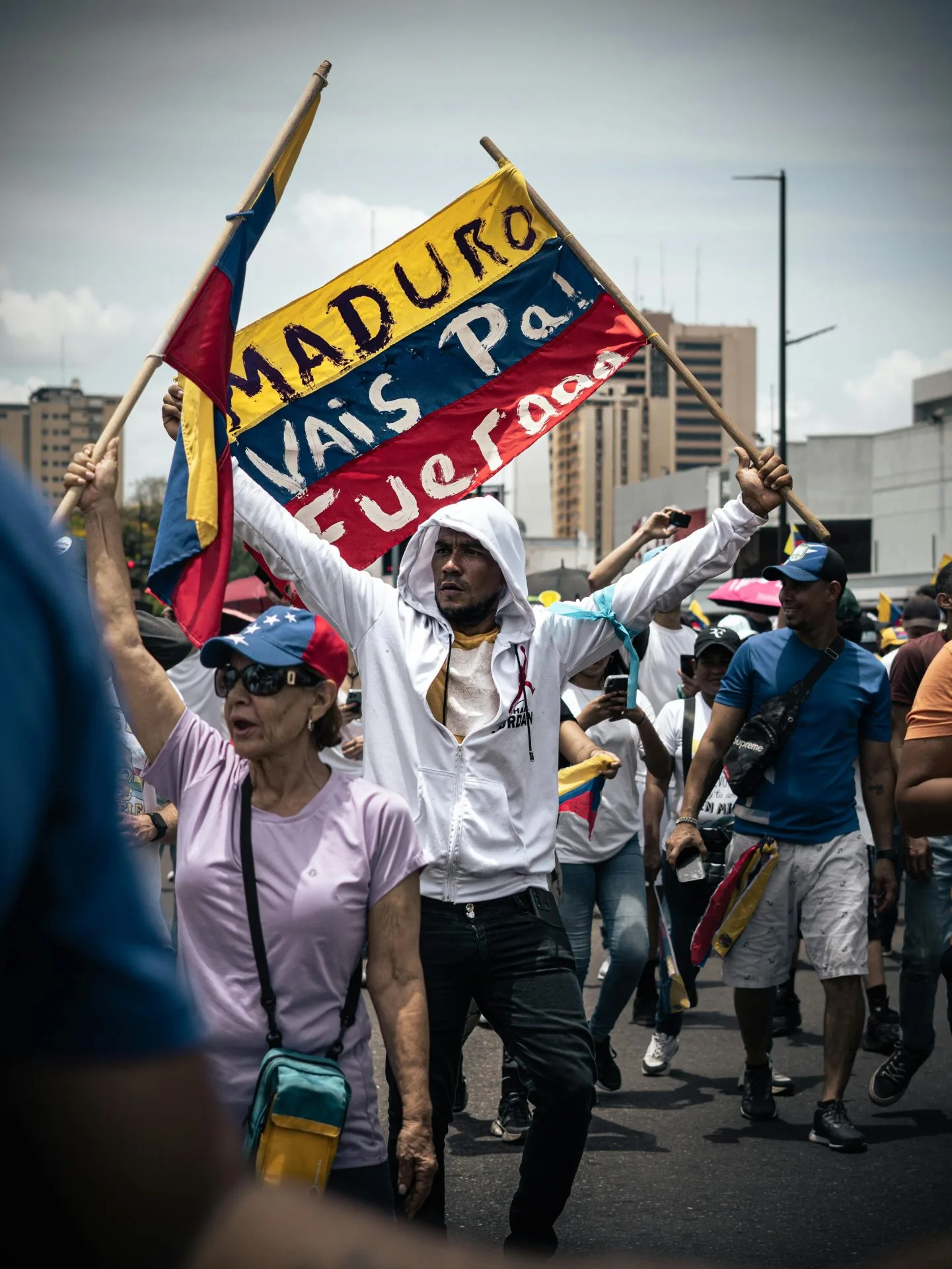
In Venezuela, the promise of international justice has collided with the harsh realities of a state unwilling to hold perpetrators accountable. While the ICC relies on the principle of positive complementarity, its impact has been limited by political obstruction and a weakened judiciary. In contrast, civil society organisations have stepped into the void, documenting abuses, advocating for victims, and ensuring that justice reaches those most affected. In this sense, CSOs embody a form of “real complementarity,” transforming international legal frameworks into tangible pathways for accountability on the ground.
This article examines Poland’s EU-funded migrant integration centres programme and the refusal of Małopolska province to participate. It highlights how political rhetoric around migration can undermine integration efforts and expose migrants to discrimination, exclusion, and rights violations. The piece argues that integration centres are essential for dignity, access to services, and social cohesion.
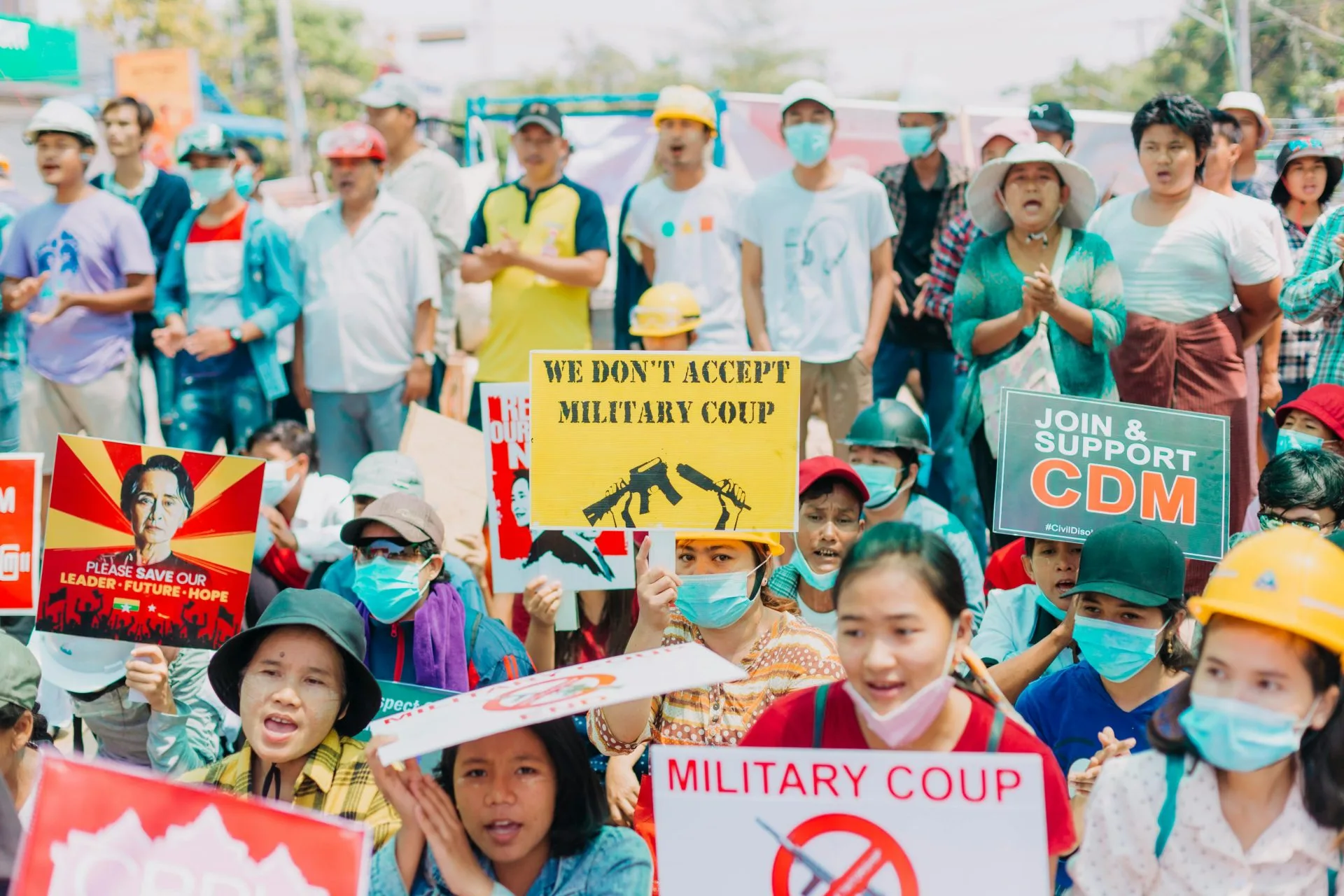
Myanmar’s civil war is one of the most complex humanitarian crises in Southeast Asia. Ethnic minorities play a central role in the resistance against the military but suffer the most consequences.
What are PMCs Private military and security companies (PMSCs) are for-profit firms that offer armed protection, training, logistics, intelligence, and
Introduction The ongoing aid blockade in Gaza, particularly with regard to the draconian restrictions on humanitarian relief imposed during the
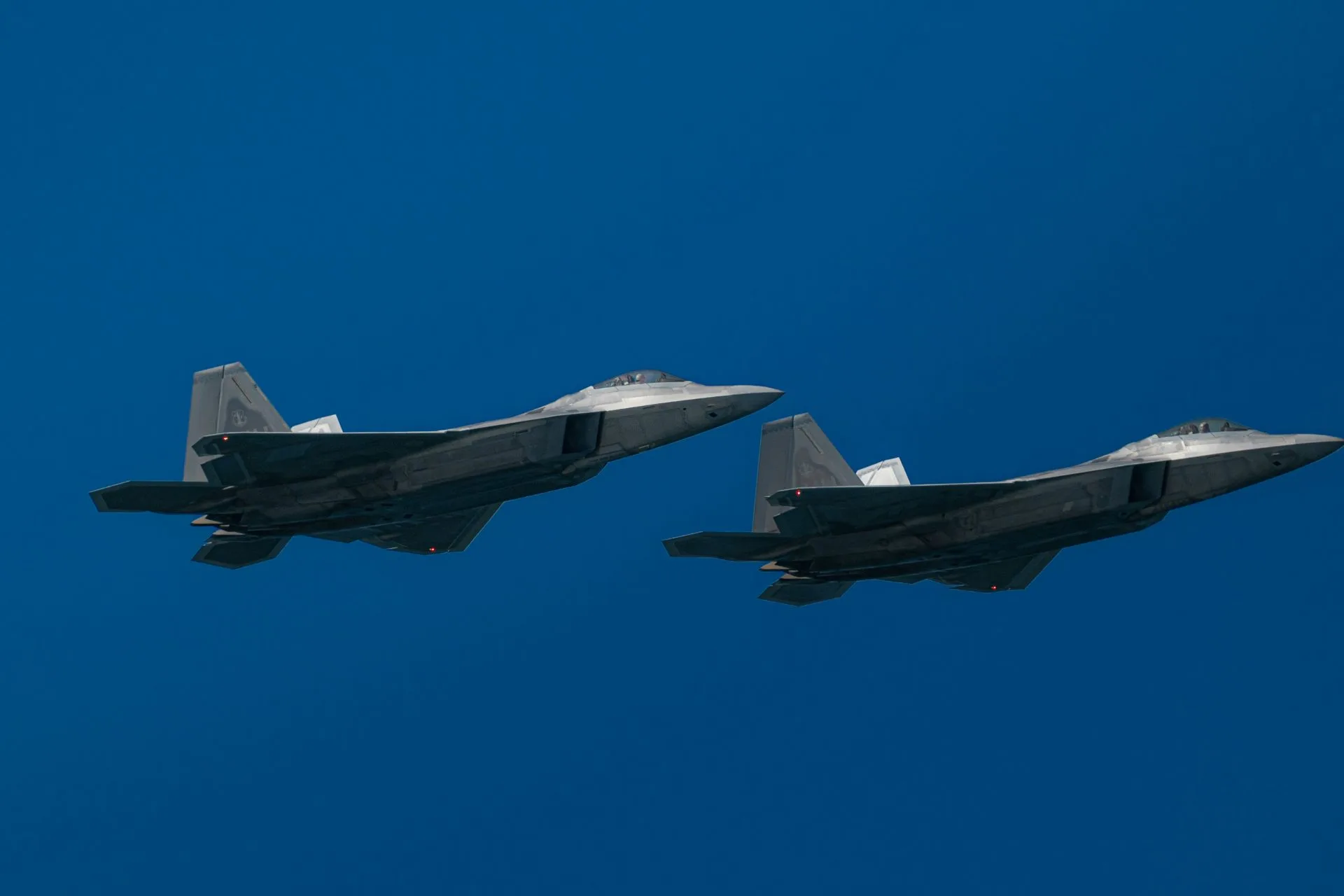
Introduction Since Russia’s full-scale invasion of Ukraine in 2022, Russia has caused many civilian casualties, which has had a huge