Article

Article

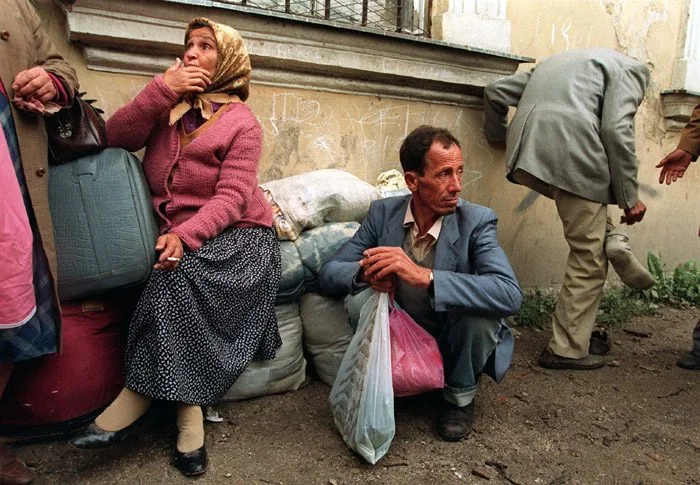
Human Safaris and the Bosnian Siege: Uncovering Allegations from the 90s

The breakup of Yugoslavia in the 1990s reactivated nationalist tensions and led to the war in Bosnia. During the siege of Sarajevo, reports emerged of so-called “human safaris,” in which foreign individuals allegedly paid to shoot at civilians from the surrounding hills. Italian writer Ezio Gavazzeni brought these allegations to justice, and testimonies and documents from the Hague Tribunal have reinforced calls to investigate the case. In 2025, the Milan Public Prosecutor’s Office opened a formal investigation into possible intentional homicides linked to these events.


Child with Rock near Coupe
Article

Breaking the Cycle: MP Esmah Lahlah on Combating Child Poverty

As the European Union prepares a new Anti-Poverty Strategy, child poverty remains one of the most pressing and persistent challenges facing the Union. Affecting nearly one in four children, poverty undermines not only material well-being but also children’s fundamental right to dignity. In this interview, Dutch Member of Parliament Esmah Lahlah reflects on the long-term consequences of child poverty and explores how law and policy at national and EU level can break entrenched cycles of disadvantage.

A man at work.
Article

Kuwait’s Manufactured Bidoon Crisis: The Humanitarian Impacts of Statelessness

The Bidoon population of Kuwait live in a system that denies them their basic rights while framing them as “illegal” in their own homeland. Deprived of citizenship, essential services, and political participation they face barriers across education, healthcare, and employment. This article therefore examines how state policies have engineered a humanitarian crisis that continues to shape every aspect of Bidoon life.

Article

Preventing Genocide and a Humanitarian Catastrophe in Sudan

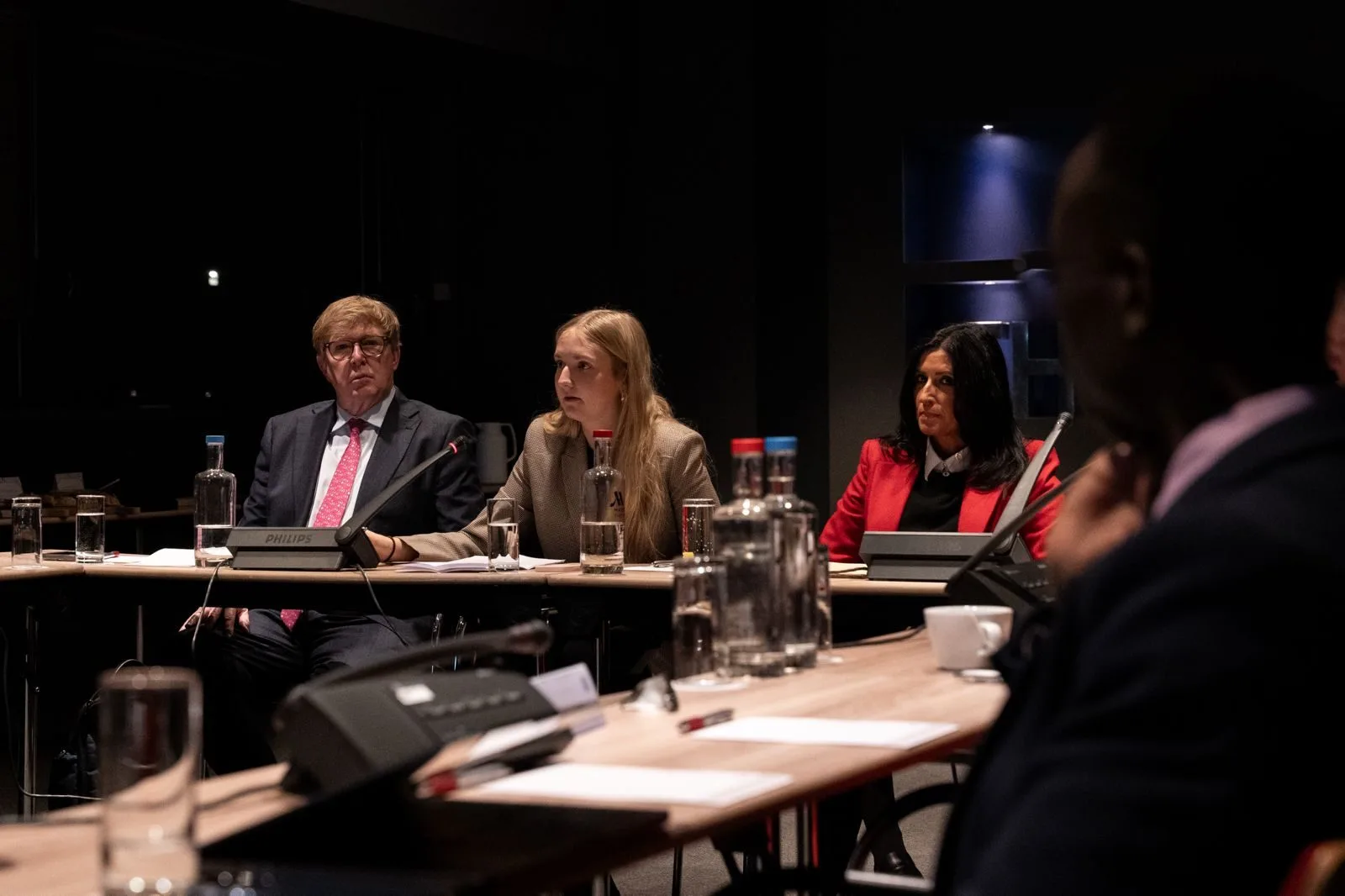
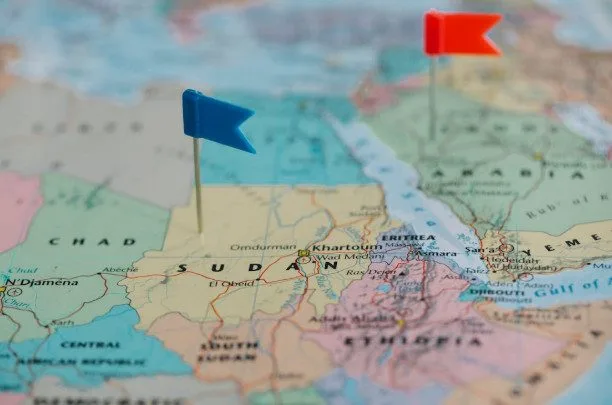
At this ASP side event in The Hague, panellists examined the devastating human rights situation in Sudan, including mass displacement, targeted violence against women and girls, and the challenges of documenting atrocities amid repression and internet shutdowns. The discussion emphasised the need for coordinated accountability efforts, action against complicit external actors, and stronger support for Sudanese civil society.

Article

How does Israel’s AI-assisted targeting system in the Gaza Strip violate the principles of IHL?

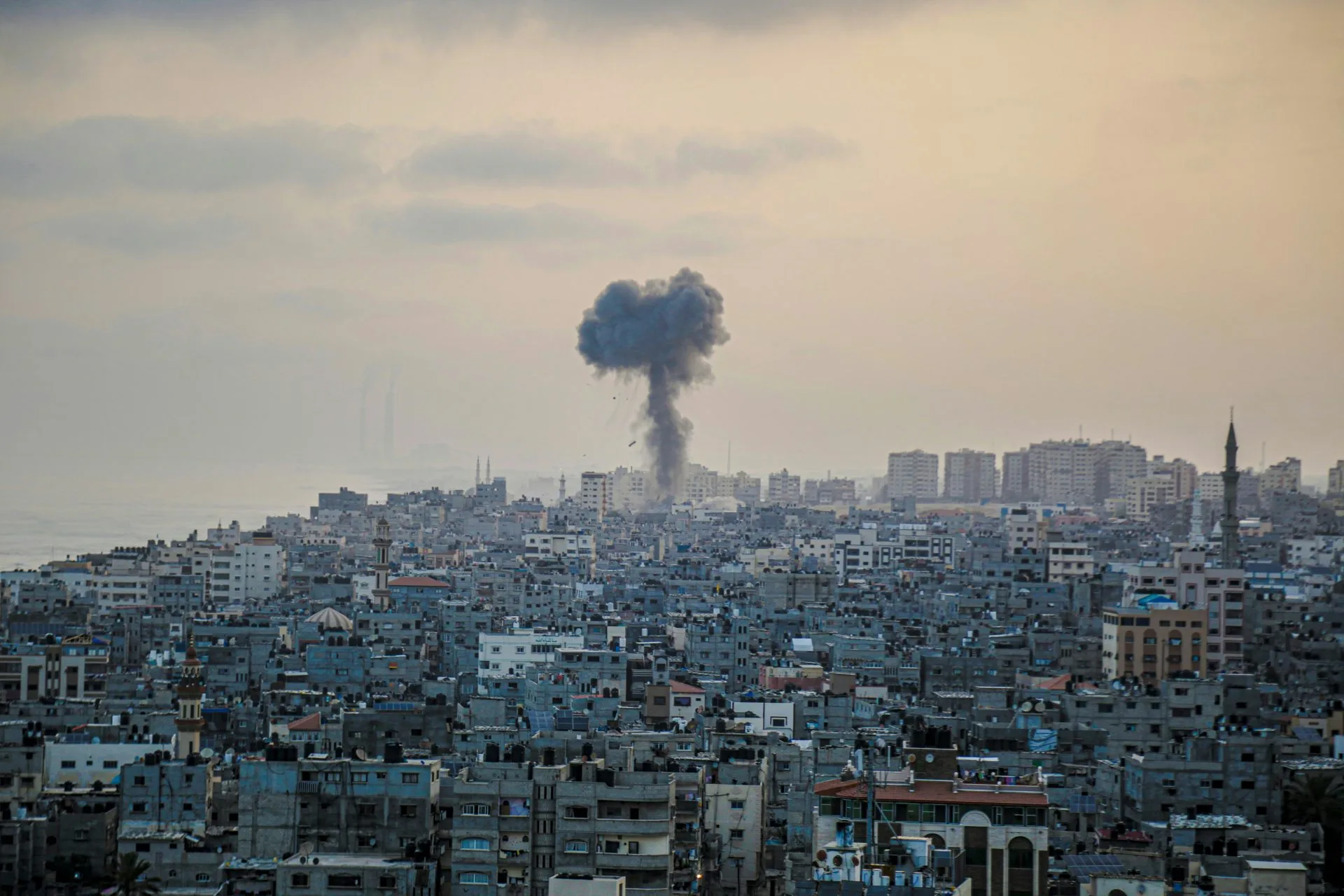
The conflict between Israel and Palestine, rooted in over a century of historical and ideological disputes, has evolved with technological influences, particularly the integration of Artificial Intelligence (AI) in military operations. Recent uses of AI, such as the AI Decision Support Systems (AI-DDS) by the Israeli Defence Forces (IDF) in the Gaza Strip, have enhanced targeting and surveillance capabilities. However, these developments raise significant legal and ethical concerns related to International Humanitarian Law (IHL), which aims to protect those not participating in hostilities. This article explores whether the employment of AI in warfare aligns with IHL principles, focusing on its implications within the ongoing Israel-Palestine conflict, despite Israel not having ratified crucial IHL protocols.

Article

Tunisia’s Human Rights Crackdown Intensifies State Violence Against Civil Society Workers

This article examines Tunisia’s escalating crackdown on civil society, where NGOs and human rights defenders face arbitrary detention, financial restrictions, and legal harassment. It highlights a broader decline in democratic freedoms and increasing state control under the pretext of national security. The situation raises serious concerns about shrinking civic space and violations of fundamental rights.