Article

Photo source: Photo by Annie Spratt. Via Unsplash/September 18, 2018.
Article

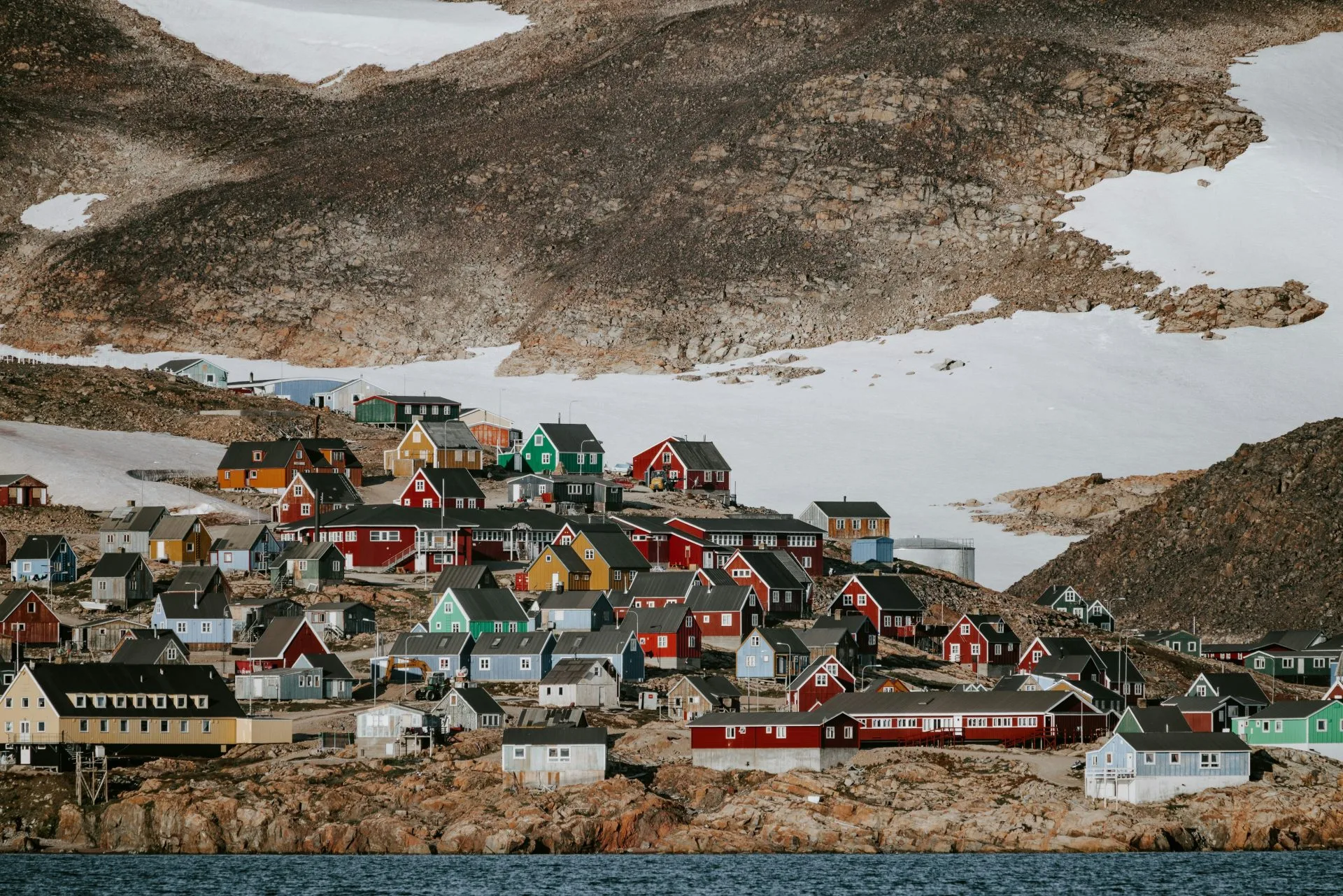
Greenland Is Not for Sale 

This article argues that attempts to treat Greenland as a strategic asset or negotiable territory undermine the Greenlandic people’s right to self-determination. It examines the issue through the lens of indigenous rights, international law, and the revival of expansionist foreign policy doctrines. The piece emphasizes that Greenland’s future must be decided by its people, not external powers.

Article

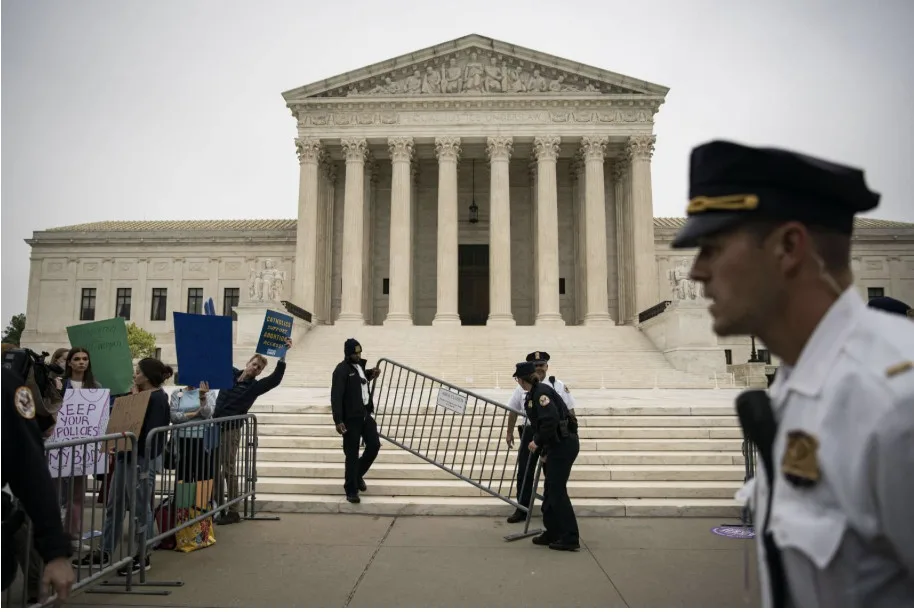
How International Law Regulates the Use of Chemical Agents at Demonstrations

This article reports on an acid attack against a KontraS activist in Indonesia after he criticised the military’s growing role in civilian life. The case raises serious concerns about intimidation of human rights defenders, shrinking civic space, and the need for an independent investigation into alleged military involvement.

Article

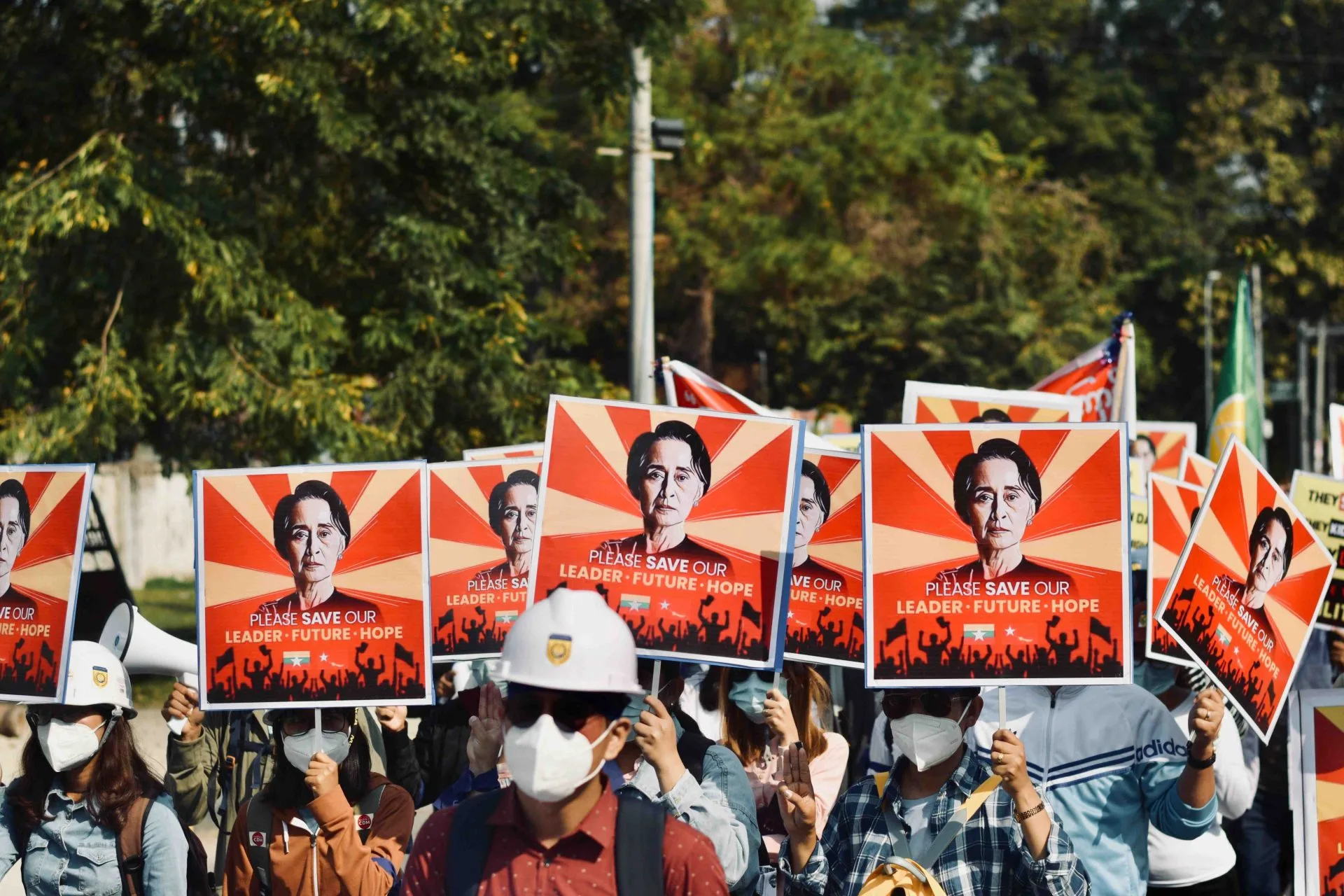
Electoral Processes in Myanmar: Political Exclusion and Legitimacy

The recent 2025-2026 Myanmar general elections were conducted under military control, in a fragmented and insecure environment. Many townships, particularly in ethnic minority regions, were excluded from voting, while opposition parties faced disqualification under restrictive laws. Coercion, repression, and limited access to political participation render the election unfree and unfair, in violation of international standards.

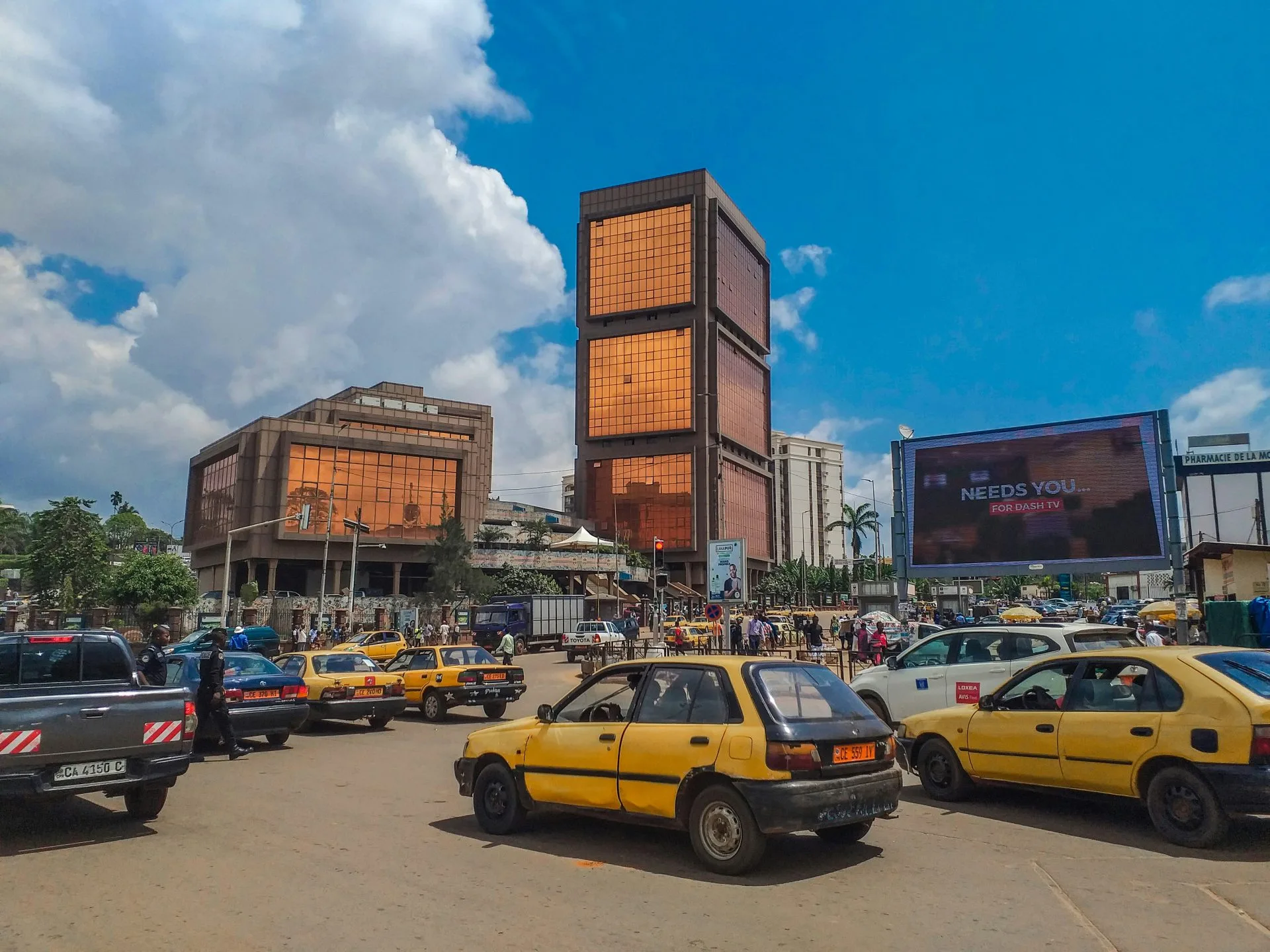
Busy street in Cameroon
Article

Authoritarianism, Resistance, and Repression: Unpacking Cameroon’s 2025 Presidential Election

Cameroon’s 2025 election extended Paul Biya’s 43-year rule amid allegations of fraud, repression, and killings. Opposition leaders rejected results, protests erupted, and security forces used lethal force. Longstanding authoritarianism, Anglophone conflict, mass arrests, and international concern underscore a deeply flawed electoral process and worsening human rights crisis, nationwide instability persists.

Article

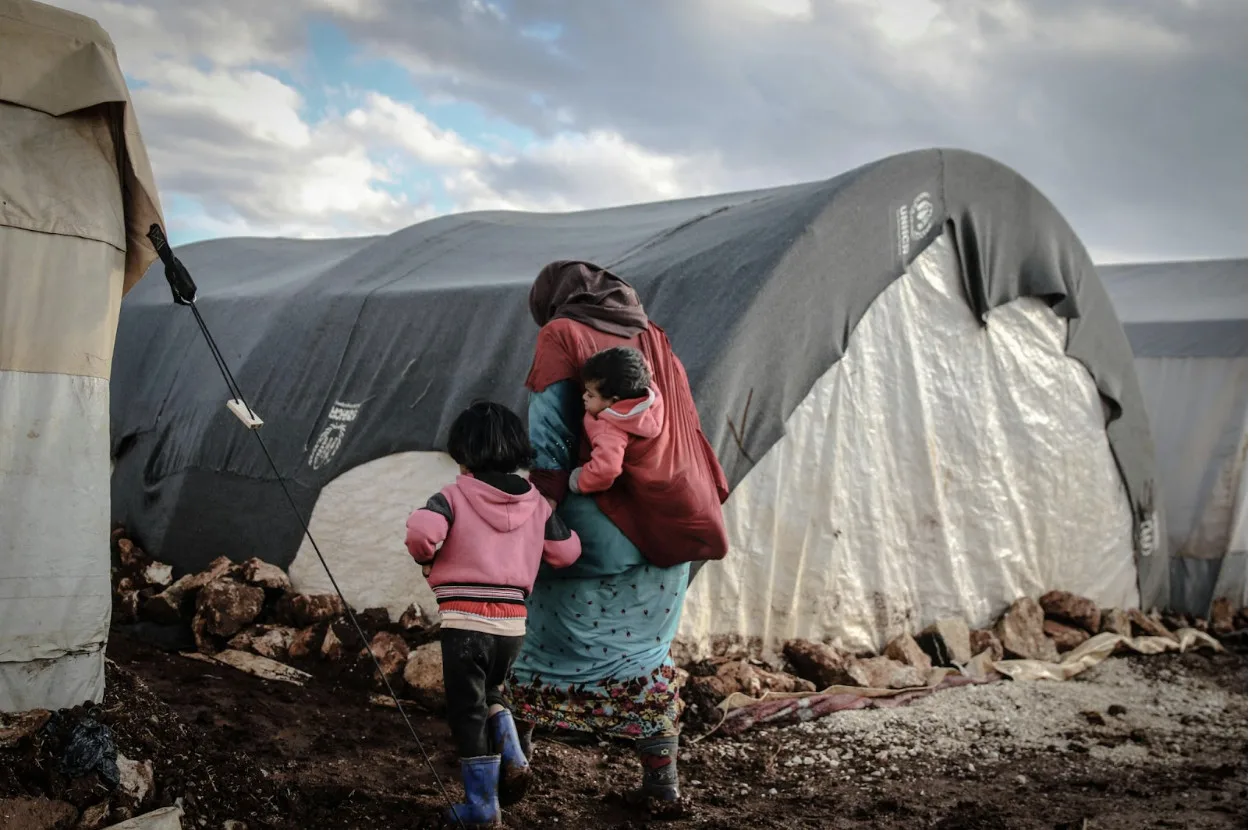
Child Poverty as a Violation of Human Dignity under International Human Rights Law

Child poverty is a significant yet overlooked issue, impacting millions globally despite legal frameworks that recognize it as a violation of human rights. The article emphasizes that poverty affects not only the economic well-being of children but also their development and future opportunities. Various international treaties, including the Universal Declaration of Human Rights and the Convention on the Rights of the Child, obligate governments to ensure every child’s access to essential needs like nutrition, education, and healthcare. The persistence of child poverty, particularly in the EU where over 20 million children are at risk, highlights the gap between laws and actual conditions, urging a need for political accountability and effective resource allocation to improve the lives of affected children.