Africa

Article

Ethiopian Orthodox Tewahedo Christians: Religious and Ethnic Persecution

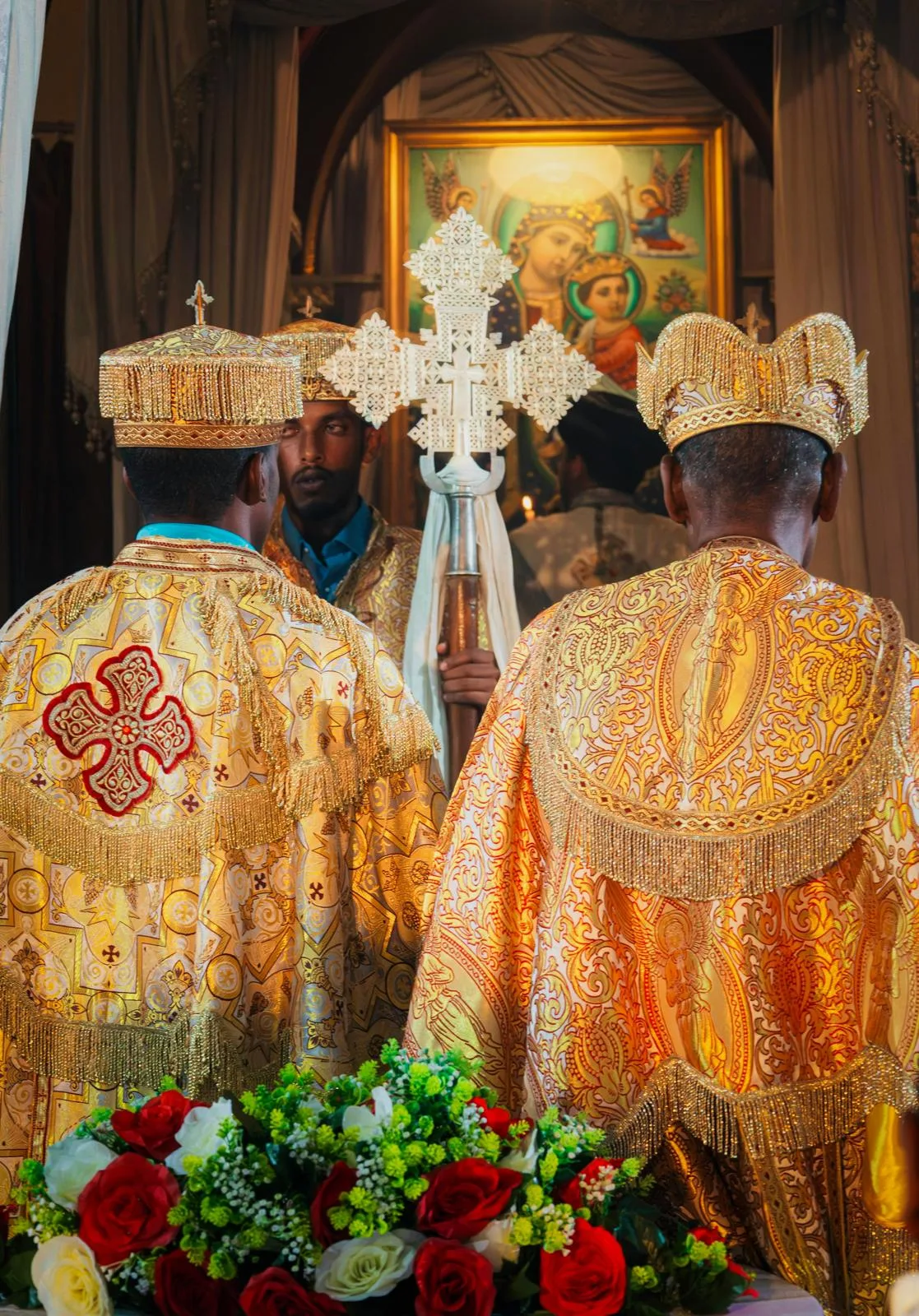
This article explores the escalating violence and institutional persecution faced by Amhara Orthodox Christians in Ethiopia within the broader context of ethnic federalism and political conflict. It examines how the Ethiopian Orthodox Tewahedo Church’s cultural and historical influence has increasingly been perceived as a political threat, contributing to targeted violence, displacement, arbitrary arrests, and attacks on religious institutions. The article further analyses whether these patterns of abuse may amount to crimes against humanity or genocide under international law.
Article

The Practice of Kindoki: A Child’s Rights Perspective in the Democratic Republic of the Congo

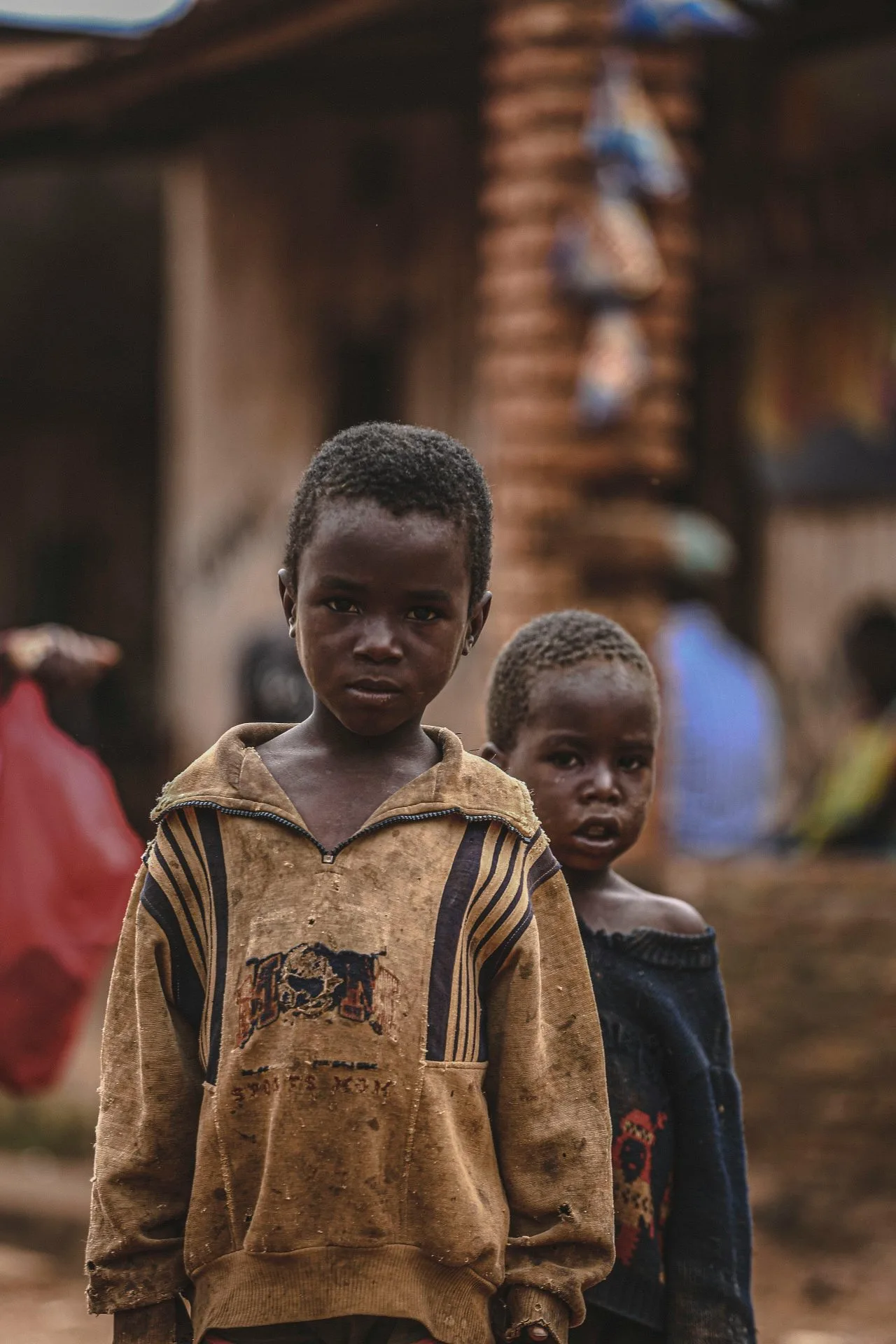
This article examines the phenomenon of Kindoki in the Democratic Republic of the Congo and its devastating impact on children accused of witchcraft. It explores how poverty, conflict, social instability, and unregulated religious practices contribute to violence, abuse, abandonment, and severe human rights violations against vulnerable children. The article also analyses the gaps between existing legal protections and weak enforcement mechanisms that allow these harmful practices to persist.

Article

Sexual and Gender-Based Violence as a Weapon of War

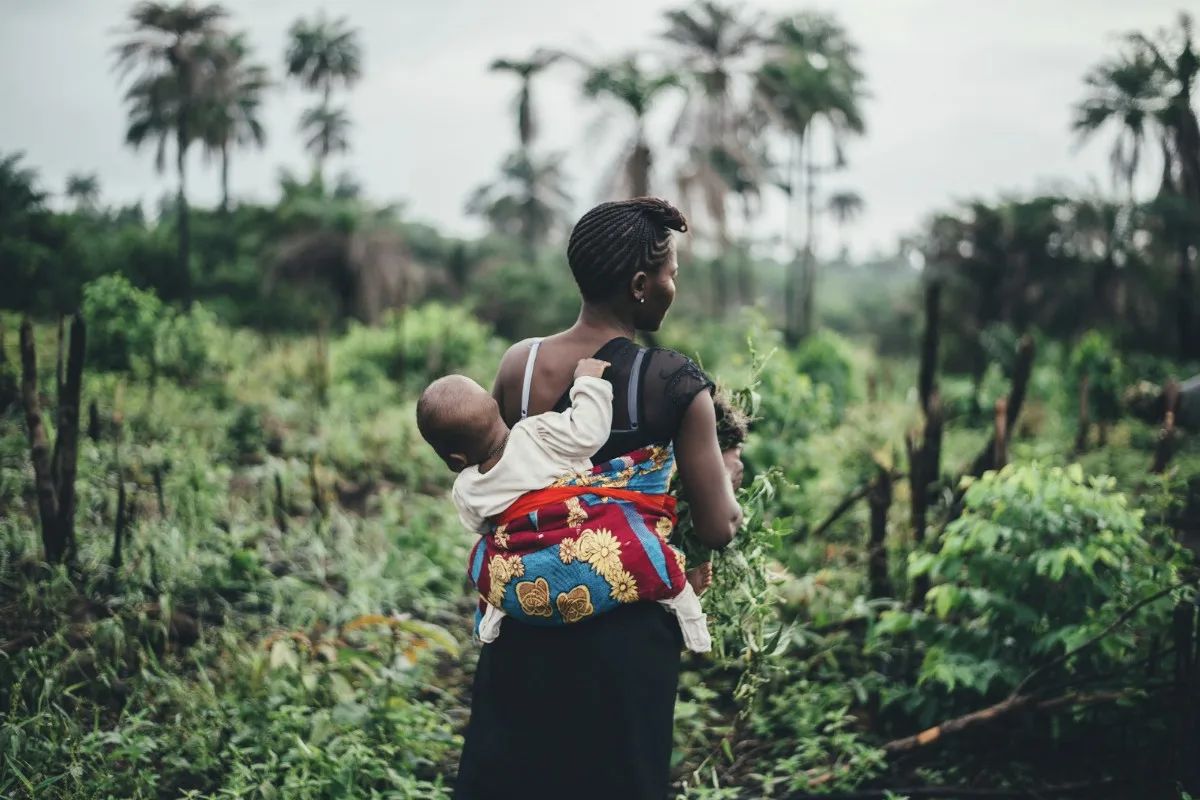
Across Africa’s conflict zones, sexual violence is not merely a by-product of war but a deliberate strategy used to terrorise, control, and destroy communities. From Sudan to the Democratic Republic of Congo and the Central African Republic, women and girls are systematically targeted, while international law has struggled to translate recognition of these crimes into meaningful accountability. This article examines how sexual violence has been weaponised in conflict, the evolution of its recognition in international law, and the persistent barriers that continue to deny survivors justice.

Article

Silencing Faith in Algeria: Violence And Oppression Against Religious Communities

This article examines the increasing restrictions and persecution faced by religious minorities in Algeria, particularly Ahmadi Muslims and Kabylian Protestants. It highlights arbitrary prosecutions, church closures, surveillance, and legal barriers that prevent minority communities from freely practising their faith. The piece argues that Algeria’s current legal framework and enforcement practices fall short of its obligations under international human rights law.

Article

Land Without People: The Impact of Green Colonialism on the Rights of Indigenous Communities in Africa

This article examines how “green colonialism” in Africa—through conservation projects, carbon markets, and renewable energy initiatives—has led to the displacement and marginalisation of Indigenous communities. Despite contributing minimally to climate change, Indigenous peoples face land dispossession, forced evictions, and loss of cultural identity as governments and external actors prioritise environmental and economic interests. The piece argues that existing legal frameworks fail to adequately protect Indigenous rights, allowing climate solutions to reproduce historical patterns of exploitation and inequality.

Article

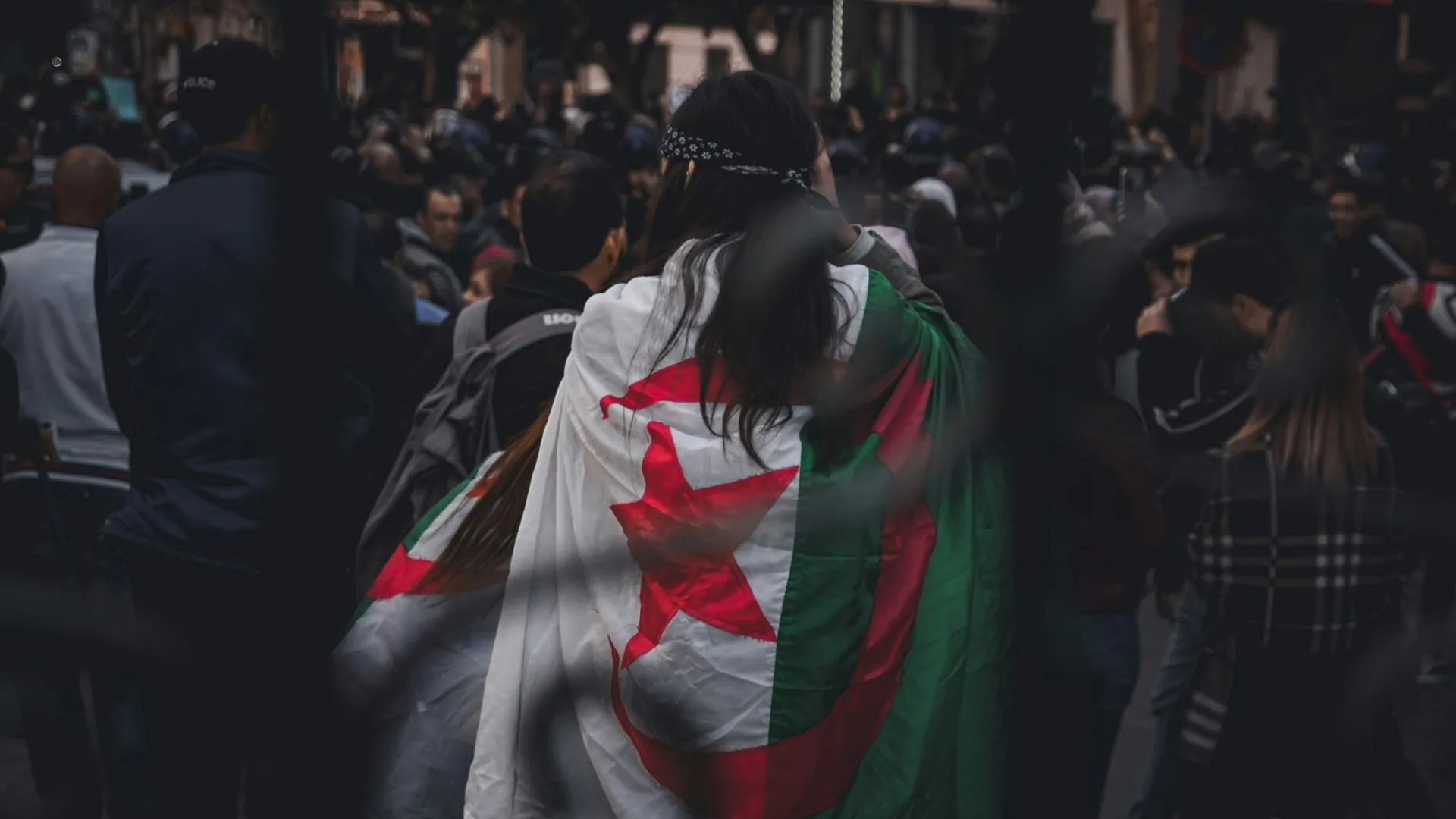
Citizenship as a Weapon for Repression: Algeria’s Nationality Law and the Suppression of Dissent

This article examines how “green colonialism” in Africa—through conservation projects, carbon markets, and renewable energy initiatives—has led to the displacement and marginalisation of Indigenous communities. Despite contributing minimally to climate change, Indigenous peoples face land dispossession, forced evictions, and loss of cultural identity as governments and external actors prioritise environmental and economic interests. The piece argues that existing legal frameworks fail to adequately protect Indigenous rights, allowing climate solutions to reproduce historical patterns of exploitation and inequality.

Western Sahara
Article

The Sahrawi Women’s Continuous Struggle Against Occupation

This article examines the central role of Sahrawi women in resisting Moroccan occupation and documenting human rights abuses in Western Sahara. It highlights how women activists face gendered violence, surveillance, and institutional harassment because of their leadership in the struggle for self-determination. The piece underscores that protecting Sahrawi women is essential to any meaningful path toward justice and decolonisation.

Eu parliament
Press release

Holocaust Remembrance Day and the Imperative of Early Action on Human Rights

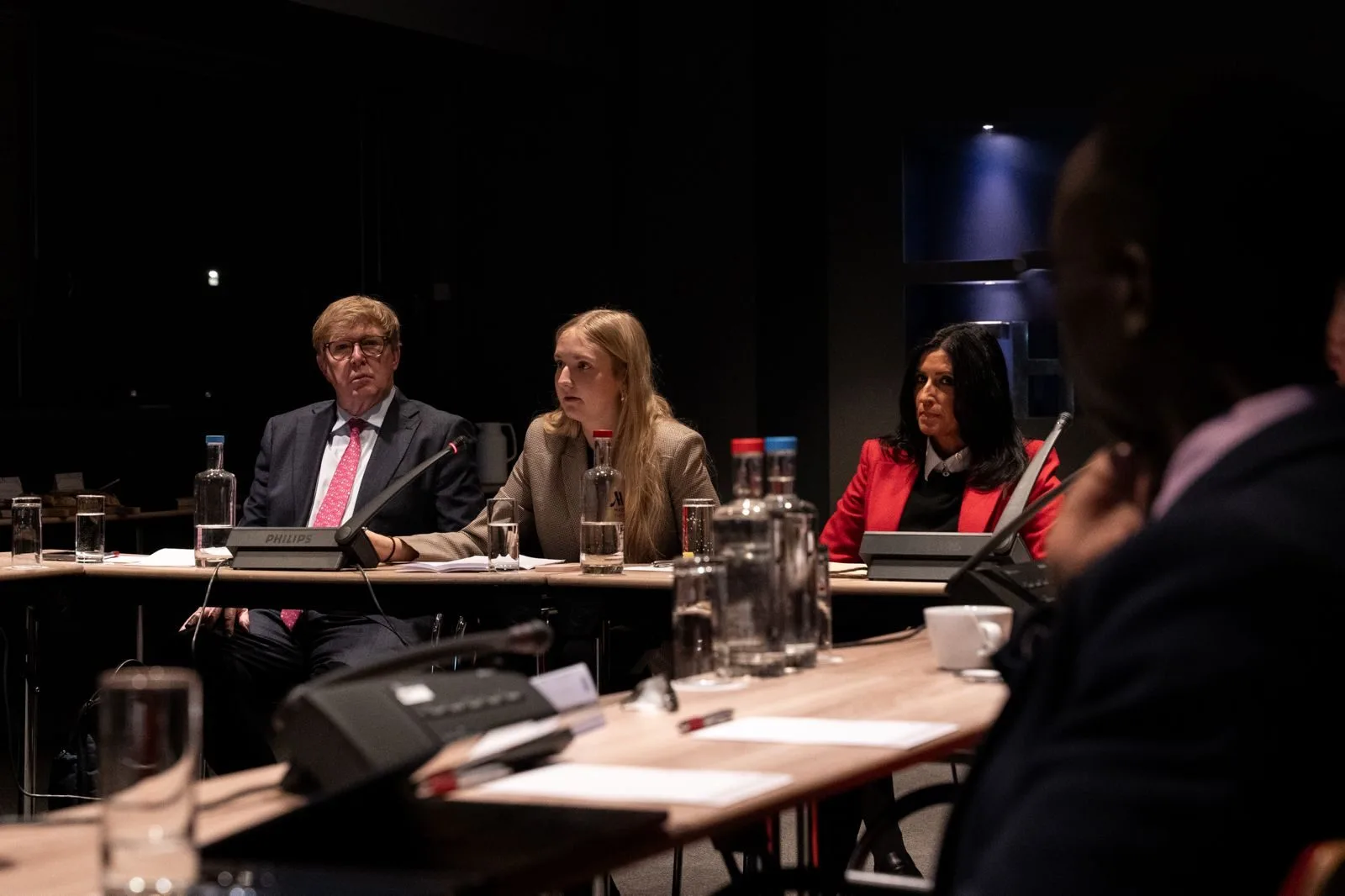
On Holocaust Remembrance Day, the European Parliament’s Subcommittee on Human Rights (DROI) dedicated its deliberations to urgent cases of human rights violations and democratic backsliding across several regions. Through follow up exchanges on Guinea Bissau, Kyrgyzstan, and Rwanda, Members and invited speakers examined how coups, restrictive legislation, media repression, and unlawful detentions continue to erode democratic safeguards and fundamental freedoms. Framed by the lessons of history, the discussions underscored the risks of inaction and silence in the face of early warning signs. The exchanges highlighted the need for timely and credible responses to prevent today’s political crises from becoming tomorrow’s humanitarian catastrophes.

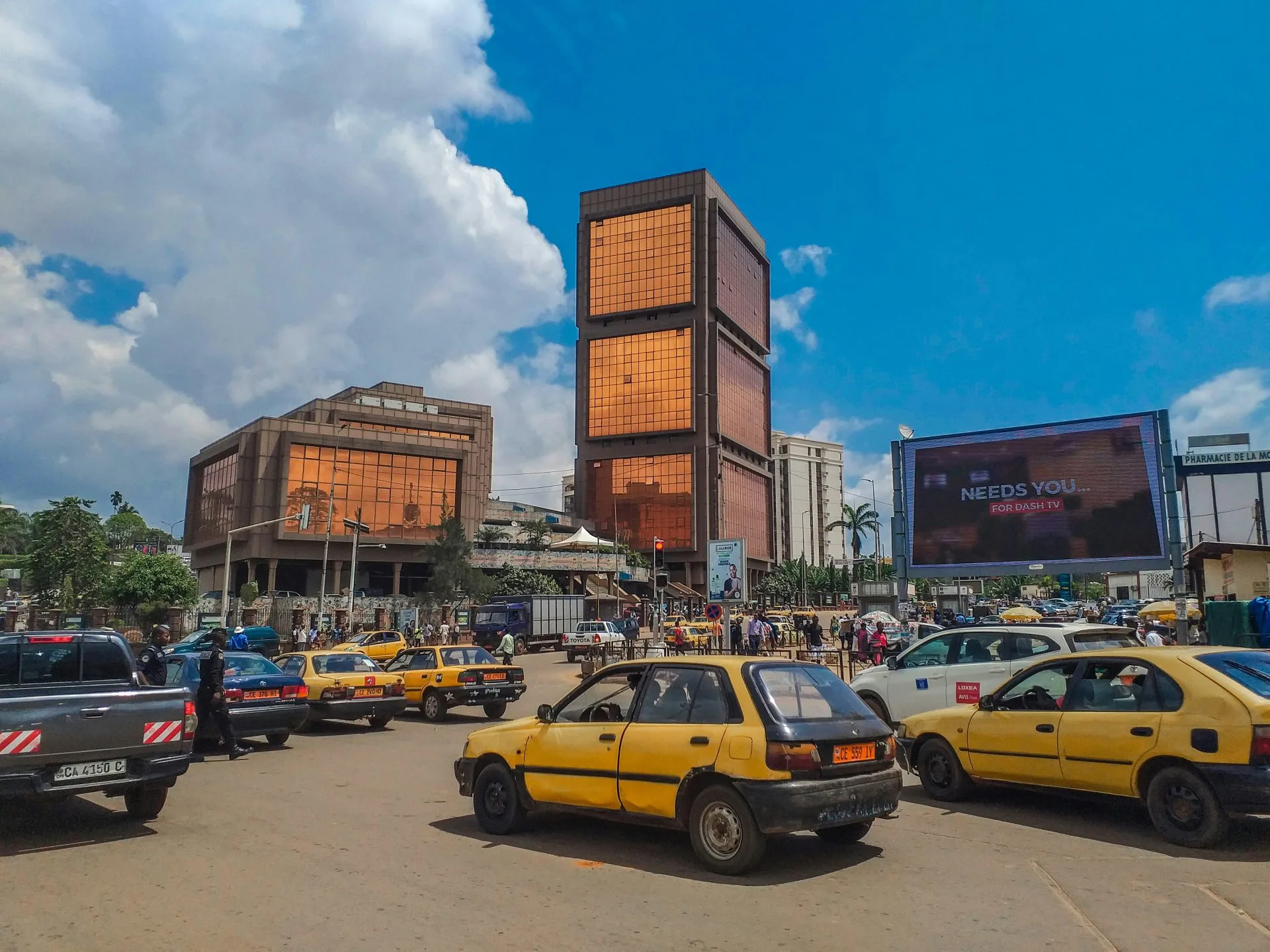
Busy street in Cameroon
Article

Authoritarianism, Resistance, and Repression: Unpacking Cameroon’s 2025 Presidential Election

Cameroon’s 2025 election extended Paul Biya’s 43-year rule amid allegations of fraud, repression, and killings. Opposition leaders rejected results, protests erupted, and security forces used lethal force. Longstanding authoritarianism, Anglophone conflict, mass arrests, and international concern underscore a deeply flawed electoral process and worsening human rights crisis, nationwide instability persists.

Article

Preventing Genocide and a Humanitarian Catastrophe in Sudan

At this ASP side event in The Hague, panellists examined the devastating human rights situation in Sudan, including mass displacement, targeted violence against women and girls, and the challenges of documenting atrocities amid repression and internet shutdowns. The discussion emphasised the need for coordinated accountability efforts, action against complicit external actors, and stronger support for Sudanese civil society.