Africa

Article

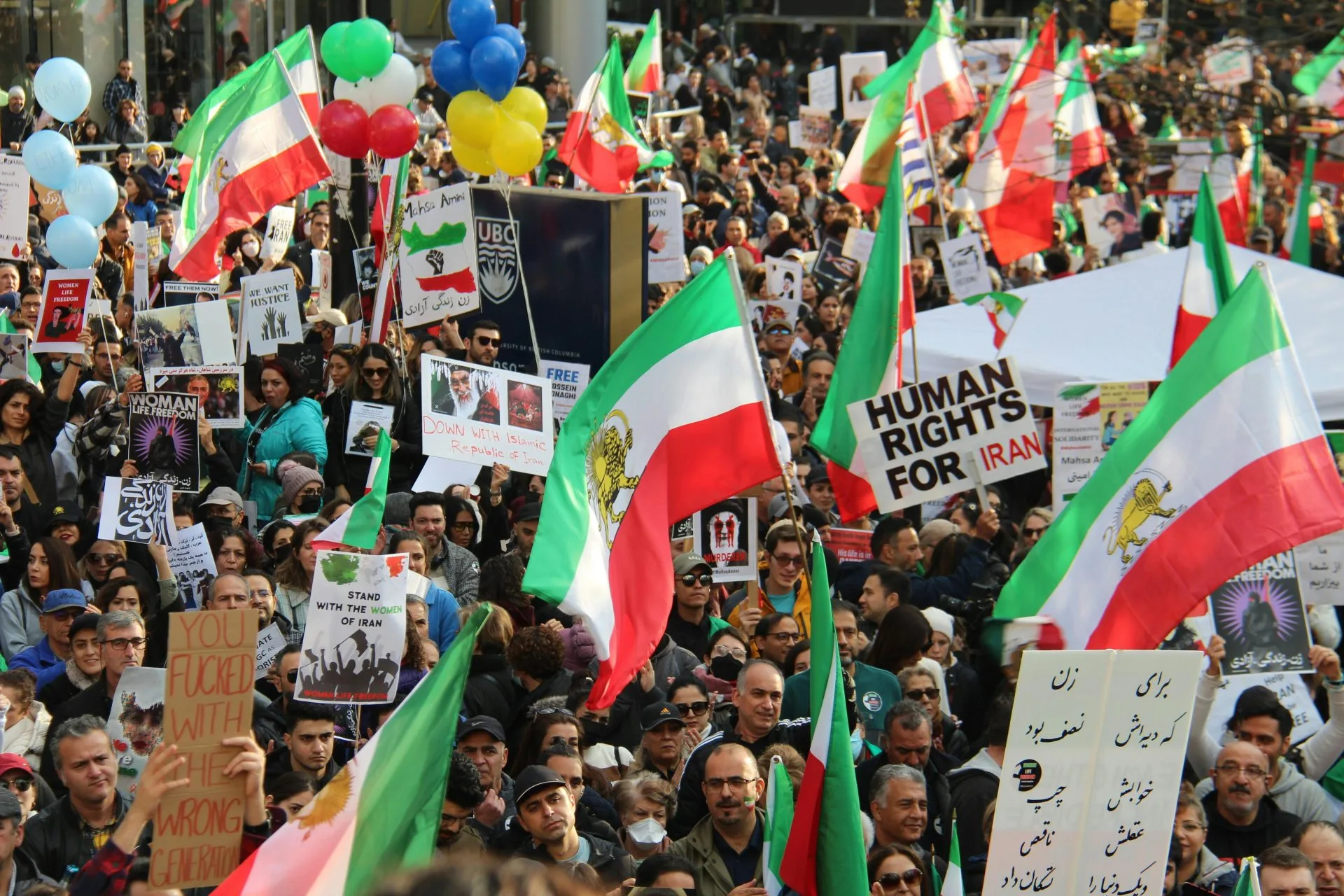
Security Over Identity: Iran’s Suppression of Ahwazi Arab Identity

This article examines the systemic discrimination faced by Iran’s Ahwazi Arab minority, focusing on the criminalisation of cultural identity, restrictions on language and expression, violent repression of protests, and the misuse of national security laws. It argues that these practices violate Iran’s obligations under international human rights law, including protections for minority rights, freedom of expression, fair trial guarantees, and the right to life.

Press release

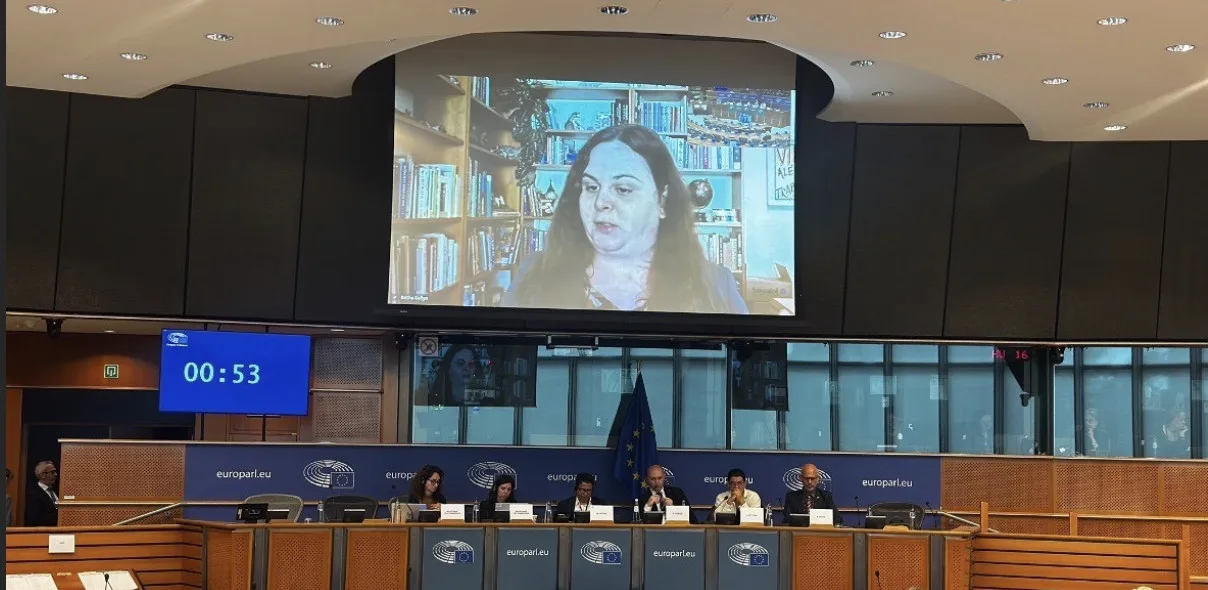
Human Rights Defenders Warn of Escalating Criminalisation and Violence Against LGBTIQ+ Communities in Africa

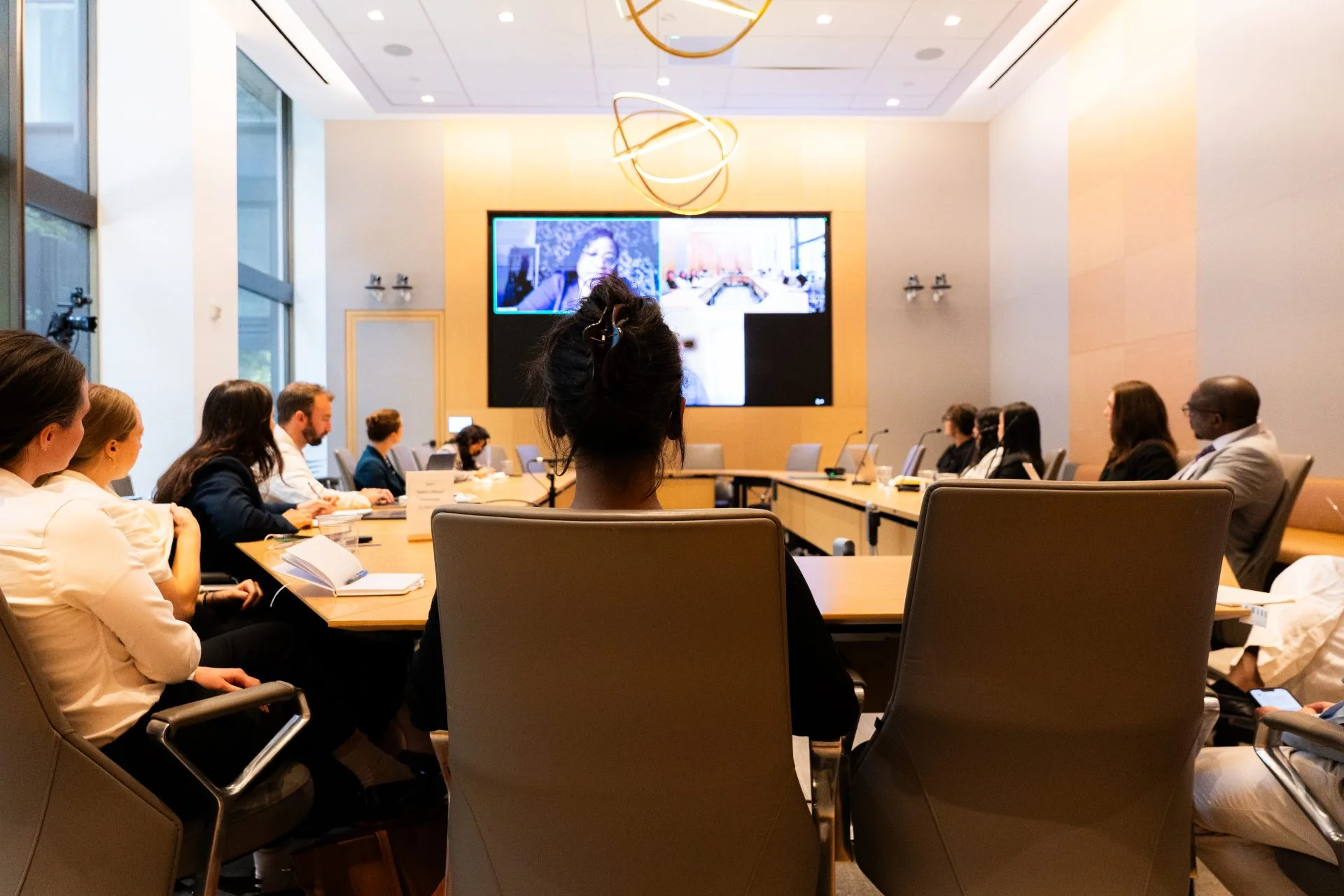
This article summarises a European Parliament DROI exchange of views on the escalating criminalisation, violence, and discrimination faced by LGBTIQ+ persons, particularly across Africa and among displaced queer communities. Speakers highlighted how anti-rights legislation increasingly targets identity, advocacy, healthcare, and public expression, while displaced LGBTIQ+ refugees face severe violence, exclusion, and humanitarian neglect. The discussion stressed the importance of sustained EU engagement, protection for human rights defenders, stronger asylum safeguards, and support for locally led initiatives grounded in universal human rights principles.

Press release

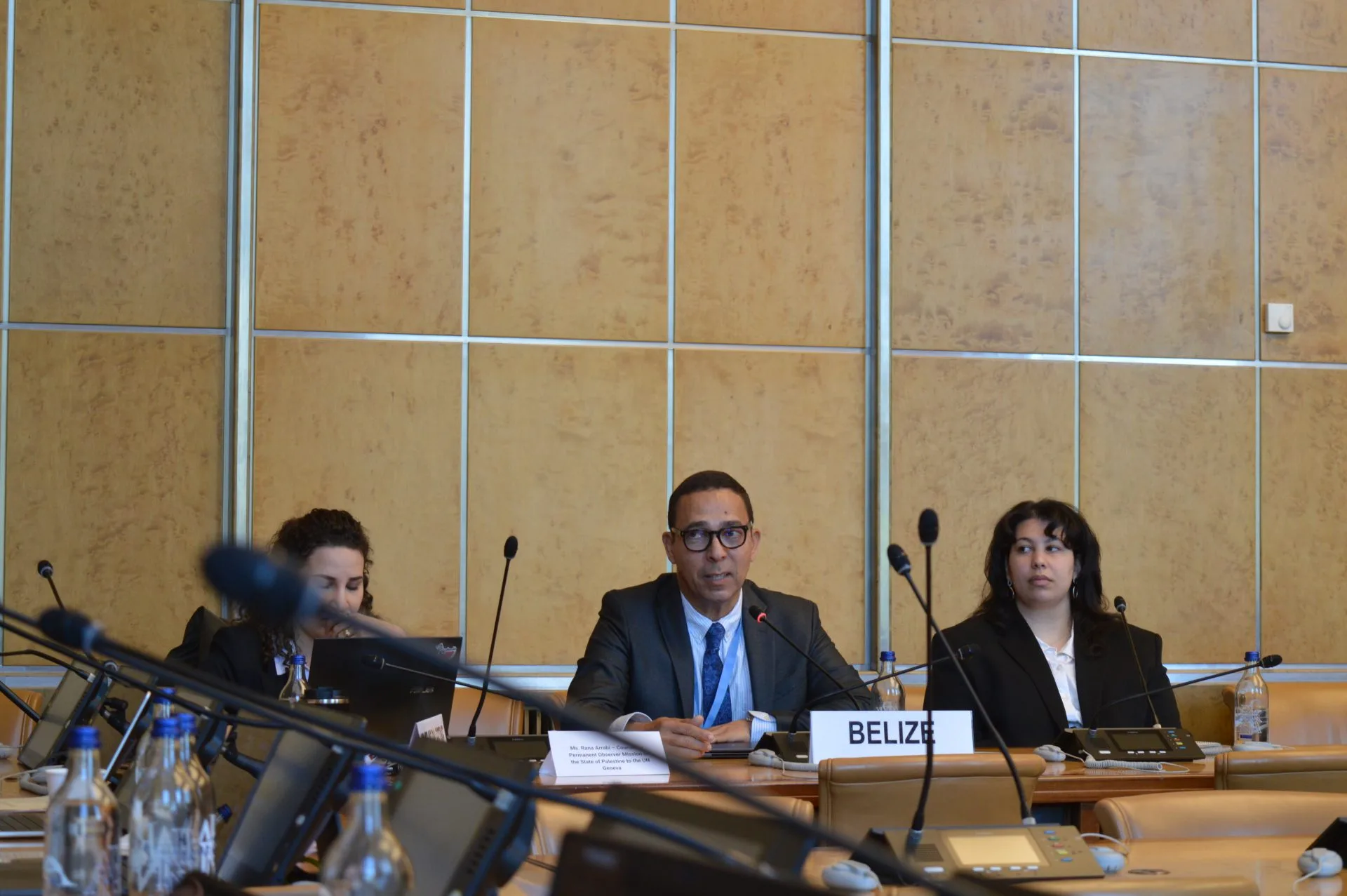
GHRD And The International Day Of Multilateralism And Diplomacy For Peace

This article examines the central role of Sahrawi women in resisting Moroccan occupation and documenting human rights abuses in Western Sahara. It highlights how women activists face gendered violence, surveillance, and institutional harassment because of their leadership in the struggle for self-determination. The piece underscores that protecting Sahrawi women is essential to any meaningful path toward justice and decolonisation.

Article

The Right to Self-Determination of the Sahrawi People

This article examines Western Sahara’s unresolved status as a non-self-governing territory and the Sahrawi people’s long-denied right to self-determination. It traces the historical background of Spanish withdrawal, Moroccan occupation, the failed UN referendum process, and the legal foundations supporting Sahrawi political choice. The piece argues that recent UN approaches risk weakening the right to self-determination by prioritising political feasibility over a genuine democratic outcome.

Article

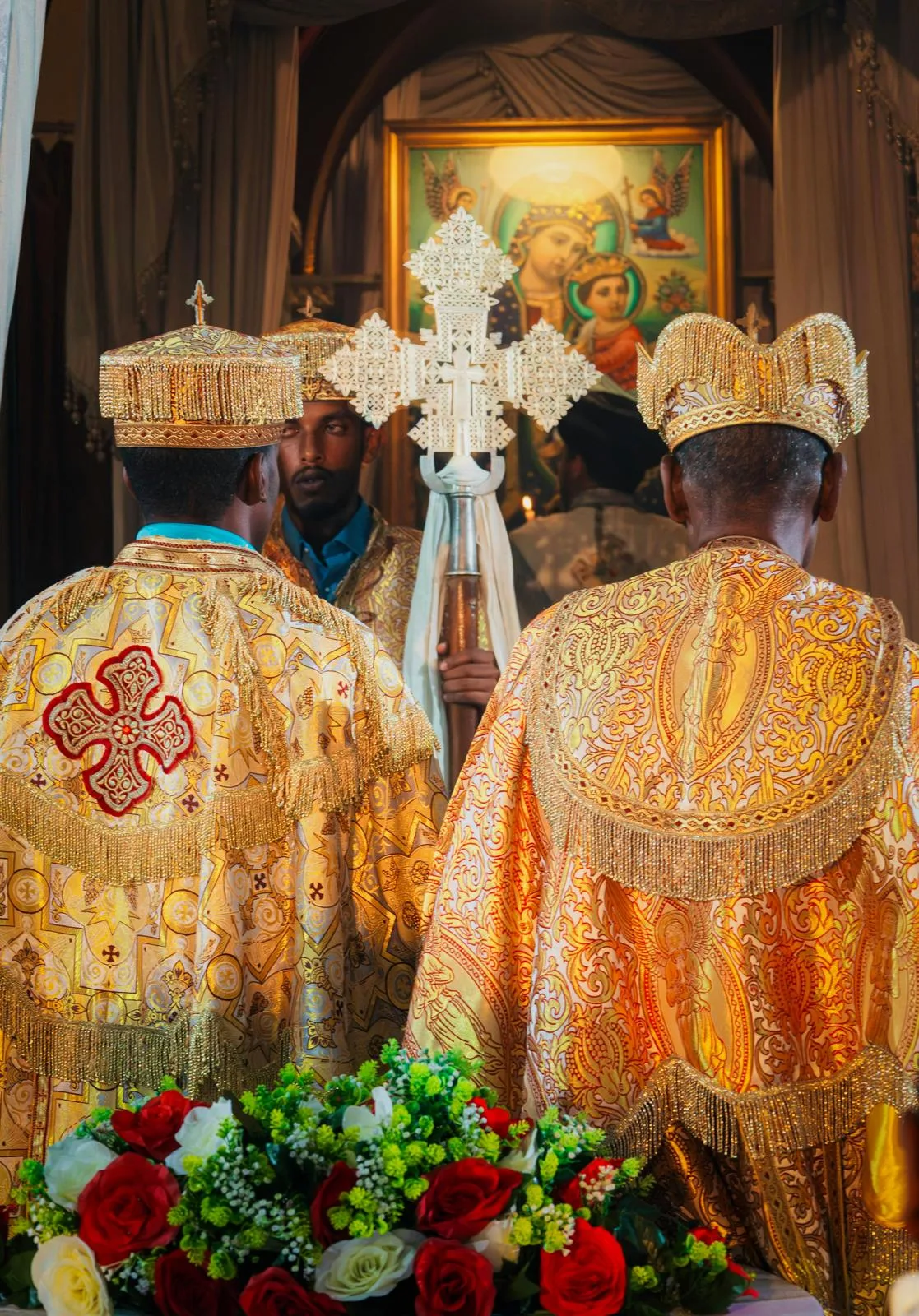
Ethiopian Orthodox Tewahedo Christians: Religious and Ethnic Persecution

This article explores the escalating violence and institutional persecution faced by Amhara Orthodox Christians in Ethiopia within the broader context of ethnic federalism and political conflict. It examines how the Ethiopian Orthodox Tewahedo Church’s cultural and historical influence has increasingly been perceived as a political threat, contributing to targeted violence, displacement, arbitrary arrests, and attacks on religious institutions. The article further analyses whether these patterns of abuse may amount to crimes against humanity or genocide under international law.

Article

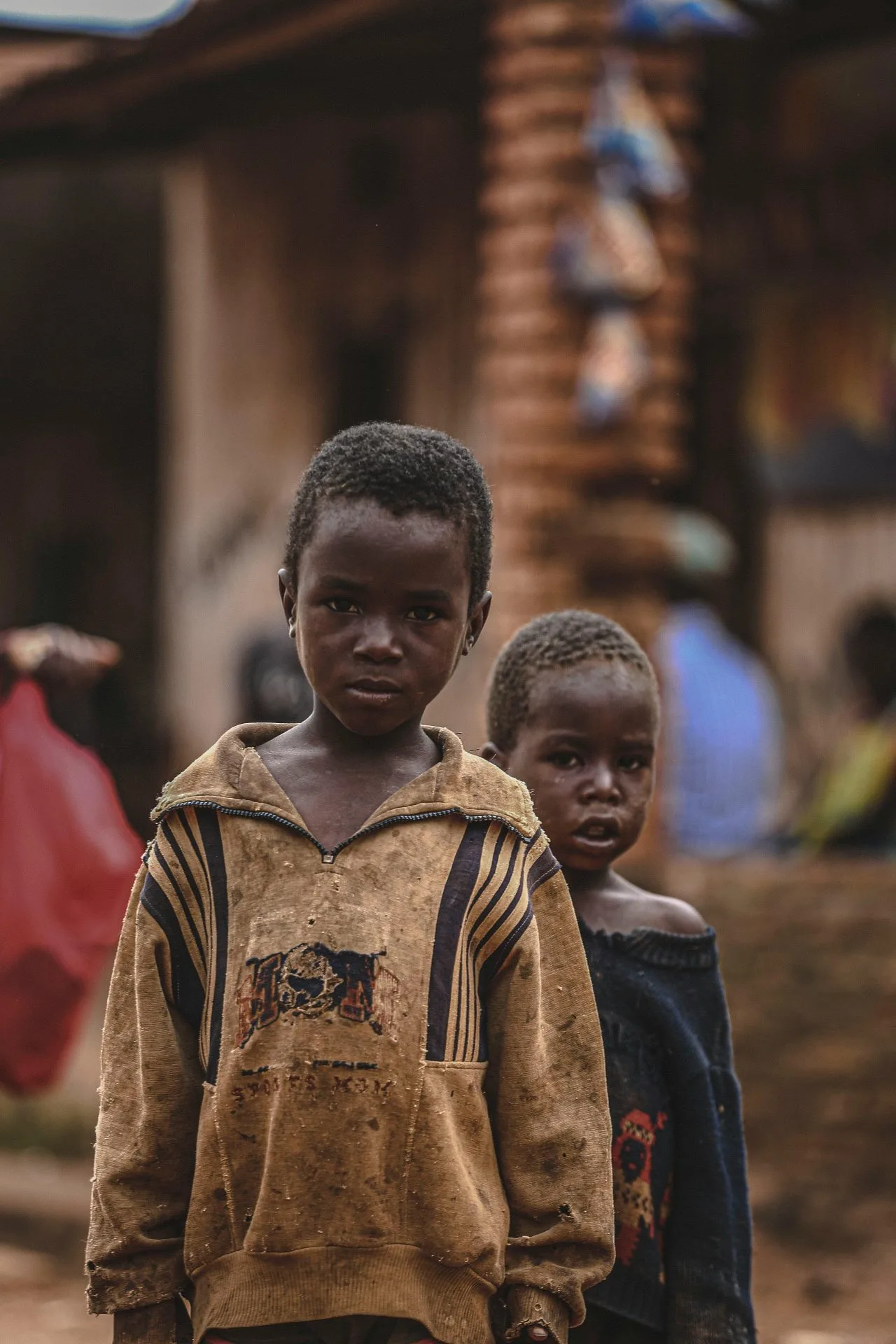
The Practice of Kindoki: A Child’s Rights Perspective in the Democratic Republic of the Congo

This article examines the phenomenon of Kindoki in the Democratic Republic of the Congo and its devastating impact on children accused of witchcraft. It explores how poverty, conflict, social instability, and unregulated religious practices contribute to violence, abuse, abandonment, and severe human rights violations against vulnerable children. The article also analyses the gaps between existing legal protections and weak enforcement mechanisms that allow these harmful practices to persist.

Article

Sexual and Gender-Based Violence as a Weapon of War

Across Africa’s conflict zones, sexual violence is not merely a by-product of war but a deliberate strategy used to terrorise, control, and destroy communities. From Sudan to the Democratic Republic of Congo and the Central African Republic, women and girls are systematically targeted, while international law has struggled to translate recognition of these crimes into meaningful accountability. This article examines how sexual violence has been weaponised in conflict, the evolution of its recognition in international law, and the persistent barriers that continue to deny survivors justice.

Article

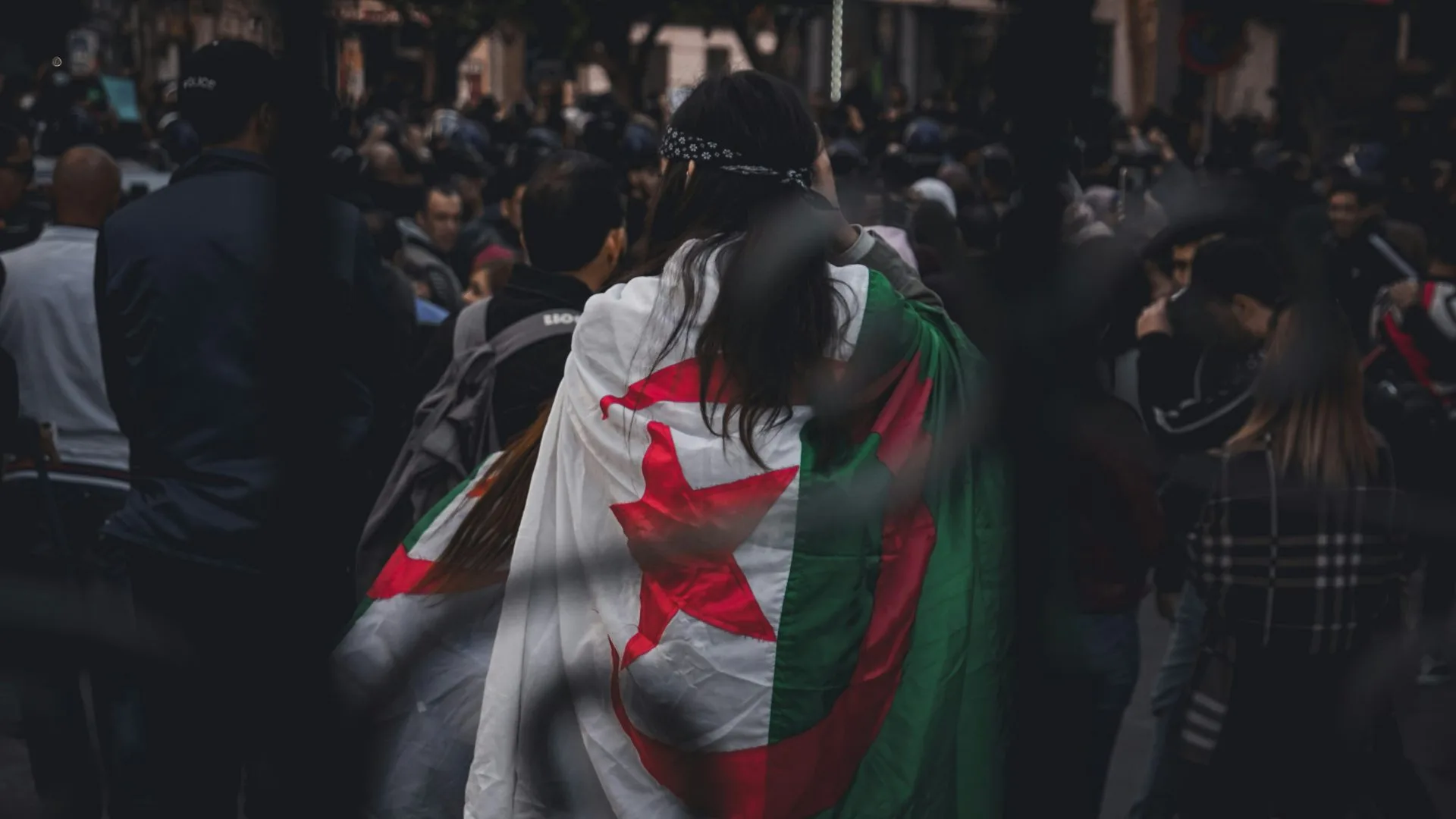
Silencing Faith in Algeria: Violence And Oppression Against Religious Communities

This article examines the increasing restrictions and persecution faced by religious minorities in Algeria, particularly Ahmadi Muslims and Kabylian Protestants. It highlights arbitrary prosecutions, church closures, surveillance, and legal barriers that prevent minority communities from freely practising their faith. The piece argues that Algeria’s current legal framework and enforcement practices fall short of its obligations under international human rights law.

Article

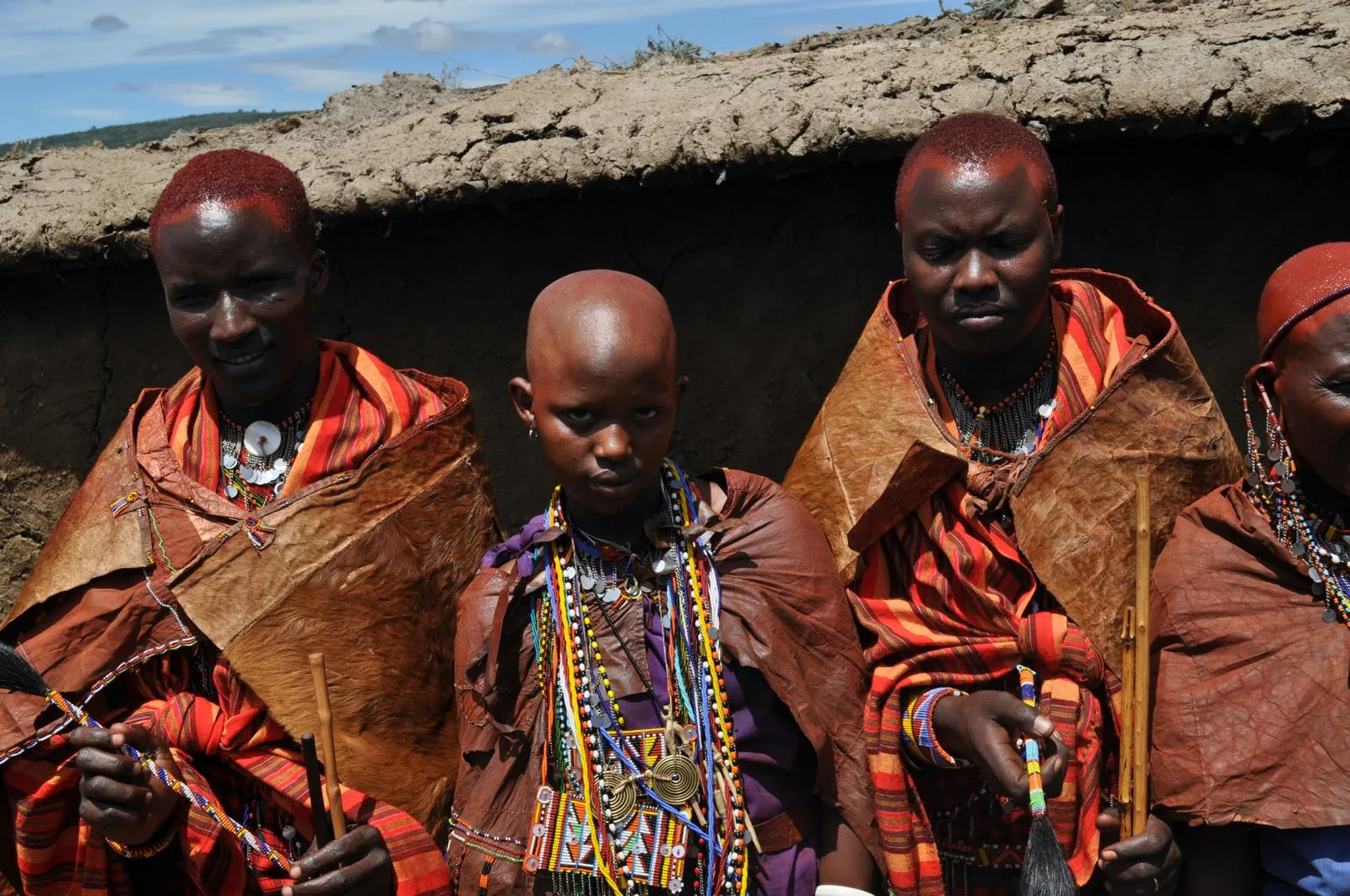
Land Without People: The Impact of Green Colonialism on the Rights of Indigenous Communities in Africa

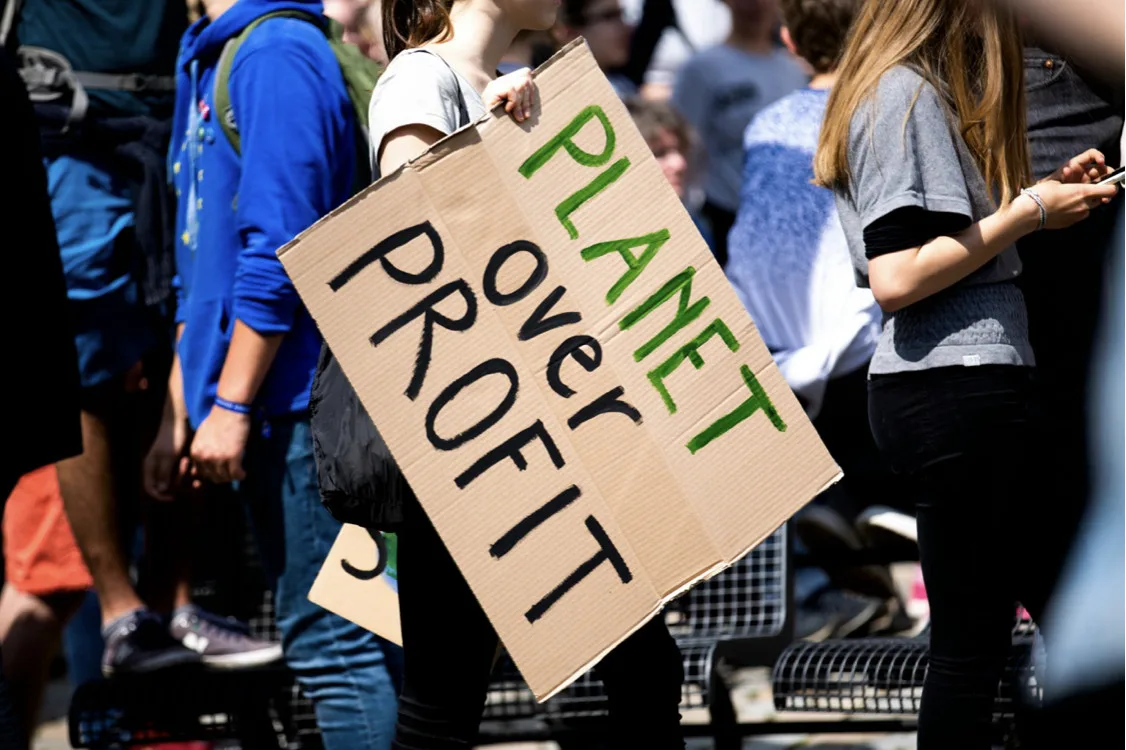
This article examines how “green colonialism” in Africa—through conservation projects, carbon markets, and renewable energy initiatives—has led to the displacement and marginalisation of Indigenous communities. Despite contributing minimally to climate change, Indigenous peoples face land dispossession, forced evictions, and loss of cultural identity as governments and external actors prioritise environmental and economic interests. The piece argues that existing legal frameworks fail to adequately protect Indigenous rights, allowing climate solutions to reproduce historical patterns of exploitation and inequality.

6th GHRD International Film Festival: Human Trafficking Edition
Submission Deadline: 9th August 2026