
Reports
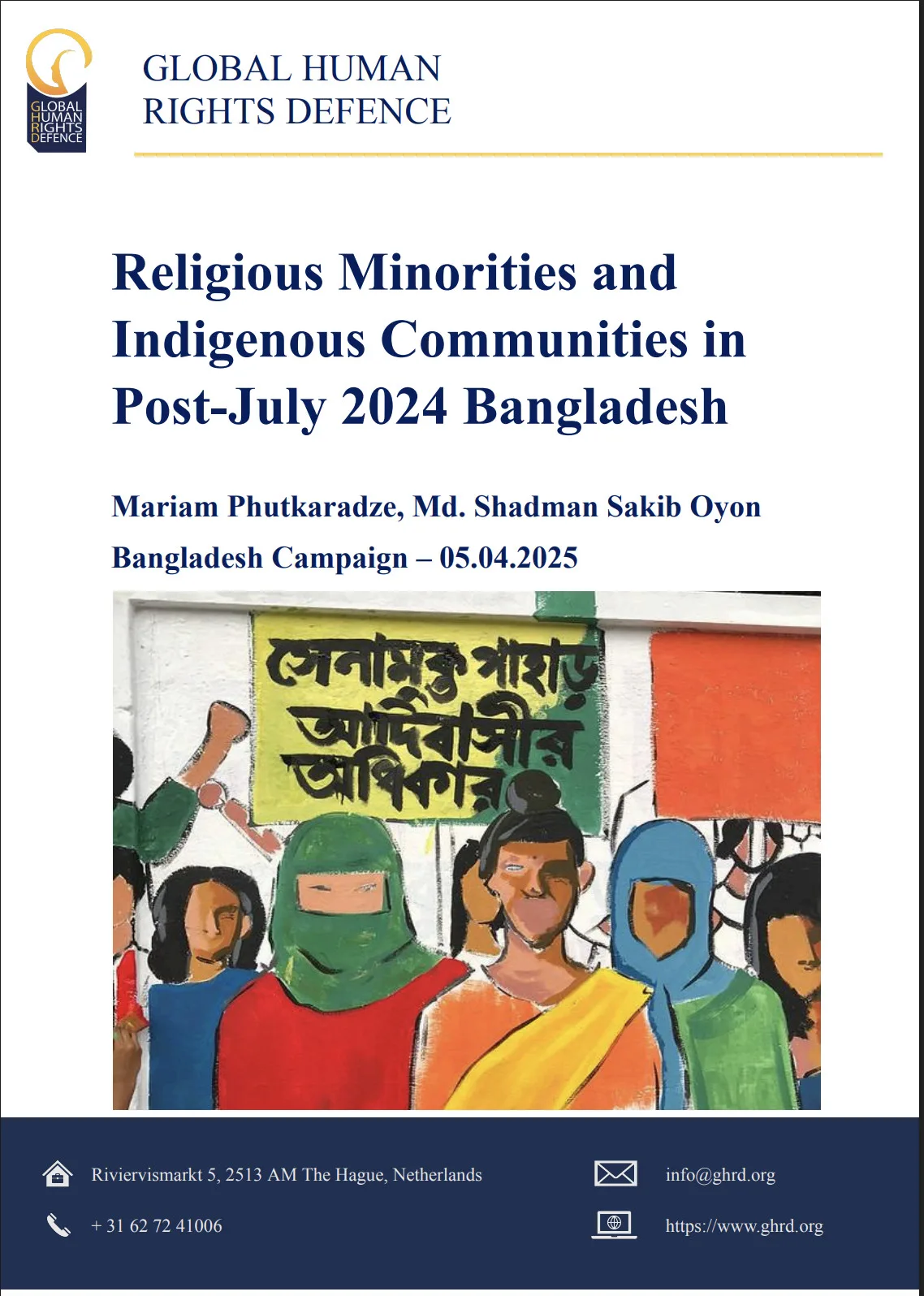
- GHRD Team
- 5 April 2025
Since Bangladesh’s independence from Pakistan in 1971, the country has witnessed a continuous struggle between democratic aspirations and autocratic resurgence. This tension reached a critical point during the 2024 national elections, marking one of the most controversial political transitions in the country’s history. After 15 years of leadership, the world’s longest-serving female prime minister, Sheikh Hasina, fled to India in self-imposed exile following months of protests. Her premiership, characterised by widespread repression of dissent, accusations of electoral fraud, silencing critics and systematic violations of civil liberties, catalysed national unrest, which ended with the “July Revolution”. The power vacuum created by this transitional period and the absence of a functioning law enforcement system exposed minorities, particularly Hindus, Ahmadiyya Muslims, Buddhists, Christians and the indigenous groups in the Chittagong Hill Tracts (CHT) to widespread attacks and human rights violations (OHCHR, 2025, p. 3).
- GHRD Team
- 5 April 2025
In an era marked by armed conflict, mass displacement, climate collapse, and techno governance, international law finds itself in a profound identity crisis. Once hailed as the normative framework to prevent war, protect rights, and uphold global order, it now faces accusations of irrelevance, hypocrisy, and impotence. In 2025, what do we mean by “international law”? Is it a coherent legal system grounded in shared values, or a patchwork of norms invoked selectively by powerful actors? Traditionally, international law referred to treaties, conventions, and principles governing the conduct of sovereign states. But today, that definition feels increasingly inadequate. The global stage is no longer shaped solely by nation-states. Multinational corporations, billionaire technocrats, and transnational platforms exert influence that challenges the foundations of state-centric legal systems. And states, even those states breaching international law, employ its logic to defend themselves against accusations (Bertamini, 2024). As power becomes more fragmented and legal norms more contested, International Law appears to oscillate between symbolic invocation and strategic manipulation. This paradox is particularly evident in how states and non-state actors alike selectively embrace legal language: not as a commitment to shared principles, but as a tool for legitimacy or deflection. The result is a global legal order marked by fragmentation, contested authority, and growing cynicism.
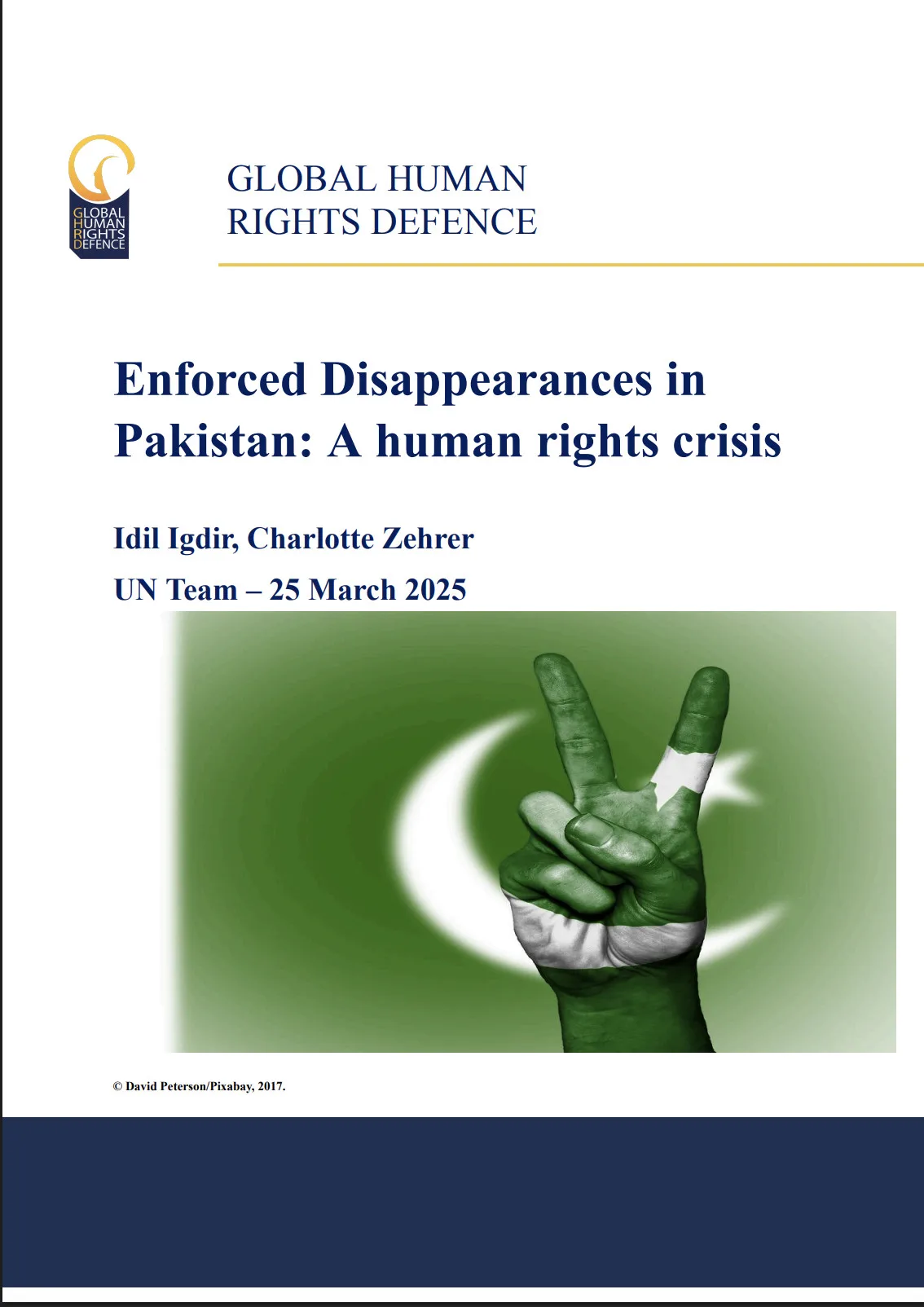
- UN team
- 25 March 2025
Enforced disappearances have remained one of Pakistan’s most persistent and deeply entrenched human rights issues, dating back to at least the 1970s (Amnesty International, 2008). While instances of state-backed disappearances had been reported before, the phenomenon escalated dramatically in the early 2000s. This surge coincided with Pakistan’s alignment with the U.S.-led “war on terror” following the events of September 11, 2001 (HRW, 2007). As part of counterterrorism efforts, numerous individuals accused of terrorism-related offenses—both Pakistani citizens and foreign nationals—were abducted, placed in secret detention facilities, and effectively “disappeared,” often without trial or legal justification (Harding & Hatchard, 1993).

- Asia Team
- 21 March 2025
Nike, Inc., a global manufacturer of athletic footwear and apparel, has long relied on its manufacturing hub in Vietnam, as nearly 50 percent of the company’s footwear production originates from this source (Nike Inc., 2023). However, this dependency has come at the expense of utilising inexpensive labour, putting the company under constant criticism due to ongoing claims of breaches of international labour rights standards. Said claims are based on the utilisation of child labour, exploitative working conditions, the infringement of labour rights, and wage theft. These instances not only highlight the systemic issues surrounding supply chain manufacturing obligations and accountability standards but also raise fundamental questions regarding corporate responsibility and the international obligations that multinational corporations hold in ensuring ethical and fair labor practices.
Despite Nike, Inc. addressing previous controversies with the implementation of Corporate Social Responsibility (CSR) initiatives, critics argue that the implementation of these reforms fails to address the fundamental issues of these problems. This report addresses the complexity of Nike’s supply chain, their efforts towards accountability on the presence of past and current labour rights infringements, as well as the broader ramifications for their corporate responsibility. Additionally, the international legal frameworks, in combination with the advocacy for consumer protection, will be addressed in order to assess how multinational corporations are supervised and held accountable for their supply chain operations.
- GHRD Team
- 21 March 2025
Humanitarian aid acts as a safety net to communities endangered by instability, whether that instability is caused by a climate disaster, a war, or any other cause outside of the affected community’s control. This aid contributes to the immediate needs of the affected populations and helps to lay the foundations for lasting development and recovery. It is estimated that over 362 million people worldwide require humanitarian aid to survive.

- Asia Team
- 14 March 2025
Gender-based violence (GBV) and discrimination within corporate supply chains and workplaces remain a critical and under-addressed human rights issue in South and East Asia. From garment factories in Bangladesh to electronics assembly lines in Malaysia and agricultural plantations in the Philippines, women and gender minorities frequently experience harassment, unsafe working conditions, unequal pay, and restricted access to justice. Multinational corporations (MNCs), local businesses, and subcontractors often operate in environments where legal protections for women are weak, poorly enforced, or undermined by corrupt and patriarchal systems. In many cases, economic dependency, fear of retaliation, and the absence of grievance mechanisms prevent victims from reporting abuse.
- Asia Team
- 28 February 2025
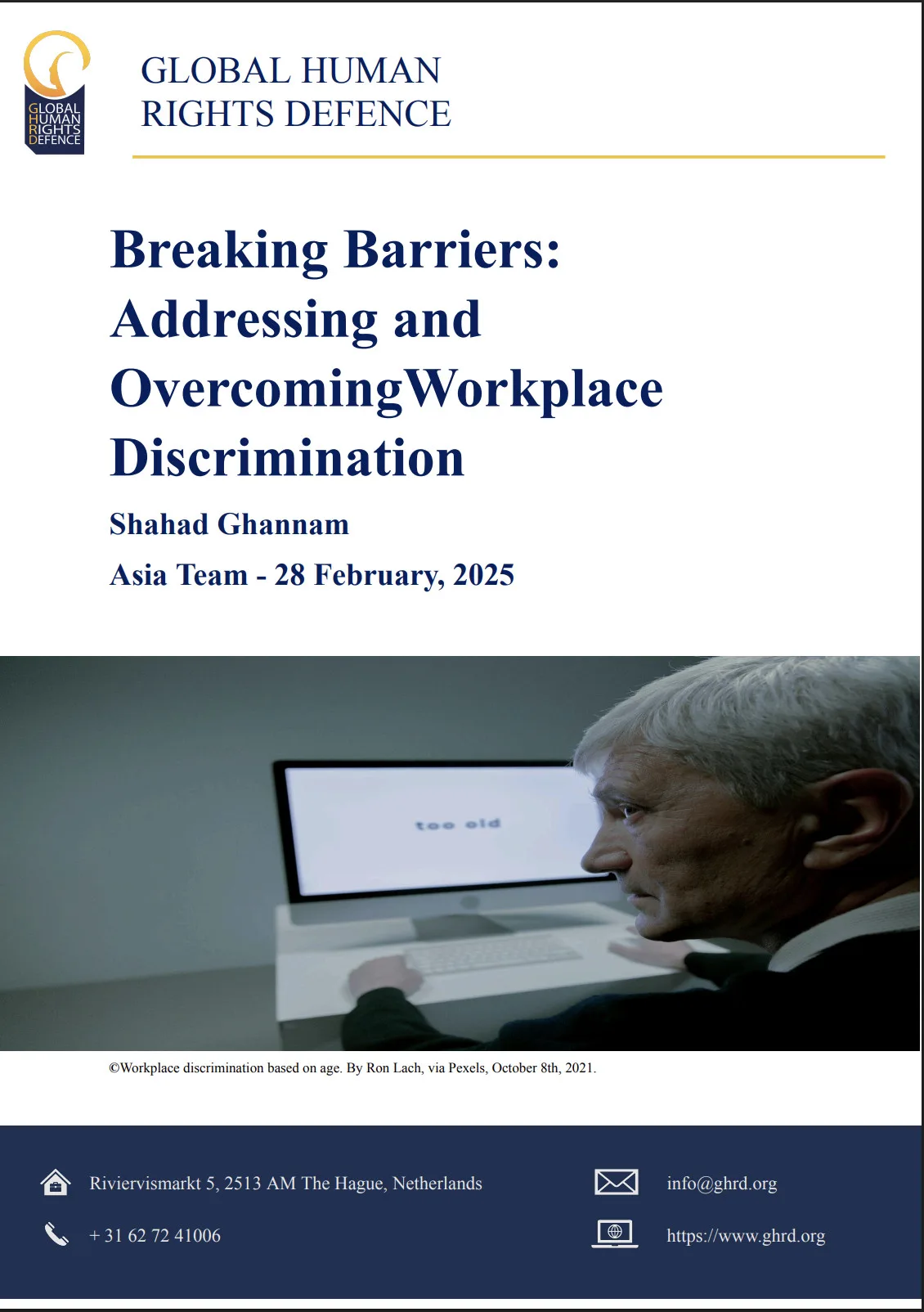
Workplace discrimination remains a persistent challenge across industries, affecting employees’ rights, well-being, and professional opportunities. Despite legal frameworks designed to prevent discrimination, individuals continue to face unequal treatment based on factors such as age, gender, race, disability, and sexual orientation. These discriminatory practices not only violate fundamental rights but also create barriers to career progression, fair compensation, and workplace inclusion. Addressing these issues is not just a matter of legal compliance but an essential step toward fostering a work environment that is diverse, fair, and equitable.
- Asia Team
- 21 February 2025
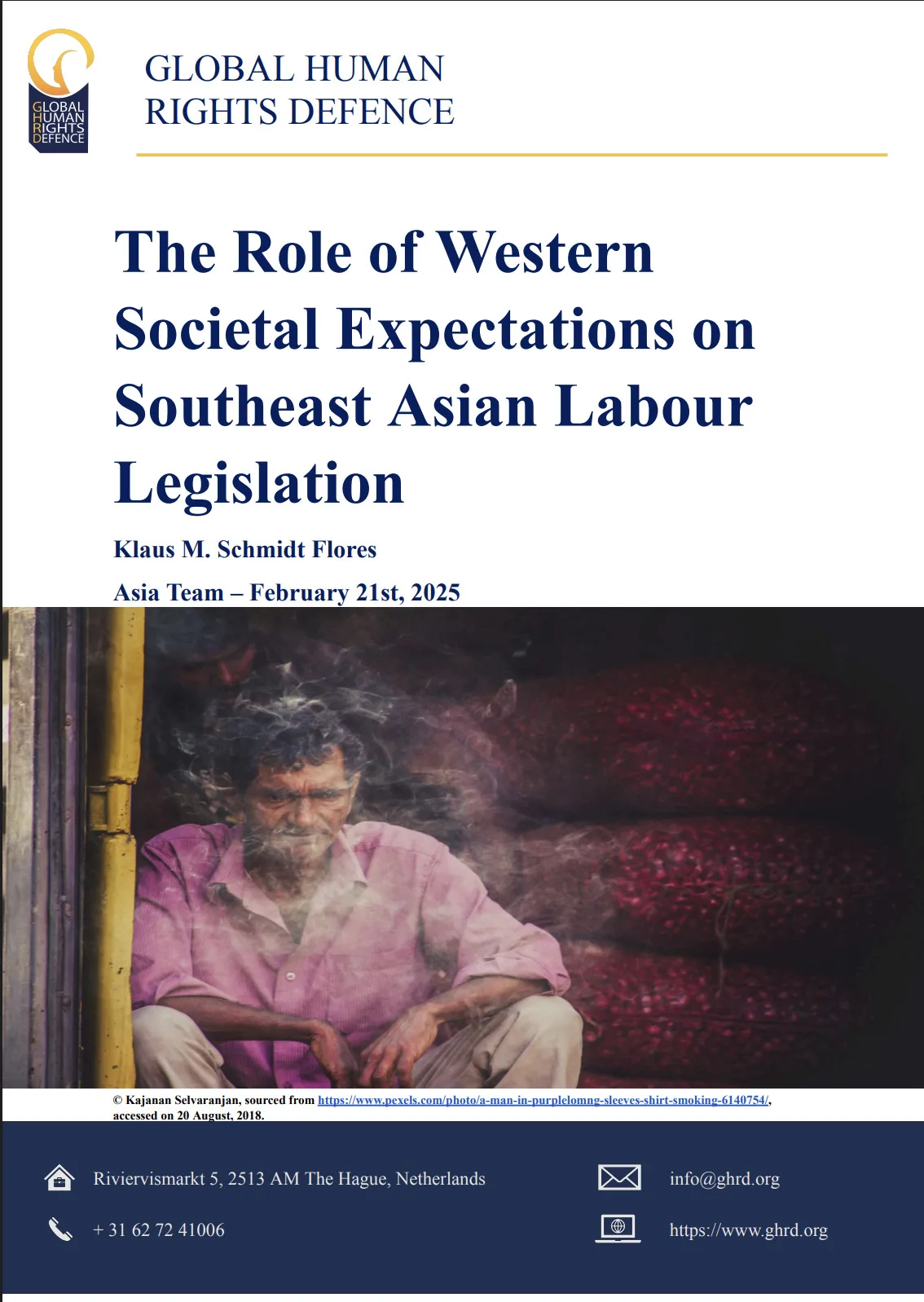
Throughout recent history, Western societal expectations have increasingly influenced labour market standards in Southeast Asia. Western nations utilise the implementation of trade agreements, chain demands, and consumer activism practices to promote their industry expectations. With this, prioritising protecting human rights and implementing corporate social responsibility customs, enforcing ethical labour practices.
- UN team
- 19 February 2025
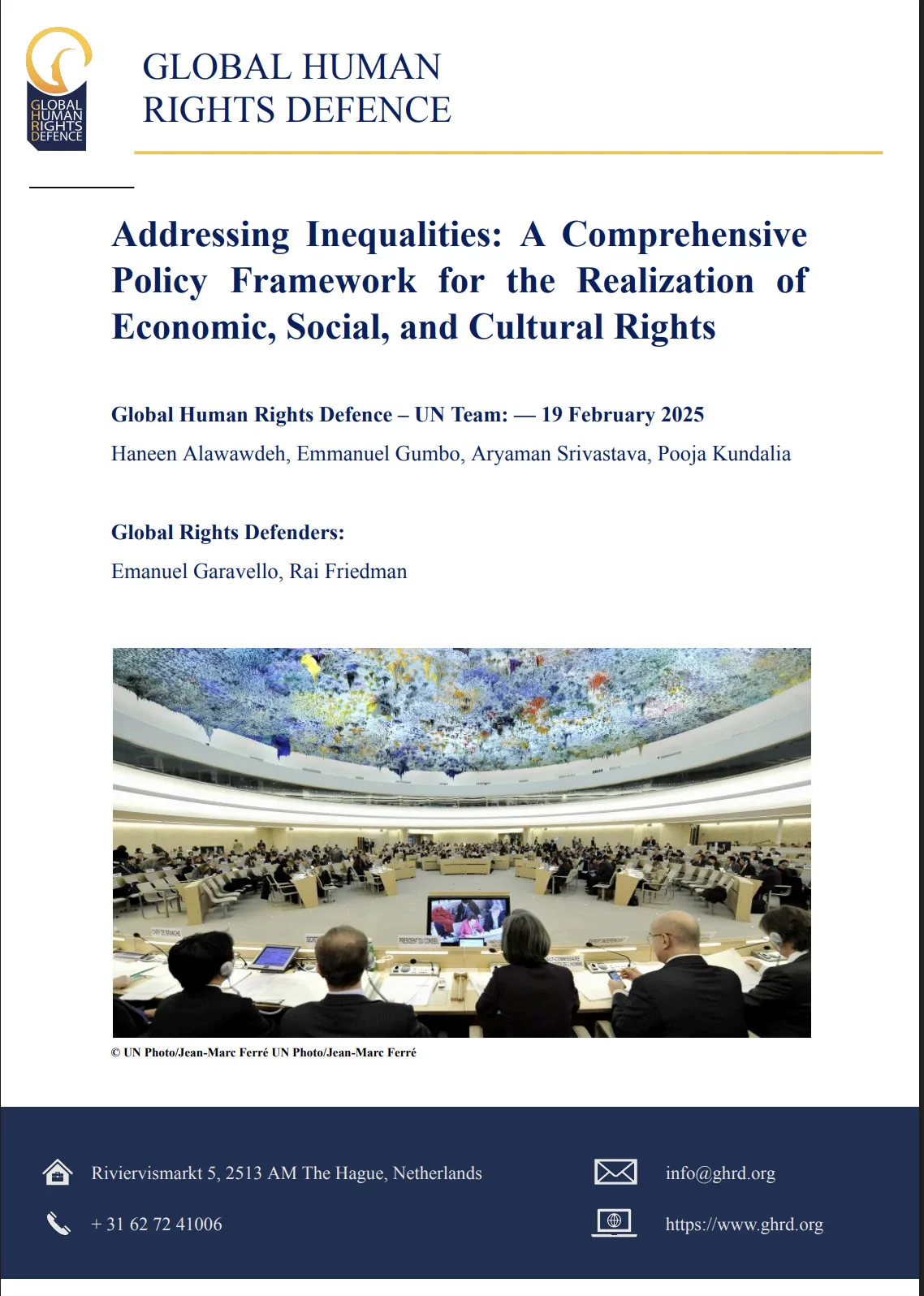
In today’s rapidly evolving global landscape, realising economic, social, and cultural rights (ESCR) is essential for ensuring that individuals and communities can live with dignity. ESCR encompasses access to education, healthcare, adequate housing, decent work, and the enjoyment of cultural life. When effectively upheld, these rights not only alleviate hardships associated with poverty and social exclusion but also create an environment conducive to diversity and innovation.
- Asia Team
- 15 February 2025
Japan is confronting a profound demographic crisis characterised by an ageing population and declining birth rates. As of 2024, approximately 30 percent of Japan’s population is aged 65 or older, making it one of the world’s oldest societies. The total fertility rate remains at 1.26 children per woman, far below the replacement level of 2.10. These demographic shifts have resulted in critical labour shortages across various industries, and raised concerns about the nation’s economic sustainability.
This report examines Japan’s evolving immigration policies in response to these demographic challenges, focusing on the human rights implications for foreign workers. It explores the historical restrictions on immigration, recent policy reforms, their impact on key industries, and the ongoing human rights concerns arising from these changes. Additionally, it assesses government initiatives supporting foreign workers, the challenges in enforcing labour protections, and Japan’s future immigration outlook.
In recent years, Japan has gradually transitioned toward a more open immigration policy to address labour shortages. The abolition of the Technical Intern Training Program (TITP) in 2024 marked a significant shift, highlighting the government’s response to domestic and international criticism regarding human rights violations. However, while reforms are being implemented, ensuring that foreign workers receive adequate protections remains a pressing concern.