
Reports
- Asia Team
- 15 February 2025
The European Union and Tunisia have maintained close political, economic, and diplomatic relations for decades, shaped by historical ties, geographical proximity, and shared strategic interests. Following its independence from France, Tunisia progressively strengthened its relations with the EU’s precursor, the European Economic Community. Tunisia was also the first Mediterranean country to sign an Association Agreement with the EU in 1995.
- Asia Team
- 15 February 2025
- European Union (EU), Human Rights, Migrant Workers, Migration
This report dives into the challenges brought by the EU-Tunisia Migration Agreements made to manage irregular migration, including lack of: human rights safeguards for migrants, ethics in EU funding, efficient enforcement mechanisms and transparency. Recommendations are provided in order for future EU migration agreements to align with adequate safeguards for human rights.
- Asia Team
- 14 February 2025
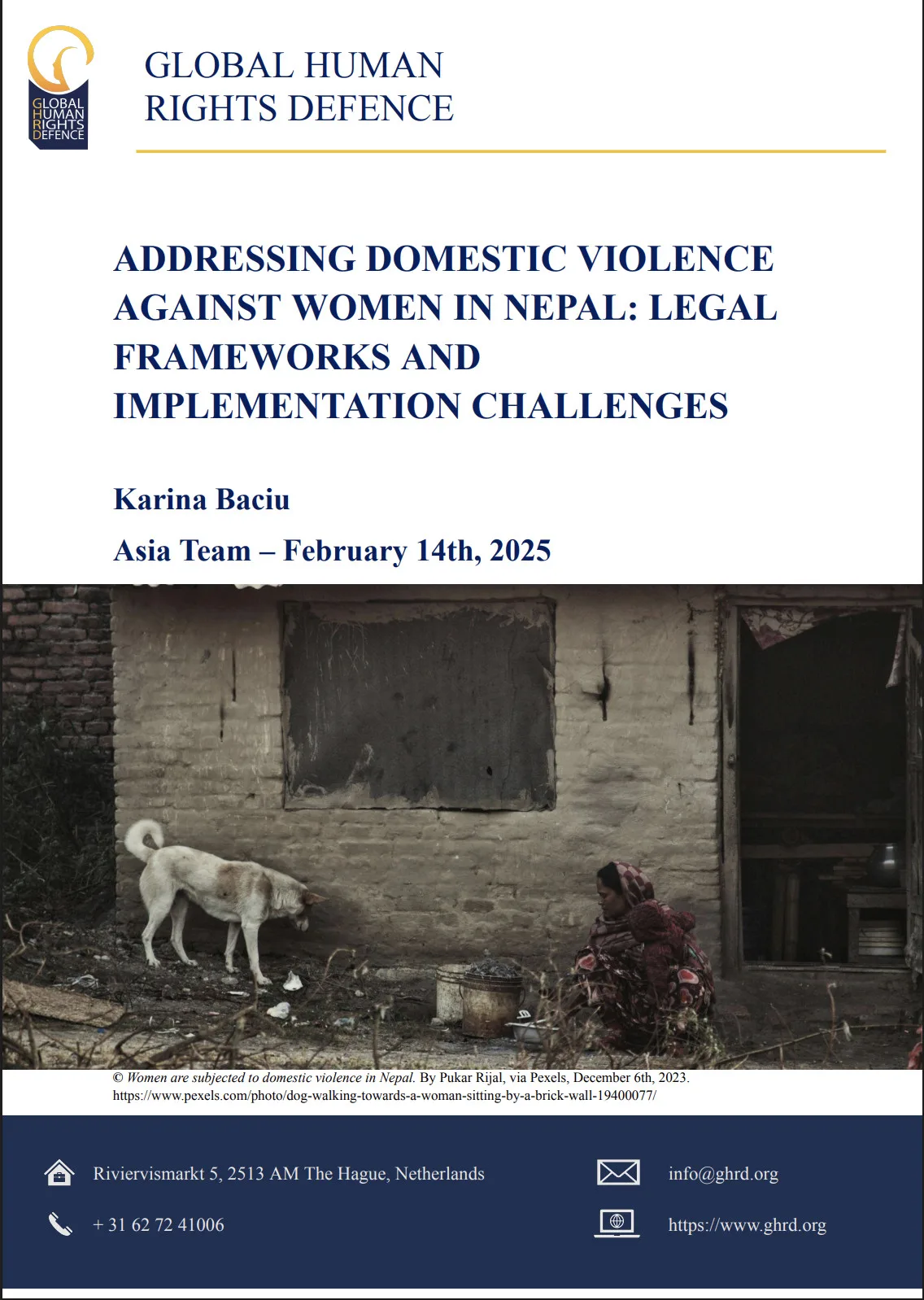
Domestic violence against women remains one of Nepal’s most pervasive human rights violations, deeply embedded within social, cultural, and institutional structures. According to Nepal’s 2022 Demographic and Health Survey, nearly 33 percent of women have experienced physical or sexual violence in their lifetime, with domestic violence being the most prevalent form. Despite increased legal protections, including Nepal’s ratification of international human rights treaties and the establishment of national laws such as the Domestic Violence (Crime and Punishment) Act 2009, implementation gaps continue to allow perpetrators to act with impunity. Many cases go unreported due to fear of retaliation, social stigma, or lack of faith in law enforcement, leaving victims without recourse. The justice system is further hindered by weak enforcement mechanisms, a lack of institutional support, and minimal rehabilitation services for survivors.
- Asia Team
- 8 February 2025
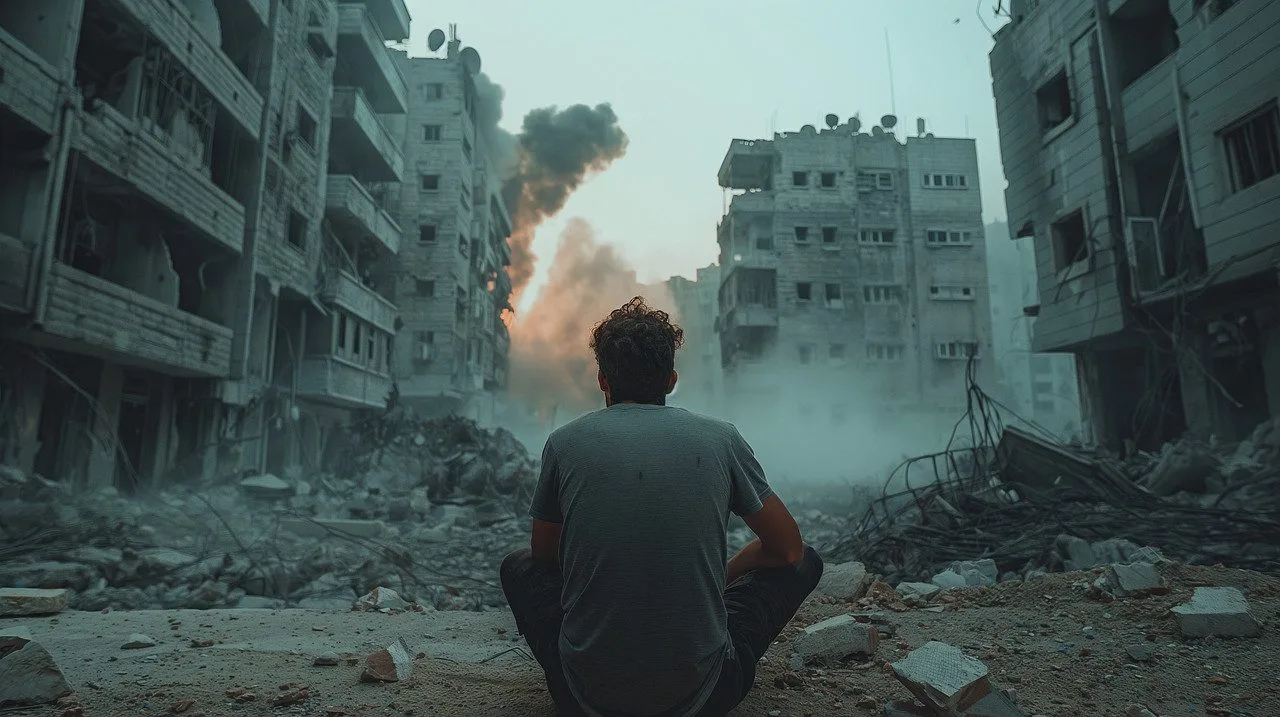
Statelessness is, at its heart, the condition of individuals who have no legal recognition or protection from any country. Without formal citizenship, they often find themselves unable to access vital services like proper healthcare and schooling and barred from lawful employment or the freedom to travel. Globally, around 4.4 million people are believed to experience statelessness, although the actual figure could be higher due to data shortfalls. It helps to remember that these individuals differ from refugees, who retain a home nation but flee due to threats or persecution. Meanwhile, treaties such as the 1961 Convention on the Reduction of Statelessness aim to prevent and resolve the issue, but inconsistent enforcement leaves many without recourse.
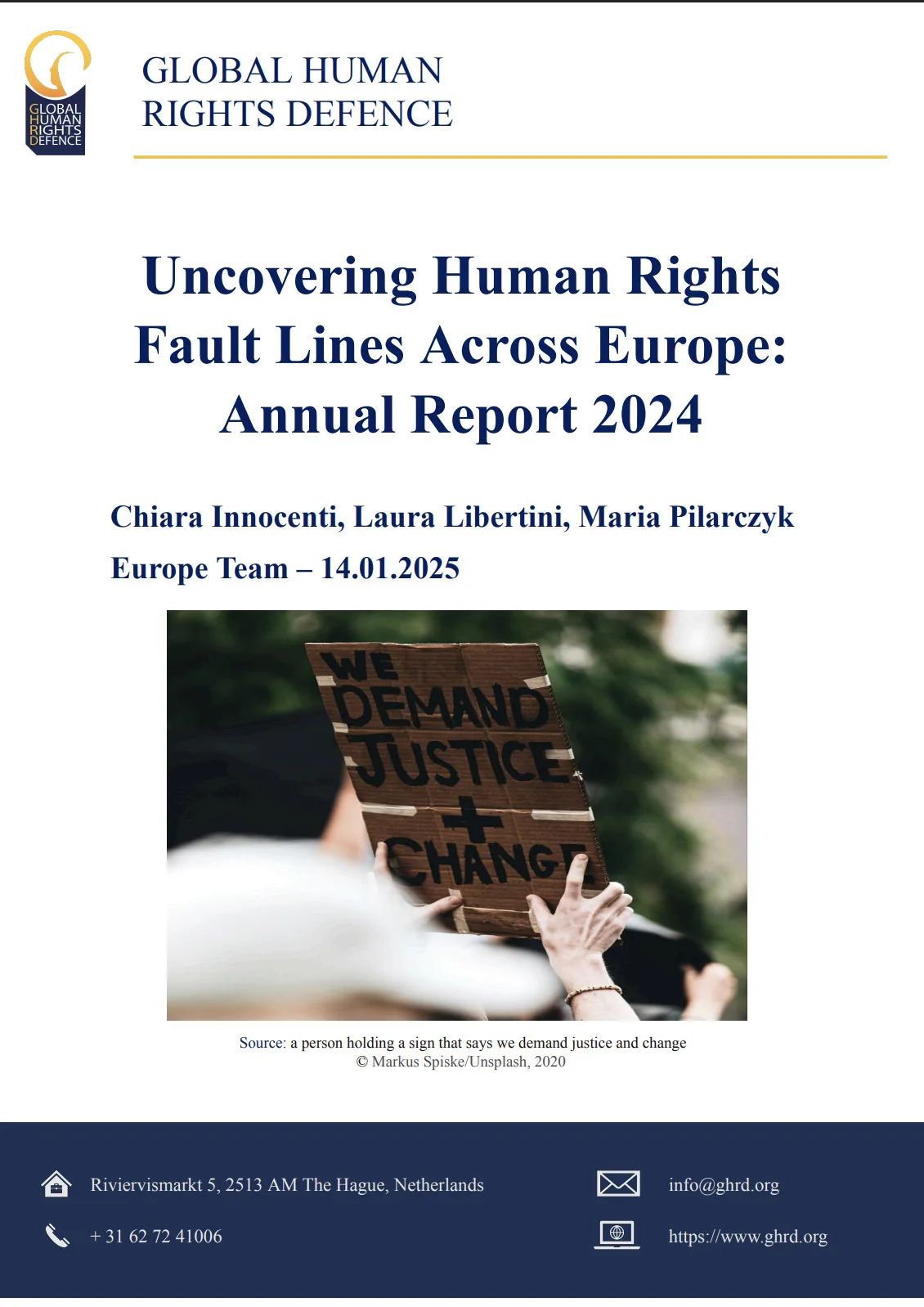
- Europe Team
- 14 January 2025
In this report, we will address the major human rights issues and key facts related to Europe, providing an in-depth analysis of the region’s diverse human rights landscape. The report is structured into sections corresponding to different European regions: Central-Western, Eastern, Southern, and Northern Europe. Not all countries are included, as some were excluded due to the lack of relevant human rights issues or notable facts pertaining to them.

- Europe Team
- 14 January 2025
- Human Rights
From shrinking civic space to rising populism, this report maps Europe’s human rights landscape in 2024. With a comprehensive analysis of four regions, it outlines both recurring challenges and major developments shaping the continent’s rights discourse.
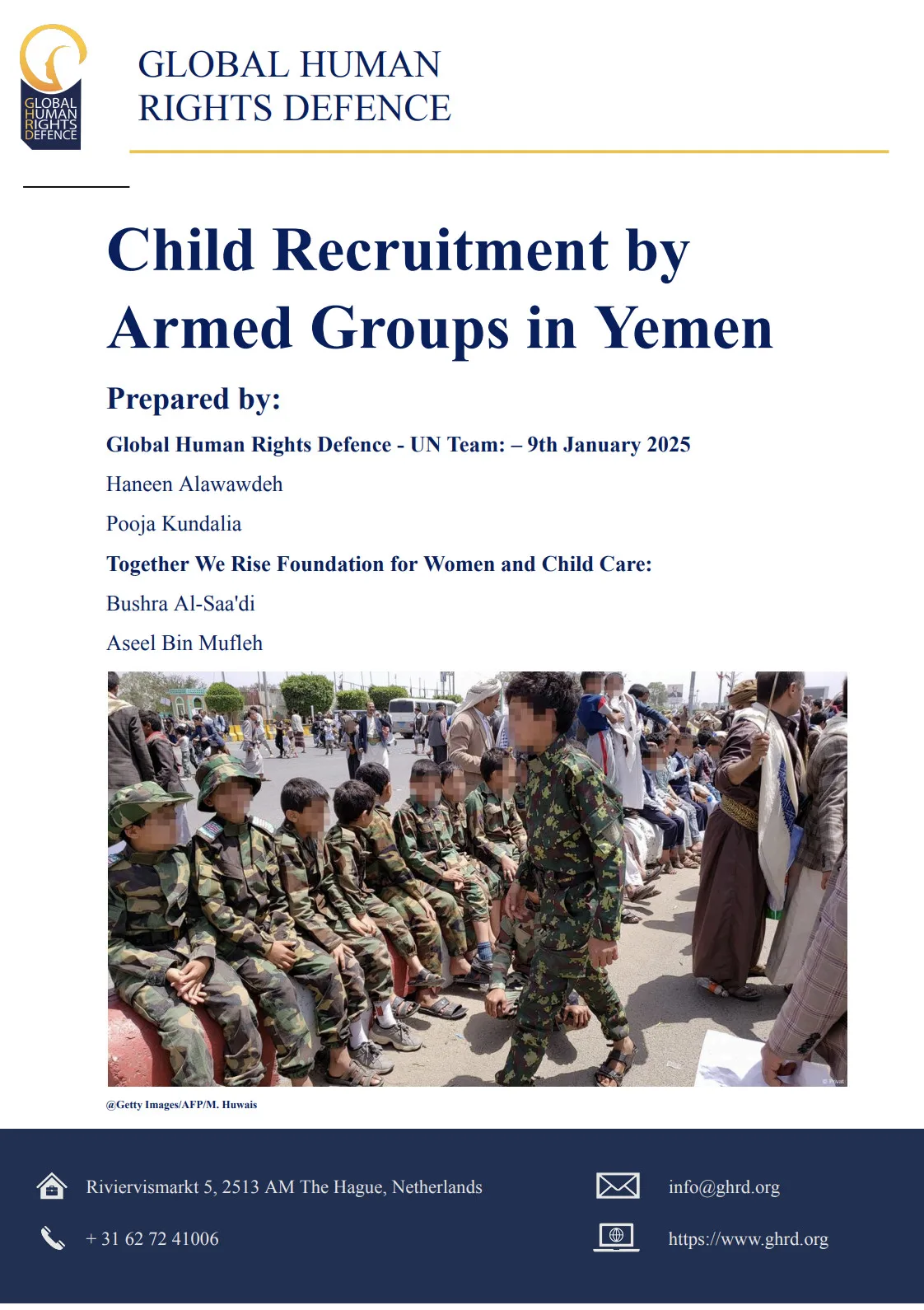
- UN team
- 9 January 2025
The ongoing conflict in Yemen has precipitated a grave humanitarian crisis, with children suffering some of the most severe consequences. Among the most alarming violations is the recruitment of children by armed groups, including the Houthis, government forces, Al-Qaeda, and the Southern Transitional Council (STC). This practice not only robs children of their childhood but also exposes them to violence, exploitation, and profound psychological trauma. This report will explore the nature and extent of these violations, the specific abuses faced by children, the barriers to effective protection, and provide recommendations for strengthening accountability and safeguarding the rights of vulnerable children in Yemen.
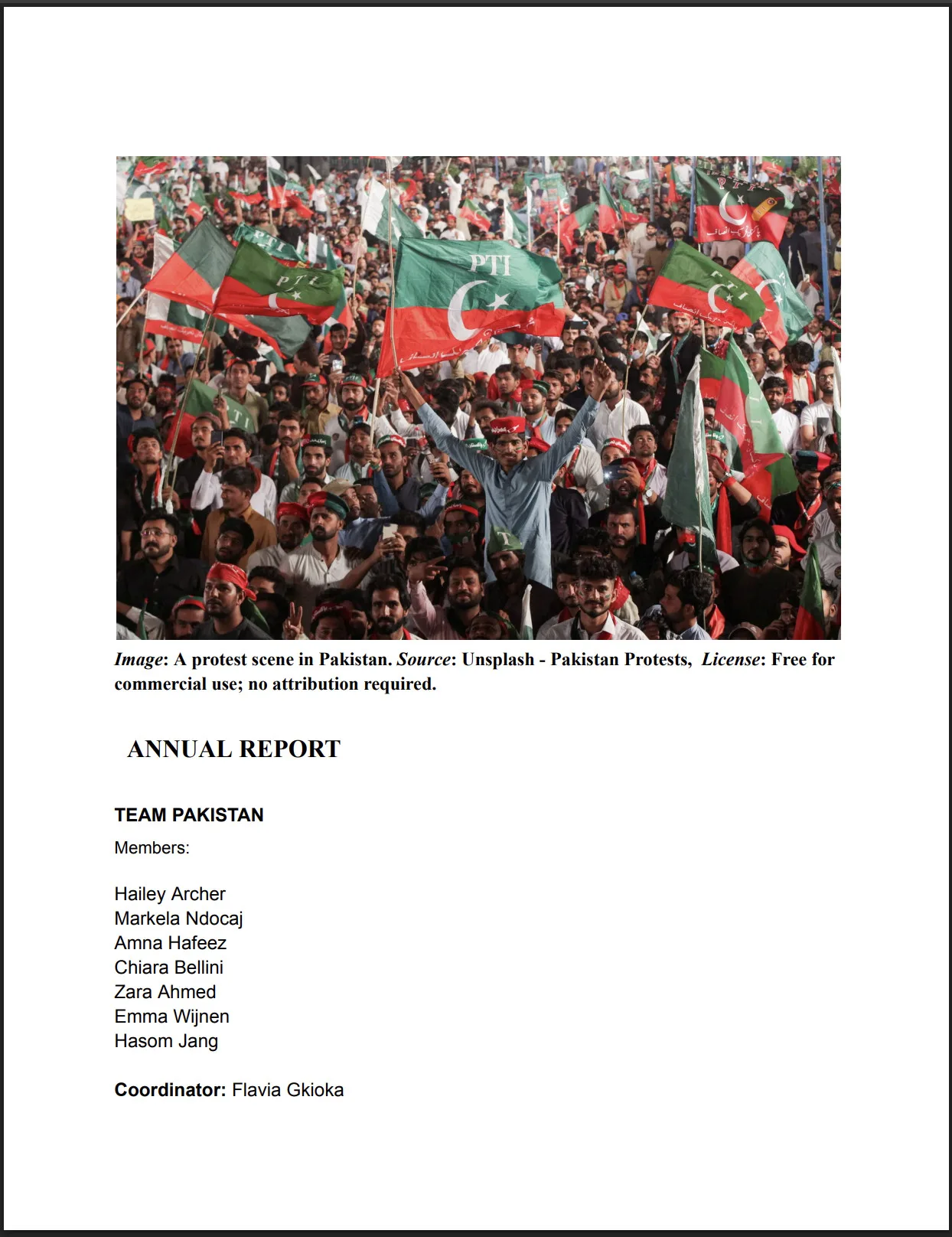
- GHRD Team
- 31 December 2024
This report is structured chronologically, providing a month-by-month analysis of key events. Each section examines the most prominent incidents of the respective month, their broader implications, and the responses from domestic and international actors. It also discusses wide themes, such as political instability, environmental crises, and systemic challenges, to offer a comprehensive view of Pakistan’s complicated year.
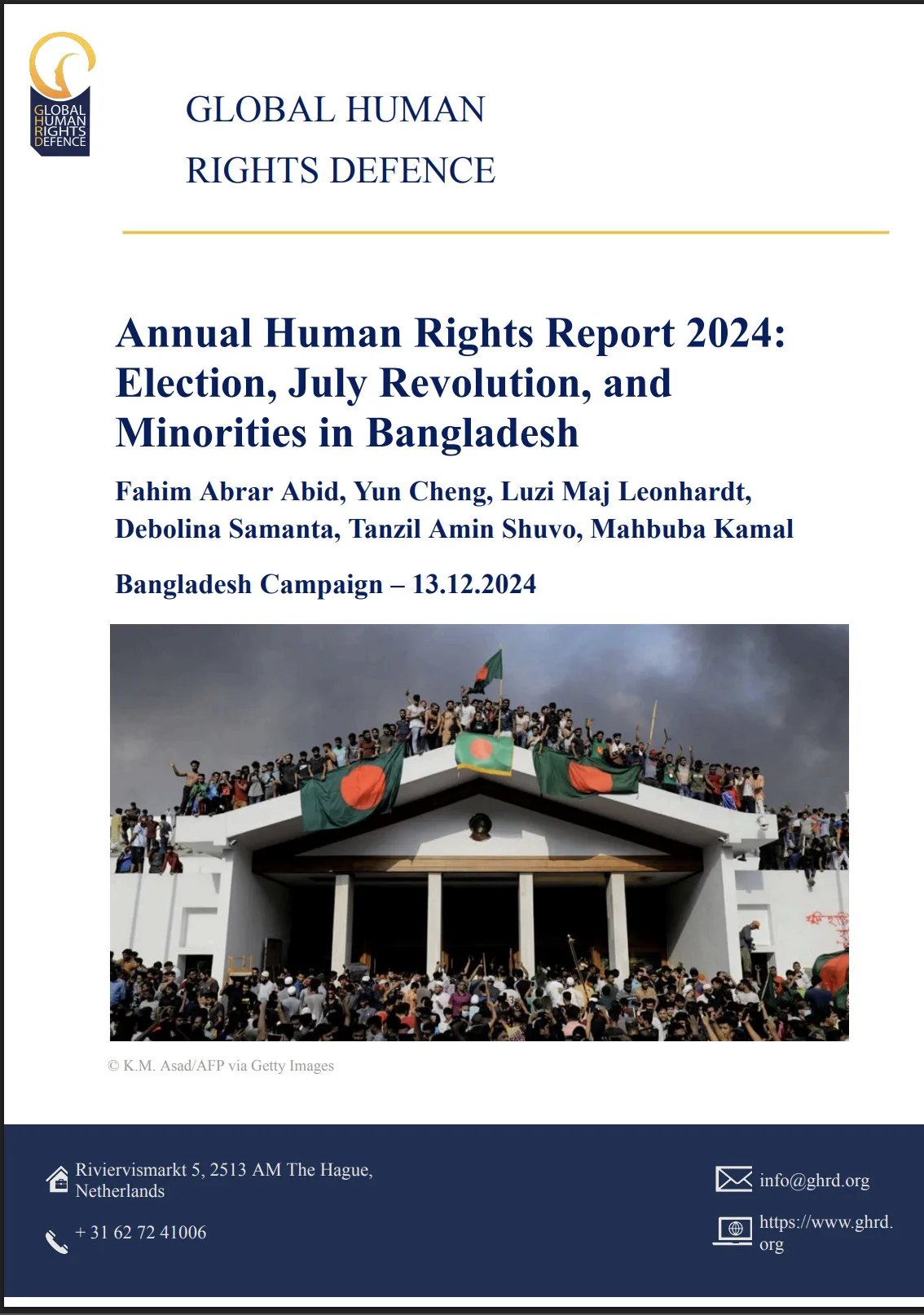
- GHRD Team
- 13 December 2024
While an interim government led by the Nobel Laureate Dr Yunus was formed, attacks on minorities took place since the day of Hasina’s fleeing. These attacks include
political as well as religious extremist agendas. Although the interim government tried to control the situation, urging everyone to maintain harmony, the four-month ruling of this government has witnessed at least two big incidents in the country concerning minority rights protection. Among them, one is surrounding the indigenous minority living in the Chittagong Hill Tracts, often a victim of military intervention coupled with Bengali settlers, and the other one is centring the Hindu religious minority following the arrest of one of their religious leaders on sedition charges. This report will highlight all three major events that demonstrated human rights violations.
- GHRD Team
- 8 December 2024
The International Crimes Tribunal of Bangladesh (ICT) was established in 2009 with the aim of prosecuting individuals accused of committing war crimes, crimes against humanity, and other atrocities during the 1971 Bangladesh Liberation War. The tribunal operates under the framework of the International Crimes (Tribunals) Act 1973, a law passed shortly after Bangladesh’s independence but left largely dormant for decades. Revived amidst growing demands for justice from survivors and victims’ families, the ICT sought to address the impunity long enjoyed by those accused of collaborating with the Pakistani military in perpetrating widespread violence, including mass killings, sexual violence, and forced displacements.
While the ICT is widely regarded within Bangladesh as a long-overdue attempt to provide justice for the victims of 1971, it has also been the subject of significant domestic and international scrutiny. Supporters highlight its role in acknowledging historical atrocities and delivering some measure of accountability after decades of inaction. However, critics argue that the tribunal has been marred by procedural shortcomings, allegations of bias, and accusations of political interference, particularly in cases involving opposition political figures. Concerns about fair trial standards and the tribunal’s adherence to international legal norms have further complicated its legacy.
This report examines the ICT’s historical context, current status, and the challenges it has faced, both in its legal procedures and its broader political implications. It also evaluates some of the tribunal’s most prominent judgements, analyzing their significance and the debates they have sparked. By exploring these facets, the report provides a comprehensive overview of the ICT’s complex and contested role in Bangladesh’s pursuit of justice and reconciliation.