Conflict

Article

The Hidden Crisis: Children During the Sahel Crisis

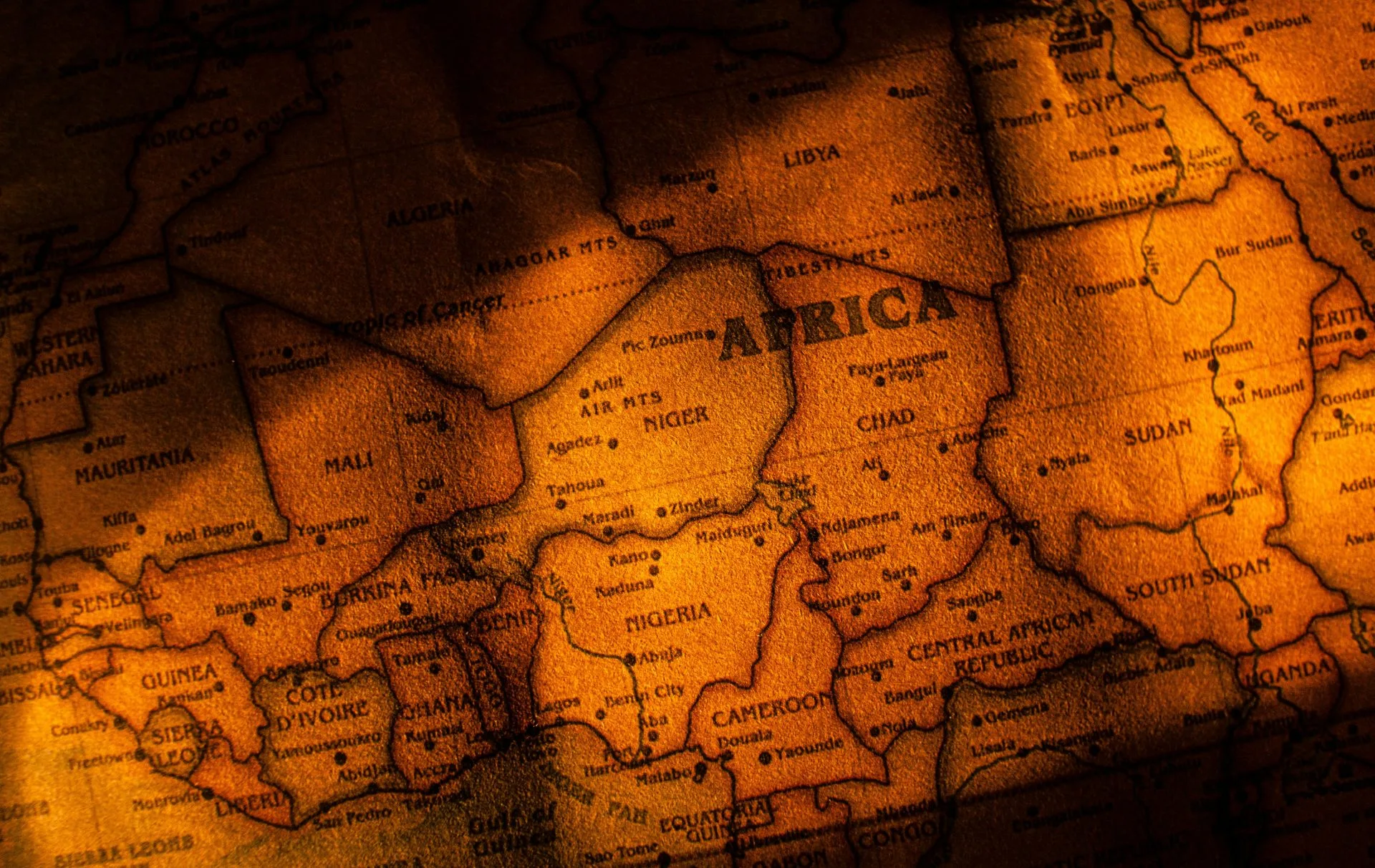
The Sahel is a geographically challenged area crossing multiple African states. Compounded with climate change, poverty, violence, and political instability, the region presents as one of the most unstable areas on the globe. While international commentary has been focused on terrorist and armed groups exercising control in Mali, Burkina Faso, and Niger, children have been bearing the brunt of the crises. This article examines the impact on children from different crises perspectives, including security and protection, health, and education.

Article

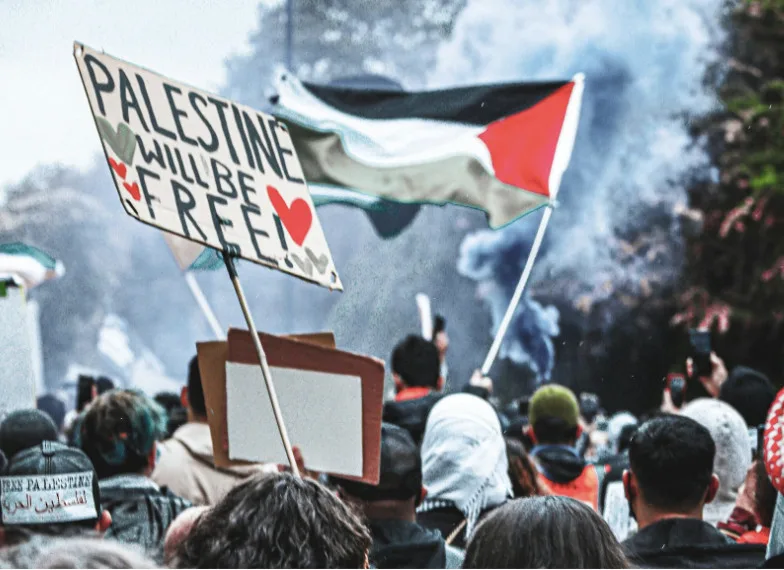
Terrorism for Some, Tolerance for Others: Proscribing Palestine Action in the Age of Reform UK

This article examines Poland’s EU-funded migrant integration centres programme and the refusal of Małopolska province to participate. It highlights how political rhetoric around migration can undermine integration efforts and expose migrants to discrimination, exclusion, and rights violations. The piece argues that integration centres are essential for dignity, access to services, and social cohesion.

Article

The Sahrawi Question and Spain’s Recognition of Morocco’s Sovereignty

The conflict over Western Sahara, often labeled as Africa’s last unresolved colonial issue, began with Spain’s withdrawal in 1975 from its former territory, known as Spanish Sahara. The International Court of Justice ruled that while Morocco and Mauritania had historical connections to the region, these did not constitute sovereignty; it supported the Sahrawi people’s right to self-determination. Spain’s signing of the Madrid Accords transferred control to Morocco and Mauritania without organizing a promised referendum. The Polisario Front emerged, declaring the Sahrawi Arab Democratic Republic and declaring war. Although a ceasefire was established in 1991 with a UN mission to organize a referendum, it has yet to take place. Morocco proposes broad autonomy while the Polisario demands a referendum. Spain has maintained a complex relationship with Morocco, which escalated in 2022 when Prime Minister Pedro Sánchez endorsed Morocco’s autonomy plan, marking a shift from neutrality and drawing criticism from within Spain and Algeria. The Sahrawis, many in refugee camps for decades, view Spain’s realignment as a betrayal. The UN still recognizes Western Sahara as non-self-governing, with the Sahrawi right to self-determination intact legally, although Morocco’s administration and geopolitical support complicate the path to independence.

Article

The long-lasting conflict in Ethiopia. How Authoritarianism Fuels Impunity and Prevents Justice

Ethiopia’s recent conflicts, most notably in Tigray, have left millions of civilians suffering from mass killings, sexual violence, and starvation. Despite formal commitments to transitional justice, meaningful accountability failed. Decades of institutional capture, executive overreach, and suppression of civil society have created a system where impunity is not an aberration but a tool of governance.

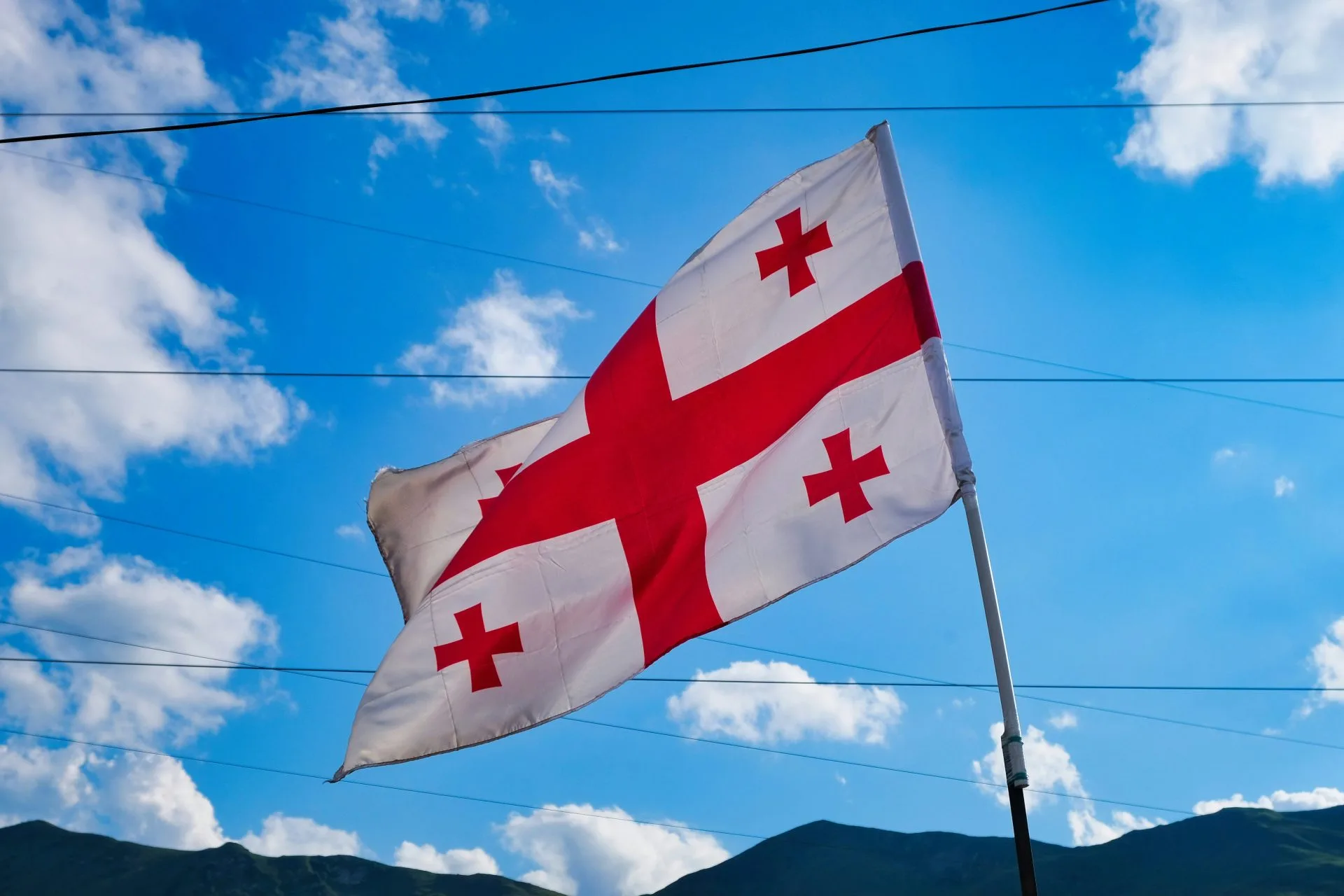
Georgian flag waving in the sky
Article

Georgian Minority in Russian Occupied Abkhazia – Overlooked Oppression in Europe

Georgian minority in Russian-occupied region, Abkhazia, experiences one of Europe’s most overlooked humanitarian crises. Legal uncertainties, the threat of cultural erasure and daily fear accompany the lives of Georgians who only wanted to return home but found themselves caught between the legacy of war, the reality of occupation, and the failure of international mechanisms to protect their basic rights.

6th GHRD International Film Festival: Human Trafficking Edition
Submission Deadline: 9th August 2026