Women's Rights Team

Sexual Violence Against Women in Hollywood

With the overturning of Harvey Weinstein’s conviction by the New York State Court of Appeal in April 2024, the words of hundreds of women who denounced the former film mogul for sex crimes are once again being questioned. In cases of violence against women, it is nothing new to discredit the testimonies of women victims of patriarchy, always favouring the perpetrator of the act who goes unpunished. In 2020, after the first verdict in the Weinstein case that found him guilty, it seemed that something had woken up globally, a collective consciousness about gender-based violence and its scope in every sphere of life.

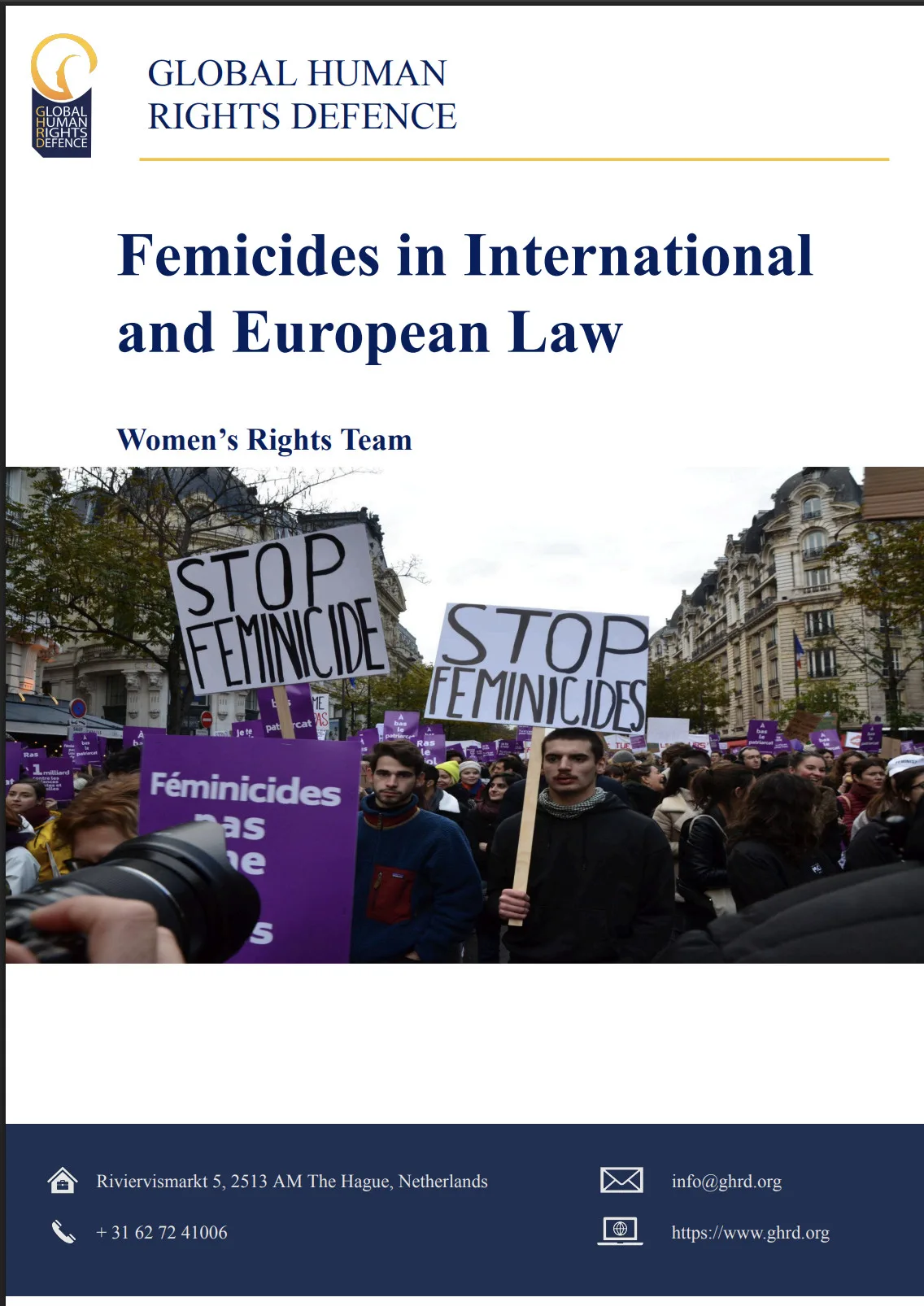
Femicides in International and European Law

This report focuses mainly on femicide in International and European law. Chapter One scrutinises the history of a phenomenon unmanned and the controversies around the naming of femicide. Chapter Two focuses on the categorisation of an intersectional phenomenon, in the continuum of violence. Chapter Three analyses the international instruments agreed norms and standards addressing violence against women, and especially femicide. Chapter Four examines one of the most famous cases regarding femicide, the Ciudad Juarez case. Chapter Five details the limits to the recognition of femicide. Finally, Chapter Six encompasses the measures around the prevention and repression of femicide.

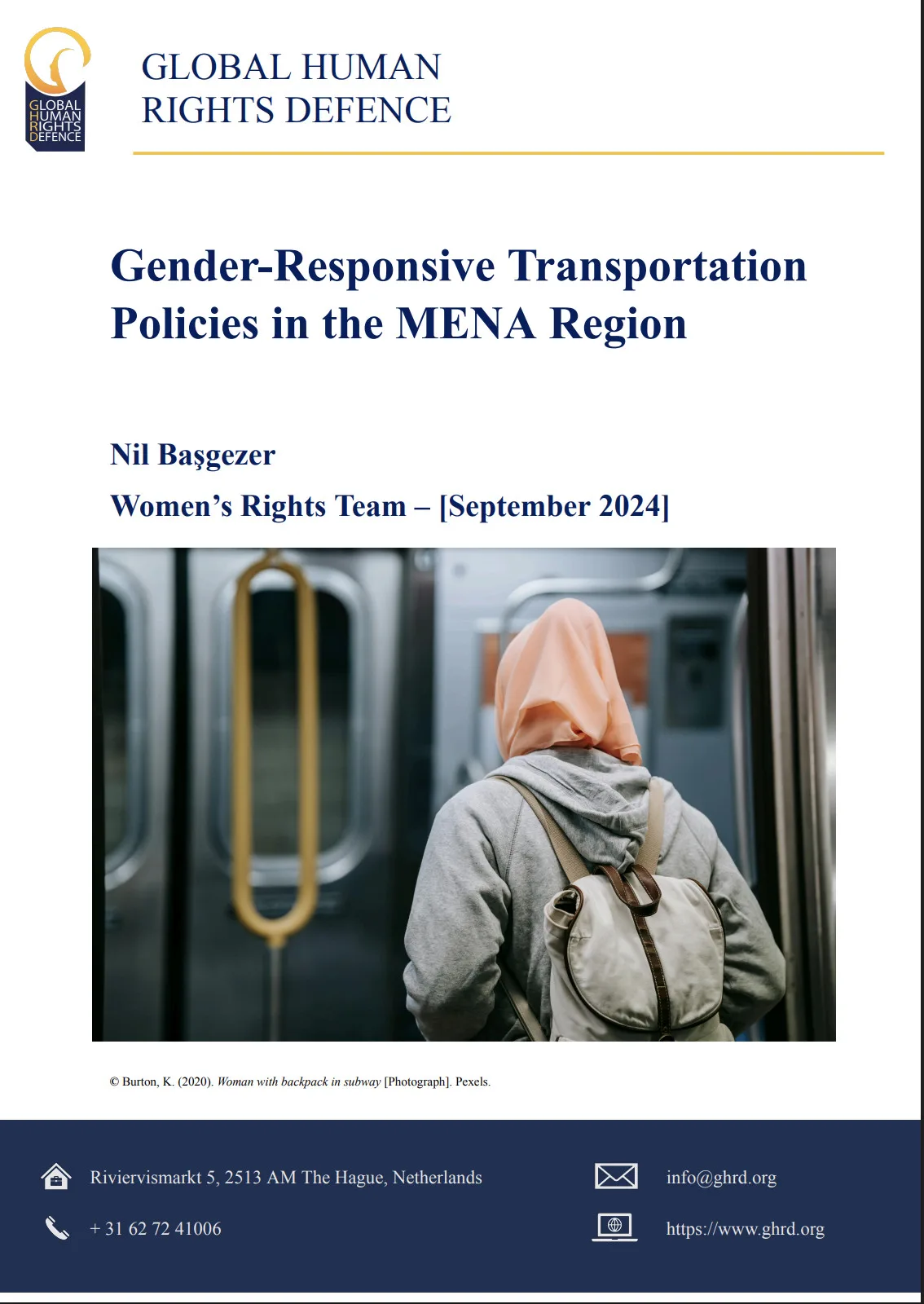
Gender-Responsive Transportation Policies in the MENA Region

Infrastructure is a cornerstone for national progress, driving economic growth, improving societal well-being, and supporting sustainable development. It serves as the foundation for key policy goals like expanding access to employment, reducing poverty, addressing income disparities, minimising regional inequalities, and improving overall quality of life. However, a common misconception is that infrastructure development benefits all genders equally. This assumption overlooks the reality that men and women have distinct needs and use infrastructure differently due to their varying social roles, economic circumstances, and preferences (OECD, 2021).

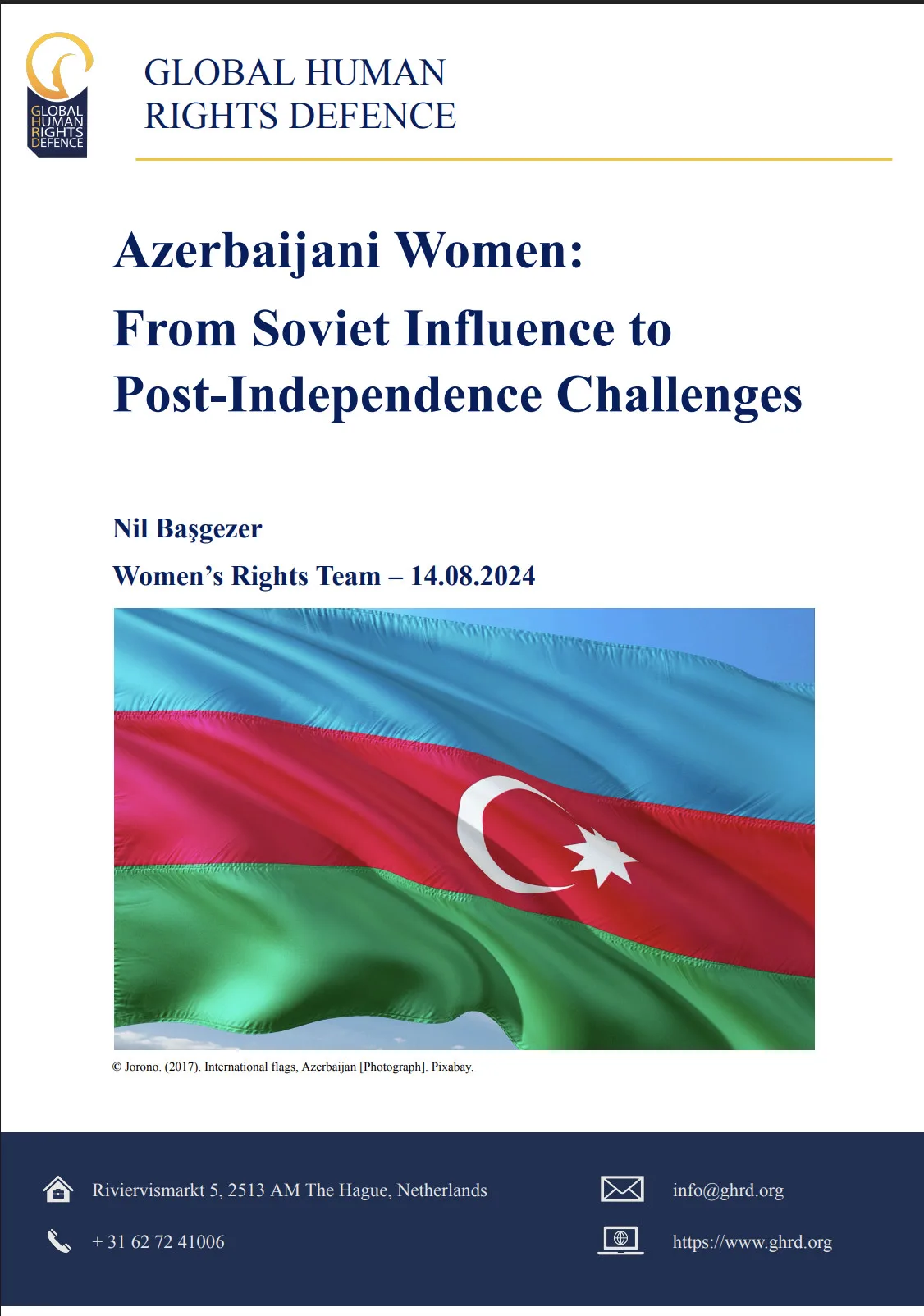
Azerbaijani Women: From Soviet Influence to Post-Independence Challenges

Azerbaijan, previously one of the fifteen republics under the Soviet Union, attained independence following the Soviet Union’s dissolution in 1991. After declaring independence, Azerbaijan joined the United Nations in 1992. The population of Azerbaijan is predominantly Muslim, with 95 percent adhering to Islam. Shi’a Muslims make up the largest sect (Heyat, 2008).

Gendered Politics Why Women are Less Likely Than Men to Run for Election

It is an empirical fact that women are under-represented in politics. It is also a fact
that women are no less likely to win an election when they decide to stand, and when elected,
women perform as well as, if not better, than men in political office (e.g. Anzia and Berry,
2012; Ashworth, Berry and de Mesquita, 2020; Cahn, 2020; Corbett et al., 2022; Holman and
Mahoney, 2023; Kanthak and Woon, 2015; Sevi and Blais, 2023). In trying to understand the
substantive lack of women in politics, scholars typically focus on the women already in office
and the gendered contextual factors surrounding them.

Cyberviolence Against Women at the Dawn of the Development of Artificial Intelligence

In recent years, the upheaval caused by the digital revolution has led to the transformation of violence against women and girls. The increase in internet access worldwide and the widespread use of digital technologies have fostered the development of a new type of violence, cyberviolence. While women and girls already face daily physical, sexual, and psychological violence in the streets, at home, in public transport, or at their place of study or work, technological advances and the ease of access to the online world have amplified the existing threat, giving rise to cyberviolence. Today, cyberviolence against women and girls adds to the long list of violations of women’s rights and contributes to their insecurity by imposing itself as a continuum of violence between virtual and real spheres.

Sexual citizenship

The origin of citizenship can be traced back to Ancient Greece, when “citizens” were those who had a legal right to participate in the affairs of the state. However, by no means was everyone a citizen: slaves, peasants, women or resident foreigners were mere subjects. (Council of Europe, n.d.)

This quote by the Council of Europe (CoE) highlights the underlying structure that, to this day, influences who is considered a citizen of a nation and who is not. Historically, citizenship is closely linked to belonging to a political and legal entity that grants individuals access to certain rights and imposes corresponding duties. The origins of citizenship can be traced back to ancient Greece, where one was only considered a citizen if he was “male aged 20, [from] an Athenian family, […] patriarch of a household [and] a warrior” (Bellamy, 2015, p. 31). Gender, race, and class were fundamental in defining the boundaries of citizenship, thus excluding women, children, immigrants, and slaves. Over time, this understanding changed, and the good citizen was the one who could naturally contribute to the reproduction of the state (Josephson, 2015). He was white, male, and heterosexual. Men were therefore at the centre of citizenship from the very beginning. This definition, according to which all persons within a state who do not meet the above criteria are excluded from the right to citizenship, is no longer valid. Article 15 of the Universal Declaration of Human Rights (UN General Assembly, 1948) recognises everyone’s right to a nationality and the right to change one’s nationality. It stipulates that no citizen shall be stateless because of the denial of their nationality.

Women’s Rights and AI : A New Threat?

The rapid advancement in generative Artificial Intelligence (AI) technology is marked by frequent launches of new large-scale models, heralding a transformative era in human work dynamics and communication (Hacker, 2023). However, Generative AI poses numerous risks and challenges. Ethical concerns and potential social exclusion are exemplified by the amplification of societal biases, discrimination, and inequities, notably in fields such as recruitment (Raub, 2018). Another significant risk involves privacy and data protection, encompassing lawful and compliant data collection, processing, and management of sensitive personal information.

NAVIGATING POPULISM : Women’s Struggle for Political Representation

Over the last few decades, there has been an overall increase in the representation of women in political and decision-making positions, although this progress is uneven and uncertain (Fellegi, Hrbková, Dubrow, 2023). Feminists’ demands are increasingly heard and supported by institutions, both international and national. However, this progress in women’s representation and the defence of women’s rights can lead to two phenomena which are detrimental to these causes. Firstly, greater recognition of women’s rights can lead to a “backlash” phenomenon, a violent retreat from women’s rights in response to this advance. Backlash can be defined as “a response to feminist movements that are effectively making changes to create a more egalitarian and just society” (Bojanic, Abadía, Moro, 2021). Thus, when a backlash occurs in a country, it should be analysed as proof that women’s rights initially improved. The backlash phenomenon also highlights the fact that increasing the representation of women in politics does not systematically lead to an improvement in women’s rights.

6th GHRD International Film Festival: Human Trafficking Edition
Submission Deadline: 9th August 2026