Articles

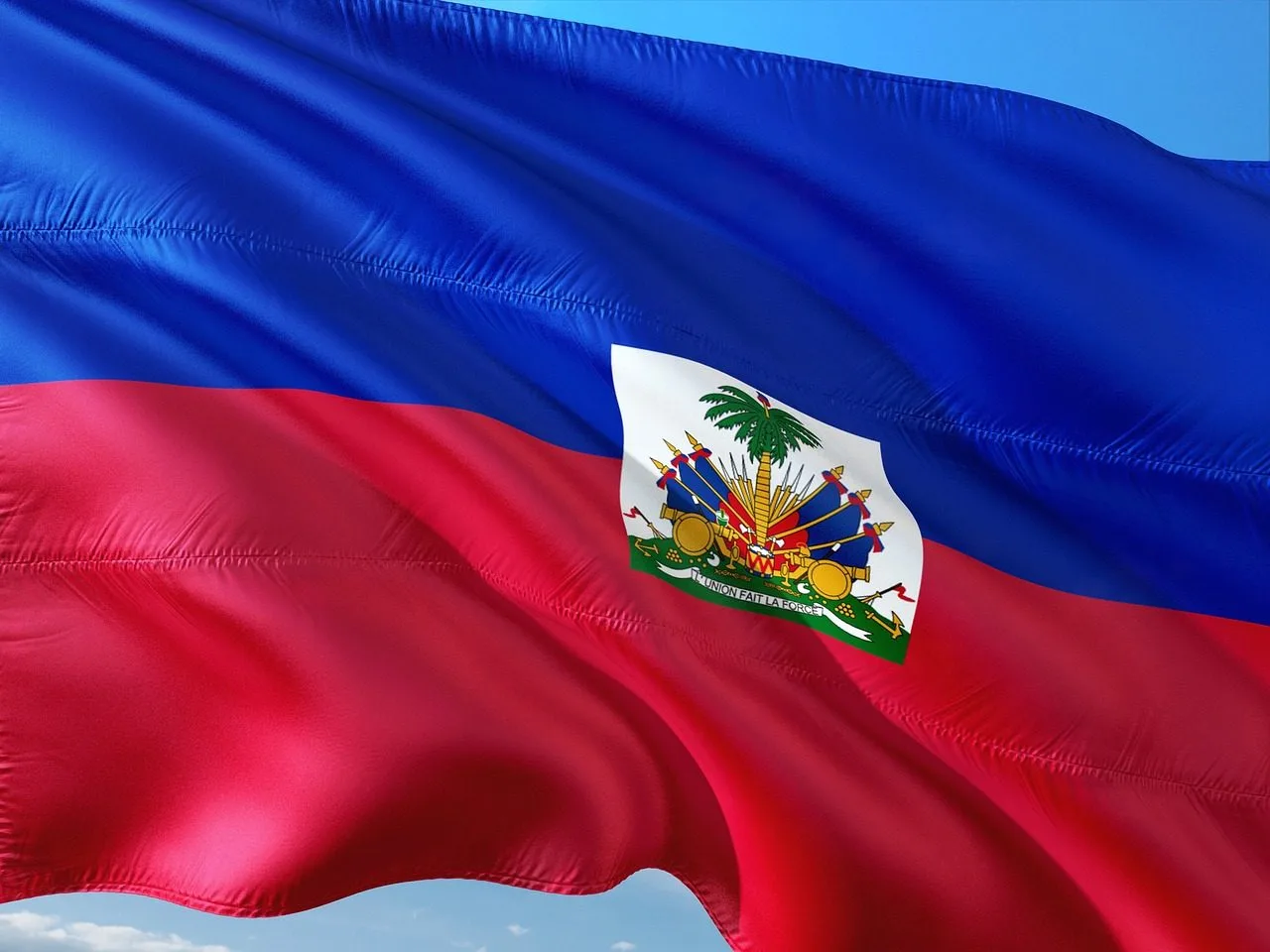
As Haiti faces the collapse of its government, rising gang violence and humanitarian catastrophe, the international community continues to observe in relative silence. This article explores why Haiti, the first Black republic and a state in deep crisis, remains excluded from the legal and institutional mechanisms that the world has activated elsewhere. At the heart of this silence lies a troubling question: when it comes to international justice, whose lives are protected by the law?
In 2025, Huione Group attracted international attention as its subsidiaries enabled money laundering for transnational organised crime to flourish. As illicit businesses can be a persistent threat to human rights, this article will underline how Huione Group’s subsidiaries operated and the key challenges arising from these entities.
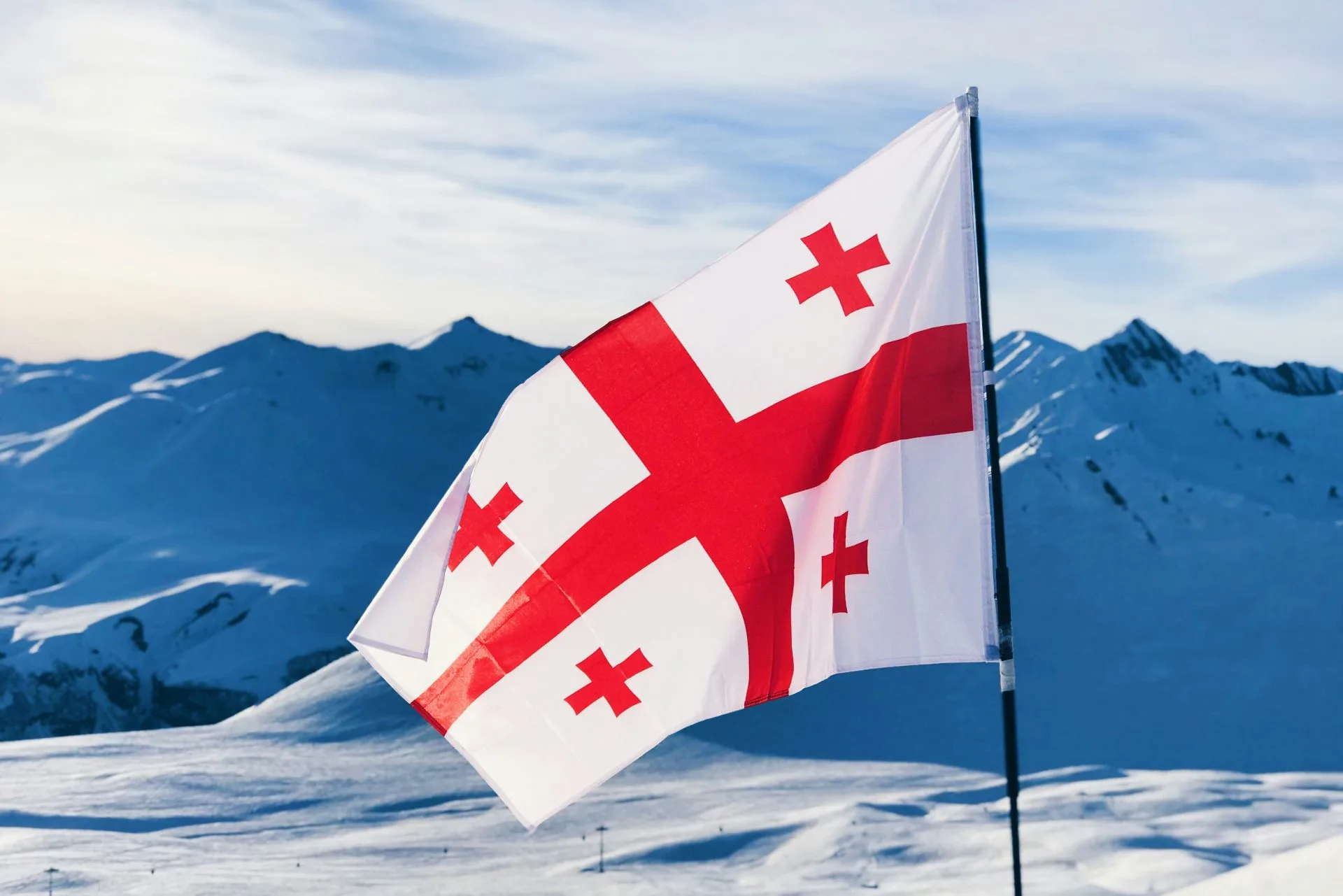
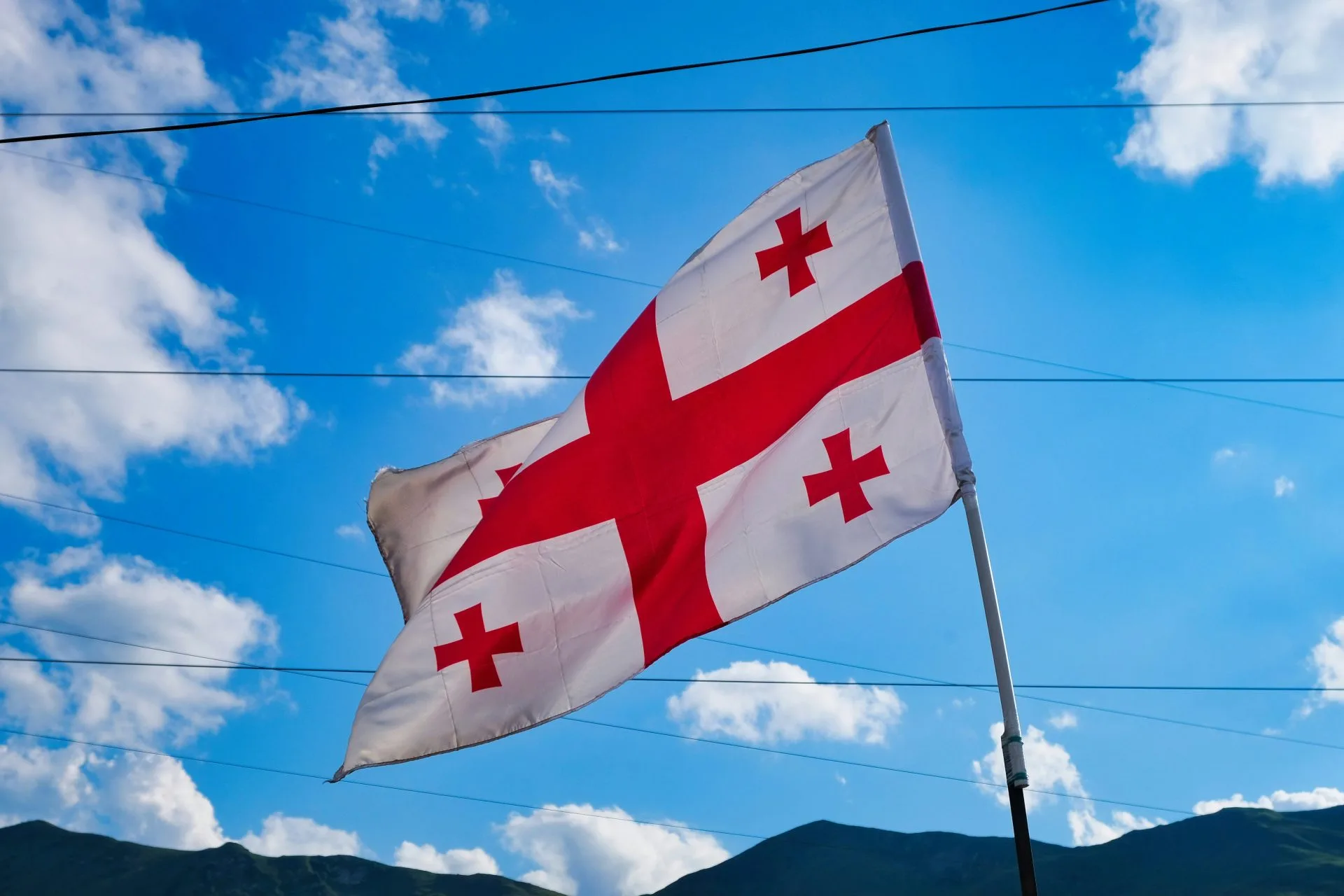
Georgian minority in Russian-occupied region, Abkhazia, experiences one of Europe’s most overlooked humanitarian crises. Legal uncertainties, the threat of cultural erasure and daily fear accompany the lives of Georgians who only wanted to return home but found themselves caught between the legacy of war, the reality of occupation, and the failure of international mechanisms to protect their basic rights.
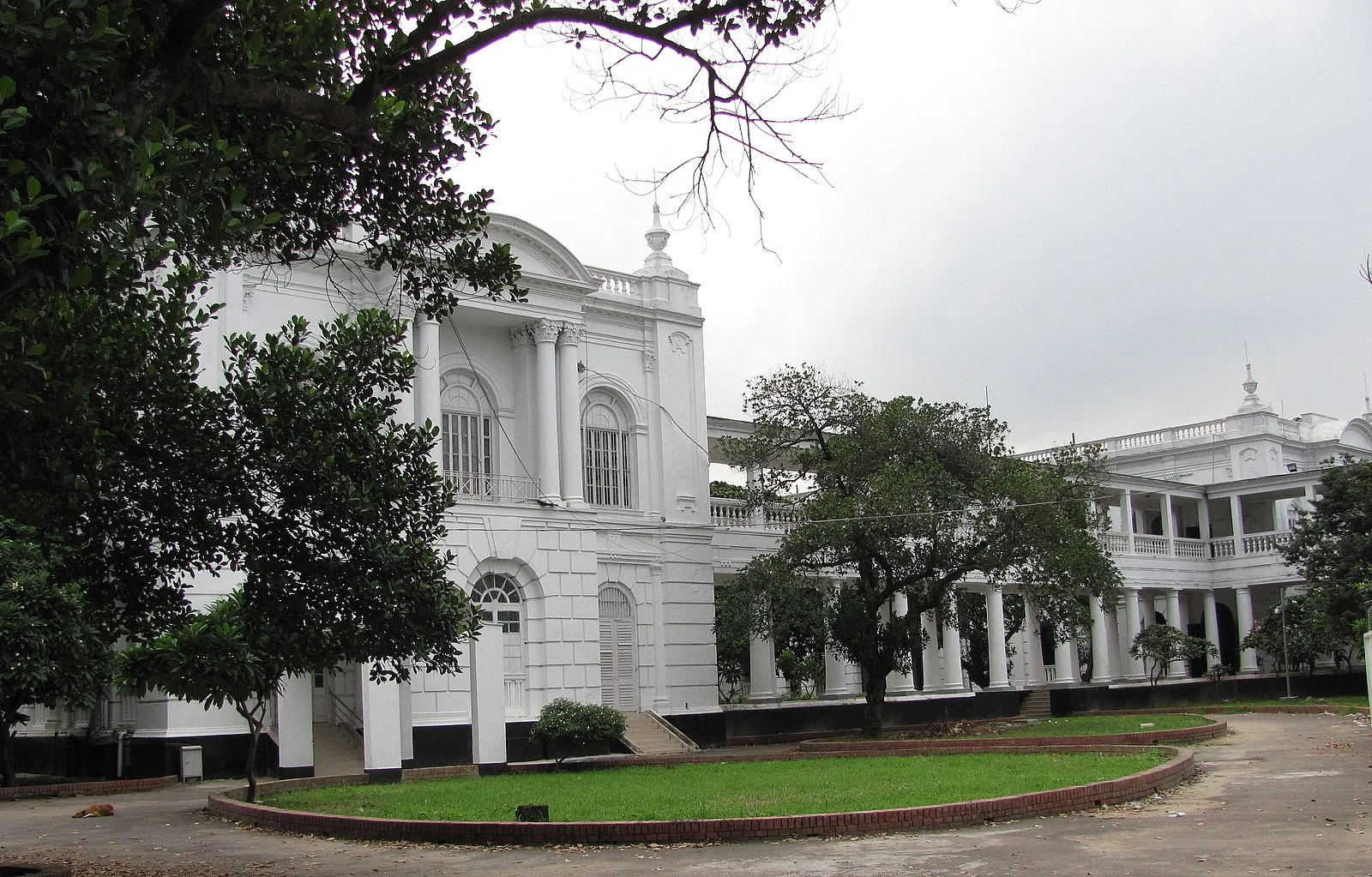
Once focused solely on prosecuting atrocities from Bangladesh’s 1971 Liberation War, the International Crimes Tribunal (ICT-BD) now finds itself at the centre of a legal and political transformation. Triggered by mass protests and government repression in mid-2024, sweeping amendments to its founding law have dramatically expanded the tribunal’s mandate. As it begins prosecuting recent acts of political violence, the ICT-BD raises critical questions about justice, legitimacy, and the future of the rule of law in Bangladesh.
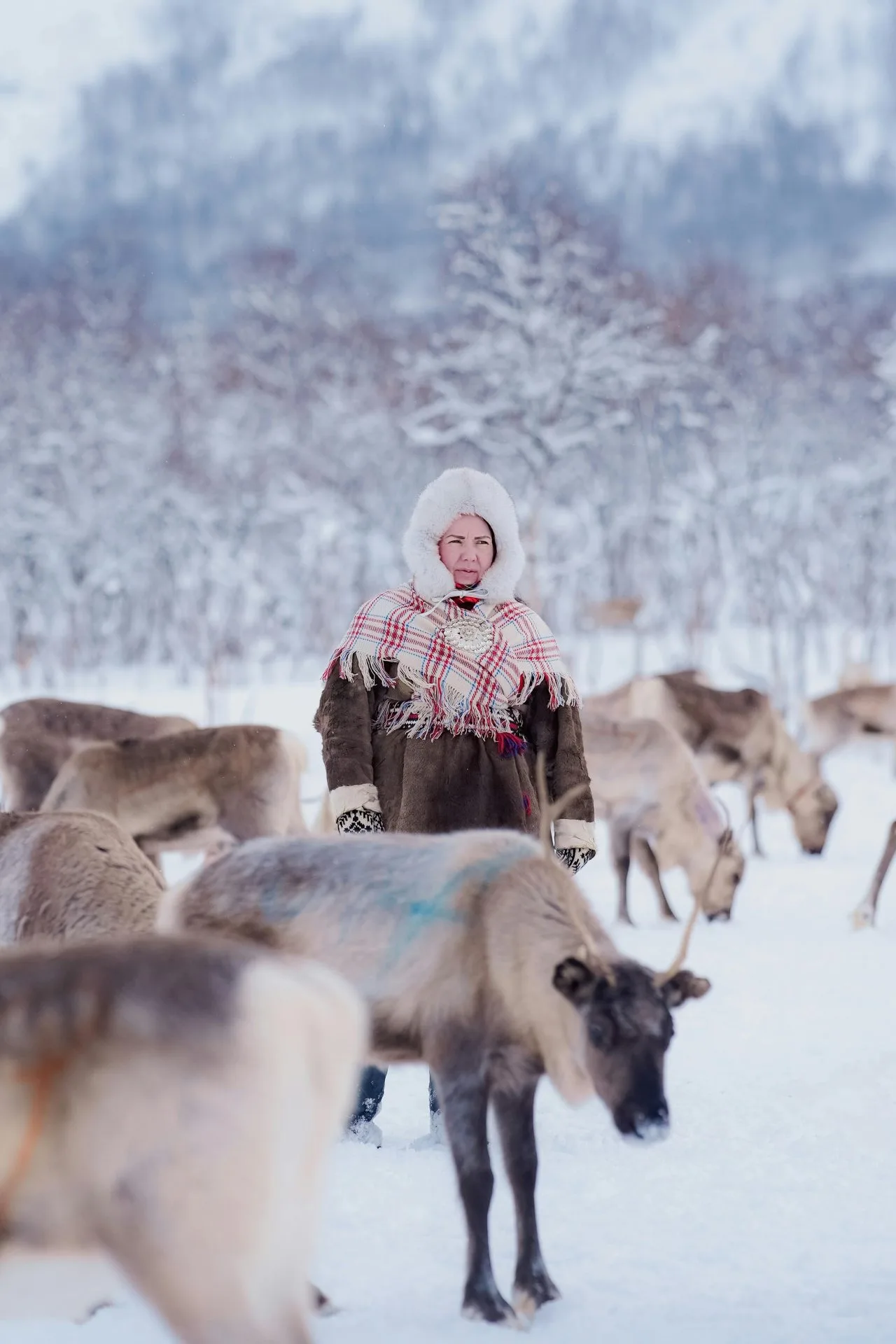
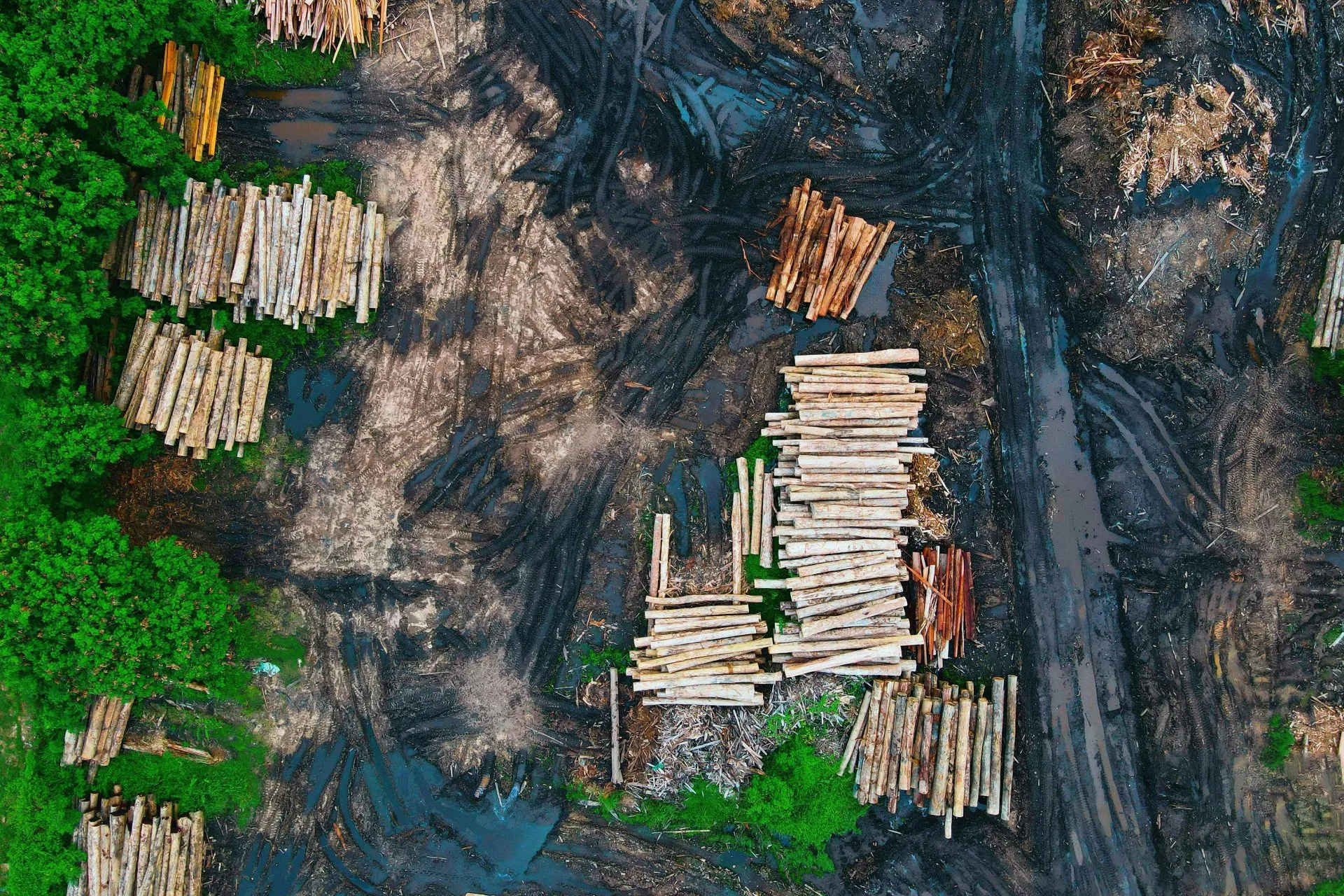
Concerns over deforestation, mining, and environmental degradation have caused significant harm to the Indigenous Peoples in Malaysia who depend on these lands for their survival. As the mining and logging industries expand, these communities continue to face human rights violations.
In Fiji, the use of excessive force continues to pose a serious threat to human rights. Despite widespread alarm and condemnation, such brutality remains pervasive, deeply entrenched in structural and legal weaknesses, as well as a prevailing culture of impunity and violence. Although several measures have been implemented to tackle this issue, a more comprehensive and sustained approach is essential to achieve lasting change.
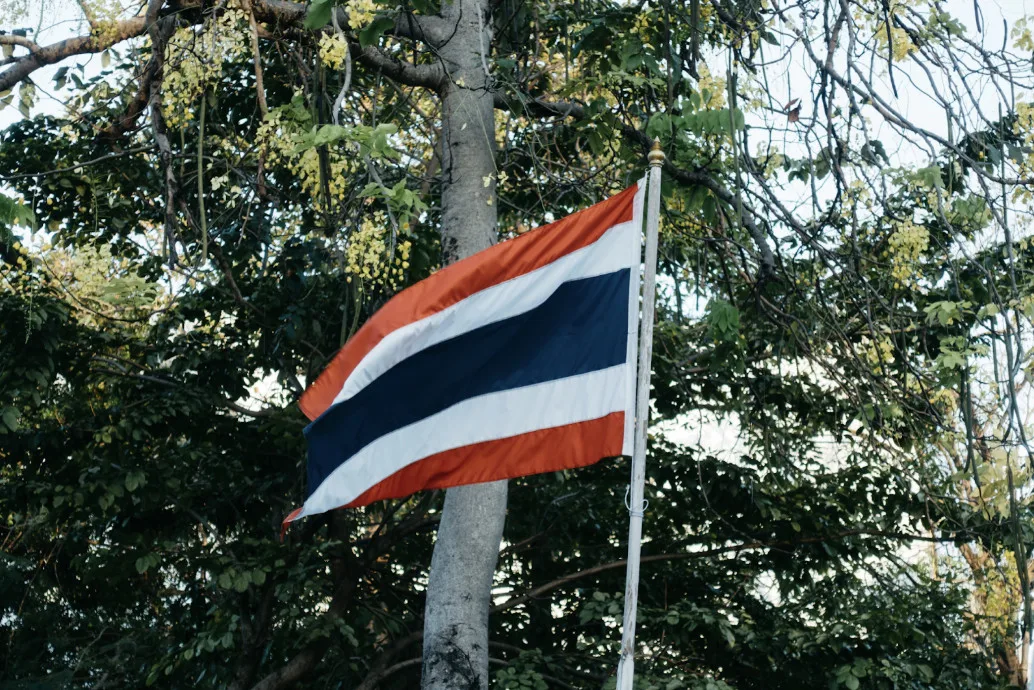
Thailand’s deportation of Uyghur Muslims was not a policy failure – it was policy in action. It reflected an institutional design built not to prevent abuses but to deflect outrage while advancing China’s interests without consequence.
LGBTQIA+ rights in Singapore remain a pressing issue. While recent legal reforms mark progress, widespread prejudice against the community persists.
New Zealand has made history by giving legal rights to nature. Following Māori beliefs, laws now treat rivers and mountains as living entities with their own legal standing, which shows a radical shift in environmental protection.
As the world commemorates the International Day Against Homophobia and Transphobia (IDAHOT), it is key to reflect on the fact that across Europe, transgender individuals face different realities shaped by law, culture, and politics. While some countries advance the rights and recognition of a transgender person, others escalate repression and hate.
Europe claims to uphold housing as a fundamental right, yet for many, that right ends where the pavement begins. In both Hungary and France, legal protections are failing to keep pace with rising housing insecurity and the criminalisation of poverty.
6th GHRD International Film Festival: Human Trafficking Edition
Submission Deadline: 9th August 2026