Articles

In Fiji, the use of excessive force continues to pose a serious threat to human rights. Despite widespread alarm and condemnation, such brutality remains pervasive, deeply entrenched in structural and legal weaknesses, as well as a prevailing culture of impunity and violence. Although several measures have been implemented to tackle this issue, a more comprehensive and sustained approach is essential to achieve lasting change.
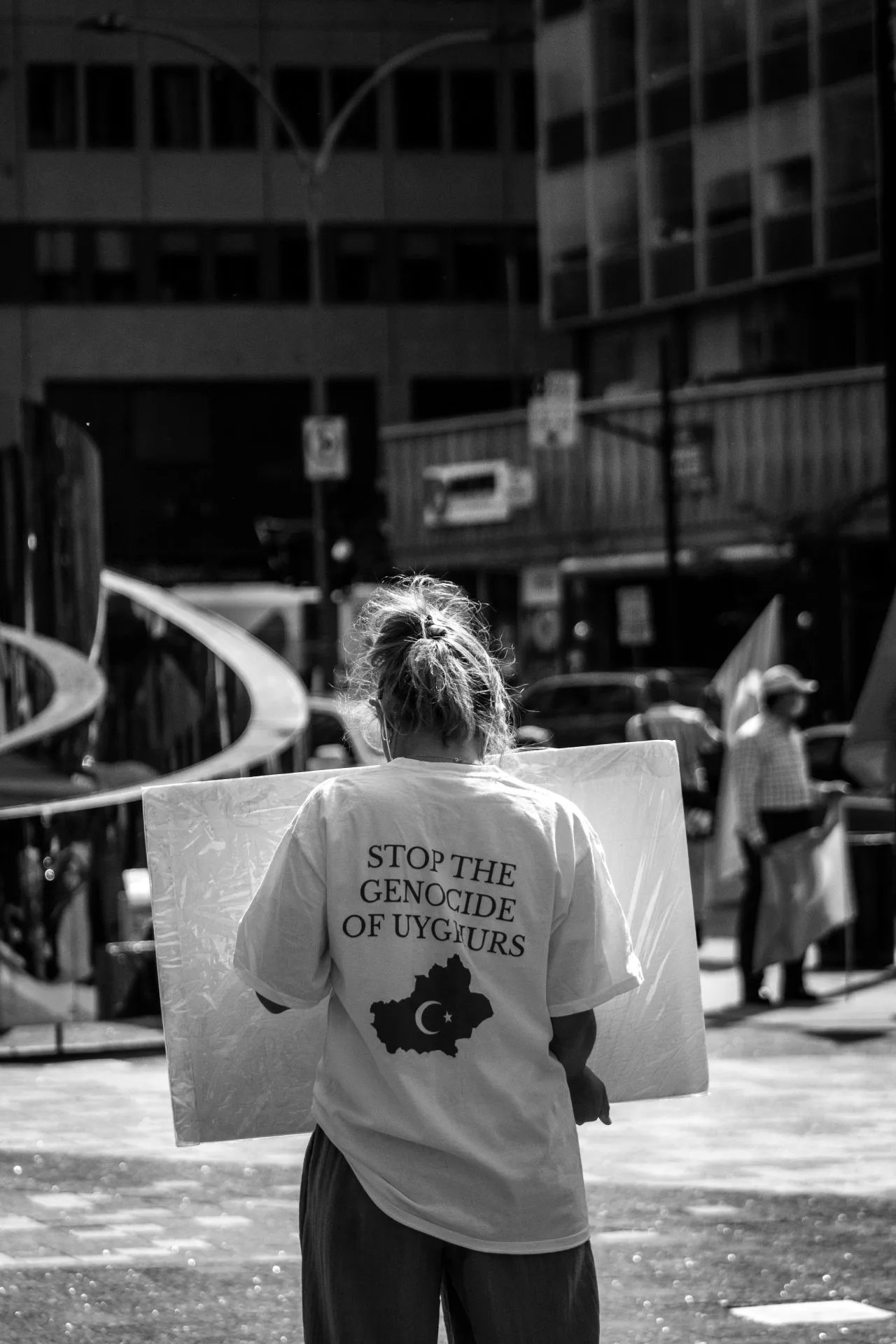
Thailand’s deportation of Uyghur Muslims was not a policy failure – it was policy in action. It reflected an institutional design built not to prevent abuses but to deflect outrage while advancing China’s interests without consequence.
LGBTQIA+ rights in Singapore remain a pressing issue. While recent legal reforms mark progress, widespread prejudice against the community persists.
New Zealand has made history by giving legal rights to nature. Following Māori beliefs, laws now treat rivers and mountains as living entities with their own legal standing, which shows a radical shift in environmental protection.
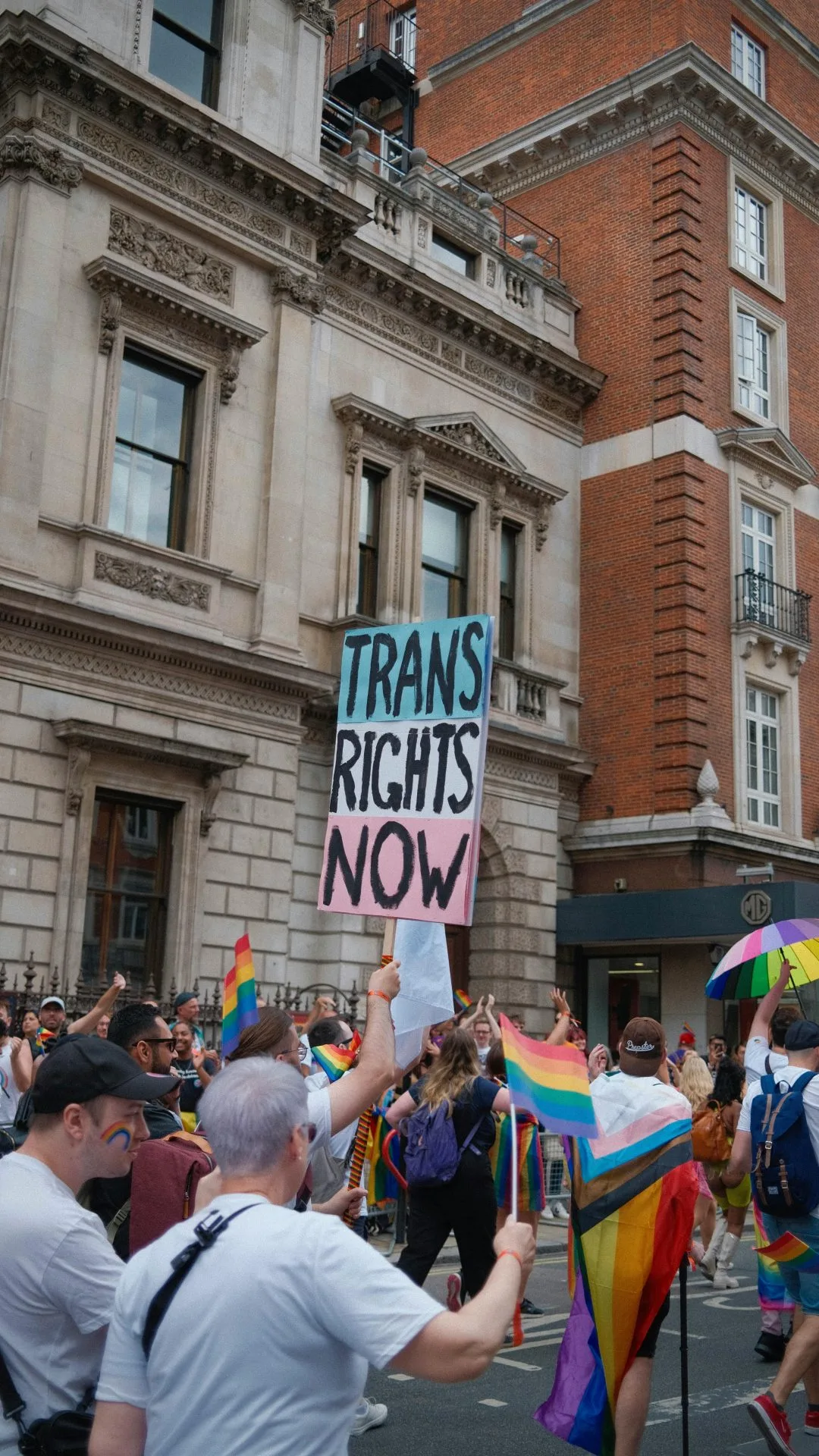
As the world commemorates the International Day Against Homophobia and Transphobia (IDAHOT), it is key to reflect on the fact that across Europe, transgender individuals face different realities shaped by law, culture, and politics. While some countries advance the rights and recognition of a transgender person, others escalate repression and hate.
Europe claims to uphold housing as a fundamental right, yet for many, that right ends where the pavement begins. In both Hungary and France, legal protections are failing to keep pace with rising housing insecurity and the criminalisation of poverty.